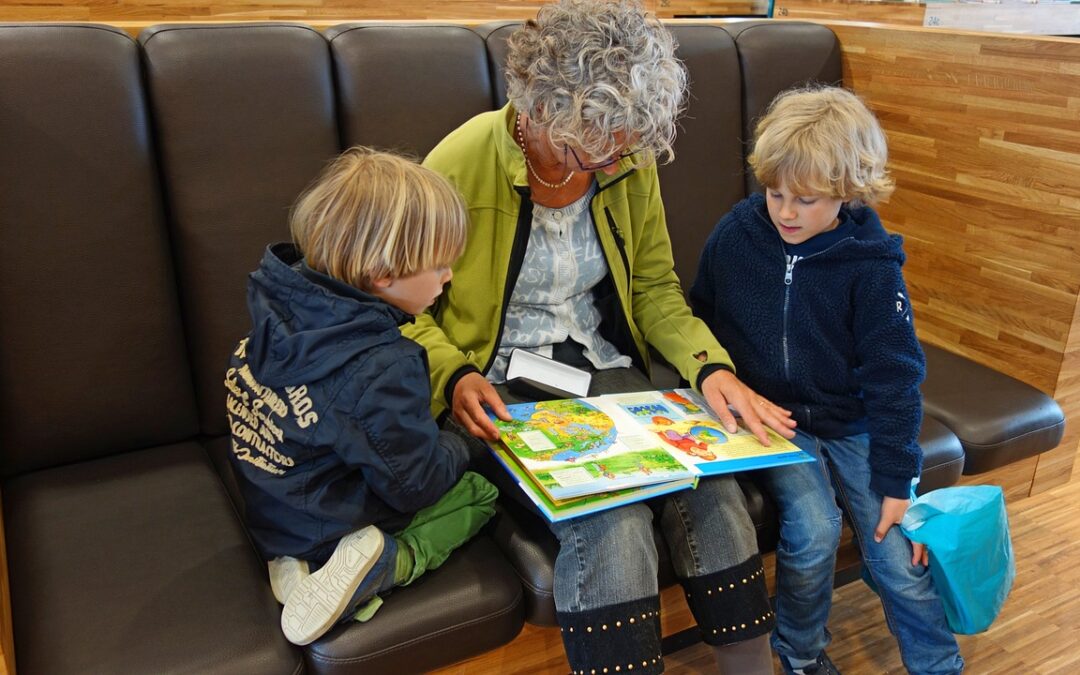
Special Needs Parent Asks, “What’s a Date Night?”

Special Needs Parent Asks, “What’s a Date Night?”

Special Needs Parent Asks, “What’s a Date Night?”

Date night? If you’re the parent of a child with special needs, you may be asking yourself, “What is date night?” Guest blogger Kimberly Drew gives her answer to that question in today’s post.

What’s a Date??!!

Every now and then, I see a friend post something on Facebook about a date they went on with their husband. I want to comment–but refrain–with, “What’s a date??” It’s not that my husband doesn’t want to go out with me, or that I don’t want to go out with him, we’ve just made a really bad habit of not going out together. When we were in premarital counseling, our pastor told us to make sure that we spent quality one-on-one time together at least once a week. At twenty, I remember thinking, “Is this guy crazy?? We’re going to be together EVERY NIGHT!” Well let me tell you, twelve years, three kids, and a full-time ministry later…we’re lucky to go out one night every three months! As the parents of children with special needs, there are more than enough obstacles to having quality time with your spouse. I’d like to offer several suggestions for carving away some time together.  Who knows, maybe my husband and I will take my advice!

  1. Date Night without Dinner Out: For starters, we’ve had to let go of the idea that a date has to include dinner. We’ve found that some of our best nights out have been after the kids are in bed. It’s so much easier not to have to worry about anyone feeding our daughter, giving her nighttime meds, and getting all the kids to bed. One of my favorite nights out was for dessert and coffee at a restaurant only a half a mile down the road from our house. We had plenty of time together, enjoyed great conversation, and got home in time to snuggle up on the couch and watch a saved episode of our favorite show before bed. I’m sure that I don’t need to point out the benefit of saved cash!
  2. Date Night on a Budget: That money stuff can be a real problem sometimes too, can’t it? I know that you probably have the same revolving door of medical debt that we do. More often than not, we don’t go out because we don’t have the money to pay for a babysitter and a night out. It’s easier in the warmer months when you can do things outside that are free, but in the cold months like February, you have to get creative. Pick your favorite search engine and take a few minutes to look up some date ideas that don’t cost money.
  3. Date Night Is Quality Time: I also think it’s important to redefine what quality time means. It doesn’t always have to be a “date.” For instance, you could try serving side-by-side at a nonprofit organization of your choice, at your child’s school, or even getting in some exercise together. My husband and I work with senior high students together. We love it, and it’s nice to get involved in something outside of our normal life. It gives us plenty to talk and laugh about too.

Good marriages and relationships take time and work.  Don’t let February pass you by without reserving some quality time for each other.

Your Date Night Advice?

Well, Kimberly gave her date night advice, and now it’s your turn. What’s your best date night advice? Or what was your best date night ever? Leave a comment. 

Do you like what you see at DifferentDream.com? You can receive more great content by subscribing to the quarterly Different Dream newsletter and signing up for the daily RSS feed delivered to your email inbox. You can sign up for the first in the pop-up box and the second at the bottom of this page.
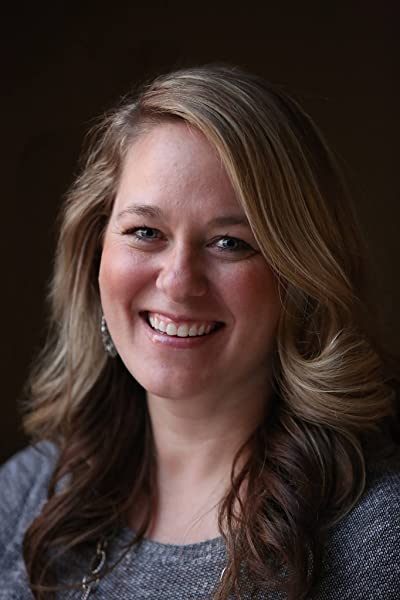
By

Kimberly grew up and went to college in the small town of Upland, IN. She graduated from Taylor University with a degree in Elementary Education in 2002. While at TU, she married her college sweetheart and so began their adventure! Ryan and Kimberly have four amazing kids on earth (Abigail, Jayden, Ellie, and Cooper), and a baby boy waiting for them in heaven. Their daughter Abigail (Abbey) has multiple disabilities including cerebral palsy, a seizure disorder, hearing loss, microcephaly, and oral dysphagia. She is the inspiration behind Kimberly’s desire to write. In addition to being a stay-at-home mom, Kimberly has been serving alongside her husband in full time youth ministry for almost fourteen years. She enjoys working with the senior high girls, scrapbooking, reading, and music. You can visit Kimberly at her website, Promises and Perspective.

Author Jolene Philo

Archives

Categories

Subscribe for Updates from Jolene

Related Posts

On Being an Advocate: Speak Up

On Being an Advocate: Speak Up

On Being an Advocate: Speak Up

Advocacy is part of every parent’s job description. As parents of children with special needs, we find ourselves on the job at unexpected times and in unexpected places, as this post by guest blogger Ellen Stumbo shows.

On Being an Advocate: Speak Up!

I first heard his scream among the crowd. That garbled yell that came either too soon or too late. He kicked his stiff leg awkwardly and painfully slowly, his hands in fists and arms curled up close to his body. The rest of the tae-kwon-do team moved in perfect unison. But not him. His father–or a helper–pushed his wheelchair while the team made its way through the small-town 4th of July parade. And while his movements were imperfect, he beamed with pride because it took every ounce of energy to do what he was able to do.

That’s when I saw them.

As I walked back to join my family by the curb of the street, a man and woman kicked their legs mockingly, making rude noises with contorted faces making fun of the young man with cerebral palsy. They laughed, they pointed, and I felt the rush of blood pumping through my veins.

A crowd stood between me and them. To speak up meant I had to go out of my way and around people to get to them. I could have simply walked away. But I couldn’t. What if that was my child? What if that was someone making fun of my daughter with cerebral palsy? What if they were mocking my little girl with Down syndrome? What would the mother of that young man do?

I had to speak up, so I made my way through the crowd. “Excuse me,” I said with far more confidence than I really felt, “Why are you making fun of that young man? Do you really think it is funny?”

Startled, the man fumbled with his words, “Ummm…no, we are not making fun of him.”

“Really? Because if you are not, then how do you know who I am talking about?

“We are making fun of our friend,” the woman quickly added, “we have this joke with him, and we always make fun of him. We were not making fun of the guy in the wheelchair.”

“Listen, I don’t know who you were making fun of, all I know is that for anyone watching, you are making fun of the man with cerebral palsy.”

“We would never do that.” The man tried to sound serious, like he really meant what he was saying.

I raised my hand in a gesture for him to stop talking. “Do you have any idea what it took for him to be out there? Do you realize that even right now, as different and awkward as he is, he is giving his all? Do you realize that he has given more than a hundred percent? You should be challenged. We should all be challenged by him. We go around our lives giving the least we can just to get things done. But there he is, giving his all, knowing that some people will still ridicule him and make fun of him. But it doesn’t matter. It doesn’t matter because he is determined, because he won’t let anyone’s perceptions get in the way of a dream. We should all look at him and be moved, be inspired.”

There was an awkward silence, the adrenaline rushing through me had my hands and legs shaking.

“Yeah,” the man broke the silence. “These people can do lots of normal things now, it’s pretty incredible.”

I smiled at him. “These people? They are not these people, they are people, just people. And yes, they are incredible, showing the rest of us normal people about what really matters. You see, I have two little girls with special needs. One of them, in fact, has cerebral palsy, just like that man. I hope someday she chases hard after her dreams. So I look at that man and I am inspired, and I am full of hope. Hope that someday my kids will be included, accepted, and not be considered one of these people, but part of the team.”

After a pause, I added, “Have a nice day.” I turned around and walked back to find my family, blinking the tears that threatened to run freely.

I had to speak up. Not only for that man, but for my girls too.

When Do You Speak Up?

When do you advocate for your child? Leave a comment about what compels you to speak up.

photo credit: www.freedigitalphotos.net

Do you like what you see at DifferentDream.com? You can receive more great content by subscribing to the quarterly Different Dream newsletter and signing up for the daily RSS feed delivered to your email inbox. You can sign up for the first in the pop-up box and the second at the bottom of this page.

By

Ellen Stumbo is a writer and speaker and the mother of three girls, two with disabilities. To read more of Ellen’s writing, visit her blog at www.EllenStumbo.com.  She can also be found on Twitter and Facebook.

Author Jolene Philo

Archives

Categories

Subscribe for Updates from Jolene

Related Posts

A Special Needs Think Tank

A Special Needs Think Tank

A Special Needs Think Tank

Think tanks. Guest blogger Kimberly Drew created her own think tank to find solutions for problems associated with her daughter, Abigail’s special needs, which include cerebral palsy, a seizure disorder, hearing loss, microcephaly, and oral dysphagia.

The Great Cup Quest Think Tank

Since our daughter was old enough and able to use a sippy cup, we started buying every cup we came across to find THE CUP—the cup she could drink out of at the right speed, with the right amount of effort, and that didn’t spill everywhere.  I think we could have paid for a small vacation somewhere with the money we have spent in sippy cups!

A Special Needs Think Tank Is Born

Having a child with special needs requires ingenuity and resolve. Sometimes you need a think tank. I’m blessed to have amazing family support. Sometimes one of our think tank members brings something to the table that just changes everything for us. For instance, Abbey’s bibs were getting too small for her neck circumference. I selfishly like her bibs to match her outfits…so, the bib extender was born when my mother-in-law made one out of fleece and Velcro. (If you’d like to know how to make some yourself, send me an e-mail!)

Special Needs Think Time Team

A think tank can brainstorm together. We’ve had to brainstorm and work our way through so many different things over the years. I’m grateful that our daughter has an entire IEP team to help us navigate the educational system. I don’t know where we’d be without all the teachers, therapists, and school staff that have helped us along the way. Even our church has thought through how to do Sunday school with Abbey so that my husband and I didn’t have to stay with her during that hour.

Special Needs Think Tank Faith

We are constantly evaluating, changing, improving, and processing almost every aspect of Abbey’s daily care and long term comfort. It does become tiring and frustrating at times, but comes with the title of caregiver. I know that it is discouraging not to have answers when there is an obstacle in your path. It’s especially hard because we care so much about our children, and want so badly to see them have everything that they need. I think it’s important to try to keep faith and perspective in play when you find yourself at a crossroad and needing solutions.

Faith is the assurance of things hoped for and the conviction of things unseen. When I’m weak and tired, frustrated or fed up, I rely on God to give me the faith I need. Perspective is also important. We have to get our eyes off of the microscope we’ve been staring into. When you’ve been examining a problem for so long, it gets bigger. Sometimes, you need to look around in order to remember things for what they really are.

Special Needs Think Tank Success

With all of that in mind, I’m happy to say we have found the perfect cup. Two actually! The one she uses at school is a short hot pink cup with an angled top. It’s called a Nosey Cup…but of course, the regular one wasn’t perfect. So, her therapist had to saw off the handles!  The great cup quest has ended, and we are saving money.

Who’s Part of Your Think Tank?

I think every parent of a child with special needs has an informal think tank, a group of people who help solve problems. Take a minute to give a shout out to the people who are part of your think tank. Leave a comment to tell us about them.

Do you like what you see at DifferentDream.com? You can receive more great content by subscribing to the quarterly Different Dream newsletter and signing up for the daily RSS feed delivered to your email inbox. You can sign up for the first in the pop-up box and the second at the bottom of this page.

By

Kimberly grew up and went to college in the small town of Upland, IN. She graduated from Taylor University with a degree in Elementary Education in 2002. While at TU, she married her college sweetheart and so began their adventure! Ryan and Kimberly have four amazing kids on earth (Abigail, Jayden, Ellie, and Cooper), and a baby boy waiting for them in heaven. Their daughter Abigail (Abbey) has multiple disabilities including cerebral palsy, a seizure disorder, hearing loss, microcephaly, and oral dysphagia. She is the inspiration behind Kimberly’s desire to write. In addition to being a stay-at-home mom, Kimberly has been serving alongside her husband in full time youth ministry for almost fourteen years. She enjoys working with the senior high girls, scrapbooking, reading, and music. You can visit Kimberly at her website, Promises and Perspective.

Author Jolene Philo

Archives

Categories

Subscribe for Updates from Jolene

Related Posts

5 Tips for Reading to Children with Special Needs

5 Tips for Reading to Children with Special Needs

5 Tips for Reading to Children with Special Needs

Reading aloud to kids was one of my greatest delights as a teacher and a mom. I loved to see children fall under the magic spell of hearing stories, and I’m looking forward to reading stories to our new grandchild when he gets a bit older. Beyond my own family, I hope every parent and child get to experience that magic together often.

Reading to Children with Special Needs

But sometimes, kids with special needs have a hard time sitting and sitting still for an entire story. Short attention spans and physical limitations can make the experience frustrating for adults and children. Even so, more and more libraries are introducing sensory story times for kids with special needs. The Salt Lake County Kearns Library is one of them.

5 Special Needs Reading Tips

In an article about the reading program, Teri Harman listed 5 tips suggested by Carrie Rogers-Whitehead, senior librarian at the Kearns Library.

  1. Keep it visual.
  2. Keep it moving.
  3. Keep it short.
  4. Keep it cool.
  5. Keep it fun.

The reasoning behind each of these tips and examples that show how to apply them are provided in the article, Tips for Reading to Children with Special Needs. It’s well worth a look, so check it out!

Sensory Story Time Books

Be sure to scroll to the end of the article where you’ll find a list of sensory story time books recommended by Rogers-Whitehead. Here are a few to whet your appetite:

What Would You Add to the List?

What books does your child like to hear? Help create our own sensory story time list by leaving the names of your family’s favorite read aloud books in the comment box.

Image by Aline Dassel from Pixabay

Do you like what you see at DifferentDream.com? You can receive more great content by subscribing to the quarterly Different Dream newsletter and signing up for the daily RSS feed delivered to your email inbox. You can sign up for the first in the pop-up box and the second at the bottom of this page.

By

Jolene Philo is the author of several books for the caregiving community. She speaks at parenting and special needs conferences around the country. Sharing Love Abundantly With Special Needs Families: The 5 Love Languages® for Parents Raising Children with Disabilities, which she co-authored with Dr. Gary Chapman, was released in August of 2019 and is available at local bookstores, their bookstore website, and Amazon. See Jane Dance!, the third book in the West River cozy mystery series, which features characters affected by disability, was released in October of 2023.

Author Jolene Philo

Archives

Categories

Subscribe for Updates from Jolene

Related Posts

Sleep Chart May Help Children with Special Needs

Sleep Chart May Help Children with Special Needs

Sleep Chart May Help Children with Special Needs

Sleep issues and special needs are often intertwined. Kids with special needs like autism often sleep very little or have interrupted sleep. A recent study showed that preschool children with sleep problems like sleep apnea and snoring are more likely to need special educations services when they reach school age. The Different Dream post about the sleep study caught the eye of Karen Waterfield at Victoria Chart Company, and she sent their sleep chart for children 2 and older, for review.

What’s In the Envelope?

The sleep chart comes in a plastic envelope which contains:

  • A 12″ x 18″ colorful, laminated sleep chart
  • A black, water-based marker
  • A sheet of 130 reusable smiley face stickers
  • A sheet of 48 reusable start stickers
  • A folder with how-to-use-the-chart tips and other bedtime routine tips
  • Adhesive squares for hanging the chart on a flat surface in the child’s bedroom

What’s On the Chart?

The chart is divided into nighttime and daytime sections. Kids are rewarded with start stickers when they complete the following evening tasks:

  • Putting on bedtime clothes
  • Getting a small bedtime drink
  • Brushing teeth and using the bathroom
  • Reading a book
  • Getting into bed

In the morning, they receive a smiley face sticker for the following behaviors:

  • I did not call out in the night
  • I fell asleep all by myself
  • I stayed in bed all night
  • I stayed in bed until it was time to get up

What’s In the Folder?

The folder is full of common-sense tips designed to help parents make the chart work. Here are a few:

  • Start using the chart the first few nights of the week to avoid weekend interruptions.
  • Keep the routine consistent. Do the same things in the same order every night.
  • At the end of 5 nights, clear the chart and start over.

These tips and the others in the folder are practical, doable, and based on sound parenting practices. (More free resources and a free sleep certificate can be downloaded at Victoria Chart’s Facebook page.) Though my kids aren’t the right age for testing the chart, I know it would have motivated them when they were young.

Of course, the question is whether this chart can help your child with special needs overcome sleep issues, and I can’t answer that question. But, the chart could be a relatively innocuous and inexpensive way to address the issue. 

Do you like what you see at DifferentDream.com? You can receive more great content by subscribing to the quarterly Different Dream newsletter and signing up for the daily RSS feed delivered to your email inbox. You can sign up for the first in the pop-up box and the second at the bottom of this page.

Photo credit: www.freedigitalphotos.net

By

Jolene Philo is the author of several books for the caregiving community. She speaks at parenting and special needs conferences around the country. Sharing Love Abundantly With Special Needs Families: The 5 Love Languages® for Parents Raising Children with Disabilities, which she co-authored with Dr. Gary Chapman, was released in August of 2019 and is available at local bookstores, their bookstore website, and Amazon. See Jane Dance!, the third book in the West River cozy mystery series, which features characters affected by disability, was released in October of 2023.

Author Jolene Philo

Archives

Categories

Subscribe for Updates from Jolene

Related Posts

An EA/TEF Top Ten List: 30 Years Later

An EA/TEF Top Ten List: 30 Years Later

An EA/TEF Top Ten List: 30 Years Later

EA/TEF Awareness Month 2013 ends today. Thirty years ago, our baby boy, born with EA/TEF was about eight months old, slowly gaining ground in his fight to stay alive. Today, I’d like to encourage parents of young EA/TEF children by sharing my own top ten list of life as an EA/TEF parent thirty years later.

Top Ten Signs You’re the Parent of an Adult with EA/TEF

  1. The tiny blood pressure cuff your newborn wore in NICU hangs beside his baby picture.
  2. You can recite your baby’s surgery timeline without hesitation.
  3. You don’t like to visit hospitals much.
  4. When your first grandchild is born, you are surprised by grief when you realize how much bonding time you and your newborn missed.
  5. You can’t break the habit of leaving good tips at restaurants. It’s your way of apologizing for the napkins full of vomit your child left behind way back when.
  6. You think cribs that aren’t elevated at the head just don’t look right.
  7. You panic when you hear your adult child has a cold, influenza, or any other common ailment.
  8. You feel guilty because you panic when you hear your child has a cold, influenza, or any other common ailment, and chide yourself, saying, “Get a grip! He’s an adult! Get over it!”
  9. You feel much better when your spouse says he’s panicked because your adult child has a cold, influenza, or any other common ailment.
  10. You believe in miracles because you raised one.

What Would You Add to the List?

Until two years ago, I had never met the parent of a child born with EA/TEF. I have yet to meet the parent of an adult born with the anomaly. If you’re part of that small but growing group, please introduce yourself in the comment box. Then, tell what you’d add to the list. Thanks!

Do you like what you see at DifferentDream.com? You can receive more great content by subscribing to the quarterly Different Dream newsletter and signing up for the daily RSS feed delivered to your email inbox. You can sign up for the first in the pop-up box and the second at the bottom of this page.

By

Jolene Philo is the author of several books for the caregiving community. She speaks at parenting and special needs conferences around the country. Sharing Love Abundantly With Special Needs Families: The 5 Love Languages® for Parents Raising Children with Disabilities, which she co-authored with Dr. Gary Chapman, was released in August of 2019 and is available at local bookstores, their bookstore website, and Amazon. See Jane Dance!, the third book in the West River cozy mystery series, which features characters affected by disability, was released in October of 2023.

Author Jolene Philo

Archives

Categories

Subscribe for Updates from Jolene

Related Posts