The Lessons I Learned while Raising a Child with EA/TEF

The Lessons I Learned while Raising a Child with EA/TEF

The Lessons I Learned while Raising a Child with EA/TEF

The lessons I learned while raising a child with EA/TEF have been many and varied. That’s to be expected since our son was born in 1982 with esophageal atresia (EA) and a tracheoesophageal fistula (TEF), two conditions that left him unable to swallow and required immediate surgery.

Many of the lessons came about as a result of the surgeries and invasive procedures he endured between birth and age 5. Other lessons came later as he became more independent in adolescence and adulthood. I encourage you to use these ten lessons as a springboard for considering what you’ve learned as well.

  1. I’m not in control, but God is and I can trust him. When the doctor diagnosed our son’s condition, I instantly realized God was in control and I wasn’t. Accepting that truth and trusting God with our baby’s life—or death—took about eight months. When I accepted this truth, raging anxiety subsided so I could be the mother our son needed.
  2. Our child was a gift from God. He belongs to God, who gave him to us to steward for however long he lived. Realizing this truth allowed us to rejoice each day he was with us, to delight in him as he came into himself instead of molding him into what we wanted for him. I had to relearn that lesson often, especially when as an adolescent and young adult his decisions were not always wise or in line with my faith.
  3. Write it all down. Journal about your feelings, about where you’ve seen God show up, and whatever else you want to record. You should also compile a written document containing your child’s health history and your observations about their individual EA/TEF journey. Make a paper copy to update as needed. Because your child has no explicit memory of when surgeries took place or the reason for them, present a paper copy to keep in a safe place when they turn age eighteen. Who knows when they may need it.

To read the rest of The Lessons I Learned while Raising a Child with EA/TEF visit the Key Ministry website.

Do you like what you see at DifferentDream.com? You can receive more great content by subscribing to the quarterly Different Dream newsletter and signing up for the daily RSS feed delivered to your email inbox. You can sign up for the first in the pop-up box and the second at the bottom of this page.

Road Image by jodeng from Pixabay; Leaves Image by Sabine Kroschel from Pixabay

By

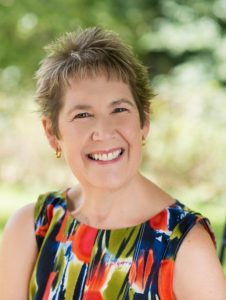
Jolene Philo is the author of several books for the caregiving community. She speaks at parenting and special needs conferences around the country. Sharing Love Abundantly with Special Needs Families: The 5 Love Languages® for Parents Raising Children with Disabilities, which she co-authored with Dr. Gary Chapman, was released in August of 2019 and is available at local bookstores, their bookstore website, and Amazon. See Jane Dig!, the fourth book in the West River cozy mystery series, which features characters affected by disability, was released in October of 2024.

Author Jolene Philo
Archives

Categories

Subscribe for Updates from Jolene

Related Posts

Looking Back at Your Child’s EA/TEF Journey

Looking Back at Your Child’s EA/TEF Journey

Looking Back at Your Child’s EA/TEF Journey

Looking back at your child’s EA/TEF journey can give parents a new perspective about past events. Guest blogger Maggi Gale shares how her look back clearly showed her how God was with their family during their daughter’s very unusual first weeks of life in 2002.

Three months after arriving in Tanzania, I discovered I was pregnant. Dar es Salaam offered an easier life than the area of rural Africa where we’d previously taught. So, being tough skinned and with a resilient trust in God, but no house of our own in England, we decided to stay there and have our baby.

Late in my pregnancy, despite being the size of a small elephant, a scan revealed that my baby’s weight had decreased. Not being medically minded, this meant nothing to me. A friend urged me to go for a follow up scan, so I did. I was told I had a lot of amniotic fluid but a small baby. Again, this rang no bells in my head, so I merrily carried on.

The alarm bells rang out loud and clear when our daughter didn’t cry after she was born on a Friday afternoon. As she was rushed away by nurses, I lay on the gurney, my body reeling from giving birth, and my heart spiraling out of control. What are you supposed to do when the birth of your baby doesn’t go according to the script you had worked out in your head?

Finally a doctor appeared beside me, his energy a little jumpy as he explained his diagnosis. He said our baby had swallowed secretions from the birth canal so he’d put her on antibiotics as a precaution in case she had picked up an infection.

He had lost me at “There’s nothing to worry about, Mrs. Gale.” I knew instinctively that both his assumption and diagnosis were wrong.

Even though we were newcomers to the community, God enveloped us with his family at that time. Visitors came to the hospital, provided meals, and made sure my parents who were visiting and our two-year-old were taken care of. They also offered many, many prayers.

Watchman Nee wrote that “Prayer is the railroad track of God’s work.” What tracks are to a train, prayer is to God’s work.

We began to see the train of God’s provision roll down the tracks during this agonizing time of crisis.

A colleague’s wife, who was an experienced pediatric doctor, visited us in hospital the day our baby was born. Although this friend didn’t say anything, she saw that something was off with the diagnosis. She went home and spent the night franticly researching what could possibly be wrong, based on the clue of my excess amniotic fluid. She was back on Saturday morning, when she privately challenged my doctor. Due to her boldness and wisdom he agreed that there was something not right with our daughter’s esophagus, and that we should fly to South Africa or England as soon as possible.

Saturday my husband arranged for an emergency passport. Meanwhile, I walked out of the hospital and hailed a taxi home to haphazardly throw clothes into a suitcase. By Sunday morning, we were on a plane with our new doctor friend and our daughter’s IV bag taped to the bulkhead. My daughter’s eyes seemed to plead with me, as if she knew she was ill. She reminded me of a tiny bird, so frail and vulnerable. Looking at her face, I ached to do everything in my power to make her well, to make her live.

God’s train of help continued to rattle down the tracks. Sue, a member of our church in England, worked both in intensive care and in repatriating people from overseas. She had arranged for an ambulance to meet us at Heathrow Airport in London to take us to the hospital in Southampton.

On Sunday evening, we sat with a brilliant surgeon who patiently explained what was wrong. As he talked and drew diagrams, my mist of confusion began to dispel. She had esophageal atresia/tracheoesophageal fistula (EA/TEF) We were offered no guarantees about the surgery, which was scheduled the next day, but a semblance of relief came from understanding the problem better.

Everything was not smooth sailing after our daughter’s dramatic entrance into the world and her successful surgery. There were infections with nights of coughing and antibiotics. There were food blockages with surgical removals. On top of all that, there was the frustration and pain of an unanswered question: Why?

Every EA/TEF family has a unique story. In our case, I can testify that along with the troubles, we also experienced God’s help and the capacity to get through them. People bent over backwards to help us medically, practically, and emotionally. Slowly but surely, our daughter’s condition improved so much that she now lives an independent, healthy life.

Psalm 34:19 says that the righteous person may have many troubles; but the Lord delivers him from them all.

When you are looking back at your child’s EA/TEF story, may you see how God’s strength and the people he sent helped you get through your troubles too.

Do you like what you see at DifferentDream.com? You can receive more great content by subscribing to the monthly Different Dream newsletter and signing up for the daily RSS feed delivered to your email.

Photo by @felipepelaquim on Unsplash

By

Maggi is a wife and mother of two daughters. She is a primary school teacher, having worked in Africa for 14 years before moving to the Middle East. Her passions are her animals and art. Her youngest daughter was born with tracheoesophageal fistula (TEF). This birth condition was to be the start of an arduous journey, impacting the whole family for several years. Through writing, she hopes to turn her experiences into encouragement for others on similar paths.

Author Jolene Philo

Archives

Categories

Subscribe for Updates from Jolene

Related Posts

How Do I Let Go of My Adult EA/TEF Child?

How Do I Let Go of My Adult EA/TEF Child?

How Do I Let Go of My Adult EA/TEF Child?

How do I let go of my adult EA/TEF child? That’s the question every parent of a baby born with EA/TEF hope to ask one day in future. That future is now for guest blogger Valeria Conshafter. Her daughter is looking at colleges as she nears adulthood. Today Valeria writes about her struggle to let her daughter go.

My baby girl who was born with EA/TEF, turned 17 this month. It feels like yesterday when we got the news that she couldn’t swallow because of her rare congenital birth defect. It’s the last thing we expected to hear when we welcomed our first (and only) baby into the world. We had no idea what parenthood would look like. The road was bumpy, and fear and faith accompanied us throughout our journey.

Most of the challenges are behind us. Now we are trying to understand and adhere to her plans toward independence in college life. And that means she will soon become an adult and be on her own.

It’s way too soon for me.

I question if I will ever be ready for this. How do I let go of my adult EA/TEF child? Our lives were so different than those of parents with healthy babies. It seems like yesterday when I dropped her off for her first day of kindergarten. I cried for an hour in my car, worried to death and wondering if she would be able to eat her snack safely without me there.

There were many scary moments at home during her feedings and illnesses—too many to count—when I nearly lost her and my sanity. The memories turned into PTSD and years of therapy. The prognosis is uncertain for babies born with EA/TEF. To me that means something can come up at any minute and at any age, so I need to be on the lookout!

I wonder if she knows about the trauma I am still processing and trying to make sense of. That’s why, in my mind, it is too soon to let her go.

She is ready but I am not.

We rarely talk about her condition anymore. The other day she said she forgets about it and doesn’t care she had a tough life when she was younger. She said she is fine—and thank God for that, I guess.

But what about me? How do I let her go?

It all went by too quickly. She needed me beside her 24/7 once, and now she’s ready to leave? I am still in a watchful mode. She had a cold a few weeks ago. Just the thought of her being sick made my body fill with anxiety and fear in an instant.

Breathe. Pause.

I take a step back and think, “How in the world will I do this when she’s far away? Do I really need to let her go?” All of a sudden, our story is changing, seemingly without a warning or enough time to heal.

But I can’t dwell much on that thought.

I’ve learned to deal with fear many times and my mind knows the answer, even though my heart hides from it. Letting her go is a must, a natural process of life. I should be happy about it. And I am.

Fear and worry might want to stay awhile, but faith is what I hold onto.

God trusted me to care for this child, and I believe that he wants me to trust him and let her go. What stops my overwhelming fear from running my life is remembering this: God has her. He will never let her go. Ever!

And so I change my focus to that.

I put my trust in God’s hands. I see my girl in His hands. Safe anywhere, everywhere—during every bite she takes and every sickness she will endure. She will be away from us sooner than I want, but I trust that God will be always at her side. I must let her go.

God does not and will not.

Do you like what you see at DifferentDream.com? You can receive more great content by subscribing to the monthly Different Dream newsletter and signing up for the daily RSS feed delivered to your email.

Image by Hilke Fromm from Pixabay

By

Valeria Conshafter is a native of Brazil. She has a background in Counseling Psychology and currently works for a women’s organization providing emotional and spiritual support to women all over the country. She loves writing, cooking, and praying for her family and friends. Valeria lives in Houston, Texas, with her husband Todd, their 15-year-old daughter, Sofia, and their two Standard Poodles, Chocolate and Oreo. You can find Valeria on InstagramTwitter, and Facebook.

Author Jolene Philo

Archives

Categories

Subscribe for Updates from Jolene

Related Posts

How Can an EA/TEF Parent’s Anxiety Be Held in Check Before their Child Starts School?

How Can an EA/TEF Parent’s Anxiety Be Held in Check Before their Child Starts School?

How Can an EA/TEF Parent’s Anxiety Be Held in Check Before their Child Starts School?

How can an EA/TEF parent’s anxiety be held in check before their child starts school? Karena Skibinski began asking herself that question several months before her son started preschool. In today’s post, which is part of Different Dream’s ongoing series for EA/TEF Awareness Month, Karena writes about six actions that helped her the most. She hopes they will help you too.

Three years ago, we were still in the thick of our NICU stay with our son, Lincoln. Shortly after he was born, he was rushed to the nearest children’s hospital (which, turns out, is one of the best in the nation) and was then diagnosed with Esophageal Atresia (EA), Type C. Two major surgeries, one G-tube, and 87 days later, he was discharged. His first 18 months were a blur and were filled with various doctor appointments, dilations, scopes, and various therapies.

Fast forward to now. He turned 3 this past October, and things have been going well. Instead of all of those appointments, our days are filled with nature walks, Lego, potty training, playing with his big brother, and trying new foods. Lincoln reached a big milestone in August. He started preschool. He attends the same preschool as his big brother, so he was somewhat familiar with the building, some of the teachers, and the general morning/pickup/drop off routine.

I was a different story. Aside from when Lincoln was discharged from the NICU, his starting preschool was what I was most anxious about. This would be the first time he’d be in the care of someone else, as we made it work for me to stay home with him those first few years. I had so many questions. How would he adjust? How could the teachers keep an eye on him with so many other kiddos in the classroom? What about the sickness that inevitably comes along with starting school? All of these questions—and about 100 more—were swirling around in my mind at least a few months before the first day.

Here are 6 things that made the transition to preschool easier for our family.

  1. Therapy for myself: I’ve been in therapy for several years now, and it’s been one of the best things for my overall well-being. I am a huge advocate for therapy! It’s truly wonderful to have a scheduled space with a trusted therapist to continue processing the trauma related to Lincoln’s birth and the fears that go along with raising a medically complex child.
  2. Implementing a solid general routine: This is foundational for any kiddo, and there is lots of research supporting the efficacy of a good routine. It builds predictability, which in turn builds confidence and space to learn, explore, and grow.
  3. Meeting with the teachers beforehand, and ongoing open communication: Our school gave us the opportunity to meet with Lincoln’s teachers a couple weeks before school started. We also filled out paperwork related to general topics about Lincoln (e.g. what he likes, what he doesn’t like, etc.) as well as about his medical background, and a general mealtime plan that we went over face-to-face. This gave me peace of mind!
  4. Getting a copy of the breakfast/lunch/snack menu and being in touch with the school chef: We went through the menu and identified foods that Lincoln may need modified or substituted (e.g. carrots, grapes). This is kept in the kitchen.
  5. Providing a copy of this informational handout as well as a document that contained all of Lincoln’s medical background/medications: I found an outline similar to this in one of the EA/TEF Facebook groups that I am in. I emailed the completed document to the school about 4 months prior to Lincoln starting school. It was a way to get communication started about his condition. I’ve provided a short, one-page document with Lincoln’s medical background and medications. It is kept in his file at school. Should EMS ever need to be involved, the document provides them with quick information related to his medical needs.
  6. Providing “just-in-case” items: I’ve heard some families provide yogurt for their EA/TEF kiddo to have during lunch time, but we’ve only provided a small can of Coke for the teachers in case of a “stuckie.” Coca Cola has been most beneficial for Lincoln in that situation.

Lincoln’s been in half-day preschool 4 days a week for one whole semester now, and things have been better than I could’ve imagined. Luckily we have had no issues, and going to school has had a positive impact on his overall development and our family dynamics as well!

Do you like what you see at DifferentDream.com? You can receive more great content by subscribing to the monthly Different Dream newsletter and signing up for the daily RSS feed delivered to your email.

Photo by Mourizal Zativa on Unsplash

By

Karena Skibinski is a mother and occupational therapist. After taking a few years off to be home with her children, she recently returned to working weekends in a hospital setting. It’s been such a blessing to her and her family. When she’s not busy running around with her two boys (Lennox is 5 and Lincoln is 3) or working, you can find her in the kitchen trying new recipes, going on long walks with her two pups, or taking an afternoon nap. Through her work, her mission is to bring more awareness to EA/TEF and to provide reassurance to EA/TEF families that they aren’t alone.

Author Jolene Philo

Archives

Categories

Subscribe for Updates from Jolene

Related Posts

Ringing in the New Year with EA/TEF Awareness Month

Ringing in the New Year with EA/TEF Awareness Month

Ringing in the New Year with EA/TEF Awareness Month

Ringing in the New Year with EA/TEF Awareness Month has been a Different Dream tradition since 2011. The “TEF” part is short for a condition known as tracheoesophageal fistula. The initials “EA” are short for esophageal atresia, a condition that often, but not always, accompanies a tracheoesophageal fistula.

My husband and I became acquainted with the condition shortly after our son was born with it in 1982. That was long before the advent of the internet, so we learned about it from our newborn’s doctor. In today’s world, you can learn more about EA/TEF by clicking on this link, which will take you to Boston Children’s Hospital.

Each January, guest bloggers share their EA/TEF stories at Different Dream. Some bloggers are parents of kids and/or adults with EA/TEF. Others were born with the condition. This year, you’ll get updates and advice from previous bloggers Karena Skibinski, Valeria Conshafter, and Maggi Gale. You’ll also meet first time Different Dream blogger and EA/TEF survivor Anna Silva, who was born with the condition in 1984. My post about lessons I’ve learned since our son was born with EA/TEF will round out the month.

My hope, as always, is that ringing in the New Year with EA/TEF Awareness Month will encourage and educate parents raising kids with the condition, as well as equip others to come alongside families as they care and advocate for their children.

Welcome to EA/TEF Awareness Month, 2025. Let the awareness begin!

Do you like what you see at DifferentDream.com? You can receive more great content by subscribing to the monthly Different Dream newsletter and signing up for the daily RSS feed delivered to your email.

By

Jolene Philo is the author of several books for the caregiving community. She speaks at parenting and special needs conferences around the country. Sharing Love Abundantly with Special Needs Families: The 5 Love Languages® for Parents Raising Children with Disabilities, which she co-authored with Dr. Gary Chapman, was released in August of 2019 and is available at local bookstores, their bookstore website, and Amazon. See Jane Dig!, the fourth book in the West River cozy mystery series, which features characters affected by disability, was released in October of 2024.

Author Jolene Philo

Archives

Categories

Subscribe for Updates from Jolene

Related Posts

When God Redeemed My Worst Christmas Ever and Used It for Good

When God Redeemed My Worst Christmas Ever and Used It for Good

When God Redeemed My Worst Christmas Ever and Used It for Good

 When God redeemed my worst Christmas ever by using it for good, it came as a big surprise. Most likely because 1982 was the year of my worst Christmas ever, and the using it for good part didn’t come along until December of 2024.

42 years is a long time, which explains my surprise.

When Christmas of 1982 rolled around, our medically fragile baby was 7 months old. He’d already been through major surgeries, airplane rides, hospital stays, tube feedings, and who knows how many doctors’ appointments. Had I not been too sleep deprived to muster a single creative thought, I could have penned the lyrics for “The Twelve Days of a Medically-Fragile Kid’s Christmas.”

All we wanted for Christmas that year was to stay home.

So we did. It wasn’t the first time my husband hadn’t gone home for Christmas, but it was the first for me. Thanks to dear friends in the town where we lived, it wasn’t as bad as it could have been. Those friends—he was our pastor, his wife was our son’s back-up babysitter, and their 2 older kids were my students—invited us to Christmas dinner. Their extended families were there, too, and our baby was the center of attention all day.

Even so, Christmas 1982 was my worst Christmas ever.

That changed this past November when one of their sons texted us. Having visited his parents during the summer, we were aware of our former pastor’s dementia and increasing care needs. We’d told his kids to call us if they needed extra help. In his text, the son asked if we could come and stay with his parents for the final week of his mom’s recovery from surgery.

To read the rest of When God Redeemed My Worst Christmas Ever and Used It for Good, please visit Key Ministry’s blog for special needs parents.

Do you like what you see at DifferentDream.com? You can receive more great content by subscribing to the monthly Different Dream newsletter and signing up for the daily RSS feed delivered to your email.

Photo by CHIRAG K on Unsplash

By

Jolene Philo is the author of several books for the caregiving community. She speaks at parenting and special needs conferences around the country. Sharing Love Abundantly with Special Needs Families: The 5 Love Languages® for Parents Raising Children with Disabilities, which she co-authored with Dr. Gary Chapman, was released in August of 2019 and is available at local bookstores, their bookstore website, and Amazon. See Jane Dig!, the fourth book in the West River cozy mystery series, which features characters affected by disability, was released in October of 2024.

Author Jolene Philo

Archives

Categories

Subscribe for Updates from Jolene

Related Posts