How Do I Discern if Medication Is Best for my Child’s Behavioral Needs?

How Do I Discern if Medication Is Best for my Child’s Behavioral Needs?

How Do I Discern if Medication Is Best for my Child’s Behavioral Needs?

How do I discern if medication is best for my child’s behavioral needs? Many parents, including guest blogger Heather Braucher, wrestle with this question. In this post, Heather explains the process she and her husband used to make the choice that was best for their kids.

These days it seems every aspect of parenting requires black and white thinking. For example, will you deliver your baby at home or in the hospital? After your child is born, will you breastfeed or bottle feed?

The choices then continue:

    • Sleep train, or co-sleep?
    • Vaccinate or not?
    • Homeschool or public school?
    • Gluten free or traditional diet?

When a parent faces the decision of whether or to medicate their child for mental conditions, they may feel like they’re navigating raging rapids as they work through questions like:

    • What about the side effects?
    • Will they be on this forever?
    • What if it doesn’t work—or makes it worse?
    • What about the stigma of being on medication?
    • Could the food they eat/don’t eat fix this instead?
    • Should I get my child tested for food allergies?
    • Should I go the holistic route instead of western medicine?

Parents trying to figure this out should not be concerned about what side they are on, but what is best for their child. And to realize that sometimes decisions are not all black and white, but in fact are more fluid.

I have walked this road with all 3 of my children.

My 10-year-old son who has Autism, ADHD, and Anxiety began with the diagnosis of Sensory Processing Disorder (SPD). I asked, “How will I know if he is managing more than SPD? How will I know if he needs medicine?” The doctor’s reply was, “You’ll just know.

We spent two years watching him, supporting him, and managing his SPD. We did sensory integration therapy. We went gluten free when his behavior became dangerous and debilitating. I felt overwhelmed by how difficult it was to support him, while also making sure that my husband and our other two children were healthy.

When our 8-year-old son was mainstreamed in kindergarten after two years of therapeutic school for children with hearing loss, we were amazed by his progress he made after receiving cochlear implants, listening and spoken language therapy, and occupational therapy. But when he was unable to finish the school year due to behaviors that resurfaced the following school year, a diagnosis of ADHD with a prescription for medication resulted, our despair was heavy.

Then our 12-year-old daughter, the neurotypical one, was diagnosed with OCD rather than anxiety. When medication was prescribed, I felt like I’d been swallowed up in a deep dark abyss.

My mind raced:

    • What is happening to my family?
    • Are all three of my children going to be on medicine?
    • Is nature or nurture really to blame?
    • Should I do a hard reset on the nutrition for my entire family?
    • Do we need to detox from heavy metals?
    • Where did I go wrong?”

As I asked myself “How do I discern if medication is best for my child’s behavioral needs?” I implemented these consistent processes.

#1: I Took My Time

I prayed and waited for the Lord to place peace on my heart over the choices in front of me. The time between the recommendation of medicine for each of my 3 children and the actual taking of it was anywhere from 6 months to 2 years.

#2: I Provided What I Could

I read books, consulted with other parents, utilized therapies, and implemented what I could at home. I created calming zones with fidgets galore, posters, children’s books on emotional regulation, and sensory baskets and even created our own mini-sensory gym.

#3: I Researched Nutrition and Supplements

Nutrition is a huge component to many physical and mental health issues. I had already removed dairy from my diet in order to breastfeed one of my children who had extreme colic. We explored bloodwork and cheek swab testing, we removed gluten and folic acid for some kids, we tried essential oils and implemented supplements like magnesium and protein. We made multi-green rich smoothies.

#4: I Paid Attention to My Children’s Cues

When each of my children burst into tears, put their heads in their hands, and said…

“I just can’t.”

“I don’t know what’s wrong with me.”

“I’m just a bad kid.”

…I knew it was time to consider additional medicinal support.

Everyone’s experience is different. I do not judge parents for the route that they choose to take. For us, medicine has been a game changer when combined with therapeutic support. I believe that the chemical adjustments have created new neural pathways. They allow the brain to receive new information and be trained with new ways of doing things reinforced by therapies or counseling.

My children are now experiencing victory in many areas. Medication has impacted their lives immensely. But I also know that the gut and the brain are connected. My journey of understanding how we can heal and move forward using the foods God has given us and abstaining from the foods that may hurt is going to be pivotal.

I am excited for the next steps in the journey, because this is a journey. A friend so sweetly reminded me recently that we need to attend to both the mind and the body.

Remember that however you answer the question “How do I discern if medication is best for my child’s behavioral needs?” depends on what works for you and how the Lord guides you.

Do you like what you see at DifferentDream.com? You can receive more great content by subscribing to the monthly Different Dream newsletter and signing up for the daily RSS feed delivered to your email.

Photo by Etactics Inc on Unsplash
By

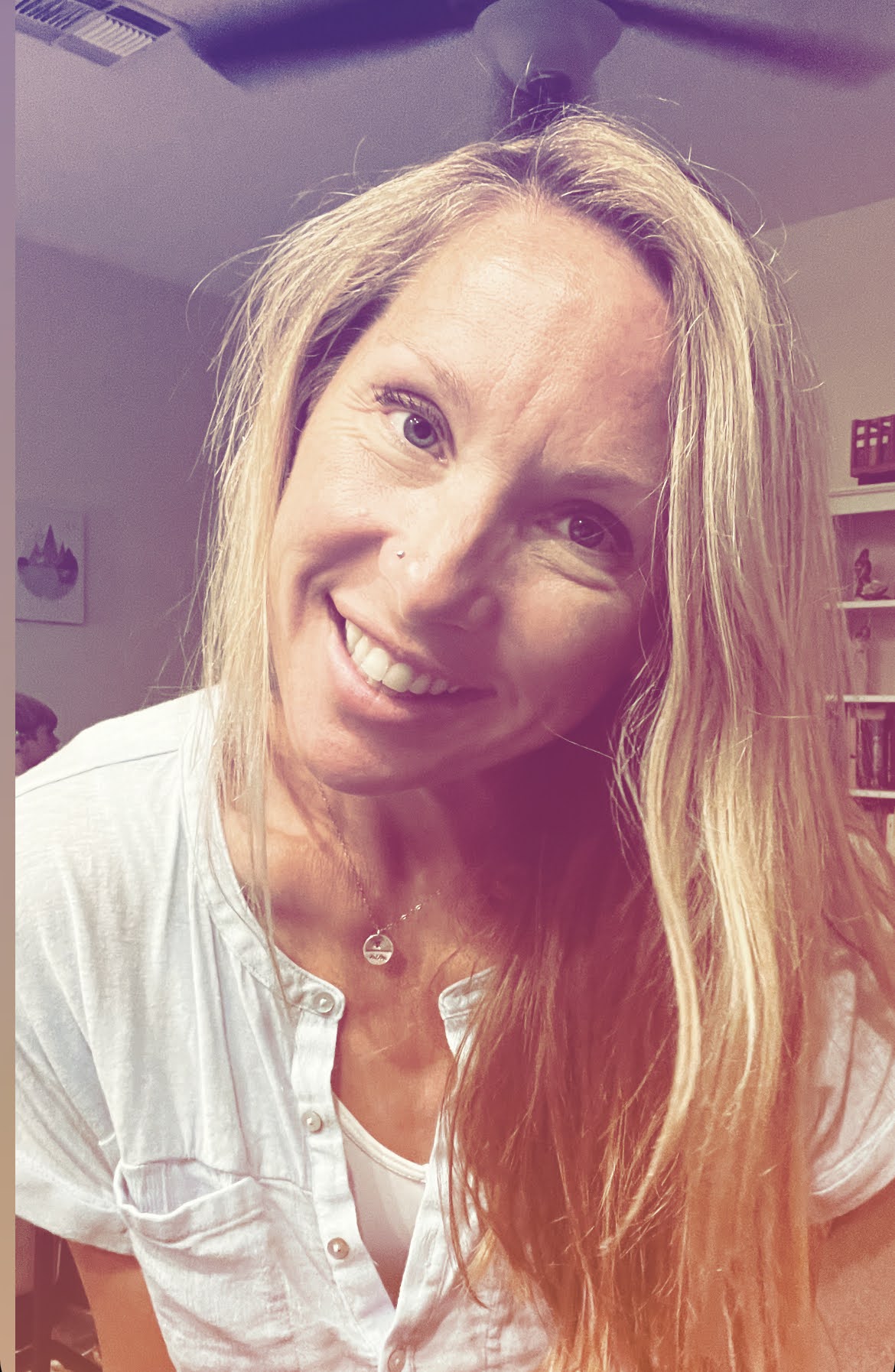
Heather Braucher is a member of the “Braucher Bunch” aka her energetic family of 5. The bunch includes her husband and their three children, all of whom are dominant and extroverted and are going to change the world (if she can keep them alive!) She has always held a passion for writing, but motherhood has given her a reason to share her experiences, heartaches, and victories with others. In her writing you will hear stories of hope as well as grief, as her family has navigated life in ministry in the US and overseas, all while discovering that 2 of her children have special needs. Her desire is to provide others with connection, understanding, encouragement and laughter, all washed with the love of Christ.

Author Jolene Philo

Archives

Categories

Subscribe for Updates from Jolene

Related Posts

How Do I Teach my Kids to Interact with People Who Have Disabilities?

How Do I Teach my Kids to Interact with People Who Have Disabilities?

How Do I Teach my Kids to Interact with People Who Have Disabilities?

“How do I teach my kids to interact with people who have disabilities?”

The question came during an interview with the hosts of the Music for the Soul podcast. While I composed an answer in my head before speaking, I also thought to myself, “What a great topic for a blog post.”

Once the interview was over, I jotted down what I’d said and added more tips as they came to mind. The tips below are geared for kids, but they can be adapted for adults who act uncomfortable around anyone with disabilities and special needs—kids, adults, and senior citizens.

  1. Model disability etiquette to your children and others. In addition to watching how you employ the tips listed below as you interact with people who have disabilities and special needs, they hear how you speak. They notice your inflection and tone of voice. They can see if you are at ease or uncomfortable, patronizing or respectful, so try to be a good role model.
  2. Talk to the person with the disability rather than to their caretaker or interpreter even if they give the answer. Doing so shows the person that you value them and want to hear from them.
  3. Start by having your child introduce herself. Once again, this conveys respect for your child’s voice and helps the person she’s talking to know who to speak with.
  4. Allow your child to ask the person about his disability. Kids are curious and uninhibited. They will bring up the disability elephant in the room that adults are too “polite” to mention.

To read the rest of How Do I Teach my Kids to Interact with People Who Have Disabilities?, go to the Key Ministry website.

Do you like what you see at DifferentDream.com? You can receive more great content by subscribing to the monthly Different Dream newsletter and signing up for the daily RSS feed delivered to your email.

Photo by Ability Ministry on Disability Is Beautiful

By

Jolene Philo is the author of several books for the caregiving community. She speaks at parenting and special needs conferences around the country. Sharing Love Abundantly with Special Needs Families: The 5 Love Languages® for Parents Raising Children with Disabilities, which she co-authored with Dr. Gary Chapman, was released in August of 2019 and is available at local bookstores, their bookstore website, and Amazon. See Jane Dance!, the third book in the West River cozy mystery series, which features characters affected by disability, was released in October of 2023.

Author Jolene Philo

Archives

Categories

Subscribe for Updates from Jolene

Related Posts

Choosing Acceptance and Advocacy as Parents of Kids with Disabilities

Choosing Acceptance and Advocacy as Parents of Kids with Disabilities

Choosing Acceptance and Advocacy as Parents of Kids with Disabilities

Choosing acceptance and advocacy as parents of kids with disabilities takes time. Today’s guest blogger, who wishes to remain anonymous, talks about making that choice as a parent many years ago and using what she learned to assist parents of her students who are struggling to make that choice today.

There’s nothing to worry about.

This ordinary statement, from the lips of the pediatrician, a few hours after my daughter’s silent birth, cut my life into two halves.

Before, I was an unsuspecting mother to be with an I-can-handle-it approach to life. A happy-go-lucky Christian woman who somehow thought faith was a shield to protect her from the worst life has to offer.

But as I absorbed this statement, somehow, in my core I knew that this pediatrician was mistaken, and so was my worldview. There definitely was something to worry about. My precious daughter was fighting for her life, and I had better start fighting for it too.

The events that transpired are another long story, but in a nutshell, our daughter was correctly re-diagnosed with EA/TEF in another hospital. Then, at three days old, she underwent a successful repair operation.

We could finally breathe again.

However, her struggles did not disappear. The months and years after her birth saw her back in hospital again and again with alarming frequency, as she coped with pneumonia, chest infections, and food blockages. Meanwhile, she struggled to swallow on a daily basis. My preconceived ideas of family life were turned upside down and inside out as I just struggled to feed her and stagger from one round of antibiotics to the next.*

So that pediatrician’s statement had well and truly thrown me into the second, more sober half of my life. 

I don’t hold any hard feelings towards him. After that surgery, I went back to the first hospital to find him. I explained the diagnosis, I hope, kindly. He had not read my medical notes which stated I had polyhydramnios (too much amniotic fluid) during my pregnancy. I later learned this was a warning sign of EA/TEF.

Fast forward 19 years and here I am, an Early Years Teacher. Sometimes this job entails the unenviable task of conveying difficult messages to parents.

  • Have you noticed anything unusual about your son’s development in comparison to that of his brother?
  • Have you considered a hearing test?
  • I would like to suggest you consider an assessment for your child.

These words, even when delivered with as much sensitivity as a teacher can muster, can be met with resistance and even anger. I have experienced more than once that, as the teacher, I can be the target of the anger.

I understand this.

Our daughter’s diagnosis meant that acceptance was thrust upon us in that moment. EA/TEF is a physical issue making swallowing impossible without surgery. Despite the challenges, we were able to move on towards coping with the situation by first accepting it. Other diagnoses can be more nuanced, more open to interpretation. Acceptance can sometimes be put off for a while.

Author Jocelyn Soriano says, “Acceptance is the shortest route to peace.”

  • Accepting that your child might be neurodivergent.
  • Accepting that your child might have extra physical challenges.
  • Accepting that we sometimes need, as Jolene has shown us, a different dream for our child.

Professionals might not always be sensitive or even right. But some of us do know the weight of our words. We know they have the power to cut a life into two halves. We do not speak for the fun of it. We speak out of necessity and in the best cases, with compassion.

These words are an uncomfortable but essential invitation to acceptance. 

So, if you are struggling with something a doctor or teacher has told you, don’t waste time or energy focusing on what the professional said or did. Choosing acceptance and advocacy as parents of kids with disabilities will help your family move forward. Your child needs your focus and energy to be on them. So be courageous. Find out the truth, accept it, and fight for your child.

*Everyone’s journey is different, but for us, life didn’t stay in that dark place forever. With the help of Christian friends and family, we slowly came through it. We are thankful that now our daughter is now an independent woman who lives a full life and can’t remember the last time she was on antibiotics.

Do you like what you see at DifferentDream.com? You can receive more great content by subscribing to the monthly Different Dream newsletter and signing up for the daily RSS feed delivered to your email.

Photo by Bekah Russom on Unsplash

By

The author of this post wishes to remain anonymous.

Author Jolene Philo

Archives

Categories

Subscribe for Updates from Jolene

Related Posts

When Parents of Kids with Disabilities Get Ahead of Themselves

When Parents of Kids with Disabilities Get Ahead of Themselves

When Parents of Kids with Disabilities Get Ahead of Themselves

When parents of kids with disabilities get ahead of themselves—and let me be clear, I’m speaking from personal experience here—they remind me of Jodi, a kindergartener I taught long, long ago. 

She was the daughter of a family friend, and I’d known her since she was three. She was a bright, curious, articulate, organized, and driven preschooler. Before she set foot in my classroom, I knew she would be hard to keep up with once she got there.

The first day of school, I showed Jodi where to put her lunch box and tried to lead her into the classroom. She planted her little feet and looked me in the eye.

“What happens first today?” she asked.

“You put your school supplies in your desk.” I replied.

“Then what?”

“We’ll say the pledge.”

She waved my answer away. “No, not that. What are we learning first?”

“Oh,” I said. “Reading.”

“What happens during reading?”

I gave her my Cliff Notes version after which she asked, “Then what?”

“Recess,” I said.

“And after that?”

“Math.”

“What’s math?”At this point I put a stop to her grilling by saying, “Jodi, you’re getting ahead of yourself. You need to trust me to explain what comes next when the time is right. Now find your desk and unpack your school supplies.”

Grim-faced, she went to her desk and did as I’d asked. By the end of the day, she had experienced everything she’d wanted to know before school began. Her parents later told me she had an emotional meltdown after school and fell asleep during supper. Which goes to show that bright, curious, articulate, organized, and driven five-year-olds are still just five years old.

A few years later, our son was born and diagnosed with EA/TEF. Immediately after receiving the diagnosis, I prayed, “God,” I asked, “what happens next?”

He answered when the diagnosing doctor said our son should be life-flighted to a university hospital almost a thousand miles away for immediate surgery. In the intervening two days, I aimed a barrage of questions at God.

Click here to read the rest of When Parents of Kids with Disabilities Get Ahead of Themselves at the Key Ministry blog for parents.

Do you like what you see at DifferentDream.com? You can receive more great content by subscribing to the monthly Different Dream newsletter and signing up for the daily RSS feed delivered to your email.

Photo by Edi Libedinsky on Unsplash

By

Jolene Philo is the author of several books for the caregiving community. She speaks at parenting and special needs conferences around the country. Sharing Love Abundantly With Special Needs Families: The 5 Love Languages® for Parents Raising Children with Disabilities, which she co-authored with Dr. Gary Chapman, was released in August of 2019 and is available at local bookstores, their bookstore website, and Amazon. See Jane Dance!, the third book in the West River cozy mystery series, which features characters affected by disability, was released in October of 2023.

Author Jolene Philo

Archives

Categories

Subscribe for Updates from Jolene

Related Posts

Lord, I Don’t Understand… But I Trust You

Lord, I Don’t Understand… But I Trust You

Lord, I Don’t Understand… But I Trust You


“Lord, I don’t understand… but I trust you.” Have you ever told God you don’t understand the challenges he puts in the life of your child with disabilities? Have you ever wondered how to move from not understanding Him to trusting Him? In this post guest blogger Sandy Ramsey-Trayvick offers an answer that may surprise you and give you hope.

As special needs parents, we can experience so many circumstances with our kids that we didn’t expect or don’t understand. When the diagnosis comes; or when the prognosis is difficult; or when we’re being bombarded with bad news, it can be so easy to succumb to disappointment. We don’t understand why God allowed this or why He didn’t do that. We’re faced with disappointment again when we expect God to show up in a certain way at a certain time or do a certain thing, and He doesn’t. We’re disappointed and confused and we don’t understand.

We may wrestle with how to reconcile our unmet expectations and desires with our beliefs about what a faithful, trustworthy God would do—should do—in those situations. If we’re not careful, we can begin to quietly—in our hearts—correlate our circumstances to the character of God. We start to wonder whether or not God is faithful or good or… something else. Rather than taking our disappointments and questions directly to the Lord, we may suppress or hide those feelings. Meanwhile, as our disappointments and questions remain unaddressed, our hearts are quietly hardening towards God.

Some of us may have been taught to not question God. That to do so was dishonoring to Him or indicative of a lack of faith or maturity. As a result, we allow our unspoken questions and deep disappointments to lead our hearts and trust away from God rather than us leading those same questions and disappointments to the only One who can answer them.

The truth is that God not only allows our questions, He welcomes them. God wants to hear our questions and disappointments. (He already knows we have them.) Sharing them with Him invites a dialogue—a conversation.

Over time, honest conversation builds an authentic, intimate relationship. It invites friendship with God, which leads to trust. We learn to trust Him because we’ve spent time with Him and we know Him. Not because our circumstances are perfect or because we understand or even like everything He’s doing, but because we know Him.

I heard someone say that, when God doesn’t answer her prayers or show up in the way that she’d hoped, she’s learned to start telling herself, “God must be up to something.” This perspective, she admitted, was born out of her relationship with God. From spending time talking and listening to the Lord. Getting to know Him, His character, His ways, and His love for her.

What if we adopted that same mindset? A perspective that says, “When God doesn’t do what I’d hoped or expected, rather than doubting or losing hope, I choose to believe that God must be up to something. Something bigger. Something better. Something that I don’t know to ask Him for yet.” This would mean choosing to trust Him in spite of things we don’t understand. It means believing that, despite my disappointment, He is still for me. It means choosing to not make assumptions about His motives that don’t line up with His character.

It’s a mindset that comes from being in a relationship with Him.

It enables us to make the leap from “Lord, I don’t understand” to “but I trust You.”

Relationship.

Do you like what you see at DifferentDream.com? You can receive more great content by subscribing to the monthly Different Dream newsletter and signing up for the daily RSS feed delivered to your email.


By

Sandy and her husband are parents to three young adult children. Their son was diagnosed with multiple disabilities 24 years ago after a devastating illness as a toddler. Following her son’s diagnosis, Sandy quit her job to become his full-time caregiver and advocate.

Sandy is currently a Certified Professional Coach. Her focus is to empower special needs parents who are feeling weary by helping them to renew their hope and strength and reactivate their joy.

You can learn more about Sandy and her work at www.UNDisabledLIVES.org. You can also reach her at Sandy@UNDisabledLIVES.org.

Author Jolene Philo

Archives

Categories

Subscribe for Updates from Jolene

Related Posts

A Valentine’s Day Love Story

A Valentine’s Day Love Story

A Valentine’s Day Love Story

A Valentine’s Day love story, if present day culture is to be believed, is all about candlelit dinners, chocolates, diamonds, and declarations of undying devotion. This Valentine’s Day love story is about loving a little boy who lives with anxiety, ADHD, and high-functioning autism just as he is.

“Grammy,” said our 8-year-old grandson Tad when he entered our kitchen. “Someone did something terrible in the bathroom. Come see.”

His little sister followed us into the bathroom where thick rivulets of hand soap ran down the mirror above the sink. The sister denied having had anything to do with it. Another look at the miserable expression on my grandson’s face, and I sent her out of the room.

“Did you do this, Tad?”

“Yes,” he said with tears in his eyes.

“Why did you lie?”

He began to cry. “Because I didn’t want you to get mad at me. Are you mad at me Grammy?”

“I’m not mad at you, Tad.” I hugged him. He hugged back. “Just disappointed. Mostly because you lied, and it’s hard to trust someone who lies. You know that, right?”

He nodded.

“Let’s clean this up together.”

We talked while mopping hand soap off of the counter, the faucet, the sides of the vanity cabinet, and the wall.

“What made you do it?” I asked.

“My mind quit working, and I couldn’t stop.”

“Did you know what you were doing was wrong?”

His lip trembled. “Yes, but the naughty part of me took over.”

I took a few seconds to decide what to say. “Everybody, even grownups, has to fight against choosing naughty things. The only human who chose the right way every time was Jesus. He did it because he was completely human and also completely God. You’re not Jesus and neither am I. We’re humans who choose to be naughty sometimes, and Jesus still loves us.”

To read the rest of A Valentine’s Day Love Story, visit the Hope Anew website.

Do you like what you see at DifferentDream.com? You can receive more great content by subscribing to the monthly Different Dream newsletter and signing up for the daily RSS feed delivered to your email.

Photo by Victoria Aleksandrova on Unsplash

By

Jolene Philo is the author of several books for the caregiving community. She speaks at parenting and special needs conferences around the country. Sharing Love Abundantly With Special Needs Families: The 5 Love Languages® for Parents Raising Children with Disabilities, which she co-authored with Dr. Gary Chapman, was released in August of 2019 and is available at local bookstores, their bookstore website, and Amazon. See Jane Dance!, the third book in the West River cozy mystery series, which features characters affected by disability, was released in October of 2023.

Author Jolene Philo

Archives

Categories

Subscribe for Updates from Jolene

Related Posts