Special Needs Grandparenting: The First Word Is Never the Last Word

Special Needs Grandparenting: The First Word Is Never the Last Word

Special Needs Grandparenting: The First Word Is Never the Last Word

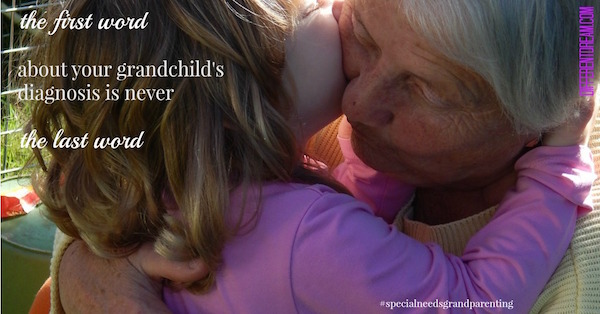
Thanks for stopping by DifferentDream.com for the next installment of our series about special needs grandparenting. Guest blogger Kimberly Drew is here to share some lessons her mother has learned as grandparent to Abbey, Kimberly’s daughter with special needs.

Special Needs Grandparenting:
The First Word Is Never the Last Word

A year or so ago, I asked my mom to answer some questions as if she was sitting across the room having coffee or tea with another grandmother who just found out their grandchild was disabled. I wanted to share with you some highlights of that conversation. If you are a grandparent in this situation, I hope you are encouraged.

Special Needs Grandparenting Fears

My mom shared that she had grown up with a deaf sister. Therefore, she wasn’t so fearful of Abbey’s hearing loss because there was a close association with memories of her sister. Rather, her fears were for Abbey’s mind and physical abilities. She says, “It continues to evolve as a new normal for Abbey and our family. I was especially glad our prayers were answered that Abbey can walk.”

Having had many conversations with my mom about Abbey’s disabilities, she wants you to know that. Miracles happen every day, and my mom still prays for that after thirteen years. I need her realistic understanding of what we are going through, but I also need her hope that it won’t be as scary as we think it might be.

Special Needs Grandparenting Lessons

When we talked about what some of the hardest things have been are, she said, “Seeing other girls without disabilities sometimes makes me feel sad for Abbey. On the other hand, when you see a four-year-old girl throwing an absolute fit in a store over not getting their way and your disabled four year old granddaughter is happily strolling through the store, you are in that moment, somewhat thankful she is not the other girl.” My mom has commented many times on how happy Abbey is, and how glad she is that Abbey won’t suffer great heartbreak or loss like the rest of the world.

Special Needs Grandparenting Blessings

There are other unexpected blessings that come with having a disabled grandchild. My mom especially said that she would want to tell you to appreciate the strong family and extended family bond that a child’s disability can bring.

She has also learned how to be a better friend. She shares, “My friend Barbara chose to come to me when she found out her grandson was born with Down Syndrome. She sobbed on my shoulder and said no one would understand like I would. And after a good cry we celebrated his life and his new normal. Three years later she is filled with joy when she talks about him.” I know she would encourage you to find a friend who can understand what your family is going through, and to be a friend when someone gets a new diagnosis. Her bond with Barb has deepened as they share this journey together.

Special Needs Grandparenting Advice

Last, I asked her what advice she would give to me. I was really touched by her words. She was very adamant, “You are my child…I celebrate your joys and share your sorrows. Share your joys with me and don’t spare me your sorrows.”

Be sure to communicate this to your own adult children. I know it will mean the world to them, because it did to me.

Your Special Needs Parenting Experience?

What’s your experience as the grandparent of a child with special needs? What have you learned from your parents as they interact with your child who has special needs? Share them in the comment box.

Part 1: Different Dream’s Special Needs Grandparenting Series Begins
Part 2: Special Needs Grandparenting 101
Part 3: Special Needs Grandparenting–The First Word Is Never the Last Word
Part 4: The Special Needs Grandparenting Tug of War
Part 5: Special Needs Grandparents Are Part of the Village
Part 6: What’s It Like to Be a Special Needs Grandparent?
Part 7: From a Special Needs Grandpa

Do you like what you see at DifferentDream.com? You can receive more great content by subscribing to the quarterly Different Dream newsletter and signing up for the daily RSS feed delivered to your email inbox. You can sign up for the first in the pop up box and the second at the bottom of this page.
By

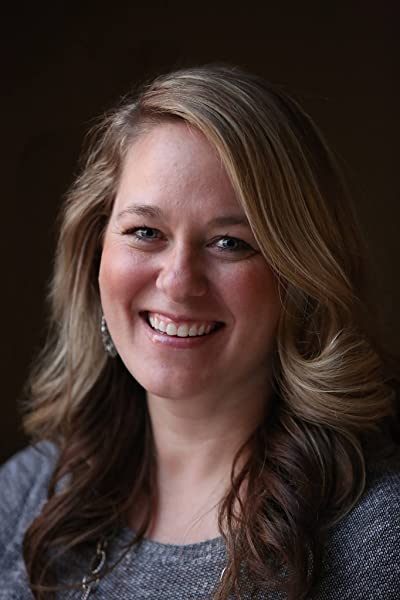
Kimberly grew up and went to college in the small town of Upland, IN. She graduated from Taylor University with a degree in Elementary Education in 2002. While at TU, she married her college sweetheart and so began their adventure! Ryan and Kimberly have four amazing kids on earth (Abigail, Jayden, Ellie, and Cooper), and a baby boy waiting for them in heaven. Their daughter Abigail (Abbey) has multiple disabilities including cerebral palsy, a seizure disorder, hearing loss, microcephaly, and oral dysphagia. She is the inspiration behind Kimberly’s  desire to write. In addition to being a stay at home mom, Kimberly has been serving alongside her husband in full time youth ministry for almost fourteen years. She enjoys working with the senior high girls, scrapbooking, reading, and music. You can visit Kimberly at her website, Promises and Perspective.

Author Jolene Philo

Archives

Categories

Subscribe for Updates from Jolene

Related Posts

Music Can Ease Pediatric Pain

Music Can Ease Pediatric Pain

Music Can Ease Pediatric Pain

You know how when your child is in the hospital and in pain, we turn into mama or papa tigers and demand the docs and nurses do something about it? Well, a recent study unearthed another way parents can make their kids’ owies less ouchy.

Listening to Music and Stories Eases Pediatric Pain

A National Public Radio story described the study as follows:

The study involved 60 patients between 9 and 14 years old. All the patients were undergoing big operations that required them to stay in the hospital for at least a couple of days, things like orthopedic, urologic, or neurological surgery. Right after surgery, patients received narcotics to control pain. The next day they were divided into three groups. One group heard 30 minutes of music of their choice, one heard 30 minutes of stories of their choice, and one listened to 30 minutes of silence via noise canceling headphones.

And here’s what the study found:

After a 30-minute session, the children who listened to music or a book reduced their pain burden by 1 point on a 10-point scale compared to the children who listened to silence. That might not sound like much, but Sunitha Suresh says it’s the equivalent of taking an over-the-counter pain medication like Advil or Tylenol.

You will find the complete story and links to more information at To Ease Pain, Reach for Your Playlist to read or listen. And before the next trip to a children’s hospital with your child, load your phone, tablet, or iPod with lots of good listening!

What Do You Think of the Findings?

What do you think of the study and its findings about easing pediatric pain? Has listening to music or stories helped you or your child deal with pain after surgery? Leave a comment.

Do you like what you see at DifferentDream.com? You can receive more great content by subscribing to the quarterly Different Dream newsletter and signing up for the daily RSS feed delivered to your email inbox. You can sign up for the first in the pop up box and the second at the bottom of this page.

By

Jolene Philo is the author of the Different Dream series for parents of kids with special needs. She speaks at parenting and special needs conferences around the country. She’s also the creator and host of the Different Dream website. Sharing Love Abundantly With Special Needs Families: The 5 Love Languages® for Parents Raising Children with Disabilities, which she co-authored with Dr. Gary Chapman, was released in August of 2019 and is available at local bookstores, their bookstore website, and at Amazon.

Author Jolene Philo

Archives

Categories

Subscribe for Updates from Jolene

Related Posts

Why Pediatric X-Rays Aren’t Something to Laugh About

Why Pediatric X-Rays Aren’t Something to Laugh About

Why Pediatric X-Rays Aren’t Something to Laugh About

Like so many other parents of kids with special needs, I have a good sense of humor. Not because I’m innately funny but because, like as so many other parents in the special needs community have learned, humor is a powerful coping mechanism. Much as we like to laugh, not many of us found an IJReview website post about a contraption used for pediatric x-rays very funny. Even though the post was tagged in the categories of health, humor, and weird news.

Why Pediatric X-Ray Pictures Aren’t Funny to Me

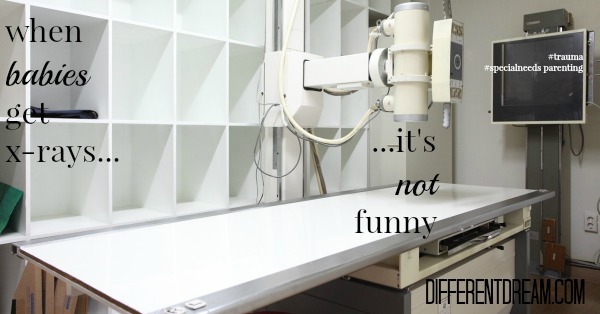
The pictures on the site, all of them with tongue-in-cheek captions, brought back memories of one of my hardest nights ever as a mom. Our five-month-old’s feeding tube was looking funky, so we rushed him to the Rapid City hospital (120 miles from home). When we got there, the Rapid City Regional Hospital was in the middle of its move from an old, outdated building to a brand spanking new one. All but one of the rad techs was moving equipment to the new hospital. So the tech showed me how to strap my baby into the contraption featured in the IJReview pictures.

My son screamed hysterically throughout the procedure, which the tech said was good because his lungs would inflate and produce a better x-ray. My burning memory is of my son sobbing and looking accusingly at me, his mommy who was supposed to protect him, strapping him into a cold, hard contraption and walking away. Never mind that Mommy came back and calmed him down. That memory is trapped deep inside both mother and son forever.

With that in mind, here are 3 reasons pediatric x-rays shouldn’t be funny. To anyone. Ever.

3 Reasons Why Pediatric X-Rays Aren’t Funny

    1. Pediatric x-rays are only ordered if the doctor thinks something is very amiss for a child–serious injury or illness amiss. That’s not funny.
    2. Pediatric x-rays are traumatic for children. Contrary to popular belief, children do remember very early memories like pediatric x-rays. Those memories can contribute to mental health conditions like PTSD and anxiety later on in life.
    3. Pediatric x-rays and other pediatric medical procedures can be traumatic for parents as Different Dream’s recent series about PTSD in parents of kids with special needs shows.

What to Do Instead of Laughing at Pediatric X-Rays

Instead of laughing at pictures of pediatric x-rays and videos parents need to become educated about how to prepare children for pediatric x-rays and how to process and diffuse any resulting trauma for both child and parent. The last two chapters of Does My Child Have PTSD? (Familius, October 2015) address those issues in detail. The book also contains lists of resources so parents can find professional treatment for their children, if need be.

What’s Your Experience with Pediatric X-Rays?

What pediatric x-ray experiences have you and your child had? You are welcome to share them in the comment box, along with ideas about how to make the experience less scary for kids. Thanks!

Do you like what you see at DifferentDream.com? You can receive more great content by subscribing to the quarterly Different Dream newsletter and signing up for the daily RSS feed delivered to your email inbox. You can sign up for the first in the pop up box and the second at the bottom of this page.

By

Jolene Philo is the author of the Different Dream series for parents of kids with special needs. She speaks at parenting and special needs conferences around the country. She’s also the creator and host of the Different Dream website. Sharing Love Abundantly With Special Needs Families: The 5 Love Languages® for Parents Raising Children with Disabilities, which she co-authored with Dr. Gary Chapman, was released in August of 2019 and is available at local bookstores, their bookstore website, and at Amazon.

Author Jolene Philo

Archives

Categories

Subscribe for Updates from Jolene

Related Posts

Special Needs Grandparenting 101

Special Needs Grandparenting 101

Special Needs Grandparenting 101

Today Different Dream welcomes guest blogger Kathy Guzzo. She’s back today with advice for grandparents of kids with special needs. She recommends these 4 basic skills for grandparents who want to support their adult children and be involved in the lives of their grandchildren with special needs.

Special Needs Grandparenting 101

Many times I’ve wished for a manual or a how to class available at specific times in my life. It would’ve been amazing to be handed a “how to be married” manual after we said our ‘I dos.’ Or if we’d been given a manual for each child as we left the hospital covering every aspect of parenthood. I can only assume that those manuals could prevent many foreseeable problems. Unfortunately, manuals like that don’t exist so we all attend the school of hard knocks, better known as experience. Not always the easiest way to learn, but usually the most effective.

Like everything else, special needs grandparenting doesn’t come with a manual. It too is learned through experience. However, being a positive role model as a grandparent to special needs children requires more than experience. It requires knowledge, understanding, involvement, and love.

Basic Skill #1: Knowledge

Because they’ve lived for decades, grandparents have plenty of knowledge, yet most are unfamiliar with special needs diagnoses. Terms such as autism, ADHD, PTSD, IEP, PT, behavior specialist, speech therapy, and chronic illness are like a foreign language to us. Taking the initiative to learn about a grandchild’s uniqueness is a huge step in playing a role in that child’s life. However, a know-it-all attitude isn’t the answer either. We should seek the knowledge for ourselves, not to push it on others.

Basic Skill #2: Understanding

With knowledge comes a better ability to understand the physical and emotional needs of the family. The ability to recognize the stressors a child with special needs brings to the family, to realize the severity of the diagnosis, to appreciate the long term prognosis, and to begin to grasp the numerous ways available to help makes the situation better for everyone.

Basic Skill #3: Involvement

The ability to understand not only results in a desire to be involved, but also willingness to do whatever it takes to contribute positively to the family. This could be anything from participating in therapy sessions, attending doctor’s appointments, cooking meals, giving the parents a much needed break, or being a listening ear. Involvement doesn’t mean creating our own agenda for what we think is best for the family. Involvement requires respect with a servant’s heart.

Basic Skill #4: Love

The more grandparents are involved with our grandchildren with special needs, the more their love for us will be apparent. Love without expectation, but filled with acceptance; love that builds up and doesn’t tear down; love without the need for acknowledgment, but a desire to quietly give; love that’s willing to dream appropriate dreams for our grandchildren.

The role of grandparent isn’t always easy to define, but if the mind and heart are open to knowledge, understanding, involvement, and love, the impact we can have on the lives of our special needs grandchildren is immeasurable. And the love and appreciation we receive in return will truly be priceless.

What Special Needs Grandparenting Basic Skills Would You Add to the Syllabus?

Are there some other basic skills you recommend grandparents master to become involved in their grandchildren’s lives? Share them in the comment box!

Part 1: Different Dream’s Special Needs Grandparenting Series Begins
Part 2: Special Needs Grandparenting 101
Part 3: Special Needs Grandparenting–The First Word Is Never the Last Word
Part 4: The Special Needs Grandparenting Tug of War
Part 5: Special Needs Grandparents Are Part of the Village
Part 6: What’s It Like to Be a Special Needs Grandparent?
Part 7: From a Special Needs Grandpa

Do you like what you see at DifferentDream.com? You can receive more great content by subscribing to the quarterly Different Dream newsletter and signing up for the daily RSS feed delivered to your email inbox. You can sign up for the first in the pop up box and the second at the bottom of this page.

By

Kathy Guzzo and her husband live in Northern Illinois and have 4 adult children. One of her daughters was diagnosed with lupus and Epstein Barr Replication as a young adult. Another began struggling with depression and OCD in her mid-twenties. She understands the need for her daughters to be able to make their own decisions regarding their health, but the nurturer in her sometimes has a hard time letting go. She desires to direct others to the peace and hope that God has abundantly available for them.

Author Jolene Philo

Archives

Categories

Subscribe for Updates from Jolene

Related Posts

Different Dream’s Special Needs Grandparenting Series Begins

Different Dream’s Special Needs Grandparenting Series Begins

Different Dream’s Special Needs Grandparenting Series Begins

A couple months back, Different Dream conducted a survey for grandparents of kids with special needs. They were asked what types of special needs grandparenting posts they would like to see. They said they would like to see…

  • More inspirational and encouraging posts
  • More how to posts
  • More personal stories from other grandparents
  • More posts that offer spiritual support

…in that order.

What to Expect in the Special Needs Grandparenting Series

Jolene and other special needs parents will share their experiences in the series. Different Dream has lined up some grandparents of kids with special needs to share their perspective, too. Come back next week for the next post in the series about special needs grandparenting.

Part 1: Different Dream’s Special Needs Grandparenting Series Begins
Part 2: Special Needs Grandparenting 101
Part 3: Special Needs Grandparenting–The First Word Is Never the Last Word
Part 4: The Special Needs Grandparenting Tug of War
Part 5: Special Needs Grandparents Are Part of the Village
Part 6: What’s It Like to Be a Special Needs Grandparent?
Part 7: From a Special Needs Grandpa

Do you like what you see at DifferentDream.com? You can receive more great content by subscribing to the quarterly Different Dream newsletter and signing up for the daily RSS feed delivered to your email inbox. You can sign up for the first in the pop up box and the second at the bottom of this page.

By

Jolene Philo is the author of the Different Dream series for parents of kids with special needs. She speaks at parenting and special needs conferences around the country. She’s also the creator and host of the Different Dream website. Sharing Love Abundantly With Special Needs Families: The 5 Love Languages® for Parents Raising Children with Disabilities, which she co-authored with Dr. Gary Chapman, was released in August of 2019 and is available at local bookstores, their bookstore website, and at Amazon.

Author Jolene Philo

Archives

Categories

Subscribe for Updates from Jolene

Related Posts

10 Summer Reading Tips for Kids with Special Needs

10 Summer Reading Tips for Kids with Special Needs

10 Summer Reading Tips for Kids with Special Needs

The middle of July. The time when the novelty of summer has worn off and getting the kids to read gets harder and harder. These 10 summer reading tips make it easier to keep kids with special needs reading all summer long.

10 Summer Reading Tips for Kids with Special Needs

Tip #1: Be Consistent

Most kids with special needs love structure. They crave routine. So try to read in the same time and place every day.

Tip #2: Read Short Segments

Break the story down into small segments. Discuss each segment once it’s been read. Ask questions like these: Who are the characters in this story? Where does this story take place? What do you think might happen next?

Tip #3: Count the Pages or Paragraphs

To motivate kids to move on to short chapter books, count and record the number of pages read on an index card at the end of reading time. Or consider each paragraph as an achievement and count those.

Tip #4: Relate the Story to Real Life

Story details are easier for kids to understand if they relate to their lives. So select books with characters, stories, or places similar to your child’s experiences. When reading together, ask questions like these: Does this remind you of something? Have you ever felt that way? Have you ever gone to a place like that? What did you do when you were there?

Tip #5: Use All Five Senses

Children with special needs often learn by by using multiple senses. So listen to an audio version while following along on the written page. This gives them the ability to “see” the text and to “hear” it at the same time. If a book is on DVD, act out the story along with the characters on the screen.

Tip #6: Use Art to Reinforce the Story

Make construction paper cutouts of scenes from the book, color pictures that depict events in the plot, or make figures out of clay or play-dough to reinforce what’s been read.

Tip #7: Use Repetition.

Reading the same story nightly or reread certain segments to clarify what happened. Repeat the story together at bedtime to establish the story in a child’s mind and improve comprehension.

Tip #8: Stop Reading

If a book doesn’t capture your attention or your child’s, stop reading it. Otherwise the desire to read may dwindle completely.

Tip #9: Read Paper Books

Paper books are less distracting then a Kindle, Nook, or iPad. So stick with paper books whenever possible.

Tip #10: Read with Your Kids

Offer to buy members of your family a book a month. Make the selections together and then read one another’s books (or read them aloud together) and discuss them.

Do you like what you see at DifferentDream.com? You can receive more great content by subscribing to the quarterly Different Dream newsletter and signing up for the daily RSS feed delivered to your email inbox. You can sign up for the first in the pop up box and the second at the bottom of this page.

By

Jolene Philo is the author of the Different Dream series for parents of kids with special needs. She speaks at parenting and special needs conferences around the country. She’s also the creator and host of the Different Dream website. Sharing Love Abundantly With Special Needs Families: The 5 Love Languages® for Parents Raising Children with Disabilities, which she co-authored with Dr. Gary Chapman, was released in August of 2019 and is available at local bookstores, their bookstore website, and at Amazon.

Author Jolene Philo

Archives

Categories

Subscribe for Updates from Jolene

Related Posts