Jolene explains the revelation she had about interpreting feelings as a special needs parent: emotions are information.
Emotions Are Information: A New Way to View and Interpret Big Feelings
Emotions Are Information: A New Way to View and Interpret Big Feelings
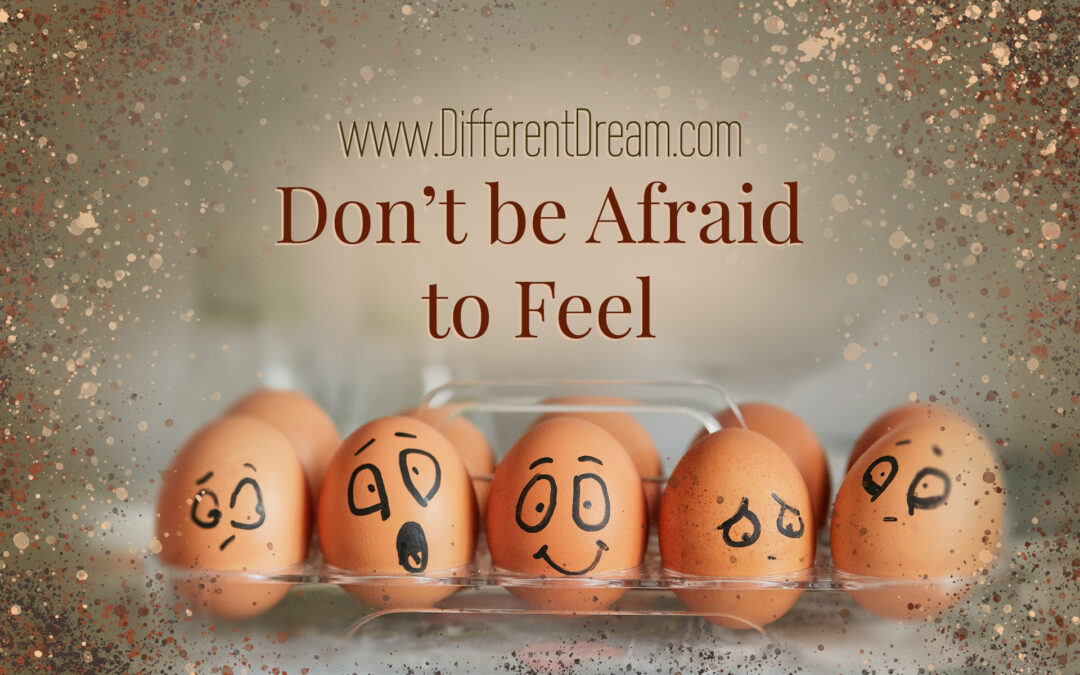
Emotions are information.
I was astounded when Margaret Vasquez, the therapist conducting a virtual workshop for parents about trauma-proofing kids, made that statement. Ever since her August workshop, I’ve been chewing on what she said. Thinking about the impact those three words have changed the way I now perceive my big feelings. About how those words could do the same for other parents raising kids with disabilities.
So bear with me as I attempt to unpack what Margaret meant when she said, “Emotions are information” and explain what that means for us as we parent kids with disabilities and special needs.
Margaret explained that emotions aren’t who we are. Rather, they are similar to physical sensations. When we feel something hot, cold, sharp, or painful, our bodies are alerting us to approach with caution something in our environment. When we feel emotions—big and small—our mind is alerting us to something internal that deserves our attention.
Her explanation was a revelation to a midwesterner like me. I grew up in a culture uncomfortable with displays of emotion—not only negative ones, but positive ones like joy, delight, and happiness.
As children, my siblings and I were not allowed to acknowledge the grief we felt as multiple sclerosis ravaged our Dad’s body and mind. As the young mom to a son who endured numerous surgeries and invasive medical procedures, I thought being a good mother to my child meant stuffing down the fear and grief, the anger and guilt I felt in order to concentrate on meeting his emotional and physical needs.
Yet here was Margaret saying that my emotions—and yours—were information designed to show us a better way to respond to them. By recognizing what our fear, anger, guilt, grief, shame, and a sense of abandonment are telling us, we can respond in healthy rather than unhealthy ways.
To read the rest of Emotions are Information, click here to visit the Key Ministry blog for parents.
Do you like what you see at DifferentDream.com? You can receive more great content by subscribing to the monthly Different Dream newsletter and signing up for the daily RSS feed delivered to your email.
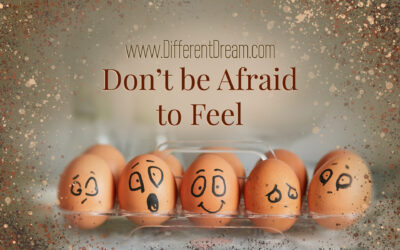
Photo by Oleg Moroz on Unsplash
By
Jolene Philo is the author of several books for the caregiving community. She speaks at parenting and special needs conferences around the country. Sharing Love Abundantly with Special Needs Families: The 5 Love Languages® for Parents Raising Children with Disabilities, which she co-authored with Dr. Gary Chapman, was released in August of 2019 and is available at local bookstores, their bookstore website, and Amazon. See Jane Dance!, the third book in the West River cozy mystery series, which features characters affected by disability, was released in October of 2023.
Author Jolene Philo

Subscribe for Updates from Jolene
Related Posts
Emotions Are Information: A New Way to View and Interpret Big Feelings
read more

The Physical Manifestations of Grief in Caregivers
Jolene explains how the heaviness of loss and sorrow can contribute to the physical manifestations of grief in caregivers.

Caring for our Bodies to Meet the Needs of Those We Love
Guest blogger Heather Braucher explains how caring for our bodies can meet the needs of those we love as well as our own.