Communicating Your Child’s Love Language to Educators

Communicating Your Child’s Love Language to Educators

Communicating Your Child’s Love Language to Educators

Communicating your child’s love language to educators is a simple way to cultivate a good teaching and learning relationship between them. Many of the caregiving parents interviewed for Sharing Love Abundantly in Special Needs Families: The 5 Love Languages for Parents Raising Children with Disabilities explained how they do it. In chapter 9 of Sharing Love Abundantly in Special Needs Families several of them stressed the importance of “translating” the love languages into educational jargon. Here are a few examples.

  • Instead of saying “My child responds best to words of affirmation,” say “My child responds well to positive reinforcement.”
  • Instead of saying “My child’s love language is physical touch,” say “My child loves getting high fives when he does something well.”
  • Instead of saying “My child’s love language is gifts,” say “My child responds well to applied behavioral analysis (ABA).”

More ideas about communicating your child’s love language to educators, such as how to make them part of a child’s IEP or 504 plan, can be found in chapter 9 of Sharing Love Abundantly in Special Needs Families. Research shows that kids who feel loved and welcome at school are better able to learn. Why not use the love languages to make their school days happier and more productive?

Links to other articles in this series:

The Love Languages and Special Needs Families: A Good Combination

Basic Love Language Concepts to Ease Stress and Increase Joy in Caregiving Families

Threats to Caregiving Marriages and How To Fight Them 

Love Is a Child’s First Language

Determining the Love Language of a Child with Special Needs or a Disability 

Ways to Speak Words of Affirmation and Quality Time to Kids with Special Needs 

Ways To Speak Gifts and Acts of Service to Kids with Special Needs 

Speaking Healthy Physical Touch to Kids with Special Needs

Using the Love Languages with Siblings of Kids with Special Needs and Disabilities 

Extended Family Members Can Use the Love Languages to Encourage Caregiving Parents

Communicating Your Child’s Love Language to Medical Professionals

Do you like what you see at DifferentDream.com? You can receive more great content by subscribing to the monthly Different Dream newsletter and signing up for the daily RSS feed delivered to your email.

By

Jolene Philo is the author of the Different Dream series for parents of kids with special needs. She speaks at parenting and special needs conferences around the country. She’s also the creator and host of the Different Dream websiteSharing Love Abundantly With Special Needs Families: The 5 Love Languages® for Parents Raising Children with Disabilities, which she co-authored with Dr. Gary Chapman, was released in August of 2019 and is available at local bookstores, their bookstore website, and at Amazon.

Author Jolene Philo
Archives

Categories

Subscribe for Updates from Jolene

Related Posts

Impacting Lives for the Kingdom of God

Impacting Lives for the Kingdom of God

Impacting Lives for the Kingdom of God

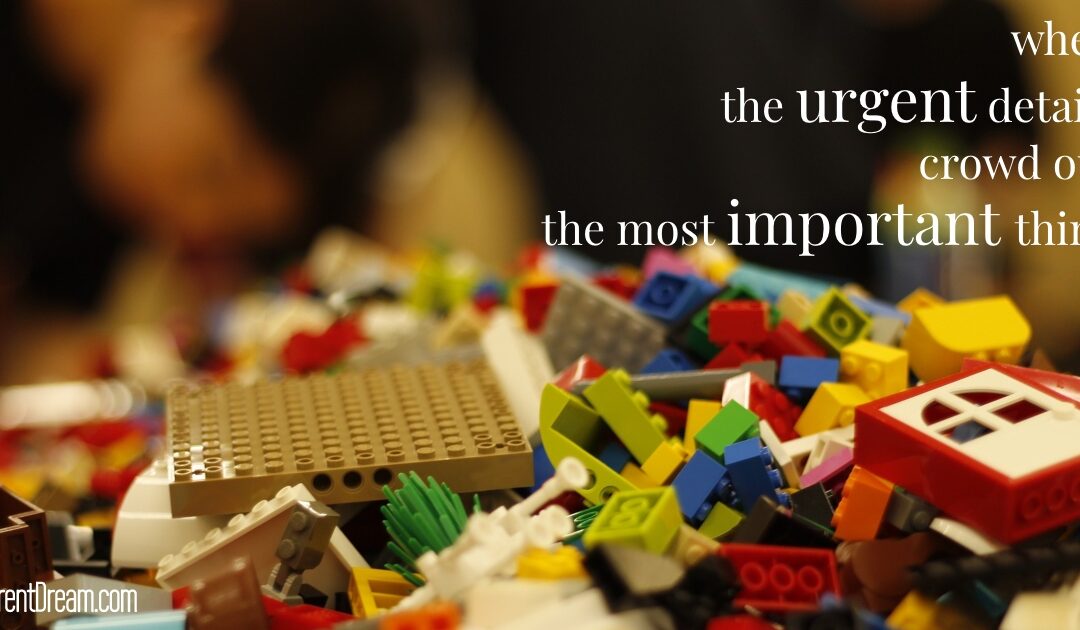
Impacting lives for the kingdom of God is the most important goal of believers. In today’s post guest blogger Kimberly Drew tells how easy it is to lose sight of that goal whatever your work may be–parenting kids with disabilities, teaching school, pastoring a church, putting together widgets on an assembly line–and how to regain it again.

A few weeks ago, I had one of my back-to-school nightmares. In it my classroom was covered in trash and Lego pieces. I was frantically cleaning before the students came. New curriculum, a student with severe allergies, new co-teachers or administration, a change of classroom or teaching grade, all these things can add to the nerves before school starts and result in nightmares. If I’m not careful, the details also start to crowd out the most important goal for me as a Christian: impacting lives for the kingdom of God.

James and John lost sight of this in Mark 10 when they start lobbying for positions next to Jesus in heaven. He reminded them about why he came. His singular focus, to do the will of the Father by serving unto death for the sins of the world, would make a way for us to enter the kingdom of God. This reminder followed a third time Jesus predicted his own death. Immediately, James and John started vying for his affection. The rest of the disciples became indignant. Talk about being distracted from impacting lives for the kingdom of God!

If I’m honest, I get distracted too. Sometimes I’m tempted to think that I can check the service box off my ridiculous what-good-Christians-do mental checklist. Yes, God has placed students in my life to serve them as Christ served. However they are not my only calling. My primary calling can be found in Mark 12:29-31:

 “The most important one,” answered Jesus, “is this: ‘Hear, O Israel: The Lord our God, the Lord is one. Love the Lord your God with all your heart and with all your soul and with all your mind and with all your strength.’ The second is this: ‘Love your neighbor as yourself.’ There is no commandment greater than these.”

Yes, I must serve my students and my own children, two of whom have disabilities. However I must first love the Lord my God with everything in me. Out of that relationship, my ability to serve others will only become sweeter and deeper.

If you find the details of your career, life, or the care of your children are clouding your perspective, remember that impacting lives for the kingdom of God is your most important goal on earth. Your co-workers, precious children, relatives, and friends all need you to be a servant pointing the way to Jesus. Maybe like me, you’re getting overwhelmed by details that are crowding out that goal. If so, take time to refocus today and set your mind on Christ.

Do you like what you see at DifferentDream.com? You can receive more great content by subscribing to the Different Dream newsletter and signing up for the daily RSS feed delivered to your email inbox. You can sign up for the first in the pop up box and the second at the bottom of this page.


By

Kimberly grew up and went to college in the small town of Upland, IN. She graduated from Taylor University with a degree in Elementary Education in 2002. While at TU, she married her college sweetheart and so began their adventure! Ryan and Kimberly have four amazing kids on earth (Abigail, Jayden, Ellie, and Cooper), and a baby boy waiting for them in heaven. Their daughter Abigail (Abbey) has multiple disabilities including cerebral palsy, a seizure disorder, hearing loss, microcephaly, and oral dysphagia. She is the inspiration behind Kimberly’s  desire to write. In addition to being a stay at home mom, Kimberly has been serving alongside her husband in full time youth ministry for almost fourteen years. She enjoys working with the senior high girls, scrapbooking, reading, and music. You can visit Kimberly at her website, Promises and Perspective.

Author Jolene Philo

Archives

Categories

Subscribe for Updates from Jolene

Related Posts

I Can’t Do This By Myself!

I Can’t Do This By Myself!

I Can’t Do This By Myself!

He already knew how to tie his shoes when he held them on his lap. He was struggling to tie them when they were on his feet.

My situation wasn’t all that different from his.

I had used Blackboard to design the college class I was about teach for the first time ever. But I was struggling with the platform while interacting with students and grading their work.

I stared at the computer screen, baffled by all the buttons, wondering which one to click. “I can’t do this by myself!” I thought.

That’s the moment when I remembered my grandson uttering those words as he stared at the untied shoe on his foot. “Grammy, I can’t do this by myself.”

“I’m right here,” I assured him as we sat together on the couch. “I’ll stay right here until you’ve got it down pat.”

A few minutes later, he was off, eager to show he parents how he could put his shoes on and tie them all by himself.

I stared at the computer screen unsure. Scared to fail. Unwilling to click one of the many buttons before me. My immobility was similar to what I sometimes experienced while raising a child with special needs, when every day brought a new obstacle.

A new setback.
A new illness.
A new search for resources and doctors.
A new solution for our child’s medical condition.

To read the rest of I Can’t Do This By Myself, visit Key Minstry’s blog for special needs parents.

Do you like what you see at DifferentDream.com? You can receive more great content by subscribing to the monthly Different Dream newsletter and signing up for the daily RSS feed delivered to your email inbox. You can sign up for the first in the pop up box and the second at the bottom of this page.

By

Jolene Philo is the author of the Different Dream series for parents of kids with special needs. She speaks at parenting and special needs conferences around the country. She’s also the creator and host of the Different Dream websiteSharing Love Abundantly With Special Needs Families: The 5 Love Languages® for Parents Raising Children with Disabilities, which she co-authored with Dr. Gary Chapman, was released in August of 2019 and is available at local bookstores, their bookstore website, and at Amazon.

Author Jolene Philo

Archives

Categories

Subscribe for Updates from Jolene

Related Posts

A Person of Influence in Her World

A Person of Influence in Her World

A Person of Influence in Her World

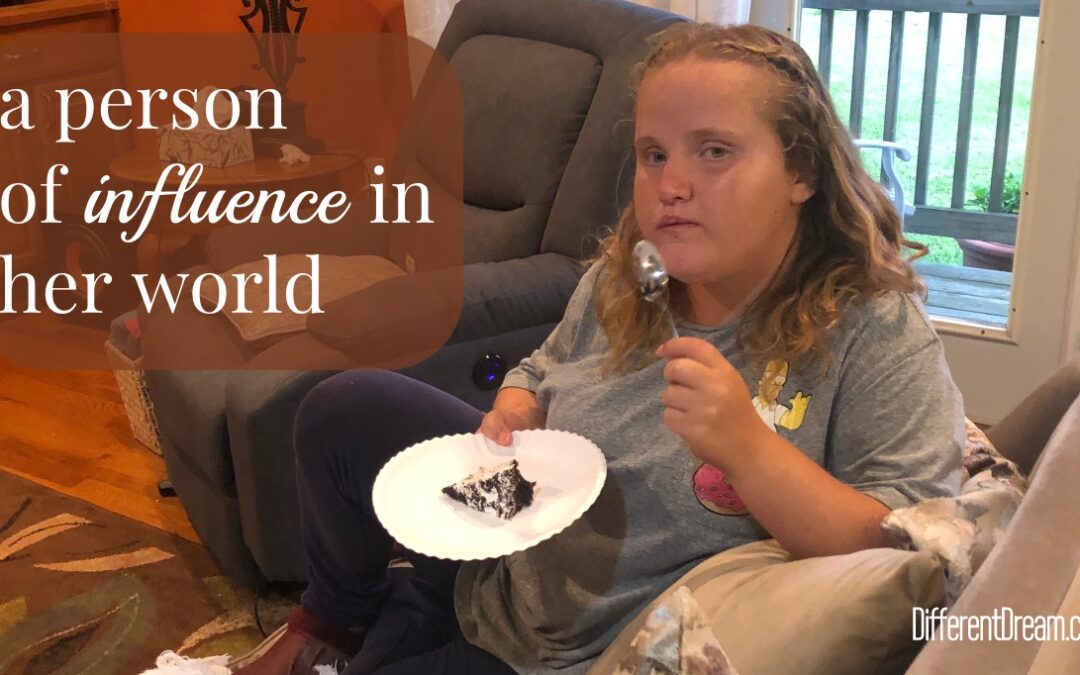
A person of influence means something different for guest blogger, Karen Jackson. She reflects on the influence her daughter Samantha, who lives with autism, has been in the lives of many.

At dinner the other night, my husband and I were talking about social media influencers. The conversation got me thinking about what it means to be a person of influence in our society and about my daughter, Samantha, who turns 24 in a few days.

Samantha is our middle child. She has autism and needs 24/7 supervision. She is also a person of influence in my life, as well as others. This may seem incongruent with having a disability, so let me explain.

Samantha has a team of caregivers that support her everyday living and help our family so that my husband and I can work outside the home. Since she is not able to hold a job right now and her circle is quite small in comparison to many others, the questions surface in my mind; “What is Samantha’s role in this world?”.  As a Christian, I ask, “What are the good works (Ephesians 2:10) that God has planned for Samantha?”

I recognize that these may seem to be lofty questions regarding a person who is primarily non-verbal and requires significant care and supports. Yet, I know I am not the only parent of a child significantly affected by disability who has asked these questions.

I do not have the answers. But I have something to contribution to the conversation because I have raised Samantha for 24 years thus far and am involved in the faith and disability community as the founder of Faith Inclusion Network.

Since Samantha was quite young, we have had the assistance of caregivers in our home. We started with training local college students. When Samantha turned 14, she started to receive in-home care through Medicaid. We have had dozens of different people in our home ever since, sometimes only for a few weeks or months. Others have worked for a year or more. One young woman is practically family, and comes every so often to provide overnight respite.

Transitioning to a new caregiver is difficult for Samantha, especially if she really liked the previous one who was with us for a significant amount of time. Still, Samantha does it well. I used to be sad for my daughter when a caregiver she had grown close to had to leave. I have learned something about resiliency from the way Samantha accepts the situation, new people in her life, and their departures.

In pondering Samantha’s gifts and God’s role for her, I realize the important and even profound effect she has on the people in her life. From family members and friends to people paid to be a part of her caregiving team, Samantha shares her generous spirit. She humbly allows people to help with the intimate care of bathing and dressing. She shares her love of the outdoors and community events, swimming, the zoo, and museums. She is a faithful, Catholic woman, attending Mass regularly and participating at her church as she is able. Samantha does not accept others lightly, but quietly evaluates their sincerity and gradually lets them into her life. Once she does, she is loyal and loving.

In Samantha’s room is a bulletin board filled with pictures of people that are or have been a part of her life. I am pretty sure that, if I could ask them, they would say she has been a person of influence who impacted them in a significant way. The caregivers pictured would say they remember her well, that she was an important part of their lives for a time. Samantha’s brothers, who are pictured on the board, have written beautifully about their sister’s influence in their lives. Samantha has of course, made a monumental impact on my husband and me.

As my beautiful daughter turns 24, I am confident that God has a plan for her life, that He has always has had a plan for her. The world’s view of what it means to be successful and contribute to society may be wildly different from what my daughter has to offer, but she is a person of influence.

Happy 24th birthday, Samantha!

Do you like what you see at DifferentDream.com? You can receive more great content by subscribing to the monthly Different Dream newsletter and signing up for the daily RSS feed delivered to your email.

By

Karen Jackson is the Executive Director of Faith Inclusion Network (FIN) of Hampton Roads where she lives with her husband and three children in Norfolk, VA. She is also the author of Loving Samantha. You can connect with Karen at the Faith Inclusion Network page.

Author Jolene Philo

Archives

Categories

Subscribe for Updates from Jolene

Related Posts

The Little Lion that Listened: Author Interview

The Little Lion that Listened: Author Interview

The Little Lion that Listened: Author Interview

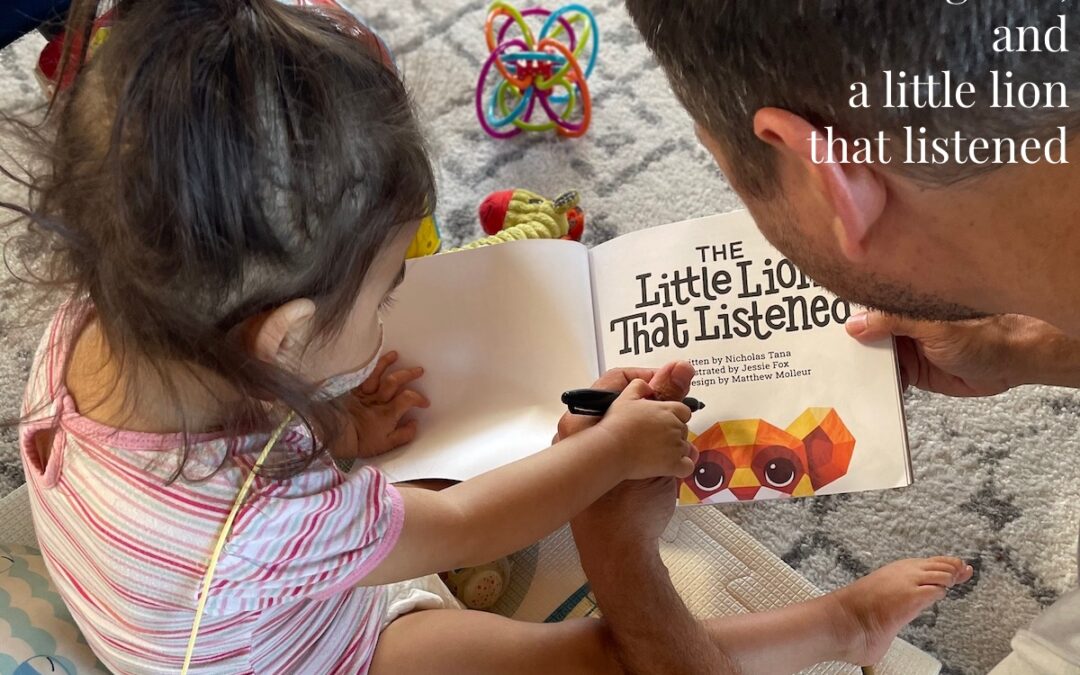
The Little Lion that Listened was written by Nicholas Tana, whose daughter lives with a rare disease. Today he shares what he’s learned from his daughter and why he wrote this children’s book.

As a parent of a child with special needs, I often draw parallels between the questions I ask myself while navigating the troubled waters of caring for a child with a disability and those I ask myself as an author. As a writer, you boldly make sense of the world through the stories you tell. As a parent of a special needs child, you often try to make sense of the world through the stories you tell yourself.

What’s the point?

My daughter Catalina lives with a disease similar to Dravet Syndrome. Her condition is so rare, there is not yet a name for it. It severely impacts her development. At two years old, she doesn’t walk, talk, or crawl. Faced with this struggle, I have to find a way to give meaning to what can often feel meaningless. I do this by finding ways to alleviate her pain and learning about things I can do to help others on similar journeys. In a way, purpose comes from how we rise heroically to alleviate others’ suffering, despite it being an inevitable part of life. But how do I accomplish this if I don’t know what she wants?

What do the characters want?

Understanding what a child wants is not always easy for parents of disabled children, especially if a child is non-verbal. In our case, the wants and needs of Catalina often come first. She has a complex medicine schedule and requires tons of physical therapy and doctor visits. But I can’t neglect the needs of my partner (her mom) or myself. By paying attention to what we all want, we stay tuned into how our characters will change, and we can do our best to plan for that change and care for each other along the way as our story unfolds.

How will the characters change?

Change is always happening. Parents of children with disabilities have to plan ahead to run through the scenarios of what could happen, in order to anticipate what might go wrong so as to be prepared. This is similar to how a writer has to imagine the future in order to plan their tale. How will the characters evolve with time and what does that mean for the story? Though change can feel scary, character arcs are what drive the plot and give rise to those conflicts that keep the story interesting.  If one views such life alterations as a mystery to be experienced, one which creates a page turning life, it can help to put a positive spin on what can often feel intimidating, frustrating, and overwhelming.

What are the conflicts?

As things change, we face new conflicts. Depending on the disability, the types of struggles we face can vary greatly. Whether it be a life-threatening seizure, falling while going down the stairs, or an increased risk of infection due to hospital visits. Sometimes it’s the emotional struggles that arise from anxiety and depression. These challenges are what gives the hero something to battle and surmount. However, too much strife can feel impossible. But as a parent of a child with special needs, if you focus on the little wins, you can marshal your will to keep going until the end, much like an author who must overcome writer’s block and fear to get to the end of the story. And this leads us to the ultimate question.

How will the story end?

Like any good author, parents of a child with special needs must imagine the future and try to control how the story unfolds; perhaps even guide it toward a favorable outcome. But the truth is we don’t know how the story will end when we are in the middle of writing it. Still, we must approach the blank page with a sense of mystery. Despite our fears, we would do well to have faith that the story will unfold as it should. And we should try not to rush the ending. Instead, it is better to take things one page at a time. If we do this, the story will have a way of writing itself.

Information about how to order The Little Lion that Listened can be found at the publisher’s website, www.newclassicsbooks.com. 

Do you like what you see at DifferentDream.com? You can receive more great content by subscribing to the monthly Different Dream newsletter and signing up for the daily RSS feed delivered to your email.

By

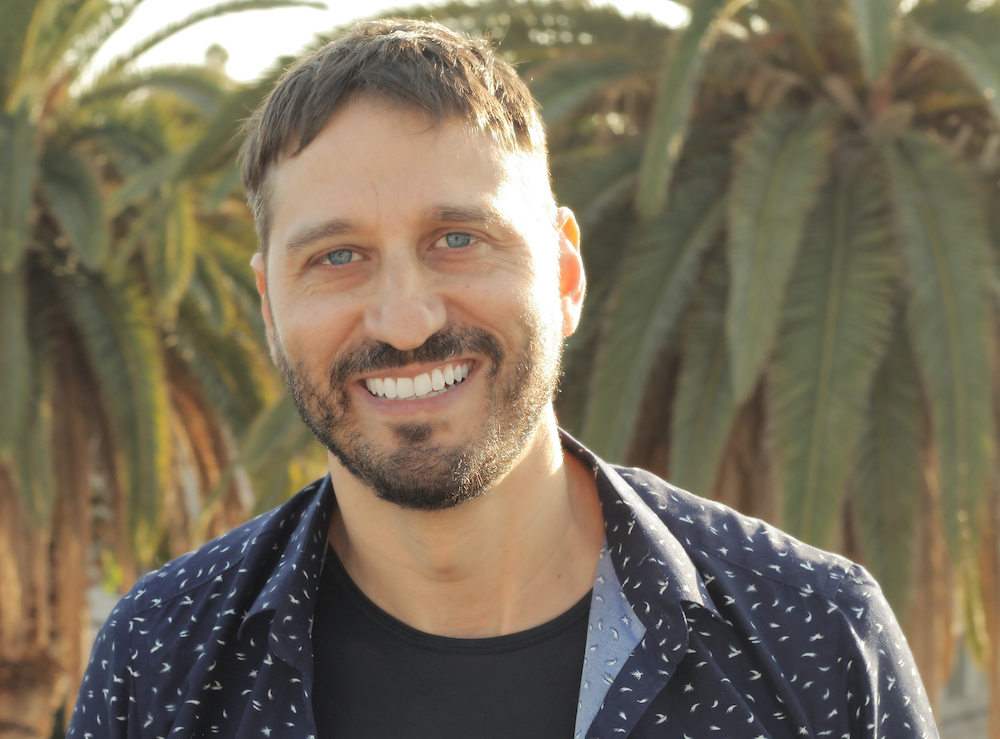
Nicholas Tana is an award-winning writer, director, and musician. He is the writer of the comic books Hell’s Kitty and Lost Angel in Los Angeles, which became an award winning web-series before being adapted as a feature film and musical. Tana is the author of the children’s books, Monsters Are Afraid of BabiesThe Kitten, The Cat, and The AppleThe Kingdom of Glee, and The Little Lion That Listened. Tana’s original Snow White story, Snow White and The Wishing Well appears in Disney’s 5 Minute Easter Stories.

Author Jolene Philo

Archives

Categories

Subscribe for Updates from Jolene

Related Posts

Helping Autistic Children Recover from Meltdowns

Helping Autistic Children Recover from Meltdowns

Helping Autistic Children Recover from Meltdowns

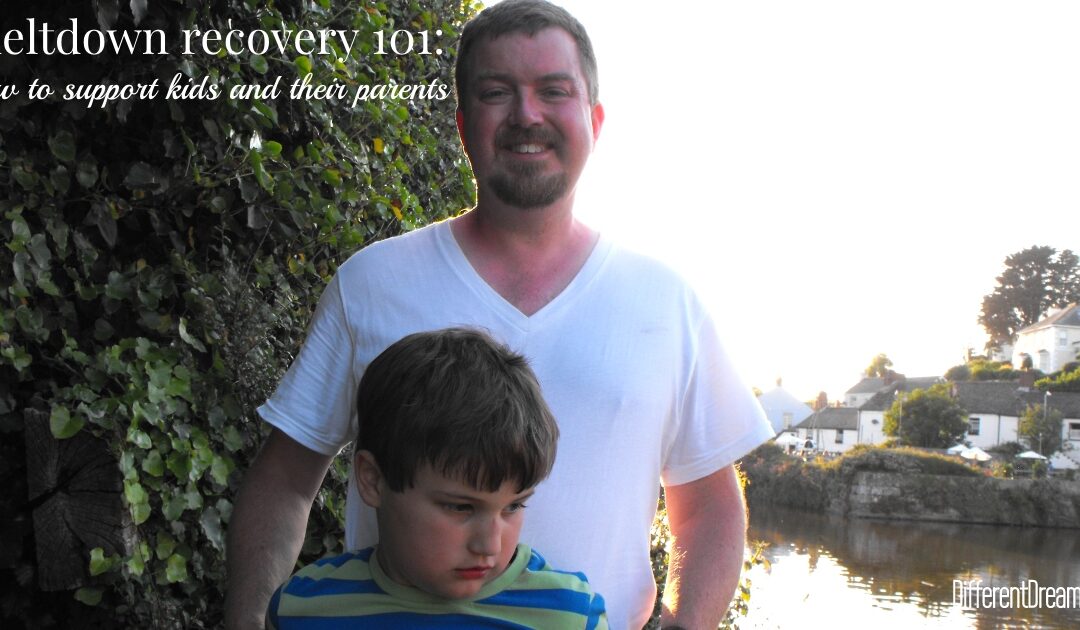
Helping autistic children recover from meltdowns is something many assume only parents and professionals can do. Thanks to this post from Mark Arnold, members of the body of Christ can play a part is supporting autistic children and their parents.

Our son James had a meltdown the other day. It’s an experience that’s familiar to many families of autistic children. Like any autistic person, there can be a wide range of triggers when James has a meltdown. He may be overwhelmed by sensory input or frustrated that he can’t communicate something to us. It could be due to change of routine, feeling unwell or in pain, or that his iPad battery has gone flat!

 When James has a meltdown, he isn’t behaving badly, pushing boundaries, or being difficult. It is brain overload, and there’s nothing he can do much about in that moment. But there is plenty we can do to support him.

 The first thing we do is let him know that we will keep him safe. We assure him that he will be okay and that we love him very much. Sometimes we gently hold him while speaking reassuring words to him. Even if the words can’t make their way through the meltdown, the sound of our voices helps him. At other times, we need to give him a little space.

 Next, we work with James to identify the cause of the meltdown. Once that is known we can help out and the meltdown will slowly lessen. The other day, the sound of a neighbor’s lawnmower. We couldn’t stop the lawnmower, so we shut the windows and significantly reduced the noise.

 If the meltdown’s cause isn’t obvious and James can’t help us to understand it, we use calming techniques such as pressure therapy. We gently squeeze his thighs and arms, rub his back, or use a weighted blanket. Other coping techniques to try are a sensory chew, distractions, snacks, or a much-loved film or TV program. These help him regulate and slowly recover.

 What is important to understand when helping autistic children recover from meltdowns is that coming down might take a while after the cause has been identified and fixed. The other day, James recovered from the more visible aspects of the meltdown after about 30 minutes, but it affected him for the rest of the day. We continued to reassure him that he was safe and cared for and had nothing to fear. We offered unconditional love. We let him rest and gave him the time and space he needed to recover fully. Once his recovery was complete, we learned from the experience and sought ways to minimize the trigger in the future.

A great way to understand meltdowns better is to talk with autistic adults about their meltdown experiences. We can ask what strategies they use to reduce the risk of meltdowns. No two people are the same, but we can learn from people that have been in similar situations. We can learn more about helping autistic children recover from meltdowns if we work together.

Do you like what you see at DifferentDream.com? You can receive more great content by subscribing to the monthly Different Dream newsletter and signing up for the daily RSS feed delivered to your email inbox. You can sign up for the first in the pop up box and the second at the bottom of this page.

By

Mark Arnold is the Additional Needs Ministry Director at Urban Saints, a leading national Christian children’s and youth organization. He is co-founder of the Additional Needs Alliance, a national and international advocate for children and young people with additional needs or disabilities. Mark is a Churches for All and Living Fully Network partner, a member of the Council for Disabled Children and the European Disability Network. He writes an additional needs column for Premier Youth and Children’s Work (YCW) magazine and blogs at The Additional Needs Blogfather. He is father to James, who has autism spectrum condition, associated learning disability, and epilepsy. To find out more about how Mark’s work can help you, contact him at: marnold@urbansaints.org or @Mark_J_Arnold.

Author Jolene Philo

Archives

Categories

Subscribe for Updates from Jolene

Related Posts