Happy Thanksgiving, Little Town on the Prairie

Happy Thanksgiving, Little Town on the Prairie

Happy Thanksgiving, Little Town on the Prairie

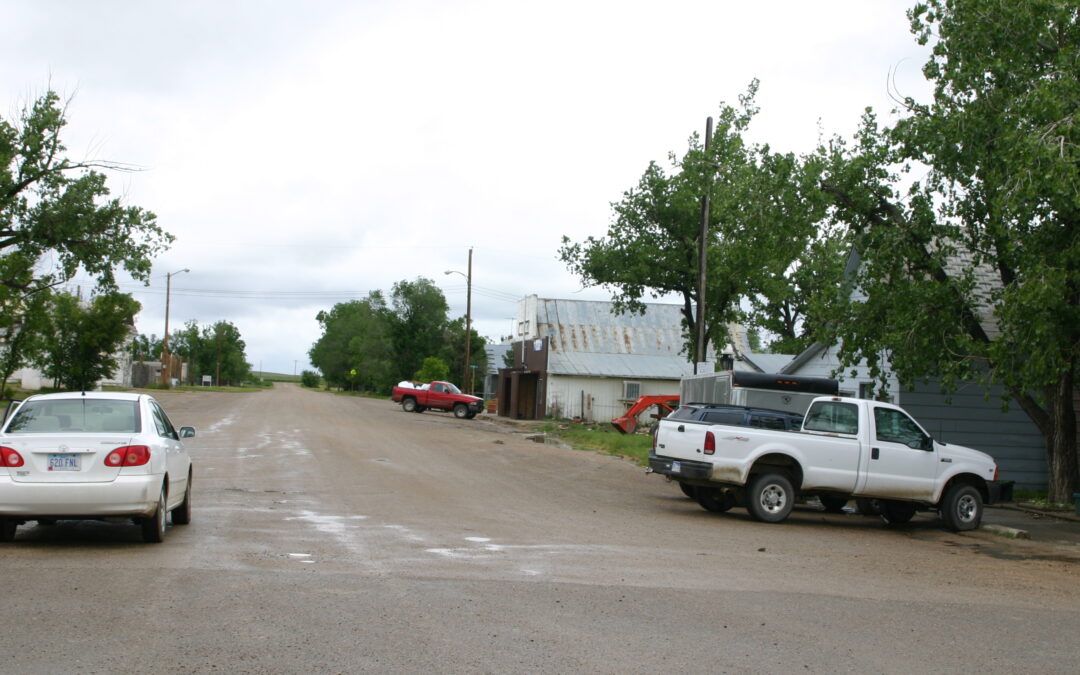
 Main Street of my little town on the prairie: Camp Crook, South Dakota in 2007

My husband and I weren’t looking forward to our first Thanksgiving as parents of a baby with special needs. The little town on the prairie where we lived was 750 miles from the University of Nebraska hospital in Omaha where our son had already had 2 surgeries, the first when he was less than 24 hours old. The surgeon insisted on scheduling a follow-up appointment before releasing our son after the second surgery. My husband and I couldn’t afford to miss any more work, so the appointment was set for the day after Thanksgiving. We couldn’t afford to travel by plane because of mounting medical bills.

That meant a 15 hour car trip.
On Thanksgiving.
With a 5-month-old who ate through a feeding tube.
Who was allergic to every form of nourishment except breast milk.
Which I had to pump.
During a 15 hour car trip.
On Thanksgiving.
With a 5-month-old who ate through a feeding tube.

Our first Thanksgiving with our baby boy was shaping up to be the worst holiday ever.

Until some friends said they were planning a benefit for us. These friends were also parents of the students in my classroom, the other teachers in the small school. my husband’s co-workers, and our son’s babysitter. In small towns, everybody wears lots of hats. Mostly cowboy hats in this particular town only 2 miles from the Montana and 20 miles from North Dakota. Mostly dusty hats in the drought-stricken years of the early 1980s when every road coming into the town was gravel. Even the state highway.

We soon learned our friends and co-workers wore fund-raising hats with style.

The remainder of this post can be found at the Not Alone Special Needs Parenting website.

Do you like what you see at DifferentDream.com? You can receive more great content by subscribing to the quarterly Different Dream newsletter and signing up for the daily RSS feed delivered to your email inbox. You can sign up for the first in the pop up box and the second at the bottom of this page.

By

Jolene Philo is the author of the Different Dream series for parents of kids with special needs. She speaks at parenting and special needs conferences around the country. She’s also the creator and host of the Different Dream website. Sharing Love Abundantly With Special Needs Families: The 5 Love Languages® for Parents Raising Children with Disabilities, which she co-authored with Dr. Gary Chapman, was released in August of 2019 and is available at local bookstores, their bookstore website, and at Amazon.

Author Jolene Philo

Archives

Categories

Subscribe for Updates from Jolene

Related Posts
Special or Sad Holidays for Kids with Disabilities?

Special or Sad Holidays for Kids with Disabilities?

Special or Sad Holidays for Kids with Disabilities?

Special or sad? That’s the question guest blogger Brittany Miller asks as the holiday season swings into full gear. In today’s post, she answers her own question with ideas she uses to keep from letting her daughter’s special needs make her too sad at this time of year.

Special or Sad Holidays for Kids with Disabilities?

Fall is in full swing, and every holiday from Halloween to New Year’s has been displayed in stores in all their grandeur. I love it, I admit it. My hands twitch at the prospect of adding fun holiday events and parties to our calendar. I start decorating and my house looks like a cluttered, happy holiday mess exploded inside. My kids love it, I love it, and there is just a special feeling in the air. Cheesy but it is a true fact in our household. We love the holiday season. But, sometimes at the very back of all of this joy and thanksgiving is the sadness that we special needs parents tend to compartmentalize. Our Christmases are often numbered, and for our disabled children, the presents and gifts given can often make their disabilities all too apparent. You know what I am talking about.

While grateful, we often dread the slew of ridiculous amounts of clothing as well as developmentally inappropriate toys that are often given to our special needs kids. And the stuffed animals! My little Brooke has over 100. Good intentions, sure, but where do we store all of those cuddly mementos that she cannot even play with? Clearly we appreciate the generosity for the kind gestures, but giving a school age child a baby rattle has a way of putting things into a harsh light. Christmas can be hard. The reminders that things are so different, that our special needs children will never have a normal Christmas. can often let those tender feelings of sadness and loss creep up during a time that should be full of making merry memories.

Special or Sad Memories?

So what can we do? How can we experience the holidays with our families and focus on the joyous blessings we do have without letting the sadness get in the way? Honestly, we cannot make those tender moments completely disappear, as they are part of the grief cycle we go through as special needs parents. However, we can focus on the joy they bring to our lives. They are here now. We can make wonderful, tender memories that are even more precious because we know these seasons are numbered. It may seem sad to recognize or admit, still I need this reminder because it helps our family focus on cherishing our time together. Let’s be honest, our children have a way of bringing a sweet spirit to our homes every day of the year, and the holiday season their preciousness is magnified.

One of my favorite holiday memories was made last year, holiday season 2013. We took our girls to North Pole Experience in Flagstaff, Arizona. My youngest and our special sweetie, Brooke (4), was chosen by NPX to be an Honorary Elf. She is globally delayed, has Aicardi Syndrome, epilepsy and is visually impaired. She was anonymously nominated through social media by a special person who was touched by her sweet smile and story. We received this special weekend as a gift from North Pole Experience. Despite Brookie’s disabilities and her inability to walk, talk, or participate in all of the weekend activities, the joyous smile on her face when she met Santa was all we needed to know she was happy. It was a Christmas to remember.

Special or Sad Gifts?

Friends, fellow parents, our children do not need a mountain of gifts or sweets and candies, they need love. They spread that love and touch those they come in contact with in such a miraculous way. The reality is, that is a precious gift, something real and magical. This busy, oh so wonderful holiday season can be joyous, we just have to let it. Sure, times for tears may come, but please do yourself a great service and let them be happy ones. These wise little souls may not dive under the tree, looking for presents, or join in on all of the fun festivities this wonderful time of year has to offer… but those moments are not the most precious ones of the season. And we all know it.

This year, this time of year make a promise to yourself to be together, be happy, be joyful, be present, and try not to be sad. (And maybe give your well meaning friends and family a few appropriate gift ideas for your special sweetie, lest you be overloaded with rattles and stuffed bears.) The holidays are a time for happiness, togetherness, and love. And guess what, our children can do all of these things! I pray we all can have a special holiday season and make many happy memories… a different season… maybe, and that is okay with me.

Special or Sad Holidays for You?

Are the holidays special or sad for you? How do you deal with that sadness? What do you do to stay positive? Leave a comment in the box below. And check out more of Brittany’s special needs journey at her blog, www.brookiethebrave.com.

Do you like what you see at DifferentDream.com? You can receive more great content by subscribing to the quarterly Different Dream newsletter and signing up for the daily RSS feed delivered to your email inbox. You can sign up for the first in the pop up box and the second at the bottom of this page.

By

Brittany Miller is mom to three daughters: Audrey, Brooke, and Juliette. Brooke was diagnosed with Aicardi Syndrome when she was five weeks old.

Author Jolene Philo

Archives

Categories

Subscribe for Updates from Jolene

Related Posts

Sensory Sensitivity & Kids: How Can They Cope?

Sensory Sensitivity & Kids: How Can They Cope?

Sensory Sensitivity & Kids: How Can They Cope?

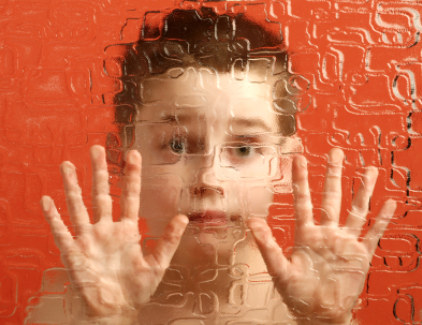
 Photo courtesy of hepingting via Flickr, Creative Commons

Guest blogger Philip Masterson and his wife are first time parents of an amazing little boy. In this post, Philip describes how they have addressed the sensory sensitivity issues that go along with his diagnosis of autism.

Sensory Sensitivity & Kids: How Can They Cope?

As new parents, my wife and I were determined to get parenting right the first time. We were very keen on documenting our son’s first milestones and celebrating his tiny achievements. Although every child is different, there were a few behavioral signs that bothered us immensely.

At six months, our son seemed to have trouble making eye contact during playtime. He didn’t follow objects visually, but sometimes got overly distracted by faint sounds. When he turned a year old, he still had trouble responding to his name, and rarely made gestures to communicate.

We read about the early signs of autism, and found that our son was showing possible symptoms. We consulted a professional, and after a series of tests it was confirmed that our son had autism. My wife and I were devastated, but we knew that we had to deal with the situation in a proactive manner.

What Is Sensory Sensitivity?

First, we educated ourselves on how to raise a child with autism, and one thing was apparent; children with autism often struggled with sensory sensitivity. This means that they have difficulty processing basic sensory information such as sights, sounds, and smells. They find it hard to organize, prioritize, and comprehend these information, and it can oftentimes lead to stress, anxiety, and even physical pain. Children can either be hypo (under-sensitive) or hyper (over-sensitive) to sensory information.

Sensory Sensitivity and Playtime

Sensory sensitivity, if not dealt with appropriately, can have a profound, damaging effect on a person’s life. We wanted to address our son’s playtime and special needs as early as possible, so we integrated helpful techniques in our day-to-day activities.

We looked closely at the things that created difficulty for our son, and made it a point to alter it to suit his sensory preferences. When we noticed that he was hypersensitive to fluorescent lights, we started to use deep-colored light bulbs instead. He was easily irritated by loud sounds from outside, so we often made him listen to some relaxing piano music.

Some days we bring him to an accessible playground near our home so that he can interact with his peers. This way, he learns to associate certain sensory stimuli with fun and laughter, and it might even help him overcome his hypersensitivity. It’s all trial and error sometimes, but we’ll never get tired of finding ways to make our son’s life easier.

Sensory Sensitivity and Toddlers

Addressing sensory sensitivity in toddlers is quite challenging, since it’s hard to distinguish normal responses from sensory difficulties. But with a good amount of reading, strict monitoring, regular consultation, and a few creative tweaks in day-to-day activities, nothing is too hard to battle.

Our son is now 18 months, and while he struggles a little more than other children, he still never fails to surprise us with his little feats and triumphs. This gives us hope that one day, he’ll learn to deal with the sensory sensitivity that is part of his autism in such a way that it won’t hinder him from achieving his dreams, but rather, build his character and ability to work towards them.

Your Sensory Sensitivity Tips?

Do you have a child who’s sensory sensitive? What coping strategies and adaptations have you discovered? Leave a comment in the box so we can learn from one another. Thanks!

Do you like what you see at DifferentDream.com? You can receive more great content by subscribing to the quarterly Different Dream newsletter and signing up for the daily RSS feed delivered to your email inbox. You can sign up for the first in the pop up box and the second at the bottom of this page.

By

Philip Masterson is a market specialist, researcher, security advocate, and freelance writer. He has written a range of topics including home and community security, technology, environment, world market, and world businesses. 

Author Jolene Philo

Archives

Categories

Subscribe for Updates from Jolene

Related Posts

We’re More Alike Than Different

We’re More Alike Than Different

We’re More Alike Than Different

We’re more alike than different. That’s what guest blogger Jennifer Janes discovered during her middle school years. As you will see, God was preparing her for life as the parent of a child with special needs long beforehand. Perhaps her story will encourage you and get you thinking of how God prepared you for your parenting journey.

Finding Refuge in a Self-contained Special Education Classroom

I was in the eighth grade when my world fell apart for the first time. An extended family member I was very close to found himself in the middle of a legal issue that was devastating and very public. I quickly found out who my real friends were and who wanted to talk about my family behind my back. And then there were the two boys who taunted me face-to-face for over a year. School was torture because they were always there, and I had no choice but to attend.

Then God gave me refuge in the self-contained special education classroom.

I don’t remember how it all came about, but somehow I received permission to escape when I became overwhelmed with the situation or the teasing. The teacher and I got along well, I was able to help her some, and I got to know my classmates who were students in that class. I didn’t know what their diagnoses were (although I can guess some of them now). I had only spent time with these kids in P.E. class and on occasional field trips. I was a little uncomfortable at first because I didn’t really know these kids, but I had heard other students talking unkindly about them. I knew how that felt, so I figured they deserved a chance.

We’re More Alike Than Different

Although a tragic situation led me to their classroom, something else kept me there long after the legal situation ended over a year later. That something was friendship. As I spent time in the self-contained classroom, I became friends with my classmates there, and I learned something that changed my life and how I interact with people with special needs: we’re more alike than different.

As I got to know my classmates, I learned their likes and dislikes. I found out what they hoped to do when they grew up. They shared their jokes with me, and I laughed along with them and learned to love their sense of humor.

So yes, we were more alike than different. But they were also different in all the ways that mattered. I was hurting, mixed-up, and confused by my family drama, but my classmates were friendly, accepted me unconditionally, and seemed to enjoy my company as much as I enjoyed theirs.

Awareness Campaigns Make a Difference

To thank them for their friendship and kindness to me, I launched a little awareness campaign on behalf of my new friends. In the situations where we were all together, instead of leaving them off to one side with the aide, I went over and spoke with them, listening to their latest jokes and what they were doing in their other subjects. I introduced them to some of our classmates who were open to making new friends.

I wanted more of the students outside that special classroom to see what I found there: a young woman who loved dressing in bright colors and pretty jewelry, with a heart of gold that gleamed in her smile; a young man who wanted nothing more than to be accepted by the students outside of the self-contained classroom; another young woman who expressed genuine concern for those in distress; and a brilliant young man trapped in a body (and motorized wheelchair) that belied his intelligence, sense of humor, and zest for life.

Some of them never got it, but a few did. And we were all better for it.

Your More Alike Than Different Experience?

When did you discover kids with special needs are more alike than different from other kids? Tell your story in the comment box.

Do you like what you see at DifferentDream.com? You can receive more great content by subscribing to the quarterly Different Dream newsletter and signing up for the daily RSS feed delivered to your email inbox. You can sign up for the first in the pop up box and the second at the bottom of this page.

By

Jennifer A. Janes lives in Arkansas with her husband, two daughters, a few cats, and a couple of gerbils. She spends her days homeschooling her kids, writing, reading, crocheting, traveling to therapy and specialist appointments with her younger daughter, and enjoying time with friends and family. She shares about her faith, family, and parenting and homeschooling a child with special needs at jenniferajanes.com.

Author Jolene Philo

Archives

Categories

Subscribe for Updates from Jolene

Related Posts

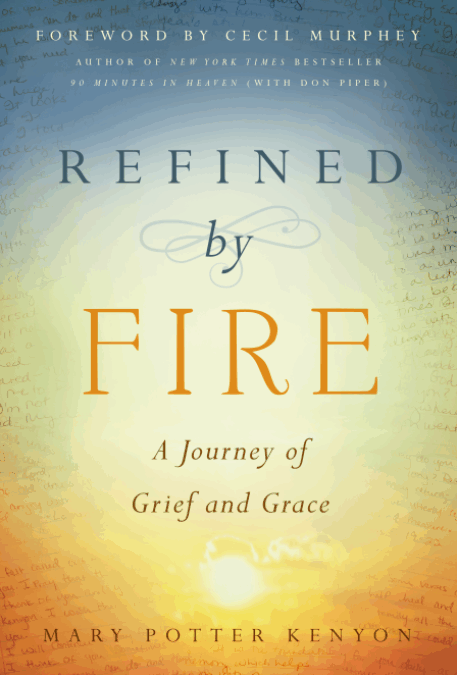
Refined by Fire: A Journey of Grief and Grace

Refined by Fire: A Journey of Grief and Grace

Refined by Fire: A Journey of Grief and Grace

I suspected, when asking Mary Potter Kenyon for a review copy of Refined by Fire, that it would be a hard book to put down. Once I opened the book, my suspicions proved to be absolutely true. The book was nearly impossible to put down for two riveting reasons.

Refined by Fire: Two Reasons It’s Hard to Put Down

First, the author tells a heartbreaking story of loss. In the span of a few years, Kenyon lost her mother Irma and then her husband David. Just as she discovered writing as a way to regain her emotional footing, her young grandson Jacob died of cancer.

Second, she makes the story more compelling by being transparent. She lays her journey of grief before the reader, refusing to hide her emotional pain, her tears, her anger, her loneliness, and her doubts. We see grief take its toll on her relationships and especially on her youngest daughter, Abigail, who was just 8 when her father died.

Refined by Fire: Snapshots of Grief

Though overwhelmed by grief and shedding tears every morning for years, Kenyon somehow writes her way through her grief. Throughout the book, excerpts from her blog and daily journals are featured:

Grief at Ten and a Half Weeks
The First Holiday
Grief at Twenty Weeks
Grief at Five Months

Each entry is a word picture, a snapshot of grief frozen in time. Between those entries, the reader sees grief melt and morph and reform as Kenyon questions God and hears him answer in sweet and unexpected ways. Though devastated by her losses, she begins to see God at work in her life. Her heart is still broken at the end of the book, but thanks to her determination to cling to God, she is also stronger and more capable than before.

Do you like what you see at DifferentDream.com? You can receive more great content by subscribing to the quarterly Different Dream newsletter and signing up for the daily RSS feed delivered to your email inbox. You can sign up for the first in the pop up box and the second at the bottom of this page.

By

Jolene Philo is the author of the Different Dream series for parents of kids with special needs. She speaks at parenting and special needs conferences around the country. She’s also the creator and host of the Different Dream website. Sharing Love Abundantly With Special Needs Families: The 5 Love Languages® for Parents Raising Children with Disabilities, which she co-authored with Dr. Gary Chapman, was released in August of 2019 and is available at local bookstores, their bookstore website, and at Amazon.

Author Jolene Philo

Archives

Categories

Subscribe for Updates from Jolene

Related Posts

Birth Injury Website for Special Needs Parents

Birth Injury Website for Special Needs Parents

Birth Injury Website for Special Needs Parents

Birth injuries are at the root of many special needs diagnoses in children. Therefore, it’s a delight to introduce you to a new website, Birth Injury Guide, which is devoted to educating and supporting parents. Today’s guest post comes from Leigh Egan. She’s a writer who, as a mother, has a special interest in children’s issues. She researches and writes about health problems and cognitive behaviors that stem from birth trauma. In this post, she​ acquaints you with what’s available at the site.

Birth Injury Guide Dedicated to Comprehensive Information

Each year, thousands of babies are injured before, during, and shortly after childbirth. Unfortunately, even the smallest medical mistake can lead to a lifetime of health problems, and in some cases, permanent cognitive disabilities for injured infants.

As a result, a comprehensive site, Birth Injury Guide, was recently created as an in-depth, resourceful guide for people to learn more about birth injuries and the traumatic impact it can have, not only on babies, but family, friends, and loved ones. Here are a few of the most common types of birth injuries.

Brachial Plexus Injuries

The brachial plexus is a set of nerve fibers that run from the spine and throughout the neck, armpit, and arms. When the brachial plexus nerves are injured, weakness, pain, numbness, and even paralysis may occur.

During childbirth, and often during a difficult, stressful delivery, an infant’s brachial plexus is at risk for injury if a physician tugs or twists too forcefully when trying to pull the baby out. If birth-assisting tools are used incorrectly, such as forceps or a vacuum extraction tool, the risk of injury heightens even further. The two most typical brachial plexus injuries include:

  • Erb’s Palsy occurs when the brachial plexus nerves in the upper arm is damaged. Symptoms may include arm numbness, loss of sensory function, weakness in the affected arm, and full or partial paralysis.
  • Klumpke’s Palsy affects the muscles in the forearm and the hand of the affected area. Symptoms may include a claw-like appearance to the affected hand, limp or paralyzed arm on the affected side, lack of muscle control, and loss of feeling in the affected area.

Brain Injuries

Traumatic infant brain injuries happen to numerous babies each year. Brain injuries can occur for a variety of reasons, including oxygen deprivation during childbirth, untreated jaundice that leads to kernicterus (a rare type of brain damage marked by excessive bilirubin), physical trauma, and even maternal infections.

Symptoms of brain injuries will depend on how severe the damage is, and how the injury occurred. Generally, however, signs and symptoms may include development delays, abnormal temperament, and an usual physical appearance, such as a small skull, deformed facial features, and spinal cord abnormalities.

Bruises and Lacerations

Bruising is common during childbirth, and most infants will go on to heal without any problems. Lacerations, however, can lead to long-term medical problems, such as face nerve palsy, bone fractures, cervical cord injuries, and cephalhematoma. According to the National Institutes of Health (NIH), pregnant women who have cesarean section (C-section) deliveries are much more likely to have infants who sustain lacerations.

In addition, the Patient Safety Authority (PSA) states that a recent study indicates that 1.5 to 1.9% of babies born via C-sections experienced lacerations. A similar study by NIH, however, shows that fetal lacerations occur at least 3% of all pregnancies.

How We Can Help

Along with extensive resources and information on birth injuries, Birth Injury Guide provides comprehensive details treatment options, financial resources, state programs and assistance for disabled children, and much more. In addition, we have medical experts and assistants available to help people with any questions or concerns about their baby’s injuries.

For more information, we invite you to visit BirthInjuryGuide.org. You can also find us on Twitter and Facebook.

Do You Have Birth Injury Experience?

Do you have a child with a birth injury? If so, Different Dream and Birth Injury Guide would love to hear from you. Leave your questions or story in the comment box.

Do you like what you see at DifferentDream.com? You can receive more great content by subscribing to the quarterly Different Dream newsletter and signing up for the daily RSS feed delivered to your email inbox. You can sign up for the first in the pop up box and the second at the bottom of this page.

By

Author Jolene Philo

Archives

Categories

Subscribe for Updates from Jolene

Related Posts