3 Ways to Grandparent Kids with Special Needs from a Distance

3 Ways to Grandparent Kids with Special Needs from a Distance

3 Ways to Grandparent Kids with Special Needs from a Distance

Guest blogger Kathy Guzzo recently learned what if feel likes to grandparent kids with special needs from a distance. Today she shares the wisdom she learned about how to support her kids and grandkids from far, far away.

3 Ways to Grandparent Kids with Special Needs from a Distance

Being a grandma is absolutely amazing. With some practice, being a long distance grandma can be accomplished and still be awesome. However being a long distance grandma with an ill grandchild is agonizing. Becoming a grandmother twice in the past three and a half years has filled me with a type of love I didn’t know existed. One problem though, I live in Northern Illinois, one grandchild is in Colorado and the other in Nebraska, definitely to far to just drop in for a visit.

The Crisis

However, with creative planning, the convenience of modern technology, and air transportation my grandma tank has been kept relatively satisfied until a few weeks ago when my 2-year-old grandson became ill and hospitalized in Denver.

As I received reports of his worsening condition, trips to the doctor, the news of his being admitted to the hospital, put on oxygen and IVs, photos of his sad little face, my heart ached for my precious grandson. And not only for him, but also for his parents. Having had this experience as a parent myself, this was part of parenting I had prayed my son and his wife wouldn’t experience, yet here it was. And I was a thousand miles away.

The Plan of Attack

Pray. My first thought was to hop in the car and start driving or get the next plane out of Chicago; neither was feasible so I prayed. I prayed for the medical staff to expertly care for my grandson. I prayed that my son and daughter-in-love would be attentive to the medical care being given, not be anxious, able to rest, and show unconditional love to their son. I prayed that my grandson would respond quickly to the medical treatment always knowing he is loved.

Wait. Next, although I wanted to call them regularly for updates, I held back because I knew they would be inundated with concerned friends and family contacting them, and I didn’t want to be one more person they had to talk to. So I waited, for text, photos, and calls from them. Not the easiest thing to do, but I knew we had a great relationship and they would call when they had news from the doctor or things changed.

Encourage. The third thing I consciously did was support them through encouragement, not advice. I sent messages reminding them that even when they couldn’t physically do anything to help their son, their 24-hour a day presence would help strengthen him. I reassured them that they were great parents and hadn’t done anything wrong to cause this illness. When we talked I reminded them how important it was for them to do what they could to take care of themselves and each other. And, I listened to their hearts as they described the emotional toll this was taking on them. I did ask questions, yet I refrained from interfering by giving advice unless they asked.

The Resolution

Days later, after our grandson was released from the hospital, I thought about my reaction to the long distance crisis. I realized I had responded the exact way I had wanted family and friends to help me years ago when I was dealing with seriously ill children. I wanted encouragement, love, support, reassurance, and respect, as well as space to be the parent I felt God had appointed me to be.

Yes, it was agonizing to be so far away, unable to physically see how they were all doing or even do the practical things to take care of them. However, since I can’t change that fact, I choose to focus on the amazing and awesome part of being a grandparent, regardless of the distance.

Your Advice

Are you a long distance grandparent? How do you support your grandchildren and their parents who live far away? Share your ideas in the comment box.

Do you like what you see at DifferentDream.com? You can receive more great content by subscribing to the quarterly Different Dream newsletter and signing up for the daily RSS feed delivered to your email inbox. You can sign up for the first in the pop up box and the second at the bottom of this page.
By

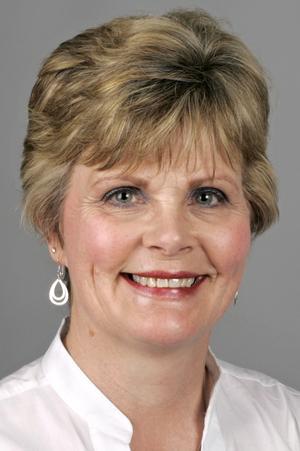
Kathy Guzzo and her husband live in Northern Illinois and have 4 adult children. One of her daughters was diagnosed with lupus and Epstein Barr Replication as a young adult. Another began struggling with depression and OCD in her mid-twenties. She understands the need for her daughters to be able to make their own decisions regarding their health, but the nurturer in her sometimes has a hard time letting go. She desires to direct others to the peace and hope that God has abundantly available for them.

Author Jolene Philo

Archives

Categories

Subscribe for Updates from Jolene

Related Posts

Great Special Needs Parenting Blogs

Great Special Needs Parenting Blogs

special needs parenting blogs FB

One of the best perks of being a special needs parent and blogger is reading other blogs and getting to know the people who write them. And thanks to DifferentDream.com’s Tuesday special needs link share, I’m finding more blogs to check out every week. This post highlights some special needs parenting blogs that I really enjoy. Here they are in no particular order.

  • Because I Said So Dawn is a single mother raising 6 active kids. None of them have special needs, but her writing is so hilarious it makes me belly laugh on a regular basis.
  • Jennifer A. Janes blogs about raising a daughter with multiple and difficult-to-diagnose special needs and about home schooling both of her daughters. Jennifer is also become a good friend, and she’s one of the most encouraging people I know.
  • Love That Max is the domain of Ellen Seidman. She’s been blogging about her son, Max, who has CP caused by a stroke at birth. I’ve been reading Ellen’s blog for years and it is consistently good. Read it once, and you’ll be hooked!
  • Ellen Stumbo blogs about faith and raising her daughters–one typical, one with Down syndrome, and one with cerebral palsy. She is one of the most transparent and honest bloggers around, and she’s my friend.
  • Finding Ninee has the best tag line ever: Boy is awesome. Mom is trying to be. The mom is Kristi Campbell. The son had autism. And the blog is always filled with humor, creativity, and some great participation opps for parents and bloggers.
  • Virtually a Teacher comes from Canada and is the brainchild of Chantale. She’s mother to 2 sons with autism. She homeschools her sons and creates some of the most amazing teaching tools on the web. And she offers them as free downloads much of the time.
  • Not Alone features a cadre of special needs parents who blog about parenting and faith. The blog also offers encouragement groups and a prayer wall for struggling moms and dads. Every time I visit this blog, I am greatly encouraged and hope you will be, too.

Your Favorite Special Needs Parenting Blogs?

Of course this list isn’t all inclusive. There are so many great blogs around. So give your favorites in the comment box. Thanks!

Do you like what you see at DifferentDream.com? You can receive more great content by subscribing to the quarterly Different Dream newsletter and signing up for the daily RSS feed delivered to your email inbox. You can sign up for the first in the pop up box and the second at the bottom of this page.


Jolene Philo is the author of the Different Dream series for parents of kids with special needs. She speaks at parenting and special needs conferences around the country. She’s also the creator and host of the Different Dream website. Sharing Love Abundantly with Special Needs Families: The 5 Love Languages® for Parents Raising Children with Disabilities, which she co-authored with Dr. Gary Chapman, was released in August of 2019 and is available at local bookstores, their bookstore website, and at Amazon. The first book in her cozy mystery series, See Jane Run!, features people with disabilities and will be released in June of 2022.

The Faith Inclusion Network Is a Special Needs Gift

The Faith Inclusion Network Is a Special Needs Gift

The Faith Inclusion Network Is a Special Needs Gift

Last week I received a most amazing gift.
But I wasn’t the only person to receive it.
Karen Jackson, leader of the Faith Inclusion Network, gave this most amazing gift to around 20 people gathered together in a beach house.

The gift included this beautiful sunrise, which led Shelly Christensen, Lorna Bradley, and I to worship our Creator on a brisk morning.
But the sunrise was only a small portion of our gift.
The true gift was a Thursday spent with disability and special needs leaders from around the country.
Not just to speak at a conference…that came on Friday.
But not until we spent all of Thursday brainstorming and dreaming about how to encourage inclusion in faith communities.

My heart was so encouraged to sit with this group of people,
to look around the room and see their passion about
finding employment for adults with disabilities,
welcoming people with special needs into our churches and into our lives,
by doing ministry with them instead of for or to them.

Were your ears ringing when we talked about you, the caregivers?
When we discussed how to support parents of kids with special needs?
When we talked about the need for higher wages for those we pay to care for our loved ones?
Were your ears ringing?
Were your hearts pounding like mine was?

I wish you could have been there,
could have seen their compassion,
could have felt our excitement,
could have met these dear people
and come to count them as friends, as I do.

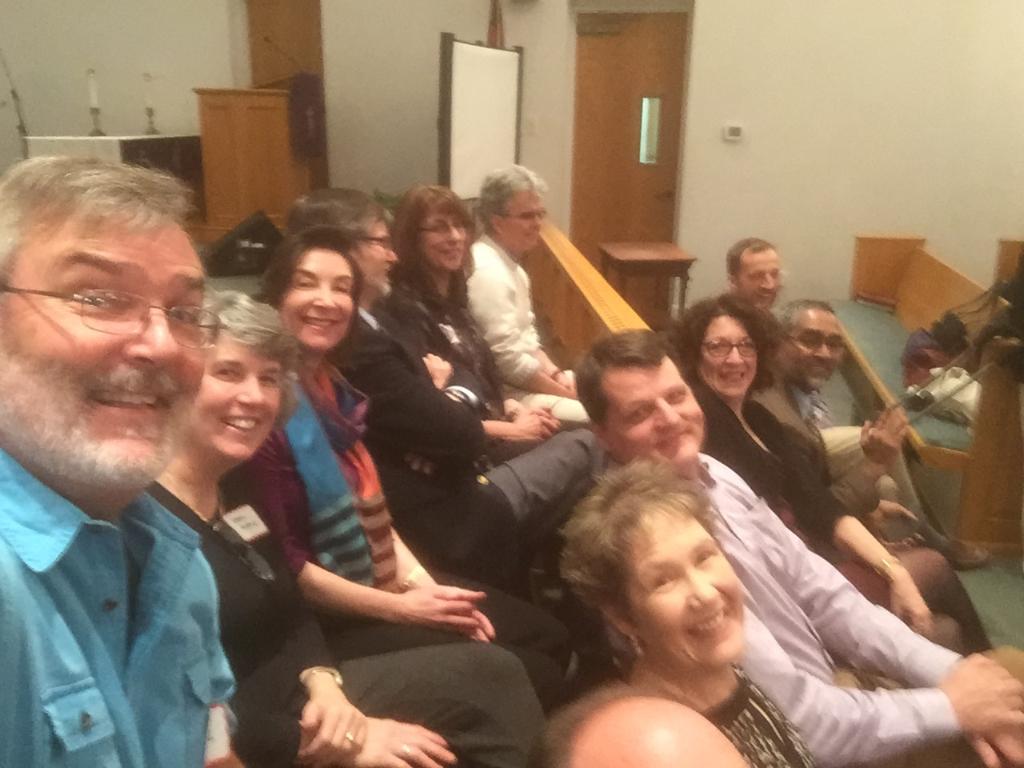
Faith Inclusion Network panelEventually, I’ll post links to the TED talks and more about each speaker.
But for now, this silly selfie,
compliments of Dr. Jeff McNair,
when we were all lined up for a panel discussion
at the end of the Friday conference.


Top row: Jeff McNair, Stephanie Hubach, Lorna Bradley, Bill Gaventa, Anne Masters, Milton Tyree
Bottom row: Dave Morstad’s forehead, Jolene Philo, Erik Carter, Shelly Christensen, Mohammed Yousuf, Dan Vander Plaats

Not pictured: Jan Benton, Barb Newman, Karen Jackson

Were You at the Faith Inclusion Network (FIN) Conference?

If you were at the FIN conference, what was your favorite part? What did you learn? Who did you meet? Leave your comments in the box below!


Do you like what you see at DifferentDream.com? You can receive more great content by subscribing to the quarterly Different Dream newsletter and signing up for the daily RSS feed delivered to your email inbox. You can sign up for the first in the pop up box and the second at the bottom of this page.

By

Jolene Philo is the author of the Different Dream series for parents of kids with special needs. She speaks at parenting and special needs conferences around the country. She’s also the creator and host of the Different Dream website. Sharing Love Abundantly With Special Needs Families: The 5 Love Languages® for Parents Raising Children with Disabilities, which she co-authored with Dr. Gary Chapman, was released in August of 2019 and is available at local bookstores, their bookstore website, and at Amazon.

Author Jolene Philo

Archives

Categories

Subscribe for Updates from Jolene

Related Posts

Isolation Is a Special Needs Parent’s Mean Girl

Isolation Is a Special Needs Parent’s Mean Girl

Isolation Is a Special Needs Parent’s Mean Girl

 A few months ago, the folks over at The Caregivers Space asked me to co-host a bi-monthly special needs support group at their site. The post below explains why such support groups are so needed in our community.

Isolation whispers the same words in the ear of every special needs parent she finds.

I’m your best friend,” she says as she cozies up to them in the dark hours of the night.

You don’t need anyone but me,” she says.

No one else cares about you,” she confides.

She shakes her head. “They don’t want to hear your story.”

No one understands you,” she confirms.

Your friends are too busy with their own kids.” She raises an eyebrow.

They don’t have time to help you, so don’t ask.”

If you say anything about how hard life is, they’ll say you’re a whiner,” she confides.

They’ll say you should put on your big girl panties and be thankful your child is alive.”

Sleep-deprived, emotionally raw, spiritually depleted, and heartbroken special needs parents believe every word this self-proclaimed best friend says.

But we shouldn’t. Because in reality isolation–every special needs parents’ closest companion–isn’t our best friend.

Isolation is the ultimate mean girl.

How do I know? I know because isolation was the mean girl in my life for far too many years.

She was the mean girl during the nearly 3 weeks we spent with our newborn son in a NICU over 700 miles from home.

She was the mean girl when we brought our baby home to the tiny town where we lived, and she convinced me not to ask friends for help because, you know, they were busy with their families.

She was the mean girl for the next 4 years while our son endured countless medical procedures, tests, and surgeries until his esophagus began to function correctly, and we were too sleep-deprived for my husband and I to think straight and give her marching orders.

She was the mean girl when we moved to a different town. She told me to quit mentioning our son’s health history after someone poo-pooed me for being protective of our precocious toddler who looked perfectly healthy but still had significant health issues.

She was meanest of all when our young adult son’s diagnosis with PTSD caused by early medical trauma didn’t sit well with people, and they avoided our company.

But finally, I had my fill of isolation.

I kicked the mean girl out of my life by sharing our family’s special needs story in articles and here on my blog, www.DifferentDream.com.  By writing books that offer support and resources to parents of kids with special needs. By joining Facebook groups for parents of kids with the same birth anomaly our son had.

And do you know what? Life is good without the mean girl keeping me to herself. Life is really, really good without isolation building walls between me and other parents who are walking the same path. Parents who understand the grief and the joys of raising kids with special needs.

But my heart hurts for parents still trapped by isolation. Raising kids with special needs is the most demanding and satisfying and holy work we will ever do. It’s work done best without negativity mucking things up. Which means we’ve got to band together and kick out the mean girls in out lives. Will you join me?

Do you like what you see at DifferentDream.com? You can receive more great content by subscribing to the quarterly Different Dream newsletter and signing up for the daily RSS feed delivered to your email inbox. You can sign up for the first in the pop up box and the second at the bottom of this page.

By

Jolene Philo is the author of the Different Dream series for parents of kids with special needs. She speaks at parenting and special needs conferences around the country. She’s also the creator and host of the Different Dream website. Sharing Love Abundantly With Special Needs Families: The 5 Love Languages® for Parents Raising Children with Disabilities, which she co-authored with Dr. Gary Chapman, was released in August of 2019 and is available at local bookstores, their bookstore website, and at Amazon.

Author Jolene Philo

Archives

Categories

Subscribe for Updates from Jolene

Related Posts

5 Ways Special Needs Parenting and Elder Care Are Alike

5 Ways Special Needs Parenting and Elder Care Are Alike

5 Ways Special Needs Parenting and Elder Care Are Alike

For several months, my life has been more immersed in elder care than special needs parenting. And do you what to know the simple truth I’ve learned in these intense days and weeks of caring for my mother? It’s this: Special needs parenting and elder care are more alike than different. Here are five ways they are strikingly similar.

Similarity #1

Special needs parenting and elder care involve considerable contact with bodily fluids. I’ve never been a fan of frequent contact with bodily fluids, my own included. Even when my babies were sweet and cute, changing their diapers required a constant flow of self-talk to get through the task. At least they didn’t accuse me of mumbling like Mom does now and then.

Similarity #2

Special needs parenting and elder care require stellar detective skills.  Skills like watching for clues when the person being cared for can’t use words to tell you what they need. Or looking for patterns to determine cause and effect and to accurately predict what might happen next. Or, when speech is possible, learning to ask questions that will elicit the information needed.

Similarity #3

Special needs parenting and elder care require perseverance. The kind of perseverance caregivers need to cut through red tape, to fill out government and insurance forms, to make follow up phone calls, to fill out appeal forms when government services and insurance reimbursement is denied, and to create filing systems for organizing reams of paperwork.

Similarity #4

Special needs parenting and elder care means holding lots of stuff. Both types of caregivers have to hold medical equipment, tempers, half-chewed bits of food, and tongues. But most of all, both kinds of caregivers hold the hands of those we love whenever they need a reassuring touch.

Similarity #5

Special needs parenting and elder care are exercises in putting others first. The moment you sit down to eat for the first time in 6 hours. As soon as you settle down to soak in a hot tub. When the in-home care provider doesn’t arrive so you can go on a long-anticipated shopping break.

The same thing keeps both types of caregivers going day after day, hour after hour, sleepless night after sleepless night. We keep going because no one loves our children and our aging parents like we do. And if we who love them don’t put them first, who will?

Other Similarities Between Special Needs Parenting and Elder Care

Have you cared for more than one age group? What similarities have you seen across the years? Leave a comment.

Do you like what you see at DifferentDream.com? You can receive more great content by subscribing to the quarterly Different Dream newsletter and signing up for the daily RSS feed delivered to your email inbox. You can sign up for the first in the pop up box and the second at the bottom of this page.

By

Jolene Philo is the author of the Different Dream series for parents of kids with special needs. She speaks at parenting and special needs conferences around the country. She’s also the creator and host of the Different Dream website. Sharing Love Abundantly With Special Needs Families: The 5 Love Languages® for Parents Raising Children with Disabilities, which she co-authored with Dr. Gary Chapman, was released in August of 2019 and is available at local bookstores, their bookstore website, and at Amazon.

Author Jolene Philo

Archives

Categories

Subscribe for Updates from Jolene

Related Posts

An Annual Review Is Not a Boxing Match

An Annual Review Is Not a Boxing Match

An Annual Review Is Not a Boxing Match

This time of year, the special needs blogosphere is awash with posts for parents preparing for annual reviews for their kids with special needs. Some of the posts share excellent IEP and annual review resources.  But much of the advice sounds more like preparing for a boxing match with an archenemy than preparing for a school meeting with people who care about kids. But contrary to what much of what’s written, an annual review is not a boxing match.

An Annual Review Is Not a Boxing Match

How do I know this? Because I taught elementary school for 25 years. Many of those years were spent in an inclusive, general classroom. In any given year, a third of the 20-25 students in my classroom had an IEP. Which means I attended 7–8 annual reviews every year. So I sat at a table not across from, but with the parents of my students.

Why an Annual Review Is Not a Boxing Match from a Teacher’s Point of View

Why? Because the parents, the special education teacher, and I all cared about the child. So I did everything I could to show the parents that an annual review is not a boxing match. Including worrying incessantly for about a week before the meeting about the meeting. What did I worry about? Here’s the short list.

  1. Will I really hear what the parents are trying to say?
  2. Have I done enough to prepare this child for next year?
  3. What more can I do between now and the end of the school year?
  4. What’s the best way to keep the focus off of me, off of the parents, and on the child?
  5. What’s the best way to communicate to the parents that I see and love their child even when I can’t meet all her educational needs?
  6. How do I let them know their child is much more than her school progress without sounding like I’m making excuses?
  7. How will I share this child’s weaknesses without making her parents cry? Will the team give me time enough to share her strengths, too?
  8. Will the school psychologist use language the parents and I can understand? Will I be able to implement the recommendations made?
  9. What do we cut from the budget this month to pay for the extra hours of day care for my kids during annual review season?
  10. How will I cover up my growling stomach after no time to eat lunch because I have playground duty over the lunch hour?

Why You Shouldn’t Assume an Annual Review Is a Boxing Match

Lots of teachers lay awake worrying the night before an annual review…and many other nights worrying about their students. So instead of assuming the annual review is a boxing match, think of it as a gymnastics meet. Expect every member to perform their unique specialty so the child will win. If someone on the team fails, then begin to fight for what’s best for your child. Ask the team members who came through for your child to help you. Because they aren’t your archenemies. They love your child, too. They are on your team.

How Do You Get Your Head Ready for Annual Reviews?

Does your child have an IEP, and therefore an annual review? How do you get your head ready for the meeting? What do you do to keep the focus on your child? Leave a comment below.

Do you like what you see at DifferentDream.com? You can receive more great content by subscribing to the quarterly Different Dream newsletter and signing up for the daily RSS feed delivered to your email inbox. You can sign up for the first in the pop up box and the second at the bottom of this page.

By

Jolene Philo is the author of the Different Dream series for parents of kids with special needs. She speaks at parenting and special needs conferences around the country. She’s also the creator and host of the Different Dream website. Sharing Love Abundantly With Special Needs Families: The 5 Love Languages® for Parents Raising Children with Disabilities, which she co-authored with Dr. Gary Chapman, was released in August of 2019 and is available at local bookstores, their bookstore website, and at Amazon.

Author Jolene Philo

Archives

Categories

Subscribe for Updates from Jolene

Related Posts