How to Raise a Health Care Self-Advocate

How to Raise a Health Care Self-Advocate

How to Raise a Health Care Self-Advocate

Once upon a time, my husband and I were our son’s sole health care advocates. For the first 4 years of his life, we faced numerous life and death decisions concerning surgeries, medical tests, and treatment. After those dramatic early years his health stabilized, and our decisions about his health care were more run-of-the-mill.

When he was 15, medical tests showed another major surgery was needed. When our son, who had grown into a strong-willed, intelligent adolescent heard the news, he made clear to us and the surgeons that he expected to be part of the decision-making process. At first my husband and I were taken back by his demand. And then we did the math.

In 3 short years, our son would turn 18, at which time he would be in charge of his own health. Therefore, we made everything regarding his upcoming surgery–the pre-op tests, doctor consultations, even life and death decisions–into a self-advocacy training exercise. Here’s what we learned about raising a health care self-advocate during that experience and as our son entered adulthood.

  1. Write down your child’s medical history. You may remember what treatments (for physical, mental, and emotional ailments) your child received, but your child won’t. Our son has no explicit memories of the tests, treatments, and 7 surgeries he went through before he was 5. So when he was a young adult, I wrote a narrative that included the hospitals where the surgeries took place, the doctors and surgeons who treated him, and anything else I could remember. That medical history equips him to be a health care self-advocate.

To read the rest of this post, visit Key Ministry’s Special Needs Parenting blog.

Do you like what you see at DifferentDream.com? You can receive more great content by subscribing to the quarterly Different Dream newsletter and signing up for the daily RSS feed delivered to your email inbox. You can sign up for the first in the pop up box and the second at the bottom of this page.

By

Jolene Philo is a published author, speaker, wife, and mother of a son with special needs.

Author Jolene Philo

Archives

Categories

Subscribe for Updates from Jolene

Related Posts

Special Needs Vacation Tips and Tricks

Special Needs Vacation Tips and Tricks

Special Needs Vacation Tips and Tricks

School’s out, summer’s here, and it’s time to make vacation plans. Guest blogger Trish Shaeffer is here with field tested tips and tricks for a special needs vacation everyone in the family will enjoy.

Special Needs Vacation Tips and Tricks

Everyday life with a special needs child is full of running around like a chicken with its head cut off, but summer vacation time can bring a whole new meaning to “multi-tasking.” To make vacation time planning a little easier, here are some special needs vacation tips and tricks I have used over the years. Feel free to use one, use them all or even add some of your own in the comment box below.

We usually travel by car which brings its own sense of adventure. It’s good to note that during any car ride for longer than an hour or two, it’s good to pull over, take a break and have everyone stretch their legs. We have had some adventures at truck stops, gas stations, and rest stops along the way to our destination. But the most important tip is to always have fun. With that said, here we go!

Special Needs Vacation Beach Tips

Tired of carrying a heavy umbrella to the beach? You can buy clip-on umbrellas that work great for strollers and, yes, even wheelchairs. I found our umbrella at a beach store. No more heavy umbrella to carry to the beach and it’s adjustable.

Tired of getting sand all over your towel or blanket? Just bring along a fitted crib or bed sheet. Use coolers to hold up the corners for no more buried beach blanket. To remove sand from feet and hands, use baby powder and brush sand away.

Beach not handicapped accessible? Use a wagon or boogie board to pull your child to the water or around the beach. This will work depending on the size and balance of your child. Alex loves going for a ride to the water.

A few other beach tips.

  • Freeze water bottles or juice bottles before going to beach. By the time you get there, your drinks are just thawing out and cold to drink.
  • To keep medications cool, place them in a Ziploc or water tight bag, and tape it to the inside lid of an ice cooler. This works for epi pens too. Make sure to follow instructions for temperature storage for medication.
Special Needs Vacation Camping Tips

Need a child-size air mattress for half the cost? Use inflatable pool mats for the kids to sleep on while camping.

Have a wanderer on your hands? Have them wear bright colors so you can easily locate them. You can also hang small bells on tent zippers so you will know when the tent is being opened. Install a buddy system; have siblings pair up to keep each other safe. For extra safety, put a GPS tracker on your child. Many sync right to your cell phone and are small enough to fit on wrists or even shoes.

Too hot outside? Place wet wash cloths in Ziploc bags and place on ice in a cooler until needed. Place the cloths on the back of your child’s neck to cool them down on a hot day.

Want to avoid bathroom disasters? Make sure to get a beach or camping spot close to the bathrooms. Or bring a travel potty seat to make it easier for your child. We found one for our son that adapts nicely and has handles for him to balance.

A few other camping tips.

  • Get a campsite with electrical outlets for any equipment you bring along such as a nebulizer or feeding pump.
  • Always have a first aid kit when traveling and extra blankets. Also bring any chargers or car chargers you need.
  • Nap mats and yoga mats work great if you are out at the campsite and you child needs some tummy time.
  • Bring a spray bottle with water and mint mixture. Spray on your child to keep them cool and to keep the bugs away.
  • Test tick guards on small site to check a reaction. Always check with your child’s healthcare provider before using natural remedies and essential oils. Also ask what percentage of DEET should be in your child’s bug spray.
  • Bring noise-cancelling head phones for loud attractions or hand dryers in the bathroom. If you child is like mine, the headphones are a must against the wicked hand dryer.

Last but least, just in case you forgot….have fun with your family on your special needs vacation adventures!

Do you like what you see at DifferentDream.com? You can receive more great content by subscribing to the quarterly Different Dream newsletter and signing up for the daily RSS feed delivered to your email inbox. You can sign up for the first in the pop up box and the second at the bottom of this page.

By

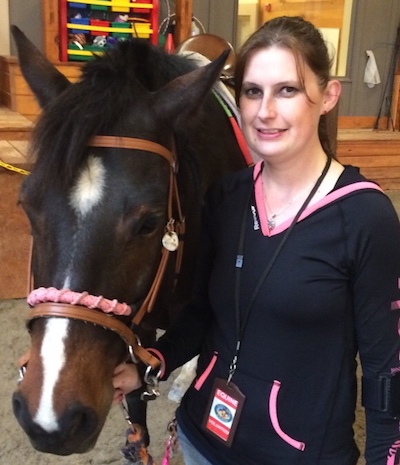
Trish Shaeffer mom of 3 active boys, a 9-year-old and 5-year-old twins who were born 2 months early and have special needs. She’s a peer supporter for Parent to Parent and volunteers with the United Cerebral Palsy Network, Special Olympics, and the United Way. She’s also an equine volunteer at Leg Up Farm. She’s married to her best friend and biggest supporter, Chris Shaeffer.

Author Jolene Philo

Archives

Categories

Subscribe for Updates from Jolene

Related Posts

Wonderfully Made Family Camp Top Ten, 2017

Wonderfully Made Family Camp Top Ten, 2017

Wonderfully Made Family Camp Top Ten, 2017

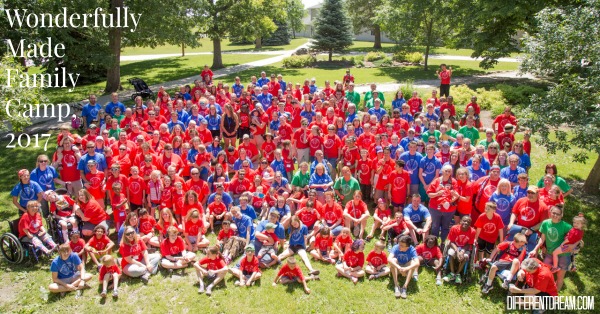
Wonderfully Made Family Camp, 2017, is over, and my heart is full. So full, I don’t know how to convey the beauty God orchestrated the weekend of June 1-4. Hopefully, this top 10 list will give you a taste of the goodness experienced by the 38 families and 70 volunteers who gathered at Hidden Acres for 3 incredible days.

10. From the mouths of babes. When a little boy was asked what he did during afternoon family time, he replied in all seriousness, “I went horse ride backing.”

9.  Adult night out. A sit down, candlelight dinner with live jazz, during which the dad of a girl with special needs teared up and said, “My wife and I never get to go out together like this.”

8.  The hot air balloon. The wonder on peoples’ faces when they rode in the hot air balloon basket or watched its night glow each time the propane tank fired was priceless.

7. Ugis Pallo. He’s the Latvian pastor who inspired the camp. He was a special guest at camp this year and surprised everyone by doing the splits.

6. The power of a pick up truck. Emily Colson, who spoke to parents, was absolutely delighted to drive a great big pick up truck around camp.

5. Emily Colson and her powerful message. The author of Dancing with Max: A Mother and Son Who Broke Free speak to and connect with parents as she shared the joys and challenges experienced while raising her son.

4. Compassionate (and outraged) dads. After hearing how Emily and Max were once booed by a hostile audience until they left the movie theater two days after Christmas, several dads said they wished they had been in the audience to demand that mother and son be allowed to stay.

3. Selfless moms. 38 selfless women cared for their children 24/7. Every day, they sacrificed sleep, their health, and their professions as they pour their lives into their kids with special needs and into their typically-developing siblings. If you want to see Jesus shining through his people, get to know these moms.

2.  Kids with special needs and their volunteer buddies. In a few hours, complete strangers bonded with each other and the families they served. And the many volunteers who served as program leaders, dining hall cleaners, security team, hospitality desk, runners, gophers, spa workers, carnival barkers with selfless generosity and grace.

1. The Wonderfully Made Family Camp video for 2017.  This lovely video makes up for what words can’t convey. This video comes with a tissue warning!

Wonderfully Made Family Camp family members and volunteers, give your favorite camp happenings a shout out in the comment box, too.

Do you like what you see at DifferentDream.com? You can receive more great content by subscribing to the quarterly Different Dream newsletter and signing up for the daily RSS feed delivered to your email inbox. You can sign up for the first in the pop up box and the second at the bottom of this page.

By

Jolene Philo is a published author, speaker, wife, and mother of a son with special needs.

Author Jolene Philo

Archives

Categories

Subscribe for Updates from Jolene

Related Posts

4 Tips for Traveling with Kids Who Have Special Needs

4 Tips for Traveling with Kids Who Have Special Needs

4 Tips for Traveling with Kids Who Have Special Needs

Is traveling with kids who have special needs on your summer schedule? Then you’ll want to check out this port from guest blogger, Alex Robbins. As the dad of a child with special needs, he’s discovered 4 tips to make family trips safe and healthy for everyone.

4 Tips for Traveling with Kids Who Have Special Needs

Traveling can be stressful no matter what the circumstances are, so it’s important to make sure you plan out any trip with thought and care. When you’re traveling with a child who has special needs, there are several things you’ll need to take into consideration, so the planning will be amped up a few notches. There’s no need to feel overwhelmed; with some preparation and organization, you can get through the trip while keeping everyone safe and happy.

Whether you’re traveling by plane, train, or automobile, there are many things to think about and plan for before the trip begins. Timing can be key for many kids living with special needs, so sit down and work out a schedule for the trip, and create some backup plans in case things don’t work out exactly the way you want.

Here are a few more of the best ways to plan for a trip with your child.

Tip #1: Do Some Research

If you’re taking a flight, try to book it at a time when your child is typically most relaxed and happy. For many kids, this is usually in the morning after a good night’s sleep. Consider how long the flight is and check to see if you can find one that includes a stopover if you think your child will need a break from sitting still. If you do stop, make sure you speak with an airline employee about hanging on to your child’s wheelchair, stroller, or medical equipment for the layover instead of having them checked through to the final destination.

It’s also important to consider what the best area of the plane is for your child. An aisle seat may be problematic if your child is overwhelmed easily by being around many people.

Tip #2: Pack Smart

No matter how you’ll be getting to your destination, it’s important to pack smart. Make a list well before the trip of all the things your child will need both during the travel part of the trip and while you’re at your destination. These might include medications, comfort items such as small toys or a special blanket, a letter from the doctor concerning your child’s diagnosis (which might be helpful when asking for assistance on a flight), and any medical equipment your child might need.

Tip #3: Plan for Any Contingency

Whether you’re flying or driving, it’s imperative to plan for anything your child might need while you’re away, and that includes ensuring that your accommodations will be able to meet your needs. Pack plenty of snacks, plan for several stops to allow your child to get out of the car for a bit, and bring along all the items your child will need to feel comfortable at bedtime. Pack extras where medicine is concerned, and do some research before the trip to make sure you’ll be able to find a doctor or emergency services on the trip should your child need it.

Tip #4: Manage Your Expectations

Family vacations and trips can be stressful when you expect everything to go smoothly at all times. Traveling is full of ups and downs, and any trip has the potential to have days where it’s difficult to please everyone. Keep your expectations manageable and plan for plenty of downtime or free time so that everyone is able to have fun in their own way.

Remember to have fun during your trip, and do things that will relax you as often as possible; schedule a massage or pedicure, and try not to get overwhelmed. Take it one day at a time and your loved ones will take their cues from you.

What Are Your Tips for Traveling with Kids Who Have Special Needs?

Have you discovered ways to make traveling with kids who have special needs easier? You’re invited to share them in the comment box below. Thanks!


Do you like what you see at DifferentDream.com? You can receive more great content by subscribing to the quarterly Different Dream newsletter and signing up for the daily RSS feed delivered to your email inbox. You can sign up for the first in the pop up box and the second at the bottom of this page.

By

Writer Alex Robbins is part of the Safety Today team, and loves having the opportunity to promote home and community safety through his writing.

Author Jolene Philo

Archives

Categories

Subscribe for Updates from Jolene

Related Posts

Top Ten Special Needs Summer Fun Posts

Top Ten Special Needs Summer Fun Posts

Top Ten Special Needs Summer Fun Posts

Special needs summer fun. Does that sound like an oxymoron? These ten Different Dream posts explain how to make summer fun for your kids with special needs and the entire family. Check them out and then, let the special needs summer fun begin!

Special Needs Summer Fun Post #10

A sensory garden adds spice to summer for kids with special needs and their families. In How to Create a Sensory Garden for Kids with Special Needs, guest blogger Trish Shaeffer gives step-by-step instructions about how to create a garden with your kids.

Special Needs Summer Fun Post #9

A little planning for summer goes a long way. Guest blogger Sheri Dacon knows this from experience and shares her best tips in Summer Planning Tips for Parents of Kids with Special Needs.

Special Needs Summer Fun Post #8

The transition from school to summer can be rough for kids with special needs and their families. Guest blogger and child psychologist Liz Matthies offers some simple tips to ease the transition in Summer Transition Tips for Kids with Special Needs.

Special Needs Summer Fun Post #7

Routines are very comforting for many children with special needs. Guest blogger Kimberly Drew runs through the summer routines she’s put in place to make her daughter feel safe and secure all summer long in 4 Special Needs Summer Routines.

Special Needs Summer Fun Post #6

Any parent who’s been in the hospital with a child over the Fourth of July, knows it won’t make their summer fun hit parade. 4th of July Hospital Red, White, and Blues offers ideas friends can employ to bring some fun to an Independence Day hospital stay.

Special Needs Summer Fun Post #5

The sounds, smells, and sights of Fourth of July are often too much for children with sensory sensitivities. Over the years, guest blogger Kimberly Drew instituted precautionary measures to make the Fourth fun for her daughters. You can read about them in Happy Special Needs Fourth of July!

Special Needs Summer Fun Post #4

Summer = Travel for many families. But the two can be a difficult combination when special needs enter the mix. Guest blogger Kathy Kuhl’s series addresses many of the challenges related to the subject. In Part 1 of Travel and Kids with Special Needs, she outlines 3 strategies to simplify the process.

Special Needs Summer Fun Post #3

Travel and Kids with Special Needs, Part 2 by guest blogger Kathy Kuhl completes her series with 3 more tips about how to simplify travel with kids who have special needs so that a good time can be had by all.

Special Needs Summer Fun Post #2

Do you want to keep your kids reading this summer? These 10 Summer Reading Tips for Kids with Special Needs can help maintain reading skills and make doing so fun. Now that’s a win-win, isn’t it?

Special Needs Summer Fun Post #1

These 12 Fun Summer Activities for Kids with Special Needs were compiled by guest blogger Sylvia Phillips. This post offers oodles of fun for every member of the family. And isn’t that what summer is supposed to be for all kids?

Did your favorites special needs summer fun posts and tips make the list? If not, leave them in the comment box. And by the way, have a great summer!

Do you like what you see at DifferentDream.com? You can receive more great content by subscribing to the quarterly Different Dream newsletter and signing up for the daily RSS feed delivered to your email inbox. You can sign up for the first in the pop up box and the second at the bottom of this page.

By

Jolene Philo is a published author, speaker, wife, and mother of a son with special needs.

Author Jolene Philo

Archives

Categories

Subscribe for Updates from Jolene

Related Posts

Five Reasons Music Helps Children with Special Needs

Five Reasons Music Helps Children with Special Needs

Five Reasons Music Helps Children with Special Needs

Music helps children with special needs in many ways. Guest blogger Sally Keys explains five of them in this post.

5 Reasons Music Helps Children with Special Needs

Educators the world over are exploring how to use music to help children with special needs. These needs run the gamut from autism spectrum disorders (ASD) to physical disabilities and learning difficulties. Here are 5 reasons learning a musical instrument can help children.

  1. Motivation. Those of us who struggle to learn find more motivation in music than other forms of learning, but making sounds and singing songs works for a lot of students.
  2. Multi-Sensory Experience. Many students with special needs enjoy learning through sounds, through tactile experiences, through movement, and visually. Playing an instrument activates all of these areas.
  3. Music Works on the Left and Right Hemispheres. Our brains process music in several different areas, similar to a multi-sensory experience. Children whose brains work differently can enjoy many kinds of experiences from the music.
  4. Music is Nonverbal. Many children with unique needs struggle to verbalize their feelings and knowledge. Music moves beyond words and transcends the need for verbal communication. Think of how many people connect through music when they cannot speak the same language.
  5. Music Creates Bonds. Finally, music is a great way to help bring people together. Listening and playing music together creates a wonderful bond between people.
Music and Intelligence

Decades of research have shown that learning a musical instrument can improve intelligence. Studies have shown that developing brains exposed to this kind of learning are able to distinguish and pick up different types of sounds which can later help the brain improve literacy. Picking up and remembering musical elements is also linked with improving both short term and long term memory, which has proven useful across the field from history to math.

Playing a musical instrument is not the only way in which music can influence a child’s academic ability. If a compilation of music tastes and SAT scores is to be believed, a favorite artist or genre can influence test results. For example, fans of Beethoven average 1371 while fans of Lil Wayne only average 889. The difference is stark and average test ranges for different genres show some out performing others.

Neuroscientists are currently examining the impact of classical music on creativity based on accounts about how music inspired Albert Einstein to make some of his discoveries. Let’s not forget that Einstein is believed to have been on the autism spectrum!


Do you like what you see at DifferentDream.com? You can receive more great content by subscribing to the quarterly Different Dream newsletter and signing up for the daily RSS feed delivered to your email inbox. You can sign up for the first in the pop up box and the second at the bottom of this page.

By

Sally Keys is a professional freelance writer with many years experience across many different areas. She moved from a corporate job to freelancing and loves the work-life balance it offers. When not at work, Sally enjoys reading, hiking, spending time with her family, and traveling.

Author Jolene Philo

Archives

Categories

Subscribe for Updates from Jolene

Related Posts