The Power of an Open Window

The Power of an Open Window

The Power of an Open Window

“Hi, Mom!”

At the sound of my voice, her gaze moved from the open window to me. A smile lit her face when she caught sight of the bouquet of irises in my hands. “They’re beautiful! Where did you find them?”

“They’re the first blooms from the bed at our house.”

“They’re so pretty.”

I arranged them in a vase where she could see them, and then we played Uno. When it was time for me to go she noticed them again.

“Oh, those are beautiful!” Her voice held the delight I used to hear when she called to tell me that her iris bed was blooming. “Where did you find them?”

This conversation confirmed two changes my siblings and I have witnessed in Mom lately. First, her dementia is becoming more noticeable. Second, her joy is also more noticeable. We’ve been expecting the first change ever since her diagnosis in 2008.

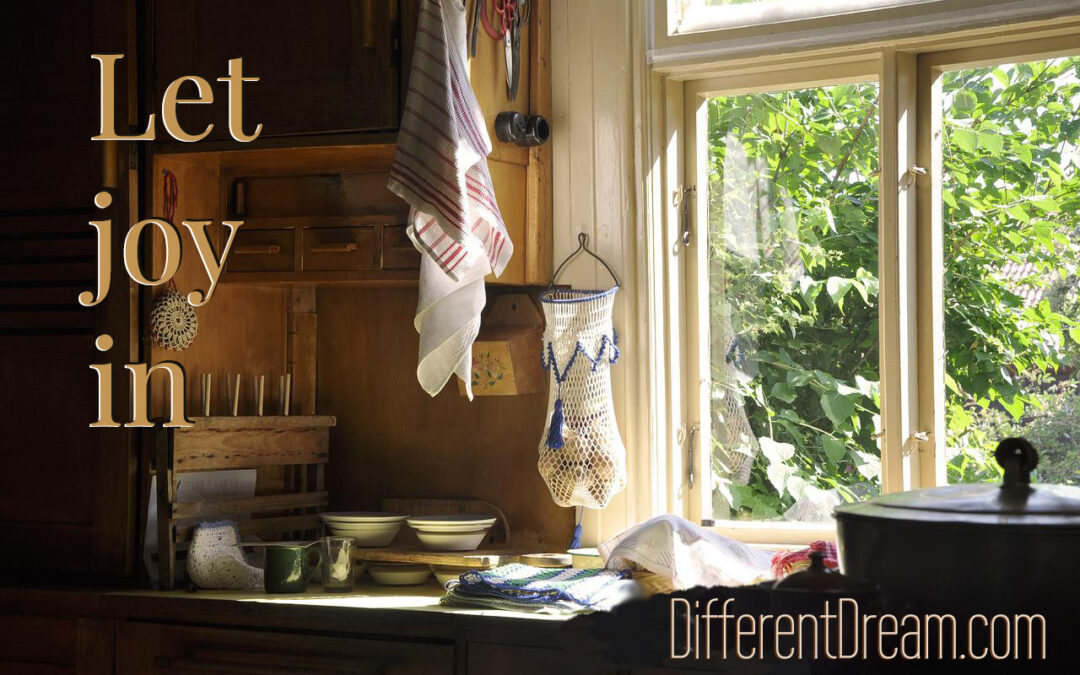
We attribute the second change to the power of an open window.

For years she insisted on having her window shades shut. But when my brother and I stayed with her during a recent hospital stay, we insisted on opening the shades. Mainly because we couldn’t stand sitting in the dark all day long. Soon she became more alert during the day and slept better at night. When she returned to her residential facility, we asked her team to add an item to her care plan.

Window shades are to remain open during the day.

The improvement in Mom’s mood has been phenomenal.

To read the rest of The Power of an Open Window visit the Key Ministry blog.

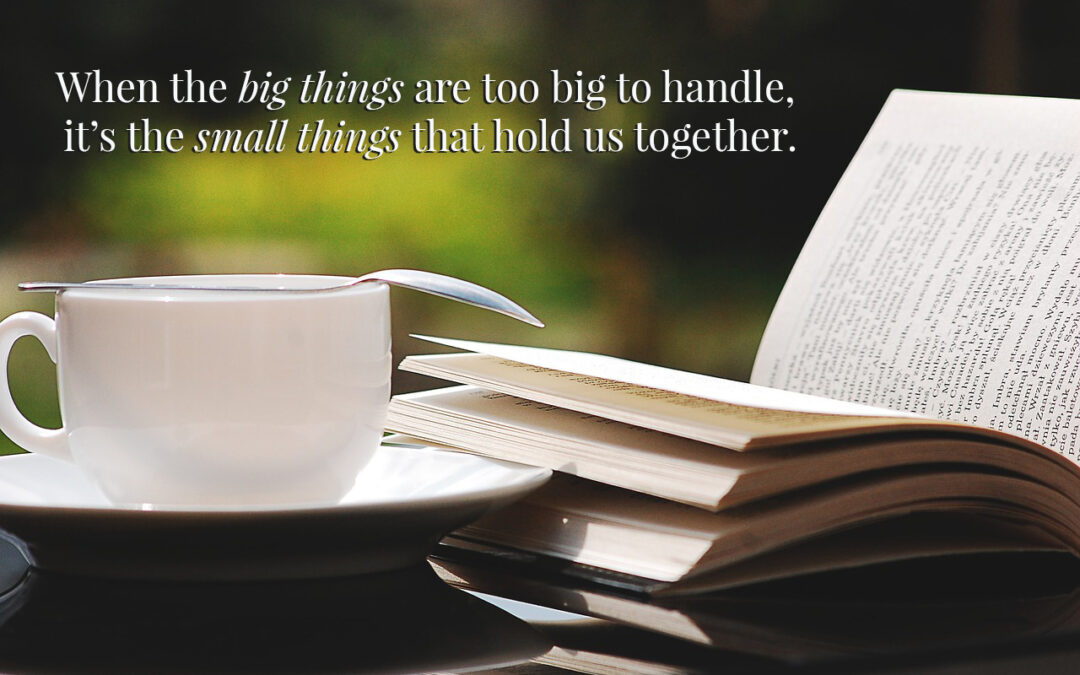
Image by agata822 from Pixabay

Do you like what you see at DifferentDream.com? You can receive more great content by subscribing to the monthly Different Dream newsletter and signing up for the daily RSS feed delivered to your email.

By

Jolene Philo is the author of the Different Dream series for parents of kids with special needs. She speaks at parenting and special needs conferences around the country. She’s also the creator and host of the Different Dream website. Sharing Love Abundantly with Special Needs Families: The 5 Love Languages® for Parents Raising Children with Disabilities, which she co-authored with Dr. Gary Chapman, was released in August of 2019 and is available at local bookstores, their bookstore website, and at Amazon. The first book in her cozy mystery series, See Jane Run!, features people with disabilities.

Author Jolene Philo
Archives

Categories

Subscribe for Updates from Jolene

Related Posts
Mindset Does Matter on This Special Needs Journey

Mindset Does Matter on This Special Needs Journey

Mindset Does Matter on This Special Needs Journey

Mindset does matter on this special needs journey. Many years after her son’s diagnosis, guest blogger Sandy Ramsey-Trayvick discovered how choosing to change her mindset allowed her and her family to live more joyfully. In this post, she guides caregiving parents through the same process.

During the earlier part of my 20+ year journey as a special needs mom, I put the dreams and hopes I’d had for my life in the back of my mind—far from view. Without realizing it, I slowly began developing a mindset about my special needs life that would later leave me feeling trapped by our family’s circumstances.

Although I knew that my family had been blessed in so many ways, the constraints, the difficulties, the weariness were all real—and, silently, I had started to resent them.

Rather than proactively brainstorming and trying new approaches that might allow for more freedom, fulfillment, or joy, I had become conditioned to just let things be. And, because everything was already so hard, trying something new—that might not work—didn’t seem worth the energy or the risk. So instead I stayed in a reactive mode, ignoring opportunities to choose differently.

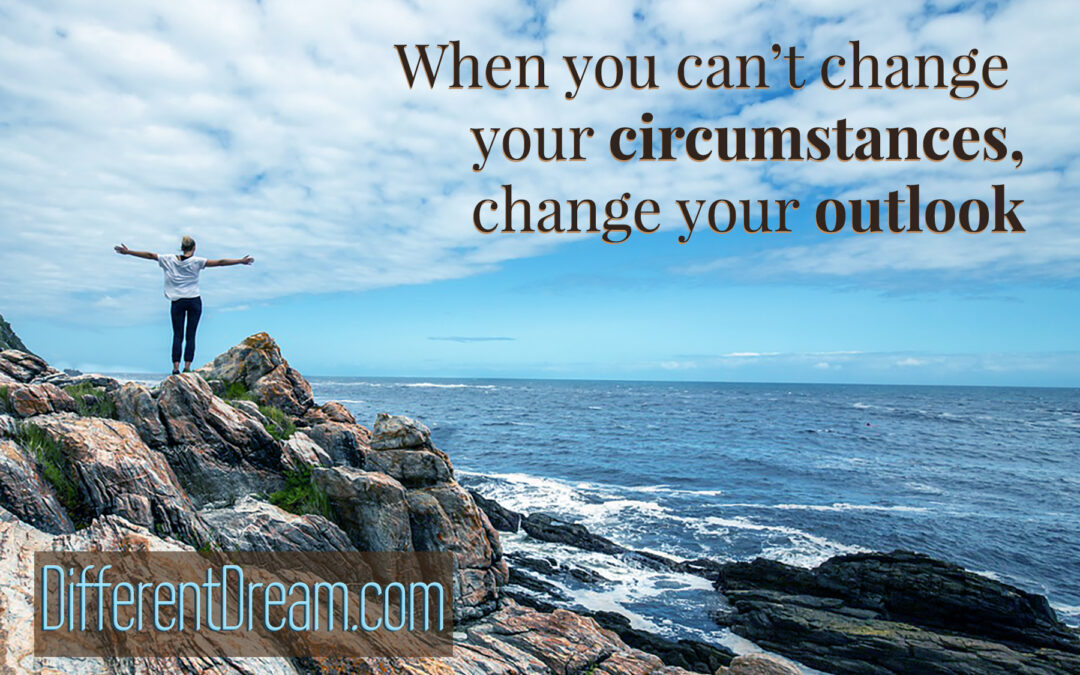
Many years later the Lord gave this way of thinking a name and showed me that mindset does matter. He called it a disabled life mindset, and revealed that, because I was so focused on the things in my life that were hard or painful, I wasn’t able to see the possibilities for greater freedom, vibrancy, and joy.

God wanted me to be joyful in my circumstances so I could see His way forward despite my circumstances.

As the Lord helped me to see how this mindset was at work in my life, He made it clear that living a disabled life was not His plan for me or my family. Even in the face of the real difficulties that were present in our life as a special needs family, He revealed that we still had the power to choose our responses. He showed us that mindset does matter.

While there were certainly things we couldn’t change, how we chose to respond to the situations we faced would impact the quality of our lives more than anything else.

We had the power to choose:

    • whether we’d remain stuck in regretful inaction or move forward, inspired by hope
    • whether we’d live in defeat or with joy and gratitude.

We had to look at all the choices that were available to us, and ask questions that would help us figure out how we could make the most of our unique special needs journey.

The types of questions we’ve asked and continue to ask are:

    • What is God’s perspective/purpose/promise here?
    • What do I believe about my circumstances? What is the basis of my belief? How does it align with what God says?
    • How does my role as a special needs parent fit into who I already am?
    • What’s most important here for me and my family?
    • What choices do we have?
    • What do we need to learn?
    • What do we need to let go of?

Admittedly, changing mindsets can be hard work. But God is with us to help because He knows that mindset does matter. With Him, we can succeed at learning how to live more free, more joyful, and more fulfilling lives.

One choice at a time.

One step at a time.

Do you like what you see at DifferentDream.com? You can receive more great content by subscribing to the monthly Different Dream newsletter and signing up for the daily RSS feed delivered to your email.

By

Sandy and her husband are parents to three young adult children. Their son was diagnosed with multiple disabilities 21 years ago after a devastating illness as a toddler. Following her son’s diagnosis, Sandy quit her job to become his full-time caregiver and advocate.

Sandy is currently a Certified Professional Coach. Her focus is to come alongside other special needs parents, helping them to recognize choices that will enable them to reclaim freedom, renew purpose, and reactivate joy.

You can learn more about Sandy, her work and her blog at www.UNDisabledLIVES.org. You can also reach her at Sandy@UNDisabledLIVES.org.

Author Jolene Philo

Archives

Categories

Subscribe for Updates from Jolene

Related Posts

The Importance of Self-Care for Caregivers, Part 2

The Importance of Self-Care for Caregivers, Part 2

The Importance of Self-Care for Caregivers, Part 2

The importance of self-care for caregivers is a reality Heather Johnson has learned to deal with in her own life. She shared that story In Part 1 of this series. Today she finishes the series with specific, practical ideas for caregivers like you and me.

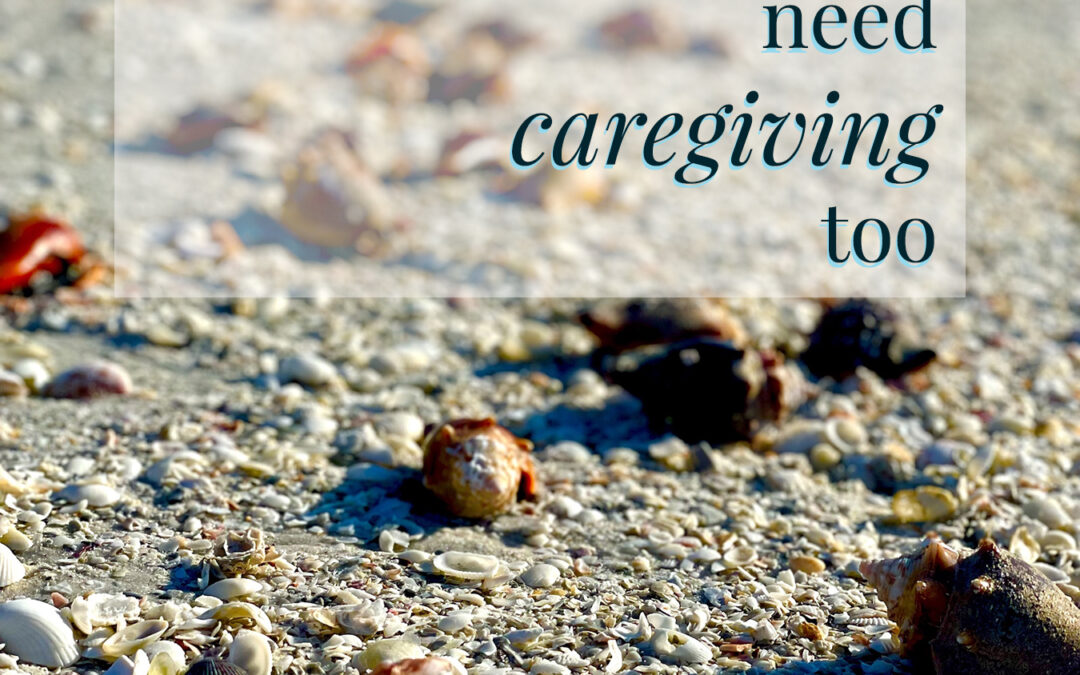
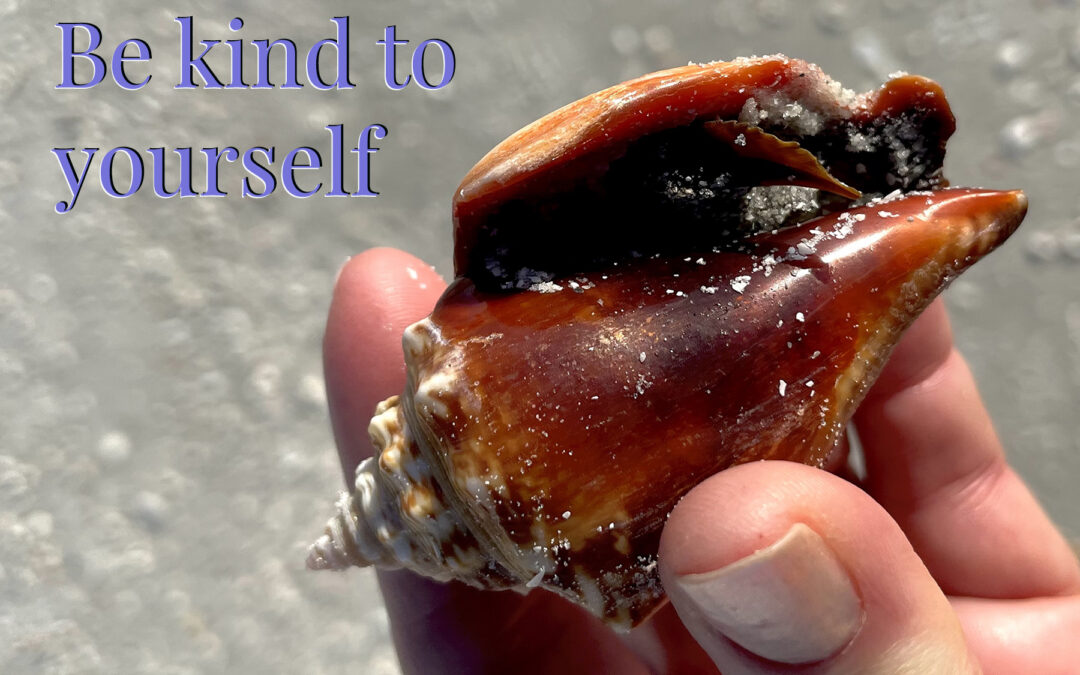
In February, I wrote about a lesson learned from fighting conchs washed up on the shore, desperate for compassionate, gentle care. As caregivers for family with special needs, it’s easy to neglect our own mental, physical, and relational needs—something that is detrimental for all.

Over the twenty-five years of raising three kids with invisible disabilities, I’ve learned the importance of self-care for caregivers. These mental, physical, and relational self-care practices are helpful to me. I hope they can help you too.

Mental Health

  • Challenge your thoughts. Is what you’re saying to yourself or another true? Regardless of feelings, focus on truth because truth sets us free.
  • Be gentle with self-talk. Perhaps thoughts or actions need adjustment, but judgment is not only unnecessary, it’s unhealthy for us and others.
  • Avoid the poison of comparison. Everyone has their own path, and every life is precious.
  • If you need help, get help. Self-advocacy for mental health is a sign of strength, not weakness. Depression and anxiety have many root causes. There’s no need to feel shame. (You can use my motto, if it’ll help: Others’ opinions of me are none of my business.) It’s true!
  • Practice gratitude. Focus on what you do have more than on what you don’t

Physical Health

  • Eat healthy. Eat whole foods as much as possible. Minimize refined sugar, processed foods, and ingredients that cause stress on our systems.
  • Exercise daily in ways you love. Regular exercise offers positive mental health benefits.
  • Go outside. Fresh air in your lungs and sunshine on your face are good for you.
  • Practice gratitude. Yes, gratitude has positive effects on physical health too.

Relational Health

  • Spend time with someone you trust. Someone who can empathize, someone who can listen without offering advice. Sometimes having a shoulder to cry on and an ear to hear is the best self-care of all.
  • Treat others as you would want to be treated. You are precious and have a combination of strengths and weaknesses. So does everyone else. If you want others to treat you gently without judgment, offer others the same. Even if they don’t respond well, your mental and physical health will benefit and the possibility of others’ hard shells softening increases substantially.
  • Practice gratitude. Everyone can annoy us at times. But we are free to focus on annoyances or something positive about every person. What we feed our minds about others affects our relationships with others, both positively and negatively. Find and focus on the good and you will gain.

All life is precious and deserves compassionate care. If we recognize the importance of self-care for caregivers and practice it in simple ways every day, we are able to offer our loved ones the best care. What do you do to practice self-care? Let us know in the comments below. We can all benefit by learning from each other.

The Importance of Self-Care for Caregivers, Part 1

Do you like what you see at DifferentDream.com? You can receive more great content by subscribing to the monthly Different Dream newsletter and signing up for the daily RSS feed delivered to your email.

By

Heather MacLaren Johnson and her husband have three kids, all five and under when adopted from Russia. Now young adults, all need regular help with their multiple, permanent, invisible disabilities stemming from prenatal exposure to alcohol (FASD).

Heather has B.S. in Education and a doctorate in Clinical Psychology. She is the author of Grace, Truth, & Time: Facilitating Small Groups That Thrive and has published personal essays in The Wonder Years: 40 Women Over 40 on Aging, Faith, Beauty, and Strength (Kregel Publications) and Your Story Matters: Finding, Writing, and Living the Truth of Your Life (NavPress). She’s writing a memoir about her family’s journey through hidden disabilities and mental illness to encourage others to greater intimacy with God and each other through times of desolation and lament.

Heather and her husband of 27 years live with two horses, two dogs, two barn cats, and a bunch of silk plants she just dusts. Heather writes and photographs at www.truelifewithgod.com.

Author Jolene Philo

Archives

Categories

Subscribe for Updates from Jolene

Related Posts

Small Things Are Saving Me This Winter

Small Things Are Saving Me This Winter

Small Things Are Saving Me This Winter

Small things are saving me this winter. Just like they did last February when I wrote about how small acts of mothering and fathering add up to create a big thing—a caregiver’s sacrificial life.

The small things saving me this year are more mundane, but no less crucial, as the pandemic has not allowed life to return to what the rest of the world hoped it would be by now. Once the pandemic does wane, the lives of many parents raising kids with disabilities and special needs will still be marked by health concerns, sacrificial caregiving, and constant stress. We will still need to identify the small things that spark gratitude and help us persevere.

I created such a list to remind myself that God is at work in the small things of my life. Written in no particular order, it’s obvious that the small things are saving me, and that many of them are very small indeed.

  1. My Yeti thermos. I like my hot beverages really hot. My Yeti keeps my tea or coffee hot for a really, really long time. That means I can sip whatever’s in the thermos for an hour or more, something I also love.
  2. Libraries. Reading is my favorite leisure time activity, and libraries allow me to read in whatever format I want—hardcover, Kindle, or audio—without spending a penny. I also check out books and movies to share with our multigenerational family and take my 3-year-old granddaughter to library story time every week, also for free.
  3. Our Instant Pot. My daughter and I purchased one on Black Friday. I still have a lot to learn about it, but already enjoy throwing ingredients in the pot an hour before supper and serving up soup that tastes like it’s been simmering all day.

To read the rest of Small Things Are Saving Me, visit Key Ministry’s blog for special needs parents.

By

Jolene Philo is the author of the Different Dream series for parents of kids with special needs. She speaks at parenting and special needs conferences around the country. She’s also the creator and host of the Different Dream websiteSharing Love Abundantly With Special Needs Families: The 5 Love Languages® for Parents Raising Children with Disabilities, which she co-authored with Dr. Gary Chapman, was released in August of 2019 and is available at local bookstores, their bookstore website, and at Amazon. The first book in her cozy mystery series, See Jane Run!, features people with disabilities and will be released in June of 2022.

Author Jolene Philo

Archives

Categories

Subscribe for Updates from Jolene

Related Posts

The Importance of Self-Care for Caregivers, Part 1

The Importance of Self-Care for Caregivers, Part 1

The Importance of Self-Care for Caregivers, Part 1

The importance of self-care for caregivers is a reality Heather Johnson lives with. In this post she tells how her efforts to save fighting conchs on the beach reminded her of the importance of self-care for caregivers.

As I walked along Marco Island’s shore, I saw hundreds of fighting conchs brought in by the tide with life inside their shells. I knew I couldn’t save them all, but I scooped up all my hands could hold. All had special needs.

You see, fighting conchs try their best to survive being beached. Sometimes they try to claw themselves closer to the water where high tide will take them home. But sometimes they are washed up with their shell openings facing up. Only a sweep of high tide might save. Or someone might notice and help.

Had I simply thrown the fighting conchs back into the sea, they would mostly likely have died from the impact. Fighting conchs are fragile creatures despite their hard exteriors. They must be placed gently onto their soft seabed to recover their strength.

Cradling them in my cupped hands, I stepped into the salty water, past the surf’s pushing and pulling, and placed them where they would not just survive but thrive.

After turning and walking back to the beach, I thought about the three children my husband and I scooped up in our arms and carried gently to their new home far from the Russian orphanage near the Bay of Finland’s shore.

Our quarter-century family journey has had its ebbs and flows, its crashing and calm as I’m sure all families have. Within a couple years, however, our family had files full of testing reports with numerous diagnoses—all three kids had invisible, permanent disabilities stemming from fetal alcohol exposure. Specialists and therapies became a permanent part of our family. Many still help us today, now that our kids are adults.

But our kids aren’t the only ones with special needs. Trying my best to take care of our kids, I neglected my own needs and developed my own disability—debilitating depression with agonizing anxiety. My brain defied me. I felt washed up, desperate, and vulnerable as a fighting conch unable to claw its way back to sea. I’m thankful for the compassionate care of family and friends along with medication and therapy that brought me gently back to health. And I learned the importance of prioritizing self-care so I’m able to offer the best care long-term to those I love.

Where are you today with self-care? Swimming along just fine, living well with the stress of life? Or are you washed up, in desperate need of compassionate care from yourself and others? If you’re anything like me, sometimes it’s hard to let people see beyond your shiny shell to care for your sometimes fragile soul. Might I gently encourage you to take care of you?

Be kind to yourself by taking care of yourself. Seek health in all forms—mental, physical, and relational. You work so hard at helping others. Do them the best favor by giving yourself the same compassionate care.

For tips on specific ways to improve self-care mentally, physically, and relationally, see The Importance of Self-Care for Caregivers, Part 2.

Do you like what you see at DifferentDream.com? You can receive more great content by subscribing to the monthly Different Dream newsletter and signing up for the daily RSS feed delivered to your email.

By

Heather MacLaren Johnson and her husband have three kids, all five and under when adopted from Russia. Now young adults, all need regular help with their multiple, permanent, invisible disabilities stemming from prenatal exposure to alcohol (FASD).

Heather has B.S. in Education and a doctorate in Clinical Psychology. She is the author of Grace, Truth, & Time: Facilitating Small Groups That Thrive and has published personal essays in The Wonder Years: 40 Women Over 40 on Aging, Faith, Beauty, and Strength (Kregel Publications) and Your Story Matters: Finding, Writing, and Living the Truth of Your Life (NavPress). She’s writing a memoir about her family’s journey through hidden disabilities and mental illness to encourage others to greater intimacy with God and each other through times of desolation and lament.

Heather and her husband of 27 years live with two horses, two dogs, two barn cats, and a bunch of silk plants she just dusts. Heather writes and photographs at www.truelifewithgod.com.

Author Jolene Philo

Archives

Categories

Subscribe for Updates from Jolene

Related Posts

Typical Caregiver Stress or More Serious Mental Health Symptoms?

Typical Caregiver Stress or More Serious Mental Health Symptoms?

Typical Caregiver Stress or More Serious Mental Health Symptoms?

Distinguishing between typical caregiver stress or more serious mental health symptoms can be a challenge for special needs parents. Guest blogger Kristin Faith Evens provides guidance about how to tell the difference and what to do once you know the difference.

Beep, beep beep! Beep beep!

My groggy eyes darted to the red numbers on the vitals monitor. Heart rate high. Oxygen too low.

Dragging myself out from the covers, I secured the oxygen tubing under my daughter’s tiny nose. Then I gazed at Bethany Grace’s doll-like face. So beautiful yet so fragile. Crawling back into bed, I prayed for another two-hour block of sleep.

Like a zombie, I trudged through the nonstop care and rehab therapies for my daughter for months. I began to find myself sitting in a corner on the floor more days than not.

I can’t do this much longer. I’m so overwhelmed. No one can understand what I’m going through.

Wishing I Had Gone Sooner

Unfortunately, I waited sixteen months to find help for my symptoms of post-traumatic stress disorder, generalized anxiety, and severe depression. If I had sought treatment earlier, I likely wouldn’t have spiraled into serious suicidal thoughts.

Grieving the loss of a typical, healthy child is common. Experiencing stress from the added caregiving demands, expenses, and strain on relationships is expected.  But when symptoms of depression and anxiety impact you daily, going for a mental health consultation is in order.

Considering Two Types of Thoughts

Signs of Healthy Coping

  • I feel like I’m managing well.
  • My life is challenging, but I’m doing okay.
  • I have options and resources I can reach out to.
  • I enjoy talking with other people.
  • I’m sad about my loss, but things are going to get better.
  • I’m adjusting to being a special needs parent.

Signs of Potential Mental Health Condition

  • I feel so overwhelmed.
  • I find myself sad and crying a lot.
  • Nothing is ever going to get better.
  • I don’t want to be around other people.
  • It’s hard to get motivated to get out of bed.
  • Alcohol or pills help me cope.
  • I can’t handle this much longer.
  • I’m so anxious I have a hard time functioning.
  • I don’t feel like eating as much or I’m eating a lot more than usual.
  • Which thoughts do you resonate with more? If you relate to the first list, it sounds like you’re validating that your life circumstances are hard, and you’re finding healthy ways to cope.

If the second list sounds more familiar to you, consider these additional questions.

  • Are your symptoms impacting the quality of your daily life and/or your family?
  • Are you concerned or have others expressed concern about your mental wellbeing?
  • Are you wishing that you were dead or having thoughts about harming yourself?

If you think you are experiencing symptoms of depression, anxiety, or another mental health disorder, please seek professional help immediately. Don’t wait like I did.

If you are in crisis or worried about your safety, call the national suicide prevention lifeline at 800-273-TALK (8255) or go to your nearest emergency room.

Good Resources to Investigate

Whether you’re dealing with typical caregiver stress or more serious mental health symptoms, I hope you find the healing and support you need.

*The contents of this article are intended for informational purposes only and not a substitute for seeking professional mental health advice.

 Photo credit from Unsplash: Rae Angela

Do you like what you see at DifferentDream.com? You can receive more great content by subscribing to the monthly Different Dream newsletter and signing up for the daily RSS feed delivered to your email inbox. You can sign up for the first in the pop up box and the second at the bottom of this page.

By

Kristin lives with her husband, Todd, and their two children in the Nashville, TN area. As an author and mental health therapist, her greatest passion is walking with others on their journey to deeper emotional, psychological, and spiritual wholeness. As both her children have rare genetic disorders, Kristin especially loves supporting other parents of children with special needs. She hopes that you may find encouragement and support through her two websites and blogs, www.KristinFaithEvans.com and www.SpecialNeedsMomsBlog.com.

Author Jolene Philo

Archives

Categories

Subscribe for Updates from Jolene

Related Posts