PANS: Early Diagnosis Is Key

PANS: Early Diagnosis Is Key

PANS: Early Diagnosis Is Key

PANS is a puzzling condition. Guest blogger Lisa Pelissier’s world changed after her child had a bout of food poisoning. She tells her story in this post in hopes that other parents will recognize its symptoms so their children can receive crucial early treatment.

I have four children. One of my other children has high-functioning autism or Asperger’s Syndrome, depending on whom you ask. That child has always been an unusual character, full of funny quirks and troublesome issues. Despite the fact that that child is an amazing human, I had always worried.

I had never worried about my neuro-typical child.*

This was my neuro-typical one. The one without any issues. The one with the constant enthusiasm for life. The one with the drive to excel. The one with eyes that sparkled with mischief. This child was fine.

At age twelve, my child came home from summer camp with food poisoning. The whole group was barfing; three of them were sick enough to get sent home. Mine was one of them. That was in July.

By September my child’s stomach was better but my child still wasn’t eating much. And then there was the soul-crushing, life-strangling OCD. Our lives turned into a nightmare. My child couldn’t do anything except hang on to the beloved pet lizard like life itself depended on it. My child’s mind stopped functioning. My child’s handwriting became the scrawl of a kindergartener and there were often holes in school papers because of the extreme pressure my child exerted every time the letter “L” occurred.

The pediatrician said teenagers oftentimes “need counseling”.  I was sure the psychiatric symptoms were related to the food poisoning but no one would listen to me. We tried supplements. We tried changing my child’s diet. After six months of the nightmare we went to a psychiatrist who prescribed medication for the OCD. It helped. It didn’t fix the problem, but it diluted the symptoms. We were still at sea, but at least my child’s nostrils were above water.

My child had been sick for a year and a half when I first heard of PANS. A friend mentioned that her son had this unusual disorder called PANS. That stands for Pediatric Acute-onset Neuropsychiatric Syndrome. She didn’t say much about it so I googled it when I got home. Point for point, it described what had happened to my child. The pediatrician still scoffed. Alternative medicine didn’t help. Changes to diet only made my child more stressed.

PANS is best treated if it’s caught early, but I didn’t have a name for it for the first year and a half my child was sick. It’s in the hope that someone else will catch it earlier, that someone else’s child and family won’t have to endure what we’ve been through that I’m writing this.

My brilliant child, my sparkling child, my ambitious child was gone. This child squeaked through school and came out the other end the worse for the wear. School was meaningless. It was just more anxiety, more pressure. When I look back at pictures from the early days when my child was so sick I can see it in my child’s eyes… blank despair, dark circles, anxiety. I did the best I could be there was nothing that helped. Looking back I feel like there should have been more I could have done. I should have known sooner. I should have insisted. I should have done a million things better than what I did. I’d failed.

But the biggest failure was that my child wasn’t diagnosed earlier. Early diagnosis is key.

By the grace of God, my child is improving. But my child may always deal with this invisible disability.

Please watch for the symptoms of PANS, especially following an illness. I hope that if this is your child, you will be able to get help before the condition progresses.

  • Sudden-onset OCD
  • Regression in schoolwork, especially handwriting
  • Irritability
  • Reluctance to eat or picky eating
  • Behavioral regression
  • Clinginess
  • Anxiety or depression
  • Sleep Disturbance
  • Urinary Frequency

 I’ll probably never understand why this hardship came to my child. But I praise God. My child has never asked why. This child never blamed me. This child had accepted illness with much more grace than I have. My child is still the same amazing kid, despite the heavy burden to bear. God has been faithful to walk the path with us, but He didn’t keep us from it.

Psalm 119:75-76 says “I know, O Lord, that Your judgments are righteous, and that in faithfulness You have afflicted me. O may Your lovingkindness comfort me, according to Your word to Your servant.”

*This child asked me to only reference him or her as “my child” in this article.

Do you like what you see at DifferentDream.com? You can receive more great content by subscribing to the monthly Different Dream newsletter and signing up for the daily RSS feed delivered to your email.
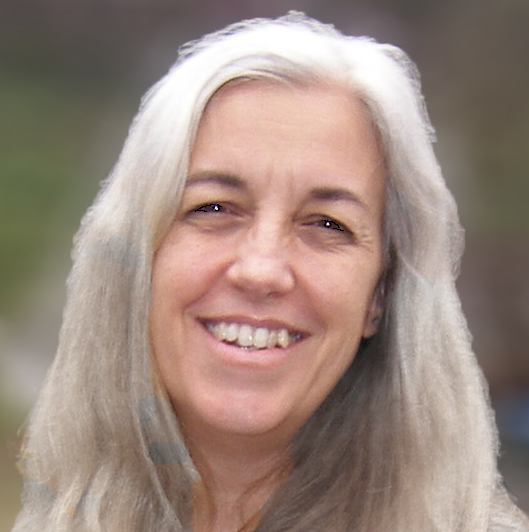
By

Lisa Pelissier lives in Oregon where she is a homeschooling mother of four (three with disabilities) and author of two middle-grade fiction novels. Lisa owns SneakerBlossom Books, offering Christian, classical homeschool Study Guides and curriculum. She also works as a freelance copy editor, an artist, and a tutor. In her spare time Lisa enjoys playing the piano and fretting about things over which she has no control. Email Lisa at sneakerblossom@yahoo.com or connect on Facebook.

Author Jolene Philo

Archives

Categories

Subscribe for Updates from Jolene

Related Posts

Using the Love Languages with Siblings of Kids with Special Needs and Disabilities

Using the Love Languages with Siblings of Kids with Special Needs and Disabilities

Using the Love Languages with Siblings of Kids with Special Needs and Disabilities

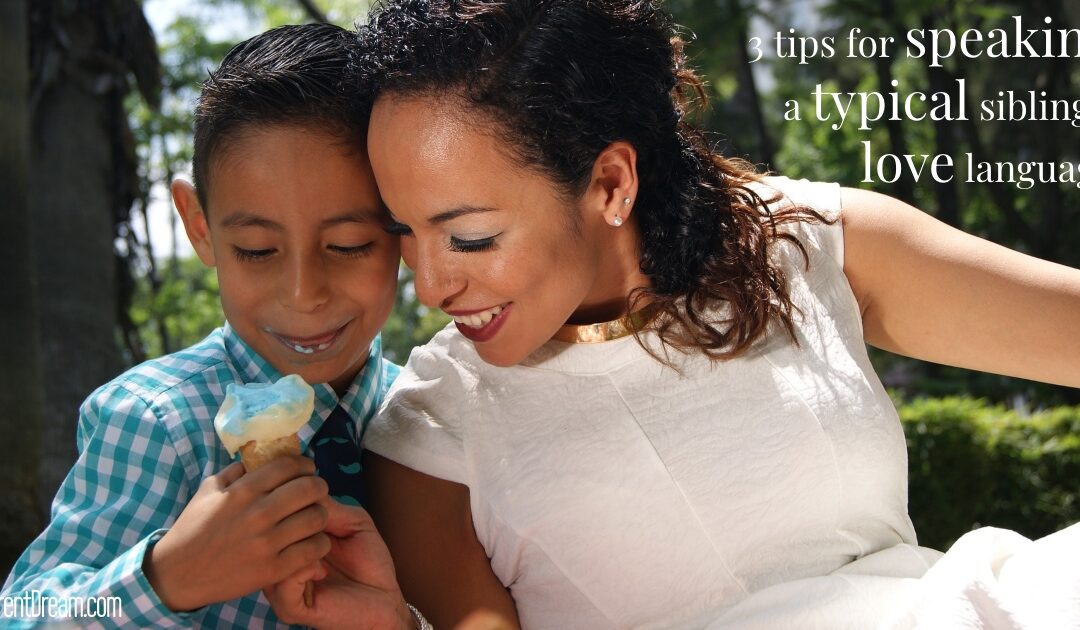
Using the love languages with siblings of kids with disabilities and special needs is important. That’s a statement caregiving parents can agree with. Implementing the practice, however, is an entirely different kettle of fish.

The needs of our kids with special needs feel more urgent.
They require more time.
They drain our energy.

And yet, our typically-developing kids are children, too.

They need our attention.
They need us to speak love in the language they understand best.

Thankfully, the parents I interviewed while writing Sharing Love Abundantly in Special Needs Families: The 5 Love Languages® for Parents Raising Kids with Disabilities shared many great ideas about how to do just that. Here’s a smattering of the wisdom found in chapter 7 of  Sharing Love Abundantly.

  1. Be intentional about creating one-on-one time. This can be as easy as taking the typical sib with you while running errands. Or taking them out to lunch once a quarter during the school year. You get the idea.
  2. Create family traditions. One family made Friday pizza and movie night. After pizza, everyone got into their pajamas. The whole family watched the first movie together. Then the siblings with special needs went to bed and the rest of the family watched a second movie.
  3. Encourage typical kids to use the love languages with their disables siblings. Teach them how to speak love in their siblings’ primary love language and give them time to practice. The encouragement and guidance you provide will be interpreted by the typical siblings as their primary love language. So it’s a win-win situation.

You’ll find many more stories and creative ideas about using the love languages with siblings of kids with disabilities and special needs in Sharing Love Abundantly. I encourage you to give them a try and to come back in a few weeks for the next post in this series, which will explore ways to share the love language concepts with friends and extended family.

Links to other articles in this series:

The Love Languages and Special Needs Families: A Good Combination

Basic Love Language Concepts to Ease Stress and Increase Joy in Caregiving Families

Threats to Caregiving Marriages and How To Fight Them 

Love Is a Child’s First Language

Determining the Love Language of a Child with Special Needs or a Disability 

Ways to Speak Words of Affirmation and Quality Time to Kids with Special Needs 

Ways To Speak Gifts and Acts of Service to Kids with Special Needs 

Speaking Healthy Physical Touch to Kids with Special Needs

Extended Family Members Can Use the Love Languages to Encourage Caregiving Parents

Communicating Your Child’s Love Language to Medical Professionals

Communicating Your Child’s Love Language to Educators 

Do you like what you see at DifferentDream.com? You can receive more great content by subscribing to the monthly Different Dream newsletter and signing up for the daily RSS feed delivered to your email.

By

Jolene Philo is the author of the Different Dream series for parents of kids with special needs. She speaks at parenting and special needs conferences around the country. She’s also the creator and host of the Different Dream websiteSharing Love Abundantly With Special Needs Families: The 5 Love Languages® for Parents Raising Children with Disabilities, which she co-authored with Dr. Gary Chapman, was released in August of 2019 and is available at local bookstores, their bookstore website, and at Amazon.

Author Jolene Philo

Archives

Categories

Subscribe for Updates from Jolene

Related Posts

Pets and Kids with Special Needs

Pets and Kids with Special Needs

Pets and Kids with Special Needs

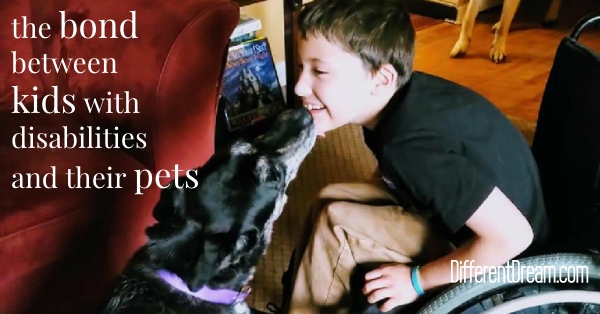
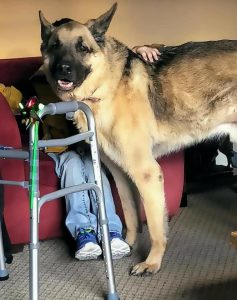
Pets and kids with special needs is a topic that is always near and dear to guest blogger Trish Schaeffer’s heart. Today she presents evidence about why pairing pets and kids with special needs is beneficial as a way to honor a pet who loved Alex, her son who lives with special needs.

 “Many professionals argue that animals are able to perceive people’s physical and developmental disabilities and are able to adapt to them. To date, there is no scientific evidence in support of this hypothesis” So states a quote by one scientist out there somewhere. 

I beg to differ. 

Pets help kids with disabilities. The keen senses of pets can detect seizures, dips in blood sugar, remove obstacles, and alert caregivers. They can even remind young owner to take medications. 

Pets are highly intuitive when it comes to sensing pain or illness and have instincts for giving assistance to their owners. They also give an astounding level of protection to their young charges. They are known for decreasing social anxiety and stress. 

Many pets do not have special training but they still help kids with disabilities. They seem to gain an understanding of the needs and differences of a disability or special need. They behave as if they know and understand their children. They purr, encourage play, and assist with mobility.

 I can bear witness to this. Our 2 cats and 2 dogs understood Alex’s differences and disability. Each one in their own way adapted and offered assistance without formal training. One cat would alert to seizures out of the blue.

Our pets would take turns laying beside Alex after surgeries and when he was ill, as if protecting and comforting. Our biggest dog allowed Alex to use his body to assist with sitting on the floor and standing. That dog’s actions helped teach Alex how to sit up unassisted over the years. Another dogs sensed his sadness and comforted him by allowing as many hugs as Alex wanted. 

It blows my mind, that with no formal training our pets understood and gave Alex a helping hand–or paw. To me that demonstrates the unshakable bond of love, acceptance, and understanding animals offer, regardless of someone’s disability. We as humans should take notes from the relationships of pets and kids with special needs.  

Author’s note: This article is hard to write even now as our bigger dog I have mentioned went over the rainbow bridge in June of 2021. I want to honor Toby’s undying service to Alex over the last 11 years. To honor his love and acceptance and truly becoming Alex’s best friend. May you run free Toby and no longer be in pain until we see you again. 

Do you like what you see at DifferentDream.com? You can receive more great content by subscribing to the monthly Different Dream newsletter and signing up for the daily RSS feed delivered to your email.

By

Trish Shaeffer is the mom of 3 active boys, 2 of whom have special needs. She’s a peer supporter for Parent to Parent and volunteers with the United Cerebral Palsy Network, Special Olympics, and the United Way. She’s also an equine volunteer at Leg Up Farm. She’s married to her best friend and biggest supporter, Chris Schaeffer.

Author Jolene Philo

Archives

Categories

Subscribe for Updates from Jolene

Related Posts

When Life Gets Really Crazy I Dream about our Vacation

When Life Gets Really Crazy I Dream about our Vacation

When Life Gets Really Crazy I Dream about our Vacation

“When life gets really crazy, I dream about our vacation.”

Those who know me well would surmise those were my words. I make such statements often. But in actuality they came from my husband Hiram, a calm man who rarely becomes stressed by either hard work or obstacles.

When he uttered those words in March of 2021, life was really crazy.

  • We were in month 13 of a home addition project which was supposed to take about 8 months.
  • We were filling out the paperwork related to turning 65 this year.
  • The grandchildren, ages 6 and 3, who live with their parents in the lower level of our house, were going through a less-than-endearing phase.
  • We were unable to go out for a meal or to a coffee shop because of the pandemic and a cold spring that put the kibosh on dining outdoors.

Not quite what he expected for his last year before retiring on June 30. He had every reason to dream about our upcoming month long vacation–on the rare occasions when we’re not occupied with the addition, paperwork, or grandkids.

I smiled at him on that crazy day. “I do the same thing. I can’t wait.”

The next day my mother’s health took a turn for the worse. April and May became a blur of phone calls and advocacy, along with emails and texts to my siblings about the excruciatingly slow ordeal of locating a residential facility able to meet her increased care needs.

To read the rest of When Life Gets Really Crazy I Dream about our Vacation, visit the Key Ministry website.

Do you like what you see at DifferentDream.com? You can receive more great content by subscribing to the monthly Different Dream newsletter and signing up for the daily RSS feed delivered to your email.

By

Jolene Philo is the author of the Different Dream series for parents of kids with special needs. She speaks at parenting and special needs conferences around the country. She’s also the creator and host of the Different Dream websiteSharing Love Abundantly With Special Needs Families: The 5 Love Languages® for Parents Raising Children with Disabilities, which she co-authored with Dr. Gary Chapman, was released in August of 2019 and is available at local bookstores, their bookstore website, and at Amazon.

Author Jolene Philo

Archives

Categories

Subscribe for Updates from Jolene

Related Posts

Joyful

Joyful

Joyful

Joyful celebrations were hard to come by for many during the pandemic. Though increasing health challenges and isolation affected Sandy Ramsey-Trayvick’s son, he not only found joy but also found ways to express it.  

My son has a new favorite song that he’s been singing a lot lately. It’s called Joyful. When he hears it, he lights up. He laughs and dances and grabs my hand to join him as he sings,

This is the day that the Lord has made
And I ain’t gonna let it slip away
I’m gonna be joyful
I’m gonna be joyful today today.

He laughs, dances and sings even though the past several months have been hard for him. His time at home during the pandemic has been marked with increasingly challenging health issues that have resulted in greater pain and more discomfort.  

Early in the pandemic, I wrote about how the Lord had reminded me to not forget His faithfulness. I shared that His prompting turned out to be preparation for an unforeseen health event for my son. At the time, I’d realized that the Lord wanted me to respond to this event by remembering that He was faithful—to not allow the circumstances to tempt me to question Him.

What I didn’t realize at the time was how many more opportunities I’d have during COVID to remember His faithfulness in the face of worsening health challenges for my son. Throughout this season, I’ve watched my son endure more suffering and distress than he’s had to endure for years. However, despite the increased health difficulties, my son’s joy has not wavered or diminished.  He continues to laugh and smile—singing and dancing and happy. He’s still joyful.

For my son, joy seems to come easily. It has been a source of great strength for him throughout his life. It continues to be one of God’s most precious gifts to him. The unstoppable joy that he has received from the Lord has helped him to persevere through the many challenges that disability and special needs have thrown his way (James 1:2-3). Even when he’s having a bad day, or enough has gone wrong that might make him feel like giving up, he instead proclaims—in his own way—how great his God is by choosing to “rejoice in the Lord.” By remaining joyful, he makes God bigger than his problems.

I have to work a little harder for my joy. I know we’re called to choose joy, but during tough seasons, that’s hard to do on some days. I’m tempted at times to let difficult circumstances bring me down, rather than relying on my joy to help me persevere. I’m so thankful that God’s faithfulness during this season has included reminders—through my son—to be joyful always, in every circumstance.  

So, as my son laughs and sings and grabs my hand to dance and sing along, I join him every time. I pat my heart alongside him and declare for myself,

I got the joy joy down in my heart
Down in my heart
Down in my heart
I got the J-O-Y down in my heart today today.

And we experience that joy together.

Do you like what you see at DifferentDream.com? You can receive more great content by subscribing to the monthly Different Dream newsletter and signing up for the daily RSS feed delivered to your email.

By

Sandy is wife to Terry, mom to 3 young adult children, a Bible study teacher, an encourager to those who are weary, a fitness enthusiast, a lover of books, and a certified professional coach. She and her husband are also marriage mentors. Twenty years ago, after her son was diagnosed with multiple disabilities, Sandy became his full time caregiver and advocate. She knows that living in the world of special needs or disabilities can lead to a “disabled life” mindset that focuses on limitations and settles for less life, less joy, less fulfillment. She coaches parents of children with special needs to help them see their circumstances from a perspective of hope, purpose, and opportunity. She helps them choose actions that create a life for themselves and their families that is joyful, fulfilling and fruitful. You can learn more about Sandy, her work, and her blog at www.UNDisabledLIVES.org.

Author Jolene Philo

Archives

Categories

Subscribe for Updates from Jolene

Related Posts

Milestones, Transitions and Rites of Passage

Milestones, Transitions and Rites of Passage

Milestones, Transitions and Rites of Passage

,Milestones, transitions and rites of passage are events parents anticipate and cherish. In this post, guest blogger Mark Arnold describes how he reframes those events as he and his wife parent their son who lives with additional needs.

 Milestones, transitions and rites of passage are part of every childhood and adolescence. Many of these events can be fraught for all families. For families of children with special needs they can also be a time of significant worry and sadness. We make unhealthy comparisons and are thrown into a cycle of grief as our children are shown to be different from what society understands as normal.

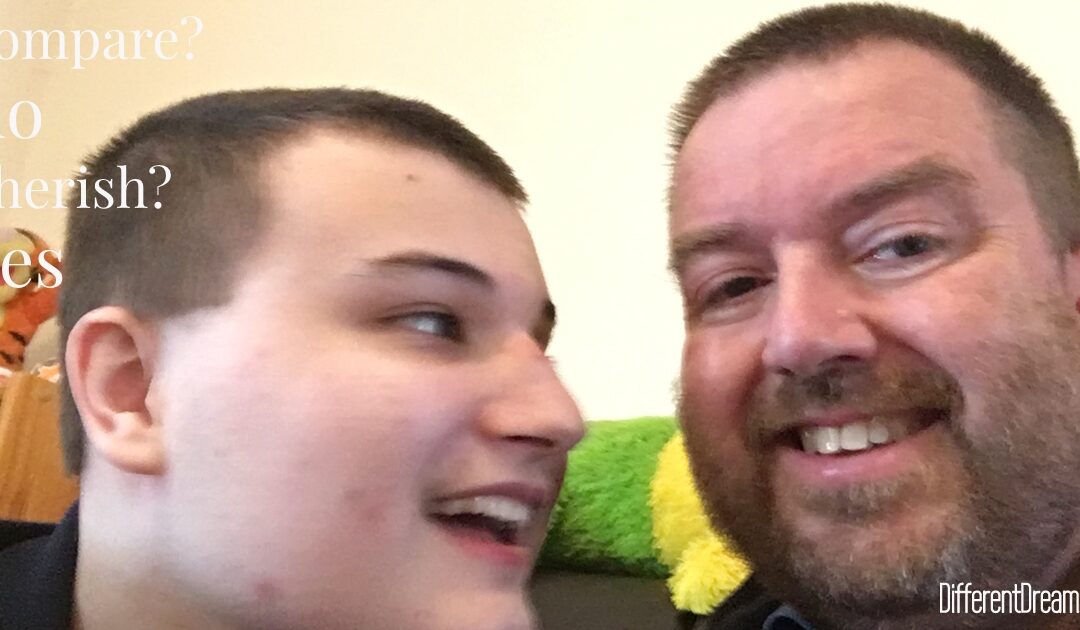
My own son was 18 last summer. Because of his various additional needs, his path of was never going to be the one of a typical 18-year-old. I have long understood this and love him for who he is. Even so, last August was hard. There was news coverage of 18-year-olds jumping excitedly in the air, celebrating their end of school exam results, and looking forward to heading to University. I realized that in a different world, my son might have been one of them. 

Did he mind not having any exam results? No, he has no concept of them. I was the one who was briefly but significantly affected. I was the one who temporarily felt a profound sense of loss.I realized what unhealthy comparison was once again doing to me and I chose to stop.

 A few moments later my sons’ laughter filled the room, and the cloud was lifted. I didn’t need to make comparisons. I could celebrate my son for who he is.

For all he brings to us.
For all we have learned by him being a part of our family.
For all that is different and better about us because of him. 

He doesn’t need a piece of paper to earn our love. He has it unconditionally. He has his own personal milestones, transitions and rites of passage on his own life journey. We’re right alongside him, helping him through them, celebrating them with him when they come along.

There’s a well-known TV ad in the United Kingdom—I live across the pond—where an opera singer uses the catchphrase Go Compare! When the ad comes on, I look at my son and smile. Whatever your reason for reading this post, maybe as a family member, a friend, a church children’s or youth team member, or a church leader, you can learn to smile too. You can go cherish the kids with additional needs in your world instead of go compare.

Do you like what you see at DifferentDream.com? You can receive more great content by subscribing to the monthly Different Dream newsletter and signing up for the daily RSS feed delivered to your email inbox. You can sign up for the first in the pop up box and the second at the bottom of this page.

By

Mark Arnold is the Additional Needs Ministry Director at Urban Saints, a leading national Christian children’s and youth organization. He is co-founder of the Additional Needs Alliance, a national and international advocate for children and young people with additional needs or disabilities. Mark is a Churches for All and Living Fully Network partner, a member of the Council for Disabled Children and the European Disability Network. He writes an additional needs column for Premier Youth and Children’s Work (YCW) magazine and blogs at The Additional Needs Blogfather. He is father to James, who has autism spectrum condition, associated learning disability, and epilepsy. To find out more about how Mark’s work can help you, contact him at: marnold@urbansaints.org or @Mark_J_Arnold.

Author Jolene Philo

Archives

Categories

Subscribe for Updates from Jolene

Related Posts