8 Ways to Advocate at School for Kids with Special Needs

8 Ways to Advocate at School for Kids with Special Needs

8 Ways to Advocate at School for Kids with Special Needs

This winter’s been a long one, but spring is on the doorstep. That means both better weather and annual review season are at hand. Mary Ashby, a teacher consultant for CLC Network (now All Belong), is today’s guest blogger. She’s here with eight great ideas about how to be an effective advocate at school for your child with special needs.

8 Ways to Advocate at School for Kids with Special Needs

There’s a fine line for parents between micromanaging your child’s education and trusting the school. As a parent, teacher, and teacher consultant, I’ve been on both sides of this line…and in the middle! These positions have given me insight into managing and building cooperative parent-teacher relationships. Allow me to share some thoughts I’ve gathered over the years so you can have a healthy, effective relationship with school staff.

  • Be proactive! Take your child to school before the school year starts to meet the teacher, make a connection with them, and share your child’s strengths and struggles as well as strategies that have been successful in the past. If your child is entering a new school, class, or grade, walk through the School Welcome Story to help him or her feel comfortable in the new environment.
  • Communication. Whether it’s during your initial visit to the school or a parent-teacher conference, share your contact information and the best way to get a hold of you. Ask the teacher how they communicate with parents: Is it through a newsletter, email, handwritten notes, or something else? Find out how they share homework assignments (for instance, Moodle, Renweb, a homework folder, or a weekly newsletter). But keep in mind, your job is not to micromanage!
  • Plan ahead. Before entering a meeting with school staff, write down what you would like to learn about or ask and think about how you will say it. Knowing how you want to talk about difficult subjects can help you speak the truth in love (Ephesians 4:15).
  • Be present.  Both you and your spouse should attend the meeting if possible. Don’t bring younger siblings, as they can provide a distraction from the main purpose.
  • Don’t wait. Contact a teacher right away when you detect an issue so you can tackle it together before it becomes much larger.
  • Be open-minded! Your way of “fixing” a problem may not be the only way. Work with your child’s teacher, not against them. You don’t want the teacher to become defensive and dismissive.
  • Divide and conquer. At the end of the meeting, review the plan. Make sure you each know who is responsible for what. Offer recommendations that you can follow through with at home.
  • Dissatisfied? If you aren’t satisfied with the teacher’s response, address the teacher first (Matthew 5) and then go to the principal.

What Do You Think?

What do you think of Mary Ashby’s suggestions? Have you tried some of them? Do you use other strategies? Leave a comment so all parents are preparing for annual reviews can advocate well, too.

Do you like what you see at DifferentDream.com? You can receive more great content by subscribing to the quarterly Different Dream newsletter and signing up for the daily RSS feed delivered to your email inbox. You can sign up for the first in the pop-up box and the second at the bottom of this page.
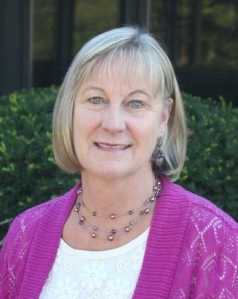
Photo Credit: Jose Kevo, http://flic.kr/p/5BDa7C

By

Mary Ashby is a teacher consultant for CLC Network (now All Belong), a faith-based, non-profit that promotes the development of people with a variety of abilities and disabilities to live as active, integrated members of their communities. Learn more by visiting their website or subscribing to their blog.

Author Jolene Philo

Archives

Categories

Subscribe for Updates from Jolene

Related Posts

Holding It Together When Kids with Special Needs Don’t

Holding It Together When Kids with Special Needs Don’t

Holding It Together When Kids with Special Needs Don’t

Do you have a hard time controlling your emotions when your child with special needs is out of control? The good news is you’re not the only person in the club. The bad news is that the club is big. Really, really big. And one of the members of the club is guest blogger, Kimberly Drew. Today, she talks about what she and her husband do when their daughter can’t hold it together at bedtime.

Holding It Together

So, my pre-teen daughter has decided on a new nightly routine…crying at bedtime and throwing a tantrum. We went through a phase of this when she was about four years old, and I thought I was going to go insane during those months. Here we are again, only she’s not so little and adorable anymore. She’s feels like a giant when she’s straightening her body like a surfboard against my 5’4” frame. The truth is, I feel helpless. Basically, unless I am willing to lay down with her until she falls asleep, we will have to persevere through this phase until she figures out that bedtime is bedtime, no matter how big a fit she pitches!

Her behavior got me thinking about all the other times when we’ve felt frustrated by her lack of communication and ability to express feelings without having a massive melt down. There is always a little problem-solving involved, a lot of prayer, and occasionally a moment of clarity where it all makes sense. More often than not, these kinds of troubles are something that just has to be waited out. Answers to why our children are acting out don’t always come right away, and sometimes there is no reason at all. It’s hard to be patient, to wait out the storm, when it’s blowing in your face. But I do know that it always seems to pass. One way or another, it has a way of dissolving into a memory, and I realize that it wasn’t worth getting so upset over.

Being a parent to a child with special needs has so many challenges. One of those is learning to control our thoughts and emotions when situations are out of our control, and specifically when our children are acting out. We have to remember that it’s normal and expected for them to go through phases of being unsettled. While we may not be able to talk it through rationally with our children, or know that it’s not going to happen again, we have to remember that we are still the ones who set the emotional tone of our home.

We are the ones who have to hold it together when they are losing it.

I know my own nerves have been tested many times. I wish I could say that I have come out of each test with a smile on my face, and a calm and peaceful spirit. Unfortunately, sometimes I’m completely frustrated and exhausted and frazzled! But there have also been moments of grace filled patience. I strive to have more of those!

Any Advice for Kimberly?

Has your child gone through a phase similar to Kimberly’s daughter? How did you hold things together? Leave a comment for Kimberly and other parents who feel like they’re about to lose control. Thanks!

Do you like what you see at DifferentDream.com? You can receive more great content by subscribing to the quarterly Different Dream newsletter and signing up for the daily RSS feed delivered to your email inbox. You can sign up for the first in the pop-up box and the second at the bottom of this page.

Photo Credit: www.freedigitalphotos.net

By

Kimberly grew up and went to college in the small town of Upland, IN. She graduated from Taylor University with a degree in Elementary Education in 2002. While at TU, she married her college sweetheart and so began their adventure! Ryan and Kimberly have four amazing kids on earth (Abigail, Jayden, Ellie, and Cooper), and a baby boy waiting for them in heaven. Their daughter Abigail (Abbey) has multiple disabilities including cerebral palsy, a seizure disorder, hearing loss, microcephaly, and oral dysphagia. She is the inspiration behind Kimberly’s desire to write. In addition to being a stay-at-home mom, Kimberly has been serving alongside her husband in full time youth ministry for almost fourteen years. She enjoys working with the senior high girls, scrapbooking, reading, and music. You can visit Kimberly at her website, Promises and Perspective.

Author Jolene Philo

Archives

Categories

Subscribe for Updates from Jolene

Related Posts

The Power of Special Needs Parents

The Power of Special Needs Parents

The Power of Special Needs Parents

A few weeks ago Different Dream posted a story about Dr. Ignacio Ponseti, a gifted University of Iowa physician. He developed a non-invasive method for treating clubfoot now known as the Ponseti method. You can read more about him at the post, Dr. Ignacio Ponseti: Hero to Special Needs Families.

The Power of Parents in Changing Medical Treatment

But there’s a second horn to toot in this story. I was happy to hear NPR toot the power of special needs parents in a piece about how ordinary dads and moms revolutionized the treatment of clubfoot by championing the Ponseti method. Of course, the good doctor tried to publicize his treatment, as the radio article explained:

Ponseti spent the next 50 years tirelessly trying to get other doctors to accept it, but with little success. “People were falling over themselves to do fancy invasive surgery, and this one strange old guy who speaks softly with a Spanish accent in Iowa was getting sort of ignored by the drumbeat of people who were in favor of surgery,” says Herzenberg, who is one of the foremost practitioners of the Ponseti method today.

In the 1990s, parents started talking about the method on the internet. Here’s how Jennifer Trevillian got involved after her daughter was born with club feet in 2000.

Trevillian joined the small but growing group of parents evangelizing about the Ponseti method online. She built a few websites telling her daughter’s story, and she stayed active on the fast-growing Yahoo group. Parents began following each other’s advice—choosing to abandon doctors who insisted on surgery and often traveling long distances to find a Ponseti practitioner. “The way that the clubfoot treatment pendulum has swung is really a classic example of supply and demand—because once parents found out about it, they demanded it for their kids, and it really forced the medical industry to rethink the Ponseti method,” says Trevillian.

Now the Ponseti method is almost always the recommended treatment. When done correctly, 97 percent of kids born with clubfoot never need invasive surgery. To read the transcript or listen to the whole piece which includes links to more information, go to How Parents and the Internet Transformed Clubfoot Treatment.

Other Power of Parent Stories?

This is a great power of the parent story. But after rubbing elbows with special needs parents, I know many of you have some great stories to tell, too. Now’s your chance to share them. How have you helped transform treatment for your child? Or the attitudes of others? Or created a more inclusive environment? Tell your story in the box below!

Do you like what you see at DifferentDream.com? You can receive more great content by subscribing to the quarterly Different Dream newsletter and signing up for the daily RSS feed delivered to your email inbox. You can sign up for the first in the pop-up box and the second at the bottom of this page.

Photo Credit: www.freedigitalphotos.net

By

Jolene Philo is the author of the Different Dream series for parents of kids with special needs. She speaks at parenting and special needs conferences around the country. She’s also the creator and host of the Different Dream website. Sharing Love Abundantly With Special Needs Families: The 5 Love Languages® for Parents Raising Children with Disabilities, which she co-authored with Dr. Gary Chapman, was released in August of 2019 and is available at local bookstores, their bookstore website, and at Amazon. The first book in her cozy mystery series, See Jane Run!, features people with disabilities and will be released in June of 2022.

Author Jolene Philo

Archives

Categories

Subscribe for Updates from Jolene

Related Posts

Ignorance about Special Needs = Opportunity to Educate

Ignorance about Special Needs = Opportunity to Educate

Ignorance about Special Needs = Opportunity to Educate

Today’s blogger brings an international flavor to DifferentDream.com. Maggi Gale grew up in England, has lived in Africa, and now resides in the Middle East. In this post, she introduces herself and challenges all of us to use misconceptions about our children to educate them about special needs. Would you join me in welcoming new guest blogger Maggi Gale to the Different Dream family?

Special Needs Misconceptions=Educational Opportunities

“Take that child to a hospital!” The sharp comment from a complete stranger shattered my peace. How dare he? And what did he know?

Lois, my EA/TEF daughter, was coughing, as she was getting over her latest chest infection. I had decided to take her for a walk to the beach. After all, we’d moved to the coast to get her into cleaner air.

By this point, her illnesses had established a regular pattern—first the cold, then the chest infection incorporating up to ten restless nights of coughing through the small hours, then, as she recovered, the daytime cough until it all tailed off again. Since the nighttime cough was such an issue, I was relatively unaware of the daytime cough, despite its distinctive seal-like barking sound. Knowing her body patterns by this point, I was just relieved that she was over the worst of it once more.

This wasn’t the first time unsolicited comments had upset me. Outwardly I held my tongue, but inwardly I fumed. It was time to think of a plan. A verbal reply was too emotive for me. So I sat down and thought through what I would like to say instead.

We believed that God had promised to heal our daughter, but from a human perspective, He didn’t seem to be in too much of a hurry. But He’d begun…her surgery had been successful for a start! So, basing my thoughts on the Bible verse ,“He who began a good work in you will carry it on to completion until the day of Christ Jesus,” I designed leaflets explaining Lois’s condition, and the reason for her unusual cough.

I went on to say how some people’s problems are easy to see, or hear, as in Lois’s case! But isn’t God up to something in all His children’s lives? Then, turning the focus, I asked what’s He up to in your life—after all, we are the clay and He is the Potter.

Was that the last day that we were the brunt of insensitive comments? No way. But it was the last day I left myself so open and vulnerable to them. From that day on, I treated the leaflets as my ammunition, and viewed the comments as my opportunity. Each time one came our way, I gave my leaflets, trusting that something good could come even out of something as bad as blatant insensitivity.

As for the man on the beach—what did he know? Nothing about EA/TEF, obviously. But those of us granted children with challenging problems can educate others, if and when we are ready to take up the challenge. Personally, I felt less defensive and more empowered when I finally took up that challenge. Maybe that will work someone else reading this, too.

How Do You Educate Others About Your Child’s Special Needs?

Maggie’s idea to create a leaflet about EA/TEF was fantastic. Now she’s prepared to educate people who are worried by her daughter’s cough. How do you take advantage of opportunities to educate others about your child’s special needs? Leave a comment!

Do you like what you see at DifferentDream.com? You can receive more great content by subscribing to the quarterly Different Dream newsletter and signing up for the daily RSS feed delivered to your email inbox. You can sign up for the first in the pop up box and the second at the bottom of this page.

Photo Credit: www.freedigitalphotos.net

By

Maggi is a wife and mother of two daughters. She is a primary school teacher, having worked in Africa for 14 years before moving to the Middle East. Her passions are her animals and art. Her youngest daughter was born with tracheoesophageal fistula (TEF). This birth condition was to be the start of an arduous journey, impacting the whole family for several years. Through writing, she hopes to turn her experiences into encouragement for others on similar paths.

Author Jolene Philo

Archives

Categories

Subscribe for Updates from Jolene

Related Posts

Choosing a Bed for a Child with Special Needs

Choosing a Bed for a Child with Special Needs

Choosing a Bed for a Child with Special Needs

For many families, shopping for a bed for a child is no big deal. But when the child has special needs, this very ordinary activity offers some challenges. With some forethought and research, these challenges can be easily overcome. Thanks to the blog Autism Daddy, much of the research has already been done!

Why the Right Bed is Extra Important for Kids with Special Needs

The post begins with an explanation of why sleep is so important to kids. “It’s while they’re asleep,” the article states, “that their bodies grow and develop, the brain makes sense of the day’s activities and gets their emotions in check.” Can you imagine being around a child with other special needs who doesn’t have their basic physical needs met on a regular basis? Scary!

What to Consider When Choosing a Bed for Kids with Special Needs

The article provides information on these things to consider when choosing a bed for a child with special needs”

  • Types of children’s beds.
  • Mattresses. Think about comfort, durability, and water-resistance.
  • Weight. Look for a bed heavy enough to remain in place.
  • Positioning. Away from the wall, against the wall, attached to the wall, etc.
  • Color. Avoid colors your child doesn’t like.


The original post, Choosing a bed for children with special needs: top tips, contains many more details, and it has links to vendors, too. The post comes from across the pond in the UK, so the vendor links may not be practical. Even so, parents can still get some good ideas about how to start bed shopping for their kids with special needs.

Your Recommendations?

Have you shopped for a bed for your child? What did you do to make the process easier? What resources did you find? Which ones do you recommend? Which ones didn’t work? Leave a comment!

Do you like what you see at DifferentDream.com? You can receive more great content by subscribing to the quarterly Different Dream newsletter and signing up for the daily RSS feed delivered to your email inbox. You can sign up for the first in the pop up box and the second at the bottom of this page.

Photo source: www.freedigitalphotos.net

By

Jolene Philo is the author of the Different Dream series for parents of kids with special needs. She speaks at parenting and special needs conferences around the country. She’s also the creator and host of the Different Dream website. Sharing Love Abundantly with Special Needs Families: The 5 Love Languages® for Parents Raising Children with Disabilities, which she co-authored with Dr. Gary Chapman, was released in August of 2019 and is available at local bookstores, their bookstore website, and at Amazon. The first book in her cozy mystery series, See Jane Run!, features people with disabilities and will be released in June of 2022.

Author Jolene Philo

Archives

Categories

Subscribe for Updates from Jolene

Related Posts

Household Chores for Kids with Special Needs

Household Chores for Kids with Special Needs

Household Chores for Kids with Special Needs

Guest blogger Liz Matheis believes household chores should join death and taxes on the list of life’s certainties. In today’s post, she suggests how parents can distribute the wealth by creating household chores for kids with special needs… and the other kids in your family, too. 

Household Chores for Kids with Special Needs: Distributing the Wealth

As we grew up with our generation of mothers, most of them stayed home and tended to us, their children, and everything else. Our fathers worked and supported our family financially. For some of you, you had mothers who wanted it all—yes, they worked, and it was even harder because the expectation was they would come home and still tend to everything in the house and related to the children. Well, it’s time to step away from that mindset and get our significant others involved.

How exactly do you do that? For some of you, you may have agreed that one parent will stay home and the other will work. For others, you may be both working. In either situation, the goal is to get both of you involved in the details equally so that neither one of you can say, “Ask your mother/father” because the other is unaware of things.

Here are a few strategies to get your significant other involved so that there is a more equal distribution of responsibilities in your home and you both feel appreciated.

Make a List and List It Out

Together, sit down and make a list of all the responsibilities that need to be tended to in your home and around your children. For example, take out the garbage, mow the lawn, laundry, take the kids to the pediatrician or therapy visits (e.g. occupational therapy, psychotherapy, etc.). Okay, now assess the list for real—how many items are more idealistic and not realistic? Toss them. Now think about each person’s strengths. Are you better at handling the outdoor stuff, like gardening, mowing the lawn, taking out the garbage, etc.? And is your significant other better at handling indoor stuff like dusting, vacuuming, cooking? Then you’ve found an even way to split the responsibilities. This may sound juvenile, but keep the number of things that each of you is responsible for equal, or as equal as possible.

Rotate, Take Turns

Yes, you heard me right. Take turns. Take turns with things like food shopping, taking kids for specialist visits, or taking a day off to care for a school meeting. This way, neither one of you is always taking a day off from work or is solely responsible for certain things in your home. Of course, there is a reality and one of you may be better able to handle things like sick visits, so that may become one of your responsibilities. However, if there are items on your list that both of you dislike, then rotate so it doesn’t always fall on the shoulders of either one of you solely.

It’s Right and It’s Good, Even If It’s Not Done Your Way

Part of this process is letting go. Yes, letting go of being in control of ‘everything’ despite how much you resent being responsible for everything. So what that means is that you need to let go of the standard to which you hold yourself and how things ‘should’ and ‘must’ be done in your house. If one of you folds socks in a particular way, then that’s the way it is. If one of you has a particular routine with your child and the other parent does it differently, let it be. No criticism, no judgment. Only appreciation and validation for each other.

Give and Take a Thank You

Yes, be thankful and acknowledge that you’ve been thanked by your significant other, children, or your child’s speech therapist! Don’t take each other for granted. It means a lot to me when my husband thanks me for making dinner. It’s the responsibility that I’ve taken on since we got married, but thanking me makes me feel like he appreciates how much time, effort, and planning it took to make dinner with 3 children calling my name every 5.7 seconds!

Taking care of your family is a big job. Taking care of your family alone is impossible, so don’t try it. Divide the responsibilities, rotate, appreciate that it has been taken care of (even if it’s not the way you would have done it), say thank you, and take a thank you. Now, find solace in each other at the end of the day, and try to laugh about it… well, a smile will do too!

Does Your Family Distribute the Wealth by Designing Household Chores for Kids with Special Needs?

What tips and tricks has your family come up with to make household chores for kids with special needs? Share them in the comment box!

Do you like what you see at DifferentDream.com? You can receive more great content by subscribing to the quarterly Different Dream newsletter and signing up for the daily RSS feed delivered to your email inbox. You can sign up for the first in the pop up box and the second at the bottom of this page.

By

Dr. Liz Matheis is a clinical psychologist and school psychologist in Parsippany, NJ. She offers support, assessments, and advocacy for children who are managing Autism Spectrum Disorders, ADHD, learning disabilities, and behavioral difficulties, as well as their families. She is also a contributor to several popular magazines. Visit www.psychedconsult.com for more information.

Author Jolene Philo

Archives

Categories

Subscribe for Updates from Jolene

Related Posts