When a Teen Is in Crisis: 4 Godly Ways to Respond, Part 1

When a Teen Is in Crisis: 4 Godly Ways to Respond, Part 1

When a Teen Is in Crisis: 4 Godly Ways to Respond, Part 1

When a teen is in crisis, parents want to be prepared to respond in wise and godly ways. In this two part series, guest blogger Catherine Boyle offers four strategies she learned the hard way. Because of the rapid changes experienced through the teen years, what she has to say is of value to parents raising children with special needs, disabilities, mental health issues, and their typical siblings. In today’s post Catherine shares the first two tips. In Part 2, she’ll share two more.

The phone rang late at night. That’s never a good thing, especially when one of your teens is away from home.

The words from that night are seared in my memory.

marijuana
alcohol
police
arrested 

So are some of the words from the following week.

expelled
school board
conduct officer
suspension

That phone call came a week before an event organized and hosted by the ministry I had launched a year earlier, the first time I met Key Ministry’s Dr. Grcevich in person. Let’s just say there was some significant spiritual warfare around that particular mental health ministry conference.

For me, the rest of that year and most of the next were spent in the most important ministry of all–family ministry. After all, man plans his steps, but God directs our path. I promise you there were things that I did not do right during that time. But there definitely were some things that my husband and I did well, principles that may help you and help your child when––not if––you find yourself in a crisis.

#1: Respond to your child with more grace than truth.

When you’re in a situation where you know you’ve made a bad mistake, the last thing you want is someone rubbing your face in it. Your kids are no different.

Romans 2:4 says ‘the kindness of God leads to repentance.” Therefore, the day after the late night phone call was actually pretty quiet. We did a lot of hugging without speaking. When we did have to talk about something difficult, we kept it to the point, speaking gently but firmly, conveying love above all else. Like it or not, parents represent God to their children, even teens, and a thoughtful response to teenaged mistakes is important for ongoing openness to matters of faith.

#2: Think about the possibilities, and let your teen make as many decisions as possible.

Kids have limited life experience, so a decision that upends a teen’s world can feel like the end to them. As a parent, especially in a culture where suicide is widely viewed as a way out of pain, you must do what you can in a time of crisis to show your child love and a direction beyond the pain of the moment. Beyond the immediate crisis, as a parent you must anticipate depression, isolation, and possibly anger at God as a result of unwanted changes. If adults experience these things when we face broken relationships, job losses, unexpected deaths, or even long seasons of seemingly unanswered prayer, then teens are going to respond in the same way. The only difference is that due to limited life experience, teens will feel the pain more intensely.

I’m good at research, so I began exploring all options with school, but also with counselors and other mental health professionals. There were some decisions my husband and I made that were non-negotiable––counseling and certain boundaries at home––but others were too personal and important to my teen for my husband and I to decide on our own. Adults routinely have to make difficult decisions, and part of growing up is learning how to sort through imperfect options. Encouraging a teen to make difficult decisions, even during a crisis, prepares them for a future and gives them a sense of agency.

Part 2

Do you like what you see at DifferentDream.com? You can receive more great content by subscribing to the monthly Different Dream newsletter and signing up for the daily RSS feed delivered to your email inbox. You can sign up at the bottom of this page.

By

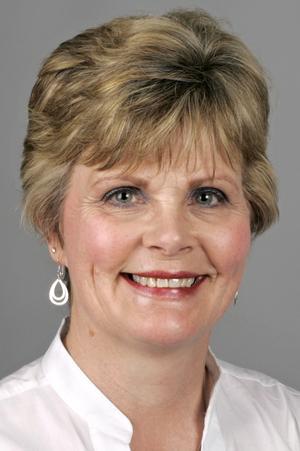
Catherine Boyle is Mental Health Ministry Director, Blog Editor and Social Media Manager for Key Ministry. Catherine has been impacted by mental health issues her entire life, including her own struggles with anorexia, bulimia, anxiety and depression. Prior to joining Key Ministry in 2018, Catherine authored Hungry Souls: What the Bible Says About Eating Disorder, and helped launch a ministry home for women with eating disorders. In 2015, Catherine founded Outside In Ministries, focusing on how the church can minister to and with people with mental health issues. Follow Catherine’s work here and at www.catherineboyle.com, Facebook, Twitter, Instagram, Pinterest and Patreon.

Author Jolene Philo

Archives

Categories

Subscribe for Updates from Jolene

Related Posts

For Better, For Worse in Special Needs Parenting

For Better, For Worse in Special Needs Parenting

For Better, For Worse in Special Needs Parenting

For better, for worse. Today’s guest bloggers, Joe and Cindi Ferrini, have been learning what those words mean for their family for more than 4 decades. In their new book, Love All-Ways: Embracing Marriage Together on the Special Needs Journeythey share what they’ve learned. Today’s guest post us an excerpt from their new book. 

For Better, for Worse

Within a ten year period we lost 5 close family members (one to suicide), was in the process of helping one daughter plan a wedding, getting our other daughter ready for high school graduation, all while I was losing clumps of hair leaving me with huge bald spots, and us trying to continue to meet the needs of our son with multiple special needs. Some of you are saying, “Wow, that’s nothing, here’s my story!” Others are saying, “I sure hope that doesn’t happen to me!” Either way, we all will have hard times amongst the good and there will be challenges. Times got better and life got a little easier, but we aren’t going to lie: it was tough.

Things we learned and hope to help you in your challenges:

  • Don’t be afraid of bad news. Psalm 112:7-8, “They will have no fear of bad news; their hearts are steadfast, trusting in the Lord. Their hearts are secure, they will have no fear; in the end they will look in triumph on their foes.”
  • Trust in God no matter what the news. Genesis 22:1, “They will have no fear of bad news; their hearts are steadfast, trusting in the Lord. Their hearts are secure, they will have no fear; in the end they will look in triumph on their foes.”
  • Trust Him to provide: Philippians 4:19, “And my God will meet all your needs according to the riches of his glory in Christ Jesus.” Matthew 6:33, “But seek first his kingdom and his righteousness, and all these things will be given to you as well.”
  • The root of many problems and challenges is that they are unexpected and if not managed and dealt with will mature into bitterness and often anger.
  • Unrealistic expectations and inevitable difficulties are normal. It’s what we do with them that will make the difference in our marriage.

It’s amazing to see that what we were given in life is the very template of who we will become. Caring for Joey has helped our whole family realize different things in life but as a couple it showed we’d be there for each other “for better, for worse” when that time comes. It was also good that it came early in our marriage giving us the opportunity to recognize selfishness in ourselves giving us the ability to ask God for help to see the bigger picture beyond just “me or us” and to share and serve. Good that comes from right choices was such a great story line in the movie Wonder (2017). It’s a lifetime of right choices, timing, and responding that finally tells the story of life and gives us the ending. In some ways we think we get to write, in part, how that ending turns out. What we find is that positive character traits will get us farther than negative ones and negative emotions. Don’t be entitled; be grateful. Recognize that both valleys and vistas have their own beauty. Life is not social media. Social media isn’t all that real in many ways; but fun, yes.

  • Embrace joy. Give life gusto. Keep trying, doing, enjoying different adventurous things. (Try new hobbies even if you’re lousy at them. We took dance lessons and had fun. We took golf lessons and are still lousy, but we had fun!)
  • Practice God’s presence and ask for the Holy Spirit to fill you.
  • Make friends.
  • Ask for help when you needed and before you need it!
  • Financial planning for you and your child will help eliminate some stress.

Be:

  • Winsome (fun)
  • Wise (Not a windbag!)
  • Wide awake (pay attention to each other)
  • Wishful (hopeful for the future)
  • Stop moving the bar you set for yourself and for your spouse. Are you moving it so neither of you will ever attain it? Stop expecting too much. But expect what is right.
  • Get counseling if you need to work through some things and need the help. Make sure they’ll keep it confidential and private.
  • Find a mentor couple that’s made it through the present stage you’re at.
  • The hardest challenges have changed us the most for the better.
  • Accept, affirm, and appreciate each other “as is” and always act with good intentions and affection.

When worse overshadows better, there is no shame in finding a mentor couple or seeking counseling. Let us help you work through your needs and give you some direction in Love All-Ways: Embracing Marriage Together on the Special Needs Journey. There is no harm in getting help. We all need it from time to time!

Do you like what you see at DifferentDream.com? You can receive more great content by subscribing to the monthly Different Dream newsletter and signing up for the daily RSS feed delivered to your email inbox. You can sign up for the first in the pop up box and the second at the bottom of this page.

By

Dr. Joe and Cindi Ferrini share their newest book, Love All-Ways: Embracing Marriage Together on the Special Needs Journey. They are authors, speakers, and bloggers on marriage, family and special needs. They speak nationally for FamilyLife Weekend To Remember Marriage Get-a-Ways, authored Unexpected Journey – When Special Needs Change our Course, and have been interviewed on Focus on the Family, FamilyLife, and various other radio and television venues. Connect with them at their website and on Facebook at Cindi Ferrini, My Marriage Matters, and Unexpected Journey.

Author Jolene Philo

Archives

Categories

Subscribe for Updates from Jolene

Related Posts

When Life Doesn’t Go As Planned

When Life Doesn’t Go As Planned

When Life Doesn’t Go As Planned

When life doesn’t go as planned, I usually react in one of two ways. Either with equanimity and grace because I’m with people I want to impress. Or with grumbling and complaints because I’m with my family, and they love me no matter what. Neither response follows Paul’s call in Philippians 2:14-15 to do all things without complaining or grumbling so that I can be the light of Christ in a dark and twisted world.

For the past few weeks, my days were full to overflowingly busy, even before life didn’t go as I had planned. The beans were coming on in my daughter’s garden, which means we were canning beans a couple times a week. We finished the first batch right before I went to Chicago for a promotional book tour for Sharing Love Abundantly after it released. When I got home a few days later, there were more beans. I was fine with that, because I had planned time into my schedule for canning season.

My daughter and I were confident we could maintain the household and our job duties even though we were short a few adults. My husband was in Alaska, where he grew up, for a week. My son-in-law started a second job, so he was gone more than usual. Even so, we were handling things well until when-life-doesn’t-go-as-planned thing happened. I hurt my back.

The kind of hurt that takes days and weeks to heal.
The kind of hurt that means a person can stand or lie down, but not sit.
The kind of hurt that means a person needs 5 minutes to move from stand to lie down and visa versa.
The kind of hurt that means an ice pack for 10 minutes every hour.

To read the rest of this post, visit Key Ministry’s blog for parents.

Do you like what you see at DifferentDream.com? You can receive more great content by subscribing to the monthly Different Dream newsletter and signing up for the daily RSS feed delivered to your email inbox. You can sign up for the first in the pop up box and the second at the bottom of this page.

By

Jolene Philo is a published author, speaker, wife, and mother of a son with special needs.

Author Jolene Philo

Archives

Categories

Subscribe for Updates from Jolene

Related Posts

Stepping Back Isn’t Stepping Away

Stepping Back Isn’t Stepping Away

Stepping Back Isn’t Stepping Away

Stepping back isn’t the same as stepping away. Guest blogger Kathy Guzzo, who cares for adult children with special medical needs, explains the difference between stepping back and stepping away in this post.

Our hope for loved ones with special needs is for them to be their best, which at times requires a choice for caretakers to take a step back while their loved one moves forward. However, at this point, it’s important to remember that stepping back doesn’t mean we’re stepping away.

The Preparation Process

When a child takes her first steps, she’s not set on the floor, and expected to walk. It’s a process from being held in a standing position to toddling across a room while holding a hand. But the preparation process toward walking begins in their tiny bodies at the moment of birth.

The same is true for anyone hoping to accomplish any goal, large or small. Whether it’s learning to eat with a utensil, read, throw a ball, swim, do household chores, shop, or use a walker. The preparation process is the key to success. For caretakers this is a natural progression, but at times the process must be deliberate, requiring a step back.

Stepping Back Isn’t Stepping Away

Loved ones observe daily the gradual progression of a toddler preparing to take that first steps. The caregiver knows that what comes next involves a risk. This is when the caregiver must choose to step back and allow the child to try. Not retreating far. Never turning their back to her. It’s an exciting moment, something both have worked towards. Close enough to protect her from harm while watching and encouraging.  If the child falls the caregiver is close enough to quickly scoop her up, give a hug and make the decision of when to try again. 

Stepping back to allow a loved one to try something new can be a difficult choice.

It requires confidence in both parties. Remaining close enough to observe, yet far enough away to let the other person know the end result is up to him. In contrast, stepping away is like turning a back on a toddler ready to take those first steps, hoping she figures it out and doesn’t get hurt.

Stepping away is expecting results without giving support.

Sometimes we’re hesitant to let our loved ones move forward on their own. We hope to protect them from being hurt or failing, which in our minds may mean we‘d failed in the preparation process. We need to take time to reflect on the journey to this point, including the obstacles overcome. This reflection may be the boost needed to help us change our roll from coach to cheerleader. 

Stepping back is an act of love.
Stepping away because we’re tired or frustrated is selfish.

Stepping back gives a sense of accomplishment, a chance of someone we love dearly to grow in confidence.
Stepping away may create guilt and resentment.

Stepping back requires commitment while paying attention in order not to miss the opportunities when they arise.
Stepping away is at times the easier thing to do.

When the opportunity to step back knocks, as caregivers we can share the moment from a distance, while our loved ones take the next steps to being the best they can be. 

Do you like what you see at DifferentDream.com? You can receive more great content by subscribing to the monthly Different Dream newsletter and signing up for the daily RSS feed delivered to your email inbox. You can sign up for the first in the pop up box and the second at the bottom of this page.

By

Kathy Guzzo and her husband live in Northern Illinois and have 4 adult children. One of her daughters was diagnosed with lupus and Epstein Barr Replication as a young adult. Another began struggling with depression and OCD in her mid-twenties. She understands the need for her daughters to be able to make their own decisions regarding their health, but the nurturer in her sometimes has a hard time letting go. She desires to direct others to the peace and hope that God has abundantly available for them.

Author Jolene Philo

Archives

Categories

Subscribe for Updates from Jolene

Related Posts

New Resources for Caregiving Parents and Their Kids: My Top 5 for a New School Year

New Resources for Caregiving Parents and Their Kids: My Top 5 for a New School Year

New Resources for Caregiving Parents and Their Kids: My Top 5 for a New School Year

New resources for caregiving parents and their kids are popping up with increasing frequency. Today I’d like to acquaint you with my top 5 new resources for caregiving parents as the new school year begins. With the kids back in school, maybe you’ll have time to check out a few!

A Special Hope Podcast with host Sarah Broady. Sarah interviews caregiving parents, special needs ministry leaders, and more in her podcast that went live in the spring of 2019. You can find out how the podcast came into being in the guest blogger series (Part 1 and Part 2) she wrote for Different Dream. Like her Facebook page to get the scoop on new episodes as soon as they go live.

The Hope Anew Podcast with Jonathan and Sarah McGuire. This podcast came into being in February of 2019. Like Sarah, the McGuires interview caregiving parents and disability ministry leaders from around the country. They will also unveil some unique offerings for special needs families this fall, so visit their website or Facebook page frequently for some exciting announcements.

Unexpected Blessings by Sandra Wood Peoples. Sandra shares the unexpected blessings she and her husband Lee have experienced while raising a son with autism. The book will encourage your heart and perhaps change your perspective regarding your caregiving life. Visit her website at sandrapeoples.com

Hiya Moriah by Victoria Nelson. I love this book for many reasons, not the least of which is the way Victoria gives equal time to her daughter Moriah’s favorite rainbow dress, pink bow, curly hair, and her disability. To read more about Hiya Moriah, check out Victoria’s Different Dream author interview. The book is available on Amazon in paperback, hard cover, and Kindle formats.

Sharing Love Abundantly in Special Needs Families: The 5 Love Languages® for Parents Raising Children with Disabilities by Dr. Gary Chapman and Jolene Philo. You didn’t expect me to leave this one off the list, did you? It’s included not because I helped write it, but because I have heard from reader after reader about how beneficial is is for them and their family members. It’s available in paperback and Kindle formats.


I encourage you to check out these new resources for caregiving parents and their kids. If you want to add a resource to the list, leave a comment below, along with a link to where it can be found. Happy reading and listening!


Do you like what you see at DifferentDream.com? You can receive more great content by subscribing to the monthly Different Dream newsletter and signing up for the daily RSS feed delivered to your email inbox. You can sign up for them at the bottom of this page.

By

Jolene Philo is a published author, speaker, wife, and mother of a son with special needs.

Author Jolene Philo

Archives

Categories

Subscribe for Updates from Jolene

Related Posts

August Is for Setting Goals

August Is for Setting Goals

August Is for Setting Goals

August is for setting goals. I developed that mindset during my first 47 years of life, 42 of which were spent going to school or teaching school. I left the classroom in 2003, but to me August still feels more like the beginning of a new year than does January. Therefore, it continues to be my month for setting goals for the upcoming fall, winter, and spring.

Many Different Dream readers are parents, so it makes sense for them to set achievable goals to make the most of the time when kids are in school. As parents raising kids with disabilities and special needs, we already live with extra demands and stress. We can’t afford to set unachievable goals that create more stress. These 3 criteria are key to setting goals that are achievable rather than stressful.

Create goals that are within your power to achieve. For example, “lose 50 pounds” may not be completely within your power because of metabolism or a health condition, but “consume fewer calories each day by eating more fresh produce” is. “Spend 15 minutes practicing sight words with my child each day” is achievable. “Teach my child to read” may not be.

Create realistic goals. Depending on your budget and time constraints, a goal to remodel your entire house to be handicapped accessible may not realistic. But a goal to purge unneeded clutter and rearrange your living room so a wheelchair can maneuver more easily is very realistic.

Create beneficial goals. A goal to relax by a pool and eat bon bons sounds delightful, but in reality it could lead to skin cancer and diabetes. A beneficial goal could be to create a quiet corner at home to pray, relax, and sip a cup of tea.

If you’d like to set some realistic, beneficial goals that are within your power as a caregiver, these Different Dream blog posts might spark some ideas.
Ministering To and With Those Who Teach Our Children with Special Needs
Measuring Milestones in Micros
9 Ways to Start the School Year Well

If you have suggestions for setting goals that are achievable, you’re invited to add them in the comment box. I’d love to hear from you!

Do you like what you see at DifferentDream.com? You can receive more great content by subscribing to the monthly Different Dream newsletter and signing up for the daily RSS feed delivered to your email inbox. You can sign up for the first in the pop up box and the second at the bottom of this page.

By

Jolene Philo is a published author, speaker, wife, and mother of a son with special needs.

Author Jolene Philo

Archives

Categories

Subscribe for Updates from Jolene

Related Posts