Making Marriage a Priority While Raising Kids with Special Needs

Making Marriage a Priority While Raising Kids with Special Needs

Making Marriage a Priority While Raising Kids with Special Needs

Making marriage a priority is crucial for parents raising kids with disabilities and special needs. But how in the world do stressed parents make time for one more thing? Guest blogger Heather Johnson shares ideas that worked for her and her spouse while they raised their three kids.

Three Tips for Making Marriage a Priority

Maybe your marriage is one where you feel only slight stress on occasion while loving and raising your children with special needs. If so, I’m thrilled for you! But that’s not me.

My husband and I, nearing our 26th anniversary, are also nearing our 22nd anniversary of adopting three kids from Russia, all with multiple special needs stemming from fetal alcohol exposure—intellectual, emotional, behavioral, and physical—all invisible. Todd and I have lived in a state of nearly constant stress. If it isn’t one thing, it’s another. With all three. And the hardest for us has been the fact that hardly anyone understands what we’ve lived through because we all look, well, so normal.

Determined not only to make our marriage work and thrive after suffering through my parents’ divorce and my own, Todd and I have been intentional about a few things I’d like to share with you, hoping these tips might help. Besides our #1 priority—prayer—here are three more things that have kept us glued.

#1: Make enjoyable alone time a priority.

Write separate lists of what’s life-giving to each of you and then share. Find commonalities or at least interest in pursuing something you hadn’t thought about.

For example, we love to hike anywhere, anytime. We schedule times. When our kids were young, we’d get someone to watch them for an hour or two. You can ask friends, family, church family or hire if you can afford. Exercise and fresh air are great stress relievers.

Use the time you schedule for only the two of you to give thanks for all the positives in your lives. There’s always something.

Important: Rejuvenating time together requires no talking about kid problems/worries. That’s for what comes next.

#2: Carve out time to share honest feelings.

There’s a time to talk about the kids and a time not to talk about the kids. This is the time to share honest feelings, without judging or trying to fix. Allow expression of sadness, fear. Hold your spouse’s hand or offer a hug/arm around the shoulder if needed. Show your love by listening. Just listening. And take turns. Try not to cut off your spouse’s feeling expressions by jumping into your own. It’s critically important for you both to feel heard and understood. Finally, ask your spouse how you could have listened and empathized better. Whatever you do, do not become defensive here. This is the time to learn how to love one another better by listening with your heart as well as your ears.

Todd and I carve out time daily to do this. It’s not always easy but it has been a life saver. Maybe you don’t need this special time as often as we do, but I promise you’ll benefit by being intentional and consistent with whatever time you do set aside.

#3: Determine individual strengths and lean on each other.

I have a doctorate in clinical psychology and used to work as a therapist. Dealing empathically and practically with strong feelings is my specialty. I’m also a former elementary teacher. Both skill sets have been helpful during periods where we needed to educate at home, for securing proper testing/diagnoses, for home-education when needed, and for advocating with educational, medical, and rehab specialists.

Todd, on the other hand, has an MBA and a CPA. He’s practically a genius with money matters. I’ve leaned on him to help with all the financial issues regarding our kids’ short and long term needs.

Todd is also a strong thinker where I tend to be a strong feeler. In high stress situations, he’s great at calming rough waves so we can all think clearly.

Write your own list of strengths—yours and your spouse’s. Then, share with each other and learn to generally delegate so you’re not constantly operating in an area of weakness when your spouse has natural ability.

These are only 3 of many tips about what has worked and still works for us. You need to decide what works for you. What do you and your spouse do alone for enjoyment? How do you and your spouse deal with real feelings? What are your and your spouse’s different strengths? Please share in the comments to help us all.

Strong marriages make for happier kids, no matter what else we’re dealing with. I pray yours and mine will keep getting better with time!

P.S. My husband is VERY camera shy so that’s why I’m not including his photo but just our kids. To see us all together, with dogs, on our farm, visit my About page on my website, www.truelifewithgod.com

Do you like what you see at DifferentDream.com? You can receive more great content by subscribing to Different Dream newsletter and signing up for the daily RSS feed delivered to your email inbox. You can sign up for the first in the pop up box and the second at the bottom of this page.
By

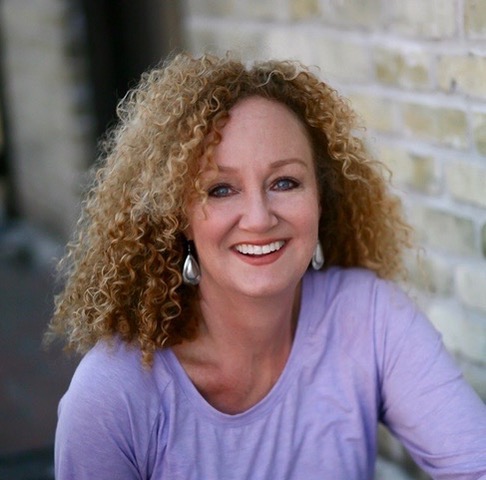
Heather MacLaren Johnson lives near Wisconsin’s Lake Michigan shore with her husband of 25 years, 3 horses, 2 dogs, 2 barn cats, and a fish. She earned her B.S. in Education and her doctorate in Clinical Psychology before adopting 3 amazing kids from Russia, all now in their 20’s, all with life-long challenges stemming from prenatal exposure to alcohol (FASD). She is completing a memoir about her mother/daughter journey through hidden disabilities and mental illness. Heather’s essay about learning to ride horses at age 44 is included in Leslie Leyland Field’s The Wonder Years: 40 Women Over 40 on Aging, Faith, Beauty, and Strength (Kregel Publications). She has published devotional pieces for The Seed Company (Wycliffe Bible Translators Affiliate). You can learn more about Heather at her website, www.truelifewithgod.com.

Author Jolene Philo

Archives

Categories

Subscribe for Updates from Jolene

Related Posts

Special Needs Caregivers: Which Parks & Rec Character Are You? Pt. 1

Special Needs Caregivers: Which Parks & Rec Character Are You? Pt. 1

Special Needs Caregivers: Which Parks & Rec Character Are You? Pt. 1

Special needs caregivers have to find ways to inject humor into their lives. I think that’s why I’m a huge fan of the television show, Parks and Recreation. To be clear, I am no longer caring for someone with special needs. But I write frequently about my caregiving days, and watching Parks and Recreation is my favorite way to decompress. If Netflix decides to remove it from their line up, the complete DVD series will be at the top of my birthday gift wish list, in case you’re wondering.

Lately I’ve been wondering which Parks and Recreation character comes closest to the person I was during the years when our son was medically fragile. Next I wondered which characters other special needs caregivers would self-select, and that wonder led to this blog series. This week’s post describes 5 characters from the series, and next week’s describes 5 more. It also includes a survey so special needs caregivers can vote on the character they are most like. The final series in the post announces the results of the survey and spills the beans on the character I was most like. Are you ready? Here goes!

#1: Jerry/Garry/Larry/Terry Gergich/Grgich/Gengurch

Jerry Gergich is a bumbling, accident-prone office worker who constantly apologizes for his inadequacies. He is at risk of losing his identity because he let’s others define who he is, even allowing them to change his name at will. He’s like people who allow themselves to be defined exclusively by their roles as special needs caregivers rather than as well-rounded individuals.

#2: Donna Meagle

Donna Meagle is the office manager of the Parks and Rec Department. She finds worth in material things and being perceived as exciting, competent, and mysterious. She keeps her family at arm’s length and doesn’t want to fall in love with a wonderful man because she dreads being considered boring. She resembles special needs caregivers who remain aloof because they are more concerned about maintaining their reputation than being transparent about their needs and struggles.

#3: Tom Haverford

Tom Haverford spends his days creating buzz and spin on social media. In fact, he is addicted to social media and its ability to make a mountain out of absolutely nothing. He looks a lot like special needs caregivers who create an online presence as a means of escaping the reality of their lives, only to watch the reality crumble into nothingness.

#4: Chris Traeger

Chris Traeger is the city manager. He is unrelentingly positive who enlists others to deliver bad news. He is obsessively health-conscious to push back against aging and death. Special needs caregivers who identify with him may expect their spouses to deal with confrontational situations. They may also chase one cure after another for their loved ones because they are afraid of death.

#5: Ann Perkins

Ann Perkins is a nurse and works for the city health department. Though she is a smart woman and a gifted nurse, she lacks confidence. She adopts the lifestyle of whoever she’s dating. Eventually Anne realizes she has to decide who she is and make being authentic a priority. She is most like skilled, special needs caregivers who take excellent care of their loved one, but constantly sell themselves short.

Does one of those characters sound like you? Tuck that thought away for next week, when you can check out the rest of the Parks and Recreation gang in Part 2 of the series.

Do you like what you see at DifferentDream.com? You can receive more great content by subscribing to the monthly Different Dream newsletter and signing up for the daily RSS feed delivered to your email inbox. You can sign up for the first in the pop up box and the second at the bottom of this page.

By

Jolene Philo is a published author, speaker, wife, and mother of a son with special needs.

Author Jolene Philo

Archives

Categories

Subscribe for Updates from Jolene

Related Posts

Caretakers Can Take Care, Part 2

Caretakers Can Take Care, Part 2

Caretakers Can Take Care, Part 2

Caretakers can take care of themselves, and they must take care of themselves. Guest blogger Heather Johnson explained why self-care is important for caretakers and provided easy-to-implement self-care strategies in 4 Ways Caretakers Can Take Care, Part 1. In this post, she offers ideas to strengthen marriages and tickle funny bones.

Hi again! In Part 1, I talked about using The Serenity Prayer to keep a proper perspective. I also talked about the need for self-care and gave some examples of what has helped me over the years. Today, I’m sharing two more ways we can take care of ourselves.

TAKE TIME WITH YOUR SPOUSE

Yeah, I know. Sometimes he/she is the last one on our list. Like that dry and cracked milkweed pod, our marriages can languish when we’re spending so much time and energy attending to our kids, especially if they have special needs. But truth is, when we spend quality time with our spouse, we’re really taking care of ourselves and our kids.

Kids are happiest when they see their parents happiest. Tending to our marriage relationship doesn’t have to be a job, a chore, a duty. We can make time together fun and exclusive (No kids involved—that’s another whole guest post with ideas coming in June.) Some of my husband’s and my favorite activities together over the years have been (and still are) these:

  1. Take a walk. Hold hands. Talk. Or don’t.
  2. Have a picnic. In summer, spread a quilt and eat on the lawn. In winter, spread a quilt and eat on the bedroom floor. Steamed asparagus with parmesan cheese, turkey roll- ups in tortillas dipped in Dijon mustard. What’s your favorite easy picnic food?
  3. Take a two-hour virtual trip. We live in Wisconsin, what I call a “bipolar” weather state. There’s practically nothing dependable about Wisconsin weather except that it’s dependably undependable. As for me, the long winters fray my nerves which begins to gnaw at my relationships. So, I reckon that if we can’t take a real trip to Florida (or anywhere else with warmth and sun, there’s always the virtual trip!  No kids allowed. Children are cared for by someone reliable, in-home or out-of-home. Items needed for a two-hour get-away:
        • Bedroom with lock on door. A lock on bedroom door is an essential component of every successful marriage, in my humble opinion.
        • Two beach towels. Invest in really nice, fluffy ones.
        • Two beach chairs. Comfy as possible.
        • Large tray of soft sand. Slip it under bed for future use.
        • Space heater. Cranked to at least 85° and placed right in front of chairs & sand.
        • Ocean waves and seagulls music playing.
        • Your favorite swimsuit. Yes, you will both wear them, sexy or not.
        • Sunglasses. His and hers.
        • Coppertone sunscreen. Or whatever sunscreen scent you love. I’ve been a Coppertone girl for 50 years. And I’m nearly 60. No kidding. I’m not being paid for this Coppertone push.
        • A favorite drink. Wine? Beer? A fruity Pina Colada with or without the alcohol?  This “virgin” potion is one of my favorites.
        • A bathtub filled with tepid water. For when you get so hot, from the space heater, of course—or from the hormones—or from the lack of hormones that induce those hot flashes aggravated by that 85-degree space heater—or whatever else might be elevating your body thermostat beyond a desirable state that you suddenly need to cool off or you think you just might die. This step is optional. Maybe.

Got everything? Got everything on? Sit down. Sigh. No kids or kid talk allowed!**

*You might need to get volunteer or paid, in-home or out-of-home childcare for a couple hours for your ideas. Think possibilities!
**This idea works great with kids, but right now the point is not to focus on kids. I did this beach thing with my kids when they were young and they STILL remember and talk about their “weirdo” mom who took them on virtual beach vacations. Don’t forget the paper umbrellas for the drinks!

TAKE TIME TO LAUGH.

Find and do things that make you laugh by yourself.
Find and do things that make you and your spouse laugh together.
Find and do things that make you, your spouse, and your kids laugh together.
Laughter is medicinal. Laughter lowers stress. Laugher is good for our souls, our minds, our bodies, our relationships.
Some of our favorites laughter-producing things as family are these:

  1. Play Charoodles. Seriously. We laugh at ourselves and each other so much that we can’t wait until the next time we play.
  2. Watch funny movies. Our favorite repeat films are Red and Clue. We have dialog memorized and laugh when reciting to each other, even when not watching.
  3. Watch funny video clips. Anything by Tim Hawkins cracks us up.
  4. Remember and talk about funny family moments (like the time our youngest—3 at the time—screamed the whole way through an Everglades airboat ride where we all wore earphones and no one could hear a thing—because he thought we might see alligators. Yeah, I’m sure it was traumatic at the time for him. But now, he loves when we share this story

Certainly, life can be very hard and scary. I know. There are nasty alligators in all our ponds. But certainly, we caretakers can take care to do things that might lighten our load, lift our spirits, and keep us all from being eaten alive by distress. I hope what I’ve shared will cause you to think of things you can do to help yourself, your marriage, and your family from becoming dry, crusty or broken. But even then, remember this—

There’s always new life inside. Take the time to sneak a peek and let the breeze of your own creativity allow some fresh seeds to take root and grow.

Part 1

Do you like what you see at DifferentDream.com? You can receive more great content by subscribing to Different Dream newsletter and signing up for the daily RSS feed delivered to your email inbox. You can sign up for the first in the pop up box and the second at the bottom of this page.

By

Heather MacLaren Johnson lives near Wisconsin’s Lake Michigan shore with her husband of 25 years, 3 horses, 2 dogs, 2 barn cats, and a fish. She earned her B.S. in Education and her doctorate in Clinical Psychology before adopting 3 amazing kids from Russia, all now in their 20’s, all with life-long challenges stemming from prenatal exposure to alcohol (FASD). She is completing a memoir about her mother/daughter journey through hidden disabilities and mental illness. Heather’s essay about learning to ride horses at age 44 is included in Leslie Leyland Field’s The Wonder Years: 40 Women Over 40 on Aging, Faith, Beauty, and Strength(Kregel Publications). She has published devotional pieces for The Seed Company (Wycliffe Bible Translators Affiliate) You can learn more about Heather at her website www.truelifewithgod.com.

Author Jolene Philo

Archives

Categories

Subscribe for Updates from Jolene

Related Posts

4 Ways Caretakers Can Take Care, Part 1

4 Ways Caretakers Can Take Care, Part 1

4 Ways Caretakers Can Take Care, Part 1

Caretakers can take care of themselves. Caretakers must take care of themselves. Guest blogger Heather Johnson learned this truth through hard, personal experience. In this post, she explains why caring for ourselves is so important and offers a few simple ideas. Come back in a few weeks when she’ll share more ideas in Part 2 of Caretakers Can Take Care. 

While walking along our farm trails last fall, Anna picked a milkweed pod from its stem, cradling it in her delicate hands. The covering was dried and cracked. Its innards, silky white wings with dark seeds attached, took flight on the breeze as Anna opened the dead tombs. Hundreds of seeds, all with the possibility of new life. If only they could find good soil and take root. If only. I thought about special needs parenting as Anna held those pods. It’s easy to become dry by pouring our lives out for our kids. It’s easy to become empty shells, shuffling through life with no energy. We suffer from exhaustion and, sometimes, we suffer from downright frustration or depression. We have little left over for our spouses, let alone ourselves.

Problem is, when we don’t take care of ourselves, we’re not much good at taking care of our loved ones.

Problem is, when all we do is do, we end up dry, cracked, and empty.

Ask me how I know!

My husband and I adopted our three kids from Russia when Anna was nearly six, Zachary was four, and Nicholas was nineteen months. By the time we were two years into parenting, all three had received diagnoses thought to fall under the umbrella of FASD (Fetal Alcohol Spectrum Disorder). For the next twenty-one years (to date), our family entered a whirlwind of regular appointments with therapists, tutors, special educators, doctors, and adult caregivers as we have helped our kids cope with ADHD, Autism Spectrum Disorder, Pervasive Developmental Disorder, Nonverbal Learning Disability, hearing impairment, visual impairment, and other physical issues requiring several surgeries and subsequent therapies.

And that’s not all.

Emotional/behavioral challenges reached the level of clinical significance where various interventions were imperative, the most severe occurring with our daughter who suffered a psychotic break from reality at age 22 while in a manic phase and had to be hospitalized for 12 days in a locked psychiatric hospital unit until stable on medication.

I need to take a breath right now. Maybe you do too? We love our kids dearly. I’m sure you love yours kids as well. I love my husband and he loves me. I hope the same is true for you. But if you’re like us, the stress of constant special needs can seem unbearable for you and, maybe, for your marriage. Surely, our special needs kids, no matter their age, bear burdens not of their own doing. And their burdens become our burdens as parents. I’m not sure what you’re dealing with in your life right now, but I have learned ways caretakers can take care of themselves. I’m not prescribing or promising a magic wand. But I would like to share some things I’ve/we’ve done that’s lowered our stress, created closeness with all, fostered joy, and added laughter to our daily lives over our 21 years of parenting and 25 years of marriage. 

LIVE THE SERENITY PRAYER I love and LIVE this prayer. I meditate on it, chew it, swallow it, digest it, make it part of my every-day life. Most of us know the short version. But many of us don’t know the long version. I have found so much peace and strength by reading this daily, carrying it with me on an index card, pulling it out of my purse and reading it as often as needed. Do I live this perfectly? Absolutely not. But as a former pianist whose mom always said, “Practice makes perfect!”, I keep at it every day. Believe me, it’s not as hard as practicing scales! Give it a go and see what happens with regular practice. God grant me the serenity to accept the things I cannot change; Courage to change the things I can; And the wisdom to know the difference. Living one day at a time, enjoying one moment at a time. Accepting hardship as a pathway to peace, Taking, as he did, this sinful world as it is, Not as I would like it. Trusting that he will make all things right. If I surrender to his will. That I may be reasonably happy in this world And supremely happy in the next. ~Reinhold Niebuhr, noted German theologian  

TAKE TIME FOR YOURSELF A happy mom makes a happy family. I’ve heard this again and again. I have no idea who said this first. Probably a mom. Haha! But seriously, it’s no joke. It’s truth. I’m not talking about self-indulgence at the expense of our loved ones. I’m talking about self-care for the benefit of our loved ones, ways we caretakers can take care of ourselves so we are better caretakers. There’s a huge difference! I take “me time” that does not involve my kids or my husband.

Here’s a smattering of things that have kept me sane (and loving of my kids and husband better) over the years, not all at the same time though (especially the learning things!): Prayer. Always prayer. Daily Bible reading. Nature walks. Reading books. Bubble baths. Phone calls with friends. Field trips with friends. Daily exercise. Healthy eating. Photographing. Writing. Learning–always learning: Yoga, Pilates, horseback riding, creative non-fiction writing, multi-ethnic cuisine cooking, perennial gardening, watercolor painting. I’ve also been energized and filled by giving to others besides my kids and my husband—working with an international ministry to empower at-risk women, working with kids at an inner-city ministry in Milwaukee, and on our farm (a summer nature camp), a church ministry where I teach women’s bible studies, providing mentoring).

All these things I’ve done/I do require energy.

And I’ll be absolutely honest with you . . . Sometimes, in bouts of depression (I struggle with a biochemical imbalance needing medication), I haven’t had any energy for anyone. I’ve learned it’s okay to take time to heal by resting, by saying “no,” by letting others give to me so I can get back on my feet and serve as I love to serve. Most importantly, I’ve learned it’s okay to set aside relationships with people who continually wound (probably unconsciously) or who can’t give reciprocally with prayers of blessing and a heart of forgiveness.

I hope these words and ideas will nurture your own creativity. Remember, even if you’re feeling dry, cracked, even dead on the inside—there’s the potential for abundant, new life in you. Take a peek inside yourself. Let yourself thrive, not just survive. And remember, where there’s a will, there’s a way. Don’t know who said that first either! But it’s true. 

Join me for Part 2 to hear the more ways we caretakers can take care of ourselves. I include some belly-laughing ideas I think you’ll like!    

Do you like what you see at DifferentDream.com? You can receive more great content by subscribing to Different Dream newsletter and signing up for the daily RSS feed delivered to your email inbox. You can sign up for the first in the pop up box and the second at the bottom of this page.

By

Heather MacLaren Johnson lives near Wisconsin’s Lake Michigan shore with her husband of 25 years, 3 horses, 2 dogs, 2 barn cats, and a fish. She earned her B.S. in Education and her doctorate in Clinical Psychology before adopting 3 amazing kids from Russia, all now in their 20’s, all with life-long challenges stemming from prenatal exposure to alcohol (FASD). She is completing a memoir about her mother/daughter journey through hidden disabilities and mental illness. Heather’s essay about learning to ride horses at age 44 is included in Leslie Leyland Field’s The Wonder Years: 40 Women Over 40 on Aging, Faith, Beauty, and Strength(Kregel Publications). She has published devotional pieces for The Seed Company (Wycliffe Bible Translators Affiliate) You can learn more about Heather at her websitewww.truelifewithgod.com.    

Author Jolene Philo

Archives

Categories

Subscribe for Updates from Jolene

Related Posts

Stress and Compassion Fatigue in Caregiving Parents, Part 2

Stress and Compassion Fatigue in Caregiving Parents, Part 2

Stress and Compassion Fatigue in Caregiving Parents, Part 2

Stress and compassion fatigue in caregiving parents was the topic of a Different Dream blog post last week. That post shared general statistics from the stress and compassion fatigue survey completed by over 1400 caregivers in January of 2019. I (Jolene) conducted the survey to see if the subject of stress and compassion fatigue in caregiving parents is big enough to pursue researching and writing a book about it.

The general statistics detailed in Part 1 of this series confirmed my suspicions. The need for such a book is great. A deeper dive into the results, during which I read through all 1,408 surveys, showed that the vast majority of caregiving parents live with stress and compassion fatigue day in and day out. It also showed the depth of their commitment to their children.

Caregiving parents love their children intensely.
They care and advocate for them relentlessly.
They pour their time, resources, and talents into them continually.

In the process, most of the parents are neglecting their own mental and physical health to meet their children’s mental and physical health needs. Their comments provide an alarming look into the extent of the sacrifices they are making. Here’s a look at the toll on mental health.

  • 545 parents said they are depressed the majority of the time. 25 others said they are sad, and 13 said they cry uncontrollably.
  • 777 said they suffer with anxiety or are anxious much more than before becoming parents. 35 said they deal with panic attacks, 25 said they are overly fearful, 73 said they worry excessively, and 39 said their worries keep them awake at night.
  • 92 said they take medication for anxiety or depression and many visit therapists. Many more said they need to go to a therapist, but their caregiving duties don’t allow them too.
  • 130 said they have PTSD as a result of their caregiving experiences.
  • 239 said they are exhausted, drained, tired, or deal with constant fatigue.

Remember, these numbers are from the comment section of the survey. As the statistics in the previous post in this series revealed, more than 90% answered yes when asked if their mental health has been affected by caregiving. The numbers in the list above are only from those who chose to make a comment.

Before there’s time to ignore the disturbing list above, here’s a look at the toll on parents’ physical health.

  • 310 said they have experienced weight gain or loss. Many said their caregiving duties are so consuming they don’t have time to eat or cook healthy meals or exercise.
  • 135 said they have developed back problems or back pain, especially parents with older children who require lifting. 145 said they deal with pain, 66 mentioned headaches, 39 mentioned severe migraines.
  • Sleep problems were listed as physical health effects, too. 56 parents said they are sluggish, 45 said they can’t focus, have foggy thinking, or are forgetful because of lack of sleep.
  • 112 said they have developed high blood pressure.
  • 20 said they have had strokes recently.
  • 38 have developed diabetes or are pre-diabetic.
  • 37 mentioned heartburn, stomach problems, bad digestion, and thyroid issues.
  • 50 parents said they’ve experienced hair loss and skin problems.
  • 25 people said their autoimmune systems are failing. Many others mentioned specific autoimmune diseases such as lupus, fibromyalgia, chronic fatigue, and multiple sclerosis.
  • A number of parents mentioned premature aging or being diagnosed with physical conditions usually associated with much older people.

The final bullet on the list above is particularly alarming because most parents will be caring for their children for decades. Therefore, they want to live long and healthy lives.

Stress and compassion fatigue in parents is real. It can be deadly.
Parents hesitate to mention it because doing so sounds unloving.
But the conversation must begin, for the good of parents and the children alike.
It must begin, and it must be honest.
It’s time to write a book!

Part 1

Do you like what you see at DifferentDream.com? You can receive more great content by subscribing to the quarterly Different Dream newsletter and signing up for the daily RSS feed delivered to your email inbox. You can sign up for the first in the pop up box and the second at the bottom of this page.

By

Jolene Philo is a published author, speaker, wife, and mother of a son with special needs.

Author Jolene Philo

Archives

Categories

Subscribe for Updates from Jolene

Related Posts

Stress and Compassion Fatigue Is Huge in Caregiving Parents, Part 1

Stress and Compassion Fatigue Is Huge in Caregiving Parents, Part 1

Stress and Compassion Fatigue Is Huge in Caregiving Parents, Part 1

Stress and compassion fatigue is real for parents caring for kids with special needs. Not only is it real, the number of people who completed a recent survey on the subject show that stress and compassion fatigue is a huge issue for families. This series examines the survey in depth, starting with a statistical overview of the results. Part 2 of the series will take a deep dive into the comments made by those who completed the survey. How huge?

  • 1,408 respondents completed the survey.
  • 1,408 respondents completed the survey in one month.
  • 1,408 respondents completed the survey in one month, though its primary promotion was a few posts on Facebook.
  • 1,408 respondents completed the survey in one month, though its primary promotion was a few posts on Facebook with no ad money spent.

By itself, that statistic reveals the magnitude of stress and compassion fatigue in caregiving parents. A look at their compiled answers shows the effect of stress on parents.

  • 98% said caregiving duties cause extra stress in their daily lives.
  • On a scale of 1 to 10, the average stress level of parents was 6.4.
  • 91% said caregiving has affected their mental health.
  • 87% said caregiving has affected their physical health.
  • 65% indicated willingness to be interviewed for a book on the subject of stress and compassion fatigue in caregiving families.

The major causes of stress for respondents were as follows:

  • Overwhelming demands: 25%
  • Isolation: 20%
  • Financial constraints: 12%
  • Lack of emotional support: 10%
  • Lack of available resources: 9%
  • Lack of practical support: 9%
  • Grief: 3%
  • Other: 11%

When asked to indicate any and all of the following stressors they face on a regular basis, here’s how they responded:

  • Sleep deprivation: 77%
  • Excessive paperwork: 44%
  • Insurance coverage issues: 39%
  • Government program issues: 37%
  • Spiritual doubts and questions: 30%
  • Unreliable hired caregivers: 27%
  • Other: 26%

The results of the survey make me very sad. They show that parents who love their children dearly are shouldering heavy loads.
The results of the survey strengthen my resolve to begin researching a book about stress and compassion fatigue in caregiving parents.
The results of the survey are a source of hope because 2/3 of these overburdened parents are willing to be interviewed as part of the research.

Thank you to the caregivers who took time out of their busy days to complete the survey.
Thank you for being honest.
Thank you for being willing to share your experiences for the benefit of other parents who need to know they are not alone, who need to know they will make it.
Thank you for being patient. It’s going to take a while to read all 1,408 surveys.
Thank you for being understanding. I wish I could interview all who are willing, but that would take years.

Finally, thank you for your prayers. I will need them while making hard decisions about who to contact, while scheduling interviews, and while shaping what parents share into a book proposal attractive enough to be accepted by a publisher. Only through your prayers and with God’s guidance will this book become a reality.

Part 2

Do you like what you see at DifferentDream.com? You can receive more great content by subscribing to the quarterly Different Dream newsletter and signing up for the daily RSS feed delivered to your email inbox. You can sign up for the first in the pop up box and the second at the bottom of this page.

By

Jolene Philo is a published author, speaker, wife, and mother of a son with special needs.

Author Jolene Philo

Archives

Categories

Subscribe for Updates from Jolene

Related Posts