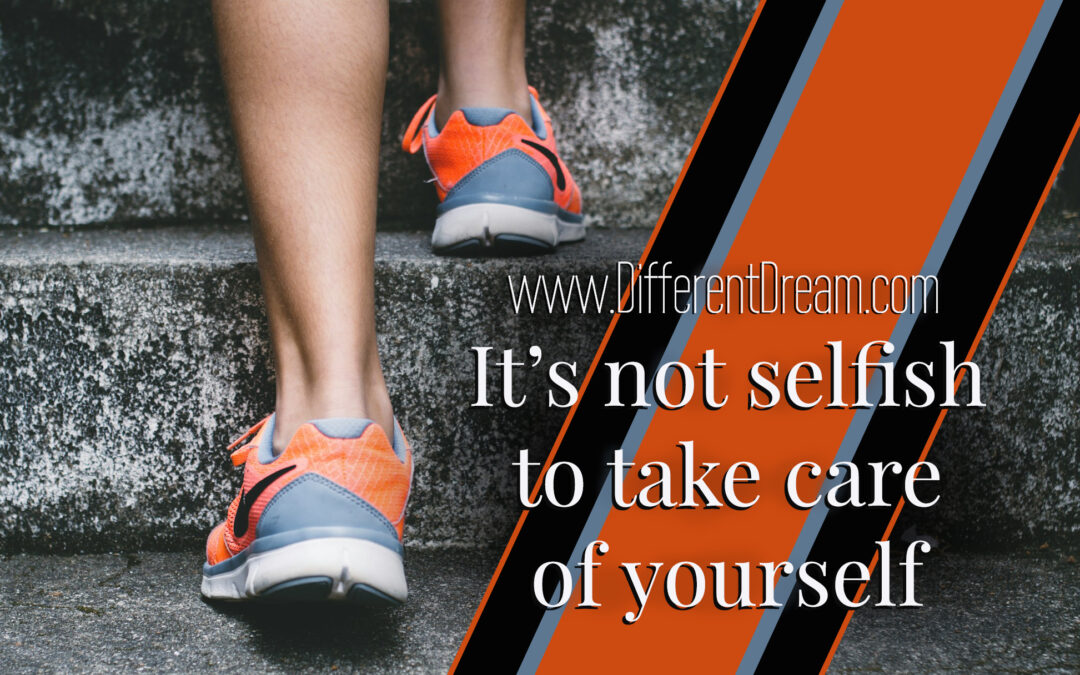
Caring for our Bodies to Meet the Needs of Those We Love

Caring for our Bodies to Meet the Needs of Those We Love

Caring for our Bodies to Meet the Needs of Those We Love

Caring for our bodies to meet the needs of those we love is a good thing to do. In this post, guest blogger Heather Braucher tells about her long journey to improved health for the benefit of her family members, which includes two boys with special needs.

A memory becomes a core memory because we never forget how we felt.

Aashna Jain

A couple weeks ago, a core memory was made in me while the fitness company I work for filmed me leading a workout for the first time.

The reason the event was so significant was that prior to finding this program I had endured a 10+ years of debilitating chronic back and neck pain that took away my job as a strength coach, impaired my ability to hold and nurse my children when they were young, and required significant time and resources to treat.

I feel like I have been given a second chance at life and am living out these verses in Joel 2:25-32:

So I will restore to you the years that the swarming locust has eaten.

I now GET to help others who are looking for similar support, wisdom, and relief.

My journey did not happen overnight. It started when I decided to not give up on asking God to help me care for my body well. Some days that looked like asking for pain relief, other days it was asking for direction on who to ask for help.

At first those prayers were just for me. Then the position of my heart changed. I prayed that my body would be a blessing to my spouse and that my endurance and testimony would glorify God. When I had children, I prayed for my body’s ability to care for my children well, sustain them, hold them and be there for them.

The call to care well for my body in order to meet the needs of those I love was a powerful one on my life. In 1 Peter 4:10, God asks us to be good stewards of the gifts that he gives us. Our bodies are one of those gifts.

The definition of stewardship is “the careful and responsible management of something entrusted to one’s care.” We are quick to identify those things as the jobs we have, our homes, resources, and finances. We know that the precious children and family members he entrusts into our care requires our faithful stewardship too.

Often as a caregiver, we are exhausted and giving our all to manage the needs of those given to us. There is little left over to use to care for ourselves. But I tell you this:

YOU are worth caring for. Your health will overflow into the lives you are caring for. And if you don’t, who will?

Sometimes our pain and suffering is a gift. Mine turned out to be the tool that God is using now to help others. It is also the tool that helps me to understand, embrace, and nurture my children with special needs.

I started this article with Aashna Jains’ quote about core memories. There is power in remembering what it felt like to suffer. Those memories help me live out 2 Corinthians 1:4 which says, “He comforts us in all our troubles so that we can comfort others. When they are troubled, we will be able to give them the same comfort God has given us.”

My passion is shared with many of you who have suffered, endured, been restored, and blessed to serve others. My hope and prayer is to provide other caregivers with the hope and possibility to care for themselves well so they can serve well, so that the lives of those they serve and their own CAN BE abundantly blessed.

Do you like what you see at DifferentDream.com? You can receive more great content by subscribing to the monthly Different Dream newsletter and signing up for the daily RSS feed delivered to your email.

Photo by Bruno Nascimento on Unsplash
By

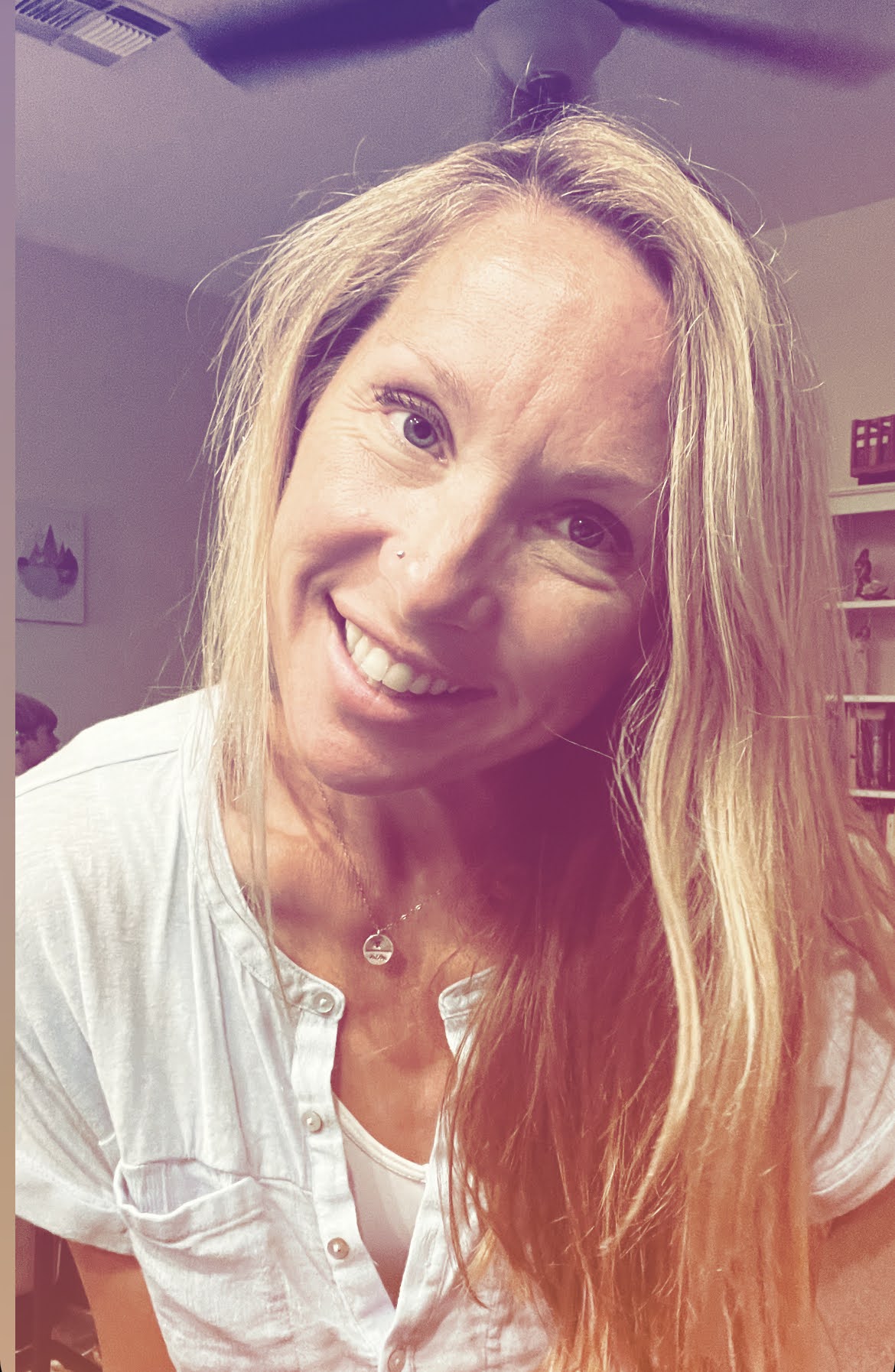
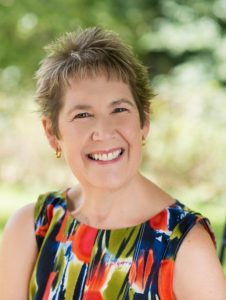
Heather Braucher is a member of the “Braucher Bunch” aka her energetic family of 5. The bunch includes her husband and their three children, all of whom are dominant and extroverted and are going to change the world (if she can keep them alive!) She has always held a passion for writing, but motherhood has given her a reason to share her experiences, heartaches, and victories with others. In her writing you will hear stories of hope as well as grief, as her family has navigated life in ministry in the US and overseas, all while discovering that 2 of her children have special needs. Her desire is to provide others with connection, understanding, encouragement and laughter, all washed with the love of Christ.

Author Jolene Philo
Archives

Categories

Subscribe for Updates from Jolene

Related Posts

When Parents of Kids with Disabilities Get Ahead of Themselves

When Parents of Kids with Disabilities Get Ahead of Themselves

When Parents of Kids with Disabilities Get Ahead of Themselves

When parents of kids with disabilities get ahead of themselves—and let me be clear, I’m speaking from personal experience here—they remind me of Jodi, a kindergartener I taught long, long ago. 

She was the daughter of a family friend, and I’d known her since she was three. She was a bright, curious, articulate, organized, and driven preschooler. Before she set foot in my classroom, I knew she would be hard to keep up with once she got there.

The first day of school, I showed Jodi where to put her lunch box and tried to lead her into the classroom. She planted her little feet and looked me in the eye.

“What happens first today?” she asked.

“You put your school supplies in your desk.” I replied.

“Then what?”

“We’ll say the pledge.”

She waved my answer away. “No, not that. What are we learning first?”

“Oh,” I said. “Reading.”

“What happens during reading?”

I gave her my Cliff Notes version after which she asked, “Then what?”

“Recess,” I said.

“And after that?”

“Math.”

“What’s math?”At this point I put a stop to her grilling by saying, “Jodi, you’re getting ahead of yourself. You need to trust me to explain what comes next when the time is right. Now find your desk and unpack your school supplies.”

Grim-faced, she went to her desk and did as I’d asked. By the end of the day, she had experienced everything she’d wanted to know before school began. Her parents later told me she had an emotional meltdown after school and fell asleep during supper. Which goes to show that bright, curious, articulate, organized, and driven five-year-olds are still just five years old.

A few years later, our son was born and diagnosed with EA/TEF. Immediately after receiving the diagnosis, I prayed, “God,” I asked, “what happens next?”

He answered when the diagnosing doctor said our son should be life-flighted to a university hospital almost a thousand miles away for immediate surgery. In the intervening two days, I aimed a barrage of questions at God.

Click here to read the rest of When Parents of Kids with Disabilities Get Ahead of Themselves at the Key Ministry blog for parents.

Do you like what you see at DifferentDream.com? You can receive more great content by subscribing to the monthly Different Dream newsletter and signing up for the daily RSS feed delivered to your email.

Photo by Edi Libedinsky on Unsplash

By

Jolene Philo is the author of several books for the caregiving community. She speaks at parenting and special needs conferences around the country. Sharing Love Abundantly With Special Needs Families: The 5 Love Languages® for Parents Raising Children with Disabilities, which she co-authored with Dr. Gary Chapman, was released in August of 2019 and is available at local bookstores, their bookstore website, and Amazon. See Jane Dance!, the third book in the West River cozy mystery series, which features characters affected by disability, was released in October of 2023.

Author Jolene Philo

Archives

Categories

Subscribe for Updates from Jolene

Related Posts

Lord, I Don’t Understand… But I Trust You

Lord, I Don’t Understand… But I Trust You

Lord, I Don’t Understand… But I Trust You


“Lord, I don’t understand… but I trust you.” Have you ever told God you don’t understand the challenges he puts in the life of your child with disabilities? Have you ever wondered how to move from not understanding Him to trusting Him? In this post guest blogger Sandy Ramsey-Trayvick offers an answer that may surprise you and give you hope.

As special needs parents, we can experience so many circumstances with our kids that we didn’t expect or don’t understand. When the diagnosis comes; or when the prognosis is difficult; or when we’re being bombarded with bad news, it can be so easy to succumb to disappointment. We don’t understand why God allowed this or why He didn’t do that. We’re faced with disappointment again when we expect God to show up in a certain way at a certain time or do a certain thing, and He doesn’t. We’re disappointed and confused and we don’t understand.

We may wrestle with how to reconcile our unmet expectations and desires with our beliefs about what a faithful, trustworthy God would do—should do—in those situations. If we’re not careful, we can begin to quietly—in our hearts—correlate our circumstances to the character of God. We start to wonder whether or not God is faithful or good or… something else. Rather than taking our disappointments and questions directly to the Lord, we may suppress or hide those feelings. Meanwhile, as our disappointments and questions remain unaddressed, our hearts are quietly hardening towards God.

Some of us may have been taught to not question God. That to do so was dishonoring to Him or indicative of a lack of faith or maturity. As a result, we allow our unspoken questions and deep disappointments to lead our hearts and trust away from God rather than us leading those same questions and disappointments to the only One who can answer them.

The truth is that God not only allows our questions, He welcomes them. God wants to hear our questions and disappointments. (He already knows we have them.) Sharing them with Him invites a dialogue—a conversation.

Over time, honest conversation builds an authentic, intimate relationship. It invites friendship with God, which leads to trust. We learn to trust Him because we’ve spent time with Him and we know Him. Not because our circumstances are perfect or because we understand or even like everything He’s doing, but because we know Him.

I heard someone say that, when God doesn’t answer her prayers or show up in the way that she’d hoped, she’s learned to start telling herself, “God must be up to something.” This perspective, she admitted, was born out of her relationship with God. From spending time talking and listening to the Lord. Getting to know Him, His character, His ways, and His love for her.

What if we adopted that same mindset? A perspective that says, “When God doesn’t do what I’d hoped or expected, rather than doubting or losing hope, I choose to believe that God must be up to something. Something bigger. Something better. Something that I don’t know to ask Him for yet.” This would mean choosing to trust Him in spite of things we don’t understand. It means believing that, despite my disappointment, He is still for me. It means choosing to not make assumptions about His motives that don’t line up with His character.

It’s a mindset that comes from being in a relationship with Him.

It enables us to make the leap from “Lord, I don’t understand” to “but I trust You.”

Relationship.

Do you like what you see at DifferentDream.com? You can receive more great content by subscribing to the monthly Different Dream newsletter and signing up for the daily RSS feed delivered to your email.


By

Sandy and her husband are parents to three young adult children. Their son was diagnosed with multiple disabilities 24 years ago after a devastating illness as a toddler. Following her son’s diagnosis, Sandy quit her job to become his full-time caregiver and advocate.

Sandy is currently a Certified Professional Coach. Her focus is to empower special needs parents who are feeling weary by helping them to renew their hope and strength and reactivate their joy.

You can learn more about Sandy and her work at www.UNDisabledLIVES.org. You can also reach her at Sandy@UNDisabledLIVES.org.

Author Jolene Philo

Archives

Categories

Subscribe for Updates from Jolene

Related Posts

A Valentine’s Day Love Story

A Valentine’s Day Love Story

A Valentine’s Day Love Story

A Valentine’s Day love story, if present day culture is to be believed, is all about candlelit dinners, chocolates, diamonds, and declarations of undying devotion. This Valentine’s Day love story is about loving a little boy who lives with anxiety, ADHD, and high-functioning autism just as he is.

“Grammy,” said our 8-year-old grandson Tad when he entered our kitchen. “Someone did something terrible in the bathroom. Come see.”

His little sister followed us into the bathroom where thick rivulets of hand soap ran down the mirror above the sink. The sister denied having had anything to do with it. Another look at the miserable expression on my grandson’s face, and I sent her out of the room.

“Did you do this, Tad?”

“Yes,” he said with tears in his eyes.

“Why did you lie?”

He began to cry. “Because I didn’t want you to get mad at me. Are you mad at me Grammy?”

“I’m not mad at you, Tad.” I hugged him. He hugged back. “Just disappointed. Mostly because you lied, and it’s hard to trust someone who lies. You know that, right?”

He nodded.

“Let’s clean this up together.”

We talked while mopping hand soap off of the counter, the faucet, the sides of the vanity cabinet, and the wall.

“What made you do it?” I asked.

“My mind quit working, and I couldn’t stop.”

“Did you know what you were doing was wrong?”

His lip trembled. “Yes, but the naughty part of me took over.”

I took a few seconds to decide what to say. “Everybody, even grownups, has to fight against choosing naughty things. The only human who chose the right way every time was Jesus. He did it because he was completely human and also completely God. You’re not Jesus and neither am I. We’re humans who choose to be naughty sometimes, and Jesus still loves us.”

To read the rest of A Valentine’s Day Love Story, visit the Hope Anew website.

Do you like what you see at DifferentDream.com? You can receive more great content by subscribing to the monthly Different Dream newsletter and signing up for the daily RSS feed delivered to your email.

Photo by Victoria Aleksandrova on Unsplash

By

Jolene Philo is the author of several books for the caregiving community. She speaks at parenting and special needs conferences around the country. Sharing Love Abundantly With Special Needs Families: The 5 Love Languages® for Parents Raising Children with Disabilities, which she co-authored with Dr. Gary Chapman, was released in August of 2019 and is available at local bookstores, their bookstore website, and Amazon. See Jane Dance!, the third book in the West River cozy mystery series, which features characters affected by disability, was released in October of 2023.

Author Jolene Philo

Archives

Categories

Subscribe for Updates from Jolene

Related Posts

Disability Ministry Goes After the One

Disability Ministry Goes After the One

Disability Ministry Goes After the One

Disability ministry goes after the one according to guest blogger Mark Arnold. In this post he explains how we can be like Jesus and do it too.

Sometimes I get asked why churches should make an effort to reach those with special or additional needs, when it means balancing their needs against those of the rest of the group. I always say the same thing.

Jesus told us to go after the one.

In the parable of the Good Shepherd, Jesus told of a shepherd leaving 99 sheep to find the one that was lost. Here’s the version from Luke 15:4-7.

“If a man has a hundred sheep and one of them gets lost, what will he do? Won’t he leave the ninety-nine others in the wilderness and go to search for the one that is lost until he finds it? And when he has found it, he will joyfully carry it home on his shoulders. When he arrives, he will call together his friends and neighbors, saying, ‘Rejoice with me because I have found my lost sheep.’ ” (New Living Translation)

Jesus uses this parable to explain how heaven rejoices more over one person who repents and comes to faith than for ninety-nine people who have never strayed. I like to think it can represent some children and young people with special or additional needs too.

They can sometimes be marginalized, overlooked, and “lost” to the rest of the church. They are sometimes sent away and excluded by the very people who should love them and care for them. I’ve heard stories of children with special or additional needs being told not to come back next week, or their parents told “this is not a special needs church”. I’ve even heard of children being excluded because “they might be a health and safety risk.”

But Jesus said to go after the one.

Disability ministry goes after the one by valuing the one: Too often, children and young people with special or additional needs are looked down on as of little value in our churches. The Good Shepherd valued the one sheep that had wandered off. In a way he valued the one more than the ninety-nine because he left them to search for the one. We need to value them, prioritize them, love them as Jesus does.

Jesus said to go after the one.

Disability ministry goes after the one by investing time and effort: The Good Shepherd scoured the wilderness looking for the one. We need to invest the time and effort needed to reach the children and young people we are journeying with. We can’t expect them to adapt, to change, to find the way themselves. The lost sheep needed the Good Shepherd to find it where it was and bring it home. Children and young people with special or additional needs require their leaders to do that too.

Jesus said to go after the one.

Disability ministry goes after the one by rejoicing in and with them: The Good Shepherd brought the lost sheep home and rejoiced because it had been saved. All too frequently, we don’t think about the spiritual welfare of children with special or additional needs. Their time in our groups becomes babysitting. But heaven rejoices for each person who is saved. We should do all we can to bring children and young people into God’s presence to show them their spiritual home and rejoice with them when they make little steps of faith.

Jesus said to go after the one. Will you?

Do you like what you see at DifferentDream.com? You can receive more great content by subscribing to the monthly Different Dream newsletter and signing up for the daily RSS feed delivered to your email.

Photo by Hiu Yan Chelsia Choi on Unsplash.

By

Mark Arnold is the Additional Needs Ministry Director at Urban Saints, a leading national Christian children’s and youth organization. He is co-founder of the Additional Needs Alliance, a national and international advocate for children and young people with additional needs or disabilities. Mark is a Churches for All and Living Fully Network partner, a member of the Council for Disabled Children and the European Disability Network. He writes an additional needs column for Premier Youth and Children’s Work (YCW) magazine and blogs at The Additional Needs Blogfather. He is father to James, who has autism spectrum condition, associated learning disability, and epilepsy. To find out more about how Mark’s work can help you, contact him at: marnold@urbansaints.org or @Mark_J_Arnold

Author Jolene Philo

Archives

Categories

Subscribe for Updates from Jolene

Related Posts

What Does My Child Remember about EA/TEF Treatment?

What Does My Child Remember about EA/TEF Treatment?

What Does My Child Remember about EA/TEF Treatment?

What does my child remember about EA/TEF treatment? That’s a question parents ask themselves often. In today’s EA/TEF Awareness Month post, guest blogger Valeria Conshafter reports on what her daughter says she remembers as they celebrate her 16th birthday.

She doesn’t remember anymore.

That’s what she told us, the other day at her birthday dinner when I mentioned this month was EA/TEF Awareness Month. I was surprised. I was surprised because I have not forgotten a single thing.

I remember everything.

Every month after receiving the news that our baby was born with a rare birth defect known as Esophageal Atresia/Tracheoesophageal Fistula (EA/TEF). I remember.

My only child, my daughter Sofia, was born 16 years ago in January. She is a bright and vigorous teenager. Full of life. Thankfully, I believe, the worst is over.

“All I remember” Sofia said, “is that I wanted that pink, butterfly, rolling carry-on suitcase from the hospital’s gift shop and that Daddy was carrying me, and then I got it. I got the pink butterfly suitcase. But I don’t even know what I was there for. I don’t even think about this EA/TEF stuff anymore. It’s like it doesn’t even exist.”

“Oh, the other thing I remember” she continued, “is that I had to drink that nasty stuff for an x-ray and then afterwards the doctor told me I didn’t have to come back to see him anymore.”

“I remember it too, honey,” was my reply.

I remember everything.

I remember that was the day of her last surgery. The 12th one. She was 4 and wanted that pink suitcase for her first trip to Brazil to visit her grandparents. I also remember the day that she got clearance from having yearly esophograms, which happened just 5 years ago.

I remember each of her hospital stays, ER visits, and the many frightening moments at home.

There were too many to count. The life-threatening ones where I thought I was going to lose her.

Sofia may not remember all that we went through with her in and out of surgeries, all the holidays and important dates we spent in the hospital, the multitude of doctors, diagnoses, or all the choking episodes. But I do.

I will never forget; I know that as well.

I am certain that all that she went through is part of who she is and who she is becoming. Her strength doesn’t come solely from her genes or great personality, but from years of enduring treatments, recovering from surgeries, and all the suffering she endured too.

My girl is strong. My girl is amazing.

She is also full of scars and carries trauma. Her determination to do her best in all she puts her mind to comes from the warrior energy that she had as a child. A child who had to fight for her life.

Her narrative is different from many other teenagers her age.

It’s even different from mine—her mother who’s been there for her ever since. But for her, what she remembers is that she came out of that last surgery with a prize and that she did not have to ever go back to drink that nasty liquid. From now on she is gathering new memories and adventures to remember later. She will then be able to tell whatever part of her story she wants to tell and how she got to be the strong woman she’s sure to become from all her experiences.

Even when I remember it all, for her what matters is the here and now.

For those of you who are going through the difficult times right now, who are asking yourselves, “What does my child remember about EA/TEF treatment?” know that your babies will most likely remember very little of all what they went through. They will most likely not remember the hardships you went through or those difficult days you remember.

They will remember life differently than we do.

I know it is hard and there’s trauma along the way, but there’s healing too. Oh, am I still healing! But the truth is that your child’s story should be theirs to tell, however they remember it.

Your story and how you dealt with everything will have a space of its own; to inspire and to encourage those who are in it right now. But for this moment I want to sit with the fact that she is here and that she is okay. That she does not have remember anything as I do. She is free.

Happy Birthday, Sofia!

Do you like what you see at DifferentDream.com? You can receive more great content by subscribing to the monthly Different Dream newsletter and signing up for the daily RSS feed delivered to your email.

Photo by Sime Basioli on Unsplash

By

Valeria Conshafter is a native of Brazil. She has a background in Counseling Psychology and currently works for a women’s organization providing emotional and spiritual support to women all over the country. She loves writing, cooking, and praying for her family and friends. Valeria lives in Houston, Texas, with her husband Todd, their 15-year-old daughter, Sofia, and their two Standard Poodles, Chocolate and Oreo. You can find Valeria on InstagramTwitter, and Facebook.

Author Jolene Philo

Archives

Categories

Subscribe for Updates from Jolene

Related Posts