Embracing the Strengths of a Child with Special Needs

Embracing the Strengths of a Child with Special Needs

Embracing the Strengths of a Child with Special Needs

Parents want to wholeheartedly embrace their children with special needs. But grief, disappointment, and a child’s unusual or off-putting behaviors can create obstacles that thwart our best efforts.

Meet Harriet Cabelly and Priscilla Gilman

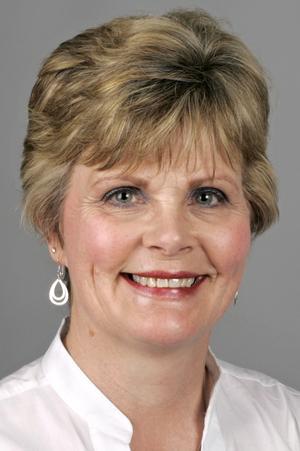
Today, thanks to the efforts of Harriet Cabelly, who blogs about special needs at www.rebuildlifenow.com, you can learn from Priscilla Gilman, a mom who has learned to embrace her child with special needs. Priscilla writes regularly for publications including the Daily Beast, the New York Times, and the Huffington Post, and speaks frequently at schools, conferences, and organizations about parenting, education, and the arts. She’s also the author of The Anti-Romantic Child, her memoir of raising her son Benjamin who has special needs.

Advice about How to Embrace Your Child with Special Needs

Here’s one of nugget of Gilman’s wisdom from the interview:

I always saw all the therapies and special support not as a race to fix or cure him, not as tools in an arsenal as if I was fighting a battle against autism, but rather I saw it as ‘I want to get to know my son better, I want to understand him so I can love him better and be a better mother to him.’ And so when we would do the therapy sessions, I would try to look at them as opportunities to learn more about him and to help him. Not to help him change but to help him become more comfortable with things he loved to do. For instance sound sensitivity—helping him overcome those things so he could enjoy music and go to concerts because he loves music. Not so he can become normal, whatever that is, but so these obstacles to his engagement with things he absolutely likes, would be removed.

Good stuff, huh? Harriet’s interview with Gilman is overflowing with nuggets like the one above. So hop on over to Interview with Priscilla Gilman – Embracing the Strengths of a Special Needs Child to read the whole thing.

Your Advice

What helps you embrace your child with special needs? Leave a comment to share your advice.

photo credit: www.freedigitalphotos.net

Do you like what you see at DifferentDream.com? You can receive more great content by subscribing to the quarterly Different Dream newsletter and signing up for the daily RSS feed delivered to your email inbox. You can sign up for the first in the pop-up box and the second at the bottom of this page.

By

Jolene Philo is the author of several books for the caregiving community. She speaks at parenting and special needs conferences around the country. Sharing Love Abundantly With Special Needs Families: The 5 Love Languages® for Parents Raising Children with Disabilities, which she co-authored with Dr. Gary Chapman, was released in August of 2019 and is available at local bookstores, their bookstore website, and Amazon. See Jane Dance!, the third book in the West River cozy mystery series, which features characters affected by disability, was released in October of 2023.

Author Jolene Philo

Archives

Categories

Subscribe for Updates from Jolene

Related Posts

On Being an Advocate: Speak Up

On Being an Advocate: Speak Up

On Being an Advocate: Speak Up

Advocacy is part of every parent’s job description. As parents of children with special needs, we find ourselves on the job at unexpected times and in unexpected places, as this post by guest blogger Ellen Stumbo shows.

On Being an Advocate: Speak Up!

I first heard his scream among the crowd. That garbled yell that came either too soon or too late. He kicked his stiff leg awkwardly and painfully slowly, his hands in fists and arms curled up close to his body. The rest of the tae-kwon-do team moved in perfect unison. But not him. His father–or a helper–pushed his wheelchair while the team made its way through the small-town 4th of July parade. And while his movements were imperfect, he beamed with pride because it took every ounce of energy to do what he was able to do.

That’s when I saw them.

As I walked back to join my family by the curb of the street, a man and woman kicked their legs mockingly, making rude noises with contorted faces making fun of the young man with cerebral palsy. They laughed, they pointed, and I felt the rush of blood pumping through my veins.

A crowd stood between me and them. To speak up meant I had to go out of my way and around people to get to them. I could have simply walked away. But I couldn’t. What if that was my child? What if that was someone making fun of my daughter with cerebral palsy? What if they were mocking my little girl with Down syndrome? What would the mother of that young man do?

I had to speak up, so I made my way through the crowd. “Excuse me,” I said with far more confidence than I really felt, “Why are you making fun of that young man? Do you really think it is funny?”

Startled, the man fumbled with his words, “Ummm…no, we are not making fun of him.”

“Really? Because if you are not, then how do you know who I am talking about?

“We are making fun of our friend,” the woman quickly added, “we have this joke with him, and we always make fun of him. We were not making fun of the guy in the wheelchair.”

“Listen, I don’t know who you were making fun of, all I know is that for anyone watching, you are making fun of the man with cerebral palsy.”

“We would never do that.” The man tried to sound serious, like he really meant what he was saying.

I raised my hand in a gesture for him to stop talking. “Do you have any idea what it took for him to be out there? Do you realize that even right now, as different and awkward as he is, he is giving his all? Do you realize that he has given more than a hundred percent? You should be challenged. We should all be challenged by him. We go around our lives giving the least we can just to get things done. But there he is, giving his all, knowing that some people will still ridicule him and make fun of him. But it doesn’t matter. It doesn’t matter because he is determined, because he won’t let anyone’s perceptions get in the way of a dream. We should all look at him and be moved, be inspired.”

There was an awkward silence, the adrenaline rushing through me had my hands and legs shaking.

“Yeah,” the man broke the silence. “These people can do lots of normal things now, it’s pretty incredible.”

I smiled at him. “These people? They are not these people, they are people, just people. And yes, they are incredible, showing the rest of us normal people about what really matters. You see, I have two little girls with special needs. One of them, in fact, has cerebral palsy, just like that man. I hope someday she chases hard after her dreams. So I look at that man and I am inspired, and I am full of hope. Hope that someday my kids will be included, accepted, and not be considered one of these people, but part of the team.”

After a pause, I added, “Have a nice day.” I turned around and walked back to find my family, blinking the tears that threatened to run freely.

I had to speak up. Not only for that man, but for my girls too.

When Do You Speak Up?

When do you advocate for your child? Leave a comment about what compels you to speak up.

photo credit: www.freedigitalphotos.net

Do you like what you see at DifferentDream.com? You can receive more great content by subscribing to the quarterly Different Dream newsletter and signing up for the daily RSS feed delivered to your email inbox. You can sign up for the first in the pop-up box and the second at the bottom of this page.

By

Ellen Stumbo is a writer and speaker and the mother of three girls, two with disabilities. To read more of Ellen’s writing, visit her blog at www.EllenStumbo.com.  She can also be found on Twitter and Facebook.

Author Jolene Philo

Archives

Categories

Subscribe for Updates from Jolene

Related Posts

A Special Needs Think Tank

A Special Needs Think Tank

A Special Needs Think Tank

Think tanks. Guest blogger Kimberly Drew created her own think tank to find solutions for problems associated with her daughter, Abigail’s special needs, which include cerebral palsy, a seizure disorder, hearing loss, microcephaly, and oral dysphagia.

The Great Cup Quest Think Tank

Since our daughter was old enough and able to use a sippy cup, we started buying every cup we came across to find THE CUP—the cup she could drink out of at the right speed, with the right amount of effort, and that didn’t spill everywhere.  I think we could have paid for a small vacation somewhere with the money we have spent in sippy cups!

A Special Needs Think Tank Is Born

Having a child with special needs requires ingenuity and resolve. Sometimes you need a think tank. I’m blessed to have amazing family support. Sometimes one of our think tank members brings something to the table that just changes everything for us. For instance, Abbey’s bibs were getting too small for her neck circumference. I selfishly like her bibs to match her outfits…so, the bib extender was born when my mother-in-law made one out of fleece and Velcro. (If you’d like to know how to make some yourself, send me an e-mail!)

Special Needs Think Time Team

A think tank can brainstorm together. We’ve had to brainstorm and work our way through so many different things over the years. I’m grateful that our daughter has an entire IEP team to help us navigate the educational system. I don’t know where we’d be without all the teachers, therapists, and school staff that have helped us along the way. Even our church has thought through how to do Sunday school with Abbey so that my husband and I didn’t have to stay with her during that hour.

Special Needs Think Tank Faith

We are constantly evaluating, changing, improving, and processing almost every aspect of Abbey’s daily care and long term comfort. It does become tiring and frustrating at times, but comes with the title of caregiver. I know that it is discouraging not to have answers when there is an obstacle in your path. It’s especially hard because we care so much about our children, and want so badly to see them have everything that they need. I think it’s important to try to keep faith and perspective in play when you find yourself at a crossroad and needing solutions.

Faith is the assurance of things hoped for and the conviction of things unseen. When I’m weak and tired, frustrated or fed up, I rely on God to give me the faith I need. Perspective is also important. We have to get our eyes off of the microscope we’ve been staring into. When you’ve been examining a problem for so long, it gets bigger. Sometimes, you need to look around in order to remember things for what they really are.

Special Needs Think Tank Success

With all of that in mind, I’m happy to say we have found the perfect cup. Two actually! The one she uses at school is a short hot pink cup with an angled top. It’s called a Nosey Cup…but of course, the regular one wasn’t perfect. So, her therapist had to saw off the handles!  The great cup quest has ended, and we are saving money.

Who’s Part of Your Think Tank?

I think every parent of a child with special needs has an informal think tank, a group of people who help solve problems. Take a minute to give a shout out to the people who are part of your think tank. Leave a comment to tell us about them.

Do you like what you see at DifferentDream.com? You can receive more great content by subscribing to the quarterly Different Dream newsletter and signing up for the daily RSS feed delivered to your email inbox. You can sign up for the first in the pop-up box and the second at the bottom of this page.

By

Kimberly grew up and went to college in the small town of Upland, IN. She graduated from Taylor University with a degree in Elementary Education in 2002. While at TU, she married her college sweetheart and so began their adventure! Ryan and Kimberly have four amazing kids on earth (Abigail, Jayden, Ellie, and Cooper), and a baby boy waiting for them in heaven. Their daughter Abigail (Abbey) has multiple disabilities including cerebral palsy, a seizure disorder, hearing loss, microcephaly, and oral dysphagia. She is the inspiration behind Kimberly’s desire to write. In addition to being a stay-at-home mom, Kimberly has been serving alongside her husband in full time youth ministry for almost fourteen years. She enjoys working with the senior high girls, scrapbooking, reading, and music. You can visit Kimberly at her website, Promises and Perspective.

Author Jolene Philo

Archives

Categories

Subscribe for Updates from Jolene

Related Posts

An EA/TEF Top Ten List: 30 Years Later

An EA/TEF Top Ten List: 30 Years Later

An EA/TEF Top Ten List: 30 Years Later

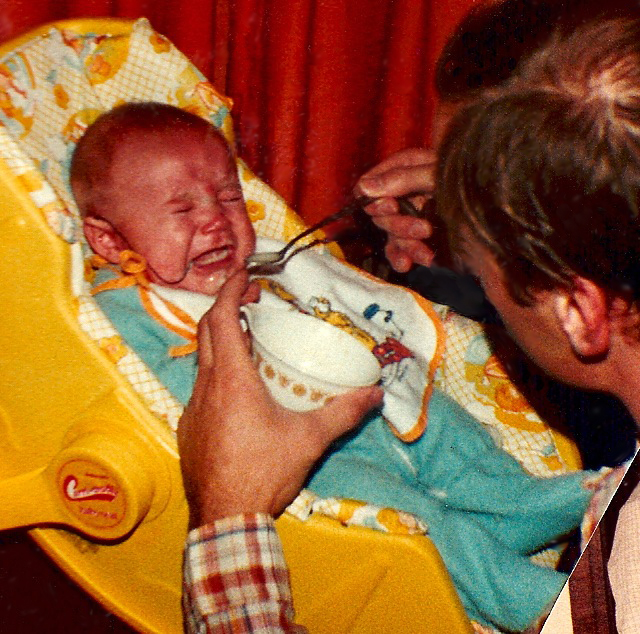
EA/TEF Awareness Month 2013 ends today. Thirty years ago, our baby boy, born with EA/TEF was about eight months old, slowly gaining ground in his fight to stay alive. Today, I’d like to encourage parents of young EA/TEF children by sharing my own top ten list of life as an EA/TEF parent thirty years later.

Top Ten Signs You’re the Parent of an Adult with EA/TEF

  1. The tiny blood pressure cuff your newborn wore in NICU hangs beside his baby picture.
  2. You can recite your baby’s surgery timeline without hesitation.
  3. You don’t like to visit hospitals much.
  4. When your first grandchild is born, you are surprised by grief when you realize how much bonding time you and your newborn missed.
  5. You can’t break the habit of leaving good tips at restaurants. It’s your way of apologizing for the napkins full of vomit your child left behind way back when.
  6. You think cribs that aren’t elevated at the head just don’t look right.
  7. You panic when you hear your adult child has a cold, influenza, or any other common ailment.
  8. You feel guilty because you panic when you hear your child has a cold, influenza, or any other common ailment, and chide yourself, saying, “Get a grip! He’s an adult! Get over it!”
  9. You feel much better when your spouse says he’s panicked because your adult child has a cold, influenza, or any other common ailment.
  10. You believe in miracles because you raised one.

What Would You Add to the List?

Until two years ago, I had never met the parent of a child born with EA/TEF. I have yet to meet the parent of an adult born with the anomaly. If you’re part of that small but growing group, please introduce yourself in the comment box. Then, tell what you’d add to the list. Thanks!

Do you like what you see at DifferentDream.com? You can receive more great content by subscribing to the quarterly Different Dream newsletter and signing up for the daily RSS feed delivered to your email inbox. You can sign up for the first in the pop-up box and the second at the bottom of this page.

By

Jolene Philo is the author of several books for the caregiving community. She speaks at parenting and special needs conferences around the country. Sharing Love Abundantly With Special Needs Families: The 5 Love Languages® for Parents Raising Children with Disabilities, which she co-authored with Dr. Gary Chapman, was released in August of 2019 and is available at local bookstores, their bookstore website, and Amazon. See Jane Dance!, the third book in the West River cozy mystery series, which features characters affected by disability, was released in October of 2023.

Author Jolene Philo

Archives

Categories

Subscribe for Updates from Jolene

Related Posts

Alphabet Soup Is Hard to Swallow

Alphabet Soup Is Hard to Swallow

Alphabet Soup Is Hard to Swallow

EA/TEF Makes Everything Hard to Swallow

Alphabet soup isn’t hard to swallow. Not for most people anyway. But when a pediatrician says your newborn baby has esophageal atresia and tracheoesophageal fistula (EA/TEF), the diagnosis is a hard one for parents to digest. And for the baby, this particular alphabet soup can be deadly.

Alphabet Soup: EA/TEF Style

My husband and I learned of our son’s diagnosis about seven hours after he was born in 1982. From the outside our baby appeared to be perfectly formed. But the doctor explained he had what was then called a tracheoesophageal fistula (now esophageal atresia is added at the front). “We call it TEF for short,” the doctor explained. “The top of his esophagus comes down from his throat and forms a blind pouch. The bottom comes up from his stomach and hooks into his trachea.”

The doctor explained that the diagnosis was fatal but could be corrected with immediate surgery. So our ten-hour-old baby was life-flighted to a hospital 730 miles for surgery. He wasn’t even a day old when the pediatric surgeon called to report that the operation was a success, and our baby was doing well.

Alphabet Soup: Murphy’s Law Style

For three years after our son’s birth, he was a Murphy’s Law kind of kid. If any post-op complication could happen, it did. If any bad virus was going around, he got it. If a reason to throw up could be found, he found it. Our lives were a blur of doctor’s appointments, hospital tests, surgeries, sleep deprivation. The experience was isolating. The sense of isolation haunted me for years, long after the corrective surgeries ended, and our little boy became a healthy child and then a healthy teen.

To read the rest of this post, please go to the Not Alone website.

Do you like what you see at DifferentDream.com? You can receive more great content by subscribing to the quarterly Different Dream newsletter and signing up for the daily RSS feed delivered to your email inbox. You can sign up for the first in the pop-up box and the second at the bottom of this page.


By

Jolene Philo is the author of several books for the caregiving community. She speaks at parenting and special needs conferences around the country. Sharing Love Abundantly With Special Needs Families: The 5 Love Languages® for Parents Raising Children with Disabilities, which she co-authored with Dr. Gary Chapman, was released in August of 2019 and is available at local bookstores, their bookstore website, and Amazon. See Jane Dance!, the third book in the West River cozy mystery series, which features characters affected by disability, was released in October of 2023.

Author Jolene Philo

Archives

Categories

Subscribe for Updates from Jolene

Related Posts

Parenting Lessons in Letting Go

Parenting Lessons in Letting Go

Parenting Lessons in Letting Go

Parenting lessons don’t end when our kids become adults. Guest blogger Kathy Guzzo is here to share some parenting lessons she’s learned since her children, one of whom has special medical needs, reached adulthood.

Parenting Lessons in Letting Go

Years ago when we began our journey as parents, our goals included nurturing and guiding our children on the path where each step would bring them closer to becoming independent and responsible adults. We learned early that this desire would definitely be easier said than done, yet through all the tantrums of toddlers trials of four teenagers at once, and many mistakes made by us, we feel our children all in their mid twenties to early thirties, have become even more than we expected.

Parenting Lesson #1: The Good and Bad of Raising Responsible Children

Raising responsible children is great, right? Yes and no. Yes, because they have become hard workers, striving to improve the world around them and loving and loyal to friends and family. However, the downside of raising children that become self-sufficient responsible adults is that as parents, we have to step back and let them live their lives. No, because I had to let go of knowing all that’s going on in their lives and release total control. I had to accept the fact that they didn’t need me in the same capacity any longer. I thought watching them from the sidelines would be easy as they learned from their mistakes as they pursued their dreams, and it was—until it came to our daughter’s health issues.

Parenting Lesson #2: Need vs. Want

Although she is 28 years old, I’ve really struggled the past few years with not knowing everything that’s going on regarding her health issues. Of course, it doesn’t help that she lives alone and 500 miles away. Since the day she was diagnosed with lupus and Epstein Barr Replication over ten years ago, I’ve convinced myself that I need to know when she’s too tired to get up, not able to eat, has had to increase her medications, is getting IVs for dehydration, or when she just feels blah. After all, how can I help her if I don’t know what’s going on with her health? The answer is simple—I can’t.

I’m learning to accept the fact that I not only can’t help her, but at this point in her life she doesn’t need my help, and that’s hard to swallow. I have to acknowledge the reality that through all her struggles with illnesses, she has become what her dad and I had hoped—a well-rounded, responsible adult able to care for herself and make good decisions.

Another thing God in His graciousness is teaching me is that sometimes what I perceive at needs are really just wants, and that is so true in this situation. I don’t really need to be involved in her life—I want to.  She’s my daughter, so part of me feels I have a right to know how she is. Yet she’s an extremely capable adult, so I’m forced to step back and relinquish that desire. A few years ago, I was forced to deal with this same issue as my son left for his first deployment while in the Marines, and it was just as hard.

Parenting Lesson #3: Relinquishing Control

The only feasible solution is to allow God to help me let go, and the only way I can do that is to trust that He is more than able to care for her when I can’t. He blessed me with the opportunity to raise four amazing children, and although we dedicated each of them to Him at a young age, I now need to relinquish total control of their lives over to Him.

When Andrea was younger she used to say, “Do your best and let God do the rest.” and that’s where I’m at now. As a parent I did all I could to protect, love, and nurture our children, and now I have to let go and let God take over. It’s not an easy process and it probably won’t ever be unless I continually ask for His help in learning my role on the sidelines. I have to allow Him to be the coach now, and become the cheerleader on the sidelines. Regardless of what happens during the game of life my children, especially Andrea, are playing, I will trust God to be with them each step of the way.

What Parenting Lessons Have You Been Learning

Thanks, Kathy, for sharing your parenting lessons. How about you? What lessons have you learned lately? Leave a comment.

Do you like what you see at DifferentDream.com? You can receive more great content by subscribing to the quarterly Different Dream newsletter and signing up for the daily RSS feed delivered to your email inbox. You can sign up for the first in the pop-up box and the second at the bottom of this page.

By

Kathy Guzzo and her husband live in Northern Illinois and have 4 adult children. One of her daughters was diagnosed with lupus and Epstein Barr Replication as a young adult. Another began struggling with depression and OCD in her mid-twenties. She understands the need for her daughters to be able to make their own decisions regarding their health, but the nurturer in her sometimes has a hard time letting go. She desires to direct others to the peace and hope that God has abundantly available for them.

Author Jolene Philo

Archives

Categories

Subscribe for Updates from Jolene

Related Posts