Two Coping Skills for Families with Disabilities

Two Coping Skills for Families with Disabilities

Two Coping Skills for Families with Disabilities

Kristin Faith Evans understands first-hand the stresses of special needs parenting. In this post, she explains coping strategies she’s used to keep her focused and calm in the middle of the storms of life.

Soon after my daughter with complex needs came home from the hospital, I began struggling to cope with her care needs. I learned that parents of children with special needs must use additional coping strategies more often than parents of children without disabilities. Research shows two skills in particular can help parent caregivers better manage the added stress.

1. Mindfulness

Mindfulness is simply fully participating in the present moment. For example, if you’re washing dishes, slow down and feel the warm water on your skin, focus on scrubbing the dish, smell the soap, and notice your feet on the floor. If your mind wanders to your to-do list, simply come back to your present task.

By being fully present in doing one thing at a time, your anxiety about the future and your painful emotions about the past can lower in intensity. Regularly practicing mindfulness can actually effectively rewire the neural networks in your brain and reduce the negative effects of stress. Practicing mindfulness also contributes to decreased depression and anxiety, improved long-term physical and mental health, higher quality of life, and an easier time adapting. Parenting mindfully can improve your interactions with your child and their development and even reduce your child’s problematic, aggressive, or self-injurious behaviors.

Try this:

Take three minutes today to stop and simply be in the present moment. Notice what you hear, smell, feel, and see. Observe your breathing. Take a slow, deep breath then return to your day.

Here are some free mindfulness apps you can try:

Smiling Mind
UCLA Mindful app
Mindfulness Coach by the U.S. Department of Veterans Affairs

2. Gratitude

I discovered it can become easy to feel stuck and overwhelmed by the stress, making it difficult to see past my challenges. About five years ago, I began making a list of Scriptures about thankfulness. I posted the verses on my bathroom mirror and recorded them in a journal. I now stop during the day, take a slow deep breath, and thank God for the blessings I’m grateful for that day. This brings a smile to my face and gives me new perspective.

Practicing gratitude can improve our physical and mental health, lower our stress levels, and make us more resilient as disability parents. Expressing thankfulness to God can give us new hope and joy and help us see our circumstances in a new light.

These are two easy ways to practice gratitude:

Meditate on Scriptures

Try focusing on memorizing one verse or reading the verse out loud. Here are some sample verses: PsalmĀ 9:1, PsalmĀ 107:1, 1Ā CorinthiansĀ 15:57, 1Ā ThessaloniansĀ 5:18

Start a gratitude journal

Write down one thing for which you are thankful each day or write out your prayers thanking God. On days you feel discouraged, go back and read through your list.

I hope these two coping skills for families with disabilities help lower your stress levels and bring you more joy.

Do you like what you see at DifferentDream.com? You can receive more great content by subscribing to the monthly Different Dream newsletter and signing up for the daily RSS feed delivered to your email.

Photo byĀ Scott UmstattdĀ onĀ Unsplash

By

Kristin lives with her husband, Todd, and their two children in the Nashville, TN area. She is an author, speaker, mental health counselor, and a mom of two children with rare genetic disorders and complex needs. Her greatest passion is teaming up with her husband to empower other parents of children with disabilities, mental health disorders, and medical complications. She hopes that you may find encouragement and support on their websiteĀ www.DisabilityParenting.com

Author Jolene Philo

Archives

Categories

Subscribe for Updates from Jolene

Related Posts
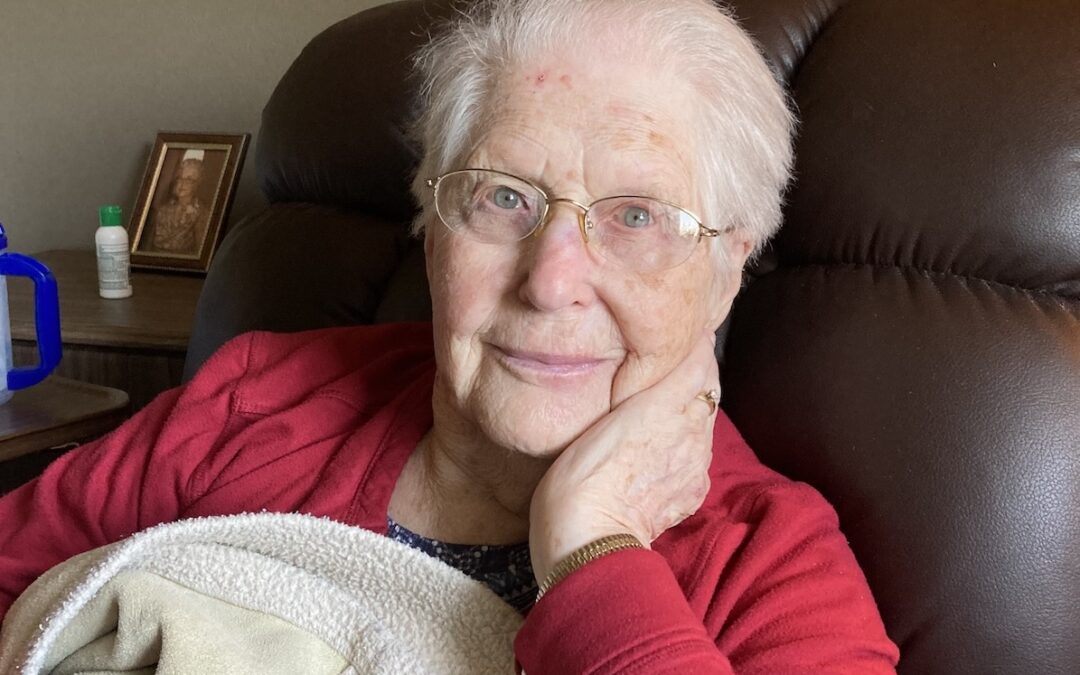
A Year Ago We Said Goodbye to Mom

A Year Ago We Said Goodbye to Mom

A year ago we said goodbye to Mom.
I miss her smile, but not the suffering she endured.
I miss her wit, but not her weeping.
I miss her perseverance, but not her pain.

A year ago we said goodbye to Mom.
I miss our games of Uno, but not the “Oh no” sensation upon entering her room.
I miss the twinkle in her eye, but not her distress when she tinkled in her pants.
I miss hearing her say my name, but not her embarrassment when she couldn’t recall someone else’s.

A year ago we said goodbye to Mom.
I wish her last days had been more comfortable.
I wish she’d found more solace in her faith.
I wish she’d still wanted to eat ice cream.

A year ago we said goodbye to Mom.
I’m grateful for all she taught me.
How to escape into a good book.
How to cook and bake.
How to manage money.
How to work hard.
How to exasperate my children.
How to love someone in sickness and in health.

A year ago we said goodbye to Mom.
I miss her every day and always will.
I love her and will never wish her back.
She ran her race.
She finished well.
She is whole once more.

A year ago we said goodbye to Mom.
She is now reunited with those she longed to see in her final weeks on this earth.
Her husband.
Her parents.
Her siblings and their spouses.
Dear friends.

A year ago we said goodbye to Mom.
I am so grateful to have been with her when she went home.

In memory of Dorothea Lorraine Hess Stratton.
September 3, 1928-June 23, 2023

How Can I Be Grateful for Disability

How Can I Be Grateful for Disability

How Can I Be Grateful for Disability

How can I be grateful for disability? The question seems ludicrous, even unfeeling, when I consider what my father, son, and now my mother experienced due to disability.

So how is it, on this day after Christmas, I am grateful for the disabilities that continue to bring sorrow, pain, and loss to our family? The more I reflect upon this question, the more I see that the answer can be found in the smiles of my father, my son, and now my mother. Let me explain.

My father was bedridden for almost 3 decades. My mom was his primary caregiver with my sister, brother, and me playing supporting roles. He was completely dependent on us. We fed him, washed him, dealt with his bodily needs, and kept him company. When we entered Dad’s bedroom, he lit up. Not because of what he wanted us to do for him,Ā but because we were with him.

Our infant son was similarly dependent upon my husband and me. Our baby’s first year was a revolving door of painful surgeries, invasive tests, and illness. Nevertheless, he smiled at us early. When we entered his room in the middle of the night to change his diaper, he smiled. When we talked and cuddled with him during his tube feedings, he smiled. When he was in the hospital and we sat beside his crib, he smiled. Not because we could take away his pain, butĀ because we were with him.

To read the rest of How Can I Be Grateful for Disability, click here to visit the Key Ministry website for special needs parents.

Do you like what you see atĀ DifferentDream.com? You can receive more great content by subscribing to the monthly Different Dream newsletter andĀ signing up for the daily RSS feed delivered to your email.

Image byĀ Grae DickasonĀ fromĀ PixabayĀ 

By

Jolene Philo is the author of several books for the caregiving community. She speaks at parenting and special needs conferences around the country. Sharing Love Abundantly With Special Needs Families: The 5 Love LanguagesĀ® for Parents Raising Children with Disabilities, which she co-authored with Dr. Gary Chapman, was released in August of 2019 and is available at local bookstores, their bookstore website, and Amazon. See Jane Sing!, the second book in the West River cozy mystery series, which features characters affected by disability, was released in November of 2022.

Author Jolene Philo

Archives

Categories

Subscribe for Updates from Jolene

Related Posts

Why Is Expressing Gratitude Especially Important for Families with Disabilities?

Why Is Expressing Gratitude Especially Important for Families with Disabilities?

Why Is Expressing Gratitude Especially Important for Families with Disabilities?

Why is expressing gratitude especially important for families with disabilities? Guest blogger Kristin Faith Evans shares three compelling reasons that can lead you to true expressions of gratitude as the holiday season draws near.

It’s that time of year. The chilly air mixes with autumn scents and rustling fallen leaves. The holidays are quickly approaching, bringing with them all of their memories and emotional implications. During this season, many people talk about the blessings for which they’re most thankful. But the holidays can be challenging and elicit painful emotions for some families. So why is expressing gratitude especially important for families when disabilities in what can be a difficult season? Here are three reasons that are important in our family.

Reason #1: Gratitude makes us more resilient

Studies show that when caregivers practice daily gratitude, they report a higher quality of life and better health outcomes. Focusing on ways that we are thankful can give us a more balanced perspective on our circumstances. Expressing gratitude opens our eyes to appreciate different aspects of our lives that we can miss when we’re focused on our difficulties and loss.

Regularly practicing gratitude can also improve our mental health. Taking time to reflect on our blessings and giving thanks helps lower our stress levels and increases our hope and joy.

Try this: Each day, write down one thing for which you are grateful.

Reason #2: Expressing gratitude deepens our faith

Sometimes it can be difficult to identify something for which we are thankful. During painful seasons of loss and grief, anger can build, and we can feel disconnected from God. Choosing something very simple to thank God for can help us see other ways we can express prayers of gratitude.

Try this: When you’re having difficulty identifying something specific to thank God for, recite the verses written below.

  • ā€œIt is good to give thanks to the Lord, to sing praises to your name, O Most Highā€ (PsalmĀ 92:1).
  • ā€œOh give thanks to the Lord, for he is good, for his steadfast love endures forever!ā€ (PsalmĀ 107:1).
  • ā€œI will give thanks to the Lord with my whole heart; I will recount all of your wonderful deedsā€ (PsalmĀ 9:1).
  • ā€œTherefore, as you received Christ Jesus the Lord, so walk in him, rooted and built up in him and established in the faith, just as you were taught, abounding in thanksgivingā€ (ColossiansĀ 2:6).
  • ā€œGive thanks in all circumstances; for this is the will of God in Christ Jesus for youā€ (1 ThessaloniansĀ 5:18).

Reason #3: Expressing gratitude strengthens our relationships and family functioning

Studies show that expressing gratitude to others, especially to our significant others, can greatly improve our relationships. Telling someone why you appreciate them and thanking them for something that they have done can increase connection and forgiveness. In times of stress, these stronger relationships help hold the family together giving everyone more support.

Try this: Attach a piece of poster board or a large sheet of paper to your kitchen wall or fridge. Encourage family members and friends to write down someone or something for which they are thankful each day.

What’s one way that you express gratitude? Share your ideas in the comments section.

Do you like what you see atĀ DifferentDream.com? You can receive more great content by subscribing to the monthly Different Dream newsletter andĀ signing up for the daily RSS feed delivered to your email.

All Scripture references are from the ESV translation.
Photo byĀ Marcos Paulo PradoĀ onĀ Unsplash

By

Kristin lives with her husband, Todd, and their two children in the Nashville, TN area. She is an author, speaker, mental health counselor, and a mom of two children with rare genetic disorders and complex needs. Her greatest passion is teaming up with her husband to empower other parents of children with disabilities, mental health disorders, and medical complications. She hopes that you may find encouragement and support on their website www.DisabilityParenting.com.

Author Jolene Philo

Archives

Categories

Subscribe for Updates from Jolene

Related Posts

The Blessings of Caregiving

The Blessings of Caregiving

The Blessings of Caregiving

The blessings of caregiving may not be readily apparent to families raising children with special needs and disabilities. Kristin Evans, a Different Dream guest blogger and mother of two amazing kids, describes the blessings her family experiences daily in their caregiving life.

Some people might look at my family and think that we have more to mourn than celebrate. My daughter, Beth, faces extraordinary medical and developmental challenges every day. Yet my husband, Todd, and I have discovered that we are just as blessed, if not more, than the average family. We’ve identified numerous reasons our lives are much richer as a result of having fought sixteen years to save both of our children’s lives. These are just three of the blessings of caregiving that families of loved ones with disabilities often experience.

Blessing #1: A New Perspective on Life

As a disability and medical mom, I’ve experienced how difficult it can be to express gratitude. When I’ve been surrounded by loss, the serious illnesses of my children, and seemingly-impossible circumstances, my tendency has sometimes been to become bitter and sad. Watching my children suffer doesn’t naturally prompt a thankful attitude in me.

But it has been through our difficult circumstances that our family has received the rare gift of seeing life through a different lens. Our greatest desire is for everyone to be at their health baseline and not in the hospital. The days that all four of us are able to just be together at home are the greatest blessings in life.

We’ve learned to be thankful for simple moments together—laughing, enjoying a meal, or playing outside. Sometimes we have to look for the blessings of caregiving and choose gratitude, but God’s good gifts are always there—big and small.

Blessing #2: More Reasons to Celebrate

Little wins are big reasons to rejoice. Beth may not be earning trophies in soccer or straight A academic awards, but she is working very hard on her individual goals. When she reaches a new milestone or learns a new skill, we feel like throwing a big party! Families with disabilities may not celebrate for the typical reasons, but we often have more reasons. When our children make progress in therapy, have a good day, or their health improves, these are the many moments to recognize and enjoy.

Blessing #3: Becoming Better People

My children have taught me how to truly live. I’m a better person because I’m their mom, and I’ve had the privilege of loving and advocating for them their whole lives. As parents caring for our children with disabilities or complex medical needs, we face regular obstacles. And we walk with them through their own unique challenges. In doing so, we can develop a deep empathy for other hurting parents and people in the world. We learn what’s most important in life and to not take a single special moment for granted.

What blessings of caregiving has your family experienced?

Please share your celebrations with us in the comments section!

Blessings,

Kristin

Do you like what you see atĀ DifferentDream.com? You can receive more great content by subscribing to the monthly Different Dream newsletter andĀ signing up for the daily RSS feed delivered to your email.

By

Kristin lives with her husband, Todd, and their two children in the Nashville, TN area. As an author and mental health therapist, her greatest passion is walking with others on their journey to deeper emotional, psychological, and spiritual wholeness. As both her children have rare genetic disorders, Kristin especially loves supporting other parents of children with special needs. She hopes that you may find encouragement and support through her two websites and blogs,Ā www.KristinFaithEvans.comĀ andĀ www.DisabilityParenting.com.

Author Jolene Philo

Archives

Categories

Subscribe for Updates from Jolene

Related Posts