Tips for Raising Kids with Disabilities and Special Needs, Part 2

Tips for Raising Kids with Disabilities and Special Needs, Part 2

Tips for Raising Kids with Disabilities and Special Needs, Part 2

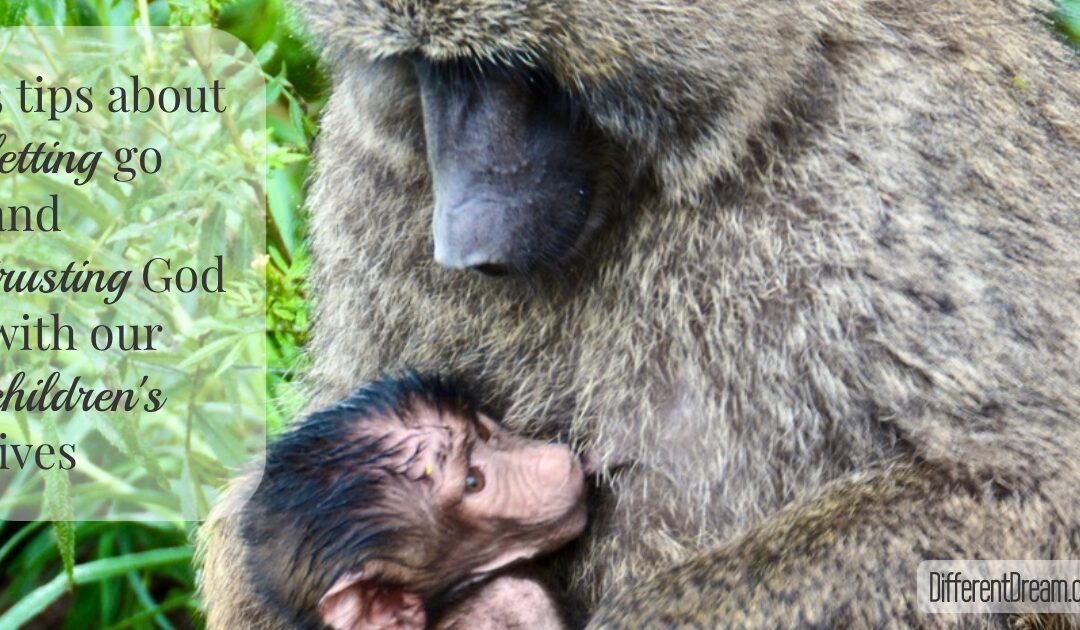
Tips for raising kids with disabilities and special needs can be learned in unexpected places and events. Heather Johnson, mom to three kids with special needs, discovered three tips when from she returned from a once in a lifetime trip with her husband and her elderly father just as the COVID pandemic began. In this post, she shares her final two tips. The first post in this series can be found here.

Tip 2: Know that your current chapter in life is not the end of your story.

We live in a world that’s rocked and rolled by the unexpected. As parents of three kids with disabilities who are now adults, we’re thankful for God’s grace giving us fuel to keep going, to keep hoping. This broken world with all of us broken people is not the end of the story. 

Our family has found strength for the long haul in knowing that God is working all things, even horribly hard things, together for good (Romans 8:28), in his perfect timing. Sometimes we get to see how God is working and other times we don’t. For us, we’ve come to terms with the not knowing and, actually, not knowing has made life more exciting because what we do know is explained in my final tip.

Tip 3: Trust God’s promises.

Our Tanzanian guide couldn’t promise we’d see the “big five” everyone hopes to see on the same safari—lion, leopard, elephant, cape buffalo, and rhinoceros. Turns out, we did see “the big five”. But God has given us more than five big promises that are certainties, not just possibilities.  

We’ve learned, as a family, that God doesn’t give us everything we want, but he promises to give us everything we need. Problem is, when we’re close-hearted and tight-fisted, there’s no ability to receive. Letting go and opening ourselves to things we’ve never thought about or hoped for is key to finding how good God is. 

God has changed our minds about what’s good—what’s worthy to want. And we’ve witnessed that every “no” answer to prayer paves the way to a “yes” answer that’s better. 

Letting go and trusting God isn’t always easy. In fact, it feels often like we’re dying. Because we are. We’re dying to a bit or ourselves that thinks we know best—our hopes, dreams, expectations—and letting God give us something better. 

For I know the plans I have for you, declares the LORD, plans to prosper you and not harm you, plans to give you hope and a future. Jeremiah 29:11

I gave all three of our kids this same “life verse” before we ever met them in that Russian orphanage. I had no idea the same verse would become mine to have and to hold until the end of time. 

You can hold the same promise for yourself. Read it. Memorize it. Write it on an index card and carry it with you like I do. Hold it more tightly than anything else in your life. Because it’s God’s promise that will never be broken. 

No matter where you are in your parenting journey right now, know this—you’re never alone. God knows you and loves you. God will help you through the thunder and crashing during your great migration through this life to a place of peace where you will look back and say you and your loved ones are blessed more than you could have ever imagined. This is a mystery worthy of all our heart, mind, soul, and strength. 

It’s a joy to journey with you!

Part 1 of Tips for Raising Kids with Disabilities and Special Needs

Do you like what you see at DifferentDream.com? You can receive more great content by subscribing to the monthly Different Dream newsletter and signing up for the daily RSS feed delivered to your email

By

Heather MacLaren Johnson and her husband have three kids, all five and under when adopted from Russia. Now 29, 27, and 22, all need regular help with their multiple, permanent, invisible disabilities stemming from prenatal exposure to alcohol (FASD).

Heather has B.S. in Education and a doctorate in Clinical Psychology. She is the author of Grace, Truth, & Time: Facilitating Small Groups That Thrive and has published personal essays in The Wonder Years: 40 Women Over 40 on Aging, Faith, Beauty, and Strength (Kregel Publications) and Your Story Matters: Finding, Writing, and Living the Truth of Your Life (NavPress). She’s writing a memoir about her family’s journey through hidden disabilities and mental illness to encourage others to greater intimacy with God and each other through times of desolation and lament.

Heather and her husband of 27 years live with two horses, two dogs, two barn cats, and a bunch of silk plants she just dusts. Heather writes and photographs at www.truelifewithgod.com.

Author Jolene Philo
Archives

Categories

Related Posts

Pie Advice from a Seven-Year-Old

Pie Advice from a Seven-Year-Old

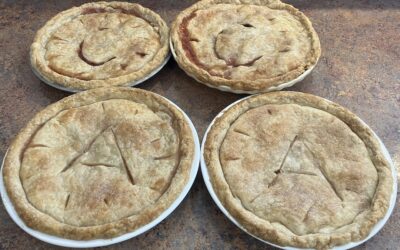
Pie advice from a seven-year-old has become a regular thing at our house. Our granddaughter, who always has a lot to say about pie in general and cherry pie in particular, turned seven in January. Between that momentous occasion and many recent opportunities for pie...

read more
Tips for Raising Kids with Disabilities and Special Needs, Part 1

Tips for Raising Kids with Disabilities and Special Needs, Part 1

Tips for Raising Kids with Disabilities and Special Needs, Part 1

Tips for raising kids with disabilities and special needs are usually the product of trial and error. But Heather Johnson, mom to three kids with special needs, discovered three tips when the COVID pandemic entered the scene on the heels of a once in a lifetime African safari. She shares one of the tips in the first post of this series and the other two in the second installment later this week.

One year ago my husband, my 87-year-old father, and I boarded a flight from Chicago for a two-week African safari in Tanzania. After a year of planning and anticipation, we were about to experience the most marvelous part of creation we had ever witnessed–except for having kids. 

We saw lions, leopards, cheetahs, elephants, cape buffalo, and hippopotamus so close to our vehicle that I didn’t need my Nikon zoom lens most of the time. My iPhone 8+ took stunning photos. 

On the Serengeti plain, zebras and wildebeests thundered around us on their annual migration north, braying and bellowing as they ran. Hyenas, meerkats, warthogs, and yellow-billed hornbills made The Lion King come to life.

This was bliss—as close to Eden as we could come. Far away from civilization in the African bush, we were unaware of what was thundering and spreading across the globe at a breath-taking pace, literally. 

Covid-19. 

We returned to a world changed suddenly and dramatically. Masks, social distancing, school and business closings, job losses, blaming, shaming, raw nerves flaring. 

From bliss to this? Shocking, to say the least. 

So what did an awe-inspiring African safari and a frightful Covid-19 pandemic teach parents like you and me about living with and raising kids with special needs? Here are 3 tips our family is still learning.

Tip 1: Hold hope tightly but hold expectations loosely.

As new parents, sometimes our sky-high hopes come crashing suddenly, thundering through our whole being. Such was the case when my husband and I learned, one-by-one, that all three of our kids we adopted from Russia had multiple, invisible disabilities stemming from fetal exposure to alcohol (FASD). We gave our kids every opportunity to develop. Still, the neuropsychologists weren’t quite right in their predictions. 

For our daughter, 29, independent living and driving will never happen. For our oldest son, 27, a weekly caregiver helping with meal preparations, cleaning, appointment setting, and money management will always happen. For our youngest son, 22, who knows? His attempt at tech school ended with words uttered to me through sobs near the end of his first quarter. “I tried as hard as I could, but I couldn’t do it.” Now he works in a factory and is happy as can be, as are we. There’s been grief and tears, for sure. Loss is hard. But grieving losses is good, even necessary, for moving on and opening our hearts again to new possibilities. 

We are happy all our kids are living lives that have caused us and others to realize an important truth—it’s not what we have or what we do that makes us happy. It’s accepting who we are and being loved no matter what that makes us happy. When we have love, we know the present is not the end.

That profound truth leads right into the second of my tips for raising kids with disabilities and special needs. I’ll share it in the second post in this short series which will become available on March 11, 2021.

Part 2 of Tips for Raising Kids with Disabilities and Special Needs

Do you like what you see at DifferentDream.com? You can receive more great content by subscribing to the monthly Different Dream newsletter and signing up for the daily RSS feed delivered to your email.

By

Heather MacLaren Johnson and her husband have three kids, all five and under when adopted from Russia. Now 29, 27, and 22, all need regular help with their multiple, permanent, invisible disabilities stemming from prenatal exposure to alcohol (FASD).

Heather has B.S. in Education and a doctorate in Clinical Psychology. She is the author of Grace, Truth, & Time: Facilitating Small Groups That Thrive and has published personal essays in The Wonder Years: 40 Women Over 40 on Aging, Faith, Beauty, and Strength (Kregel Publications) and Your Story Matters: Finding, Writing, and Living the Truth of Your Life (NavPress). She’s writing a memoir about her family’s journey through hidden disabilities and mental illness to encourage others to greater intimacy with God and each other through times of desolation and lament.

Heather and her husband of 27 years live with two horses, two dogs, two barn cats, and a bunch of silk plants she just dusts. Heather writes and photographs at www.truelifewithgod.com.

Author Jolene Philo

Archives

Categories

Related Posts

Pie Advice from a Seven-Year-Old

Pie Advice from a Seven-Year-Old

Pie advice from a seven-year-old has become a regular thing at our house. Our granddaughter, who always has a lot to say about pie in general and cherry pie in particular, turned seven in January. Between that momentous occasion and many recent opportunities for pie...

read more
Jane Threw Her Bible Away

Jane Threw Her Bible Away

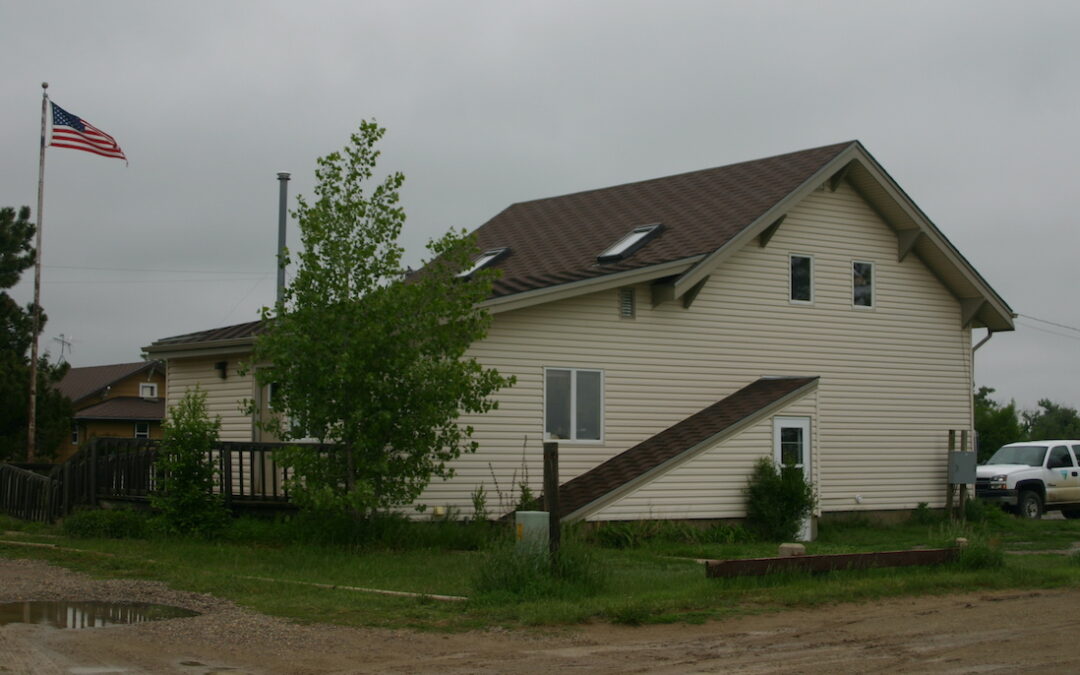
The Forest Service Ranger Station in Camp Crook. The brown house in the background is similar to the one where Jane and Pam meet.

Jane threw her Bible away years before she moved to Little Missouri. Her lack of faith is a major player in See Jane Run! Finding a way to show rather than tell readers why Jane threw her Bible away was a real challenge. My daughter, who is doing a final consistency read through before the manuscript goes to the publisher, says a recently added flashback rose to the challenge.

The flashback is based on something that happened during my high school years. I had forgotten about it until about 10 years ago when my uncle–the inspiration behind Uncle Tim in the novel–invited me to look through the journals he’s faithfully kept for decades. I chose the one for 1973-74, which was my senior year in high school. I scanned pages for mentions of our family. One described a phone call to my uncle after I got home from school and found Dad on the bathroom floor. My uncle came over. He cleaned Dad and dressed him in fresh clothes. My uncle’s journal account ended with these words, not written out of pity but with deep compassion: Poor man. Poor wife. Poor family.

To be clear, I didn’t lose my faith after the real event. However, I used it in a fictional flashback to show why Jane threw her Bible away and abandoned her faith. The excerpt you’re about to read is an early scene. It takes place a few days after Jane moves to Little Missouri. On a walk around town she meets Pam, who shows her around the Forest Service campus. Here goes:

After the tour ended, I declined Pams offer of more tea. 

Then would you join us at church tomorrow and come to Sunday dinner?”

I wanted to say no. After all, I had wasted years going to church, following every thou shall” and thou shall not” in the Bible. Every night at bedtime, I asked God to heal my father. I prayed the same prayer night after night. But Dad didnt get better. He got worse. Even so, I prayed up a storm. Until the day I walked the bathroom and found him huddled on the floor by the toilet, feces smearing the floor.

 He gazed at the wall and spoke in a monotone. I fell off the toilet.”

Its okay, Dad. Ill call Uncle Tim.” 

His jaw clenched. Its not okay. A daughter shouldnt see her father like this.”

Uncle Tim got there as fast as he could and took over. While he gave Dad a bath, I went to my bedroom, found my Bible, and threw it away.

I opened my mouth to say I didnt go to church, but opted for Iowa nice. I dont want to put you out.”

Put us out? Dans grilling hamburgers, and Im making potato salad.”

My mouth watered. 

What do you think of the scene? Does it showing rather than tell why Jane threw her Bible away? You can leave your feedback in the comment box!

Sign up to receive website updates and See Jane Run! book news on Gravel Road’s home page right under the picture of–you guessed it–the gravel road.

The Dread of the Unknown

The Dread of the Unknown

The Dread of the Unknown

The dread of the unknown grabbed hold of our grandson when he was three. He was playing in the living room when a sun came out from behind a cloud, striping the floor with light and dark.

“Grammy, what’s that?” he asked, pointing at the dark bit.

“It’s called a shadow.”

“What’s a shad-e-ow?” He got the “shad” part right, but pronounced the “ow” like the end of radio.

“It’s what objects and people make when they stand in the sun. The light can’t get through so it forms a dark outline–a shadow.”

“I don’t like shad-e-ows. Make them go away.”

In that moment, a fear was born.

No matter what we said.
No matter that we showed him how shadows come and go without harm.
No matter how often we showed him it didn’t hurt to stomp on someone’s shadow.
No matter how many times we grabbed at shadows and couldn’t catch them.

His fear of shadows was real. It was debilitating. It ruled his days for almost a year. And then it slipped away, as silent and insubstantial as a shad-e-ow.

My grandson’s dread of the unknown wasn’t much different than what I experienced after our medically fragile baby was born. I spent the first year of his life in the grips of fear.

What if he died? He didn’t.
What if he got sick again? He did get sick. A lot. And then he got better.
What if I couldn’t pump enough breast milk for him? Somehow, there was always enough.

No matter the good things that happened.
No matter how often my fears didn’t come true.
No matter how many times our baby fought off illness.
No matter how many times we had just enough and no more.
My fear was real. It was debilitating. It ruled my days for my baby’s first year of life. While my grandson’s fear slipped away almost unnoticed, my fear for my baby departed kicking and screaming, lurking in corners eager for a chance to return.

The dread of the unknown, I now realize, is part and parcel of parenting a child with special needs and disabilities. The decisions, the diagnoses, the outcomes, the timelines are different for our kids. Our parenting journey contains many unknowns. It can be hard. It can also be unsettling. But we can’t let the dread of the unknown magnify the hard bits of parenting our children and block out the joy and delight of their lives. Instead we must understand the distinction between fear and faith.

Fear is the dread of things unknown, the terror of things unseen.

Faith is the assurance of things hoped for, the conviction of things unseen. (Hebrews 11:1)

Fear is grounded in what we don’t know about parenting our kids.
Faith is grounded in the hope of one wants to be known.

The dread of the unknown may be part and parcel of raising our kids, but we can loosen its grip by looking to the Savior who came to earth to be seen. The one who lives in the light and not the shadows. The one who loves you and your child with an everlasting love that casts out fear. The one who is ever and always the hope of all who seek to know him.

Do you like what you see at DifferentDream.com? You can receive more great content by subscribing to the monthly Different Dream newsletter and signing up for the daily RSS feed delivered to your email.

By

Jolene Philo is the author of the Different Dream series for parents of kids with special needs. She speaks at parenting and special needs conferences around the country. She’s also the creator and host of the Different Dream websiteSharing Love Abundantly With Special Needs Families: The 5 Love Languages® for Parents Raising Children with Disabilities, which she co-authored with Dr. Gary Chapman, was released in August of 2019 and is available at local bookstores, their bookstore website, and at Amazon.

Author Jolene Philo

Archives

Categories

Related Posts

Pie Advice from a Seven-Year-Old

Pie Advice from a Seven-Year-Old

Pie advice from a seven-year-old has become a regular thing at our house. Our granddaughter, who always has a lot to say about pie in general and cherry pie in particular, turned seven in January. Between that momentous occasion and many recent opportunities for pie...

read more
Jesus, Kids with Special Needs and Their Families, Part 5

Jesus, Kids with Special Needs and Their Families, Part 5

Jesus, Kids with Special Needs and Their Families, Part 5

Jesus, kids with special needs, and their parents were acknowledged and valued by Jesus. He showed compassion to parents who brought their children into his presence. In the final installment of this series about Jesus, kids with special needs, Mark Arnold unpacks the story of how Jesus healed a boy with an unclean spirit.

What Happened in the Story

This story is recorded in Matthew 17, Mark 9, and Luke 9. At the beginning, a crowd is following Jesus when a man approaches him. The man kneels before Jesus and asks for mercy toward his son. The description of the boys; symptoms suggest epilepsy. The father had asked the disciples could help his son, but they weren’t able to. Jesus seems exasperated. Perhaps with the disciples for their lack of faith. Perhaps because of the way the father asked–“If you can do anything…” Jesus commands the spirit to come out of the boy. The child appears dead, but Jesus lifts him up and is healed.

How the Parent Acted and Reacted

Seeking: The father looked for a way to help his son. He was desperate to stop the seizures that threatened his son’s life.

Uncertain and Hesitant: The father was not sure where to turn. He approached the disciples first, which suggests he didn’t have the confidence to go directly to Jesus. Only when the disciples failed did he aim higher. Even then he wasn’t sure Jesus would be able to help.

Desperate: The father kept going though, even when rebuked by Jesus. Even when he wasn’t sure what he was saying or what he believed.

What We Can Learn from Jesus, Kids with Special Needs, and their Parents

Like the boy’s father we may be better at seeking worldly help our child than heavenly assistance. We hesitant to ask God to help us and our children We fear rebuke, rejection, and disappointment. We become confused and nervous mess when seeking God’s help for our children. There is no need to feel like that because God wants to hear from us. This story shows that out of our tiny, mustard seed faith, great trees can grow!

To read more of this series, check out the links below:

Jesus, Kids with Special Needs, and Their Parents, Part 1

Jesus, Kids with Special Needs, and Their Parents, Part 2

Jesus, Kids with Special Needs, and Their Parents, Part 3

Jesus, Kids with Special Needs, and Their Parents, Part 4

Jesus, Kids with Special Needs, and Their Parents, Part 5

Do you like what you see at DifferentDream.com? You can receive more great content by subscribing to the monthly Different Dream newsletter and signing up for the daily RSS feed delivered to your email inbox. You can sign up for the first in the pop up box and the second at the bottom of this page.

By

Mark Arnold is the Additional Needs Ministry Director at Urban Saints, a leading national Christian children’s and youth organization. He is co-founder of the Additional Needs Alliance, a national and international advocate for children and young people with additional needs or disabilities. Mark is a Churches for All and Living Fully Network partner, a member of the Council for Disabled Children and the European Disability Network. He writes an additional needs column for Premier Youth and Children’s Work (YCW) magazine and blogs at The Additional Needs Blogfather. He is father to James, who has autism spectrum condition, associated learning disability, and epilepsy. To find out more about how Mark’s work can help you, contact him at: marnold@urbansaints.org or @Mark_J_Arnold.

Author Jolene Philo

Archives

Categories

Related Posts

Pie Advice from a Seven-Year-Old

Pie Advice from a Seven-Year-Old

Pie advice from a seven-year-old has become a regular thing at our house. Our granddaughter, who always has a lot to say about pie in general and cherry pie in particular, turned seven in January. Between that momentous occasion and many recent opportunities for pie...

read more