4 Ways Special Needs Parenting Changed Me (For the Better)

4 Ways Special Needs Parenting Changed Me (For the Better)

4 Ways Special Needs Parenting Changed Me (For the Better)

Different Dream is welcoming Sheri Dacon, a new guest blogger, into its ranks today. Read on to find out how special needs parenting has changed her for the better.

How Special Needs Parenting Changed Me

Being the parent of a special needs child is hard. It causes stress, anxiety, and often depression. There is a level of chronic grief as well, as you mourn the loss of a particular dream and embrace a different life than you imagined.

I’ve experienced all of it.

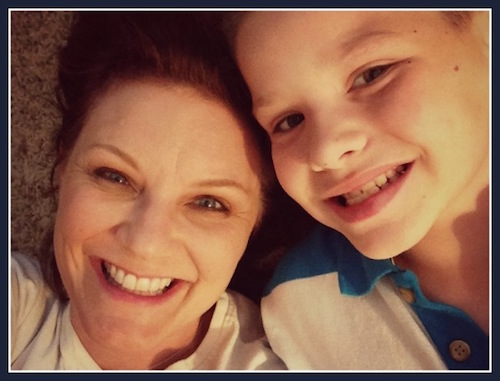
But I’ve also experienced tremendous joy — joy I wouldn’t know if it weren’t for my son who has autism.

My child has changed me. Were I to list all the ways, there wouldn’t be enough space on the internet. But here are a few:

Four Ways Special Needs Parenting Changed Me (For the Better)


1. Sympathy and compassion

Before I had a child with autism, I was judgmental and smug. I assumed poorly behaved children were the result of bad parenting. I was determined never to allow disobedience or disrespect in my home.

I was the perfect mother before I had kids.

Boy was I in for a shock.

Autism opened my eyes to a whole new world. I learned that no matter how good your parenting skills, controlling your child’s every decision — especially when they are wired differently and have major sensory issues — is a pipe dream. No matter your method of discipline, there will be behavior issues.

In an air of superiority, I had lumped all the parents of poorly behaved kids together in the “bad parent” category. Now that I was struggling with behavior issues in my own home, I realized how wrong I had been. I learned to be sympathetic and compassionate rather than judgmental.

2. People are not their masks

Most of us spend our lives wearing masks. We’ve learned how to hide our emotions, our imperfections, our true selves, beneath protective masks of our own making. But people with disability don’t have the same privilege. Their imperfections are on display for all to see.

The Bible says that people look at the outward appearance but God looks at the heart. Disability gives special needs parents a glimpse of the way God sees. We learn to look past physical differences and truly appreciate the person within — first with our own child, and then with others.

3. Happiness and gratitude in small things

Special needs parents don’t take for granted the smiles and hugs and “I love yous” of every day. Those seemingly small things become colossal. We are always on the lookout for the precious, tender moments, the tiny victories. We are primed to be ever mindful, to notice. And when the moments come, they take our breath away. Being a special needs parent takes gratitude to a whole new level.

4. Dependence on God

No matter how independent we profess to be, a diagnosis of special needs makes us realize how little control we actually have. Autism really messed up my plans for a “perfect” life. But I can say without hesitation that I am thankful. It took something I really couldn’t handle on my own for me to finally release the reins and let God take control. How I desperately needed to let go and give my circumstances and my life to the One who could handle it!

This journey of special needs is not an easy one. There are ups and downs and plenty of struggle. But I am thankful.

Being a special needs parent has changed me for the better.

How has your journey with special needs changed you?

How Has Special Needs Parenting Changed You?

Now that you’ve gotten to know Sheri a little better, the Different Dream crew would like to get to know you better, too. So how has special needs parenting changed you? Leave your comments below.

Do you like what you see at DifferentDream.com? You can receive more great content by subscribing to the quarterly Different Dream newsletter and signing up for the daily RSS feed delivered to your email inbox. You can sign up for the first in the pop up box and the second at the bottom of this page.

By

To connect with Sheri, visit her blog at www.sheridacon.com, or find her on Twitter, Facebook or Pinterest.

Author Jolene Philo

Archives

Categories

Subscribe for Updates from Jolene

Related Posts
A Prayer for Caregivers

A Prayer for Caregivers

A Prayer for Caregivers

A prayer for caregivers? Parents to a child with special needs need them. So do parents of new babies, spouses caring for wives or husbands with disabilities, and adult children caring for aging parents. But unless friends, neighbors, and extended family are intimately acquainted with caregivers’ individual journeys, it’s hard to know how to pray for them.

How to Offer a Prayer for Caregivers?

A few months ago, Colleen Swindoll-Thompson, who leads Insight for Living’s Special Needs Ministry, answered that question in a poem she sent to Different Dream.  The poem speaks to the very heart of caregiving’s challenges and joys. It’s also an example or template to be used when praying for caregivers who need strength, perseverance, and encouragement for their work. Here’s the poem. Consider it an early Valentine just for caregivers. Enjoy!

A Prayer for the Caregiver
by Bruce McIntyre

Unknown and often unnoticed, you are a hero nonetheless.
For your love, sacrificial, is God at his best.
You walk by faith in the darkness of the great unknown,
And your courage, even in weakness, gives life to your beloved.

You hold shaking hands and provide the ultimate care:
Your presence, the knowing, that you are simply there.
You rise to face the giant of disease and despair,
It is your finest hour, though you may be unaware.

You are resilient, amazing, and beauty unexcelled,
You are the caregiver and you have done well!

Do You Have a Prayer for Caregivers?

Do you pray for caregivers you know? How do you structure your prayers? Do you support them in practical ways, too? How do you find out about their practical needs and meet them? How do you find out how to pray for them more specifically? Leave your ideas in the comment box. Thanks!

Do you like what you see at DifferentDream.com? You can receive more great content by subscribing to the quarterly Different Dream newsletter and signing up for the daily RSS feed delivered to your email inbox. You can sign up for the first in the pop up box and the second at the bottom of this page.

By

Jolene Philo is the author of the Different Dream series for parents of kids with special needs. She speaks at parenting and special needs conferences around the country. She’s also the creator and host of the Different Dream website. Sharing Love Abundantly With Special Needs Families: The 5 Love Languages® for Parents Raising Children with Disabilities, which she co-authored with Dr. Gary Chapman, was released in August of 2019 and is available at local bookstores, their bookstore website, and at Amazon.

Author Jolene Philo

Archives

Categories

Subscribe for Updates from Jolene

Related Posts

Choosing to Draw Near When Crushed by Special Needs

Choosing to Draw Near When Crushed by Special Needs

Choosing to Draw Near When Crushed by Special Needs

The past few months have been difficult for guest blogger Rebekah Benimoff. She’s here to explain what kept her from giving up when hope for her son with special needs was nearly gone.

Choosing to Draw Near When Crushed by Special Needs

Tonight was spent searching.

Searching back over ramblings from this medically-intense journey, rereading lessons learned along the way. Stories from past seasons jog memories, and rather than linger, I kick against the goads. Another diagnosis has been added, and I am already stretched thin. I know that each new diagnosis must be grieved, worked through. But I’d rather be where I was, in a place of schedules and simpler uncertainties. I’ve come so far, still I have much to learn and live out.

Again I am caught in a crossfire of medical chaos. Unanticipated? Not really. Unaccepted? For sure.

Drawing Near to God Who Sustains Breath When Crushed by Special Needs

No parent wants to watch a child suffer. A mother’s heart is pierced by her child’s pain. Pieces of me cleaved and torn again, old fears resurfacing along the way. For years I’ve spent my days carefully guarding a sometimes fragile life–a multitude of moments seeking to accept that it is God who sustains breath while I am stretched to find balance in the roles of caregiver, teacher, nurturer. A new label has me asking Have I done this well? Not perfectly, for my flaws are gaping still, but well?

Some days, yes. Other days I am a mess and must simply trust in God to fill in the gaps in my mothering.

Drawing Near to the God of New Beginnings and Special Needs

Years ago, I wrote of new beginnings:

I am finding that faithfulness is a choice. It does not happen by chance. I have been stretched; this choosing has not “come naturally”. It has taken a great deal of effort to concentrate on keeping the commitment, especially when I have little energy left. Sometimes I have to grit my teeth and push myself to step into Him. I am finding that as I shake off the slumber, even when I am dead tired, my soul is alive in Him. I am learning to make a conscious effort step away from the things that He is calling me out of, and instead make the choice to advance into Him. To go deeper still.

I am struggling to return to the habit of exercise. In past seasons I’ve found release and much relief in movement. Yet now I am tired, worn- physically as well as emotionally. Again I find I must fight off lethargy, shake out of the bleariness of soul and body. I do not want to get up.

Drawing Near to the God of Simplicity and Special Needs

I want to recover. I want to find respite in old comforts, take my mind off the fears and the stresses, and simply enjoy shopping or indulging in a delicious delicacy. I’ve been fighting this battle for so long, and I just want a little luxuriating along the way. In my heart of hearts I know ribbons and treats are passing pleasures which offer only temporary contentment. Still, I find myself climbing up to the altar while looking for a ram caught in the thicket; I want a way out. I want simplicity to return to this jagged life–I want wellness and wholeness and relief from the struggles that consume my schedule and my energy.

As my lack of control comes to light, fear rises.
I am propelled forward, each step permeated by a numb distress.
I press on, uncertain of the outcome.
Prayerful in one moment, resisting in another.
Longing to be cradled, yet too worn to climb into a tangible embrace.

Drawing Near to the God Who Is With Me and My Son with Special Needs

I know God is with me, yet struggle to hear the soothing Voice–a whisper threading through sadness and yet another loss. Unknowns are daunting, new treatments bring uncertainty. Again I have a choice: Will I struggle through alone, or allow Love to draw near?

Years ago, I reconciled to this: It is very important be obedient so that I can be drawn deeper into Him. So I get up and propel myself into my prayer closet… On the floor, kneeling before the space heater, draped in a Snuggie, the Lord and I meet.

Now, in this season, I have another opportunity to surrender and draw near. I am so tired. I don’t know how to get to the place where I am no longer afraid to lose my son.

Again it is time to fight for wellness, to propel myself into the only true, safe place–God’s heart, holding me in the midst of pain, sorrow, even grief and fear. I grasp the truth that He is the gift in the suffering. I cannot know the future, nor can I control the present. Yet I do know the only One who is Comforter and provider for me- and my precious son as well.

How Do You Draw Near When Crushed by Special Needs?

Have you ever felt like Rebekah? Do you feel like her today? Right now? How can you draw near to God in this dark time? What do you need to make it happen? Leave a comment if you wish.

Do you like what you see at DifferentDream.com? You can receive more great content by subscribing to the quarterly Different Dream newsletter and signing up for the daily RSS feed delivered to your email inbox. You can sign up for the first in the pop up box and the second at the bottom of this page.

By

Rebekah Benimoff is the wife of a husband with PTSD and the mother of two young men, both of whom grew up with medical and special needs. She blogs at In the Chaos…. and In the Calm (justmemama.blogspot.com).

Author Jolene Philo

Archives

Categories

Subscribe for Updates from Jolene

Related Posts

EA/TEF Awareness Month: Life Changes in a Moment

EA/TEF Awareness Month: Life Changes in a Moment

EA/TEF Awareness Month: Life Changes in a Moment

January is EA/TEF Awareness Month, and today Different Dream is back with a second post from the parent of a child born with the congenital anomaly. Ami Hays is today’s guest blogger, here to tell you how the birth of her daughter, Abigail, changed her life and her life’s purpose.

EA/TEF Awareness Month: Life Changes in a Moment

I was married, working a full time job, and we had a new puppy when I found out I was having my first child. Joyful and scared were my first emotions. My husband and I thought about how to tell our parents and friends the great news. Several months later, things started to feel scary instead of excited. I wasn’t feeling good. I thought it was just the pregnancy until I could no longer walk from the pain in my legs, I drove to the ER and discovered I was in preterm labor from an excessive amount of amniotic fluid. I was on bed rest until the 37th week when my doctor did an ultra sound and decided to do a C-section the next day.

My daughter arrived not breathing. Scared tears were in my husbands eyes when he tried to smile. My heart raced. I wanted to see her, but only saw people around a table with no baby cries to be heard. My life changed in a moment. Why did everyone look sad? Why was my husband crying, asking me whether he should go with the baby to the Children’s Hospital or stay with me? My life changed, not the happy change I thought would arrive July 14. My baby wasn’t in my arms.

Abigail was born with an incomplete esophagus. It was in two parts. The upper portion formed a sac and the lower portion connected from the stomach to her airway. She couldn’t breathe on her own, eat, or swallow even her own saliva without aspirating. This rare defect, usually undetected, is believed to occur in early fetal development. Our baby was in the hospital for 49 days. She came home, only to go back to the hospital 3 weeks later for 22 days longer. She had a total of 3 surgeries and a blood transfusion in her first 3 months of life.

EA/TEF Is an Unknown Journey

Ami holding Abigail, a few weeks old, for her first feeding by mouth.

Ami holding Abigail, a few weeks old, for her first feeding by mouth.

I made my first parental decision–whether to breast feed or bottle feed–over the phone with my husband as we consented to life-saving surgery for our daughter. In the maternity ward, I listened to crying babies being held by their mothers and fathers. My second parenting decision was to get up and go to Children’s Hospital to be with my new family.

Once my baby came home, she cried and made odd noises. Her eyes bulged as though saying, “Help!” Nothing about her crying seemed normal. I wanted her to tell me her cries were normal, so I could feel peace. Then one day she became silent in the middle of a cry. She wasn’t breathing, and her mouth was foaming. I performed a terrified parent version of CPR not taught at the hospital. Finally, I called 911. She survived, but the same thing happened several more times. She had severe trachiamalcia, which often accompanies EA/TEF. A year later, another life-saving surgery corrected the problem.

Nothing was easy or written out for us to follow. By age 2, Abigail had a binder full of “who she was” information. Learning to eat was not a natural milestone. It was an experience of gagging, choking, and ER visits. Even now, family gatherings, holiday festivities, birthday parties, summer barbeques, play times with friends, and most recently the new adventure of school, are filled with constant anxiety and and fear of losing her in a choking episode. What is so effortless to others is so exhausting to the family of EA/TEF child.

EA/TEF Is Hanging onto the End of a Rope

Abigail is now almost 9 years old. Each year is a new adventure with our beautiful child. Eating is such a chore, she has a feeding tube. Abigail’s “broken”  esophagus means we must be pro-active. We are always planning ahead to be sure she is safe and that my other two children can have uneventful experiences at the table with her or in public.

Children with invisible disabilities and special needs have lives of hardship most don’t understand. Their parents are impacted the most, since their children appear normal. But most days, these parents hang onto the end of their ropes. Alone. Others don’t know what they sacrifice. Daily, we overcome our anxieties for the good of our children and push down feelings of being cheated, jealous, and sad. Every day, I realize that simplicity and dedication to my family will get us through. Our sacrifices and feeling cheated have become a life lesson. I am responsible to help my children become the best they can be, whether or not they have a disability.

Every superhero story involves hardship, loss, or an unexpected life-changing moment. That’s why I’m currently writing Abigail’s Smile,  a children’s book about my superhero. The book helps parents start a conversation with their TEF/EA children. It explains who they are, and how their anatomy and eating abilities are alike and different, things not easy to explain to Abigail or her siblings. The book, which came alive thanks to Charlie Layton’s illustrations, should be published in the spring of 2015.

Ask Ami Your EA/TEF Questions

Do you have questions for Ami about EA/TEF, parenting, or how to purchase her upcoming book? Leave them in the comment box and she’ll get back to you!

Do you like what you see at DifferentDream.com? You can receive more great content by subscribing to the quarterly Different Dream newsletter and signing up for the daily RSS feed delivered to your email inbox. You can sign up for the first in the pop up box and the second at the bottom of this page.

By

Ami Hays lives in Pennsylvania with her husband Jeff, their 3 daughters (Abigail, Carlie, and Siobhan) and their dog Deuce. Ami left work to become full time mother and caregiver to her oldest daughter. Abigail was born with a series of internal birth defects called VACTERL Syndrome. EA/TEF is one of the defects. Ami stays busy and active with three energetic girls, as well as raising money for the March of Dimes. She believes in helping other families struggling to raise with children with special needs.

Author Jolene Philo

Archives

Categories

Subscribe for Updates from Jolene

Related Posts

10 Friends All Special Needs Parents Want

10 Friends All Special Needs Parents Want

10 Friends All Special Needs Parents Want

Today, Different Dream introduces guest blogger and Deborah Arrona. She’s mom to Aria, her daughter who has significant special needs because of premature birrth. Deborah and Different Dream’s Jolene Philo have been friends for many years. So it’s fitting that Deborah is here with a post about the kinds of friends parents of kids with special needs want.

10 Friends All Special Needs Parents Want
by Deborah Arrona

Back in November Jolene shared an article from The Washington Post on the Facebook page, A Different Dream for My Child. The article, titled 10 Types of Friends That Every Mom Needs by Samantha Rodman, suggests 10 types of friends any mom would benefit from having in her life. Jolene asked what kind of friends we, as special needs parents, would add to this list and after I commented I was asked to take my suggestions and turn them into this guest post you are reading now. This is my list of 10 types of friends any parent of a child living with special needs or would benefit from having in their life.

The Friend With An Older Special Needs Child
This friend has been on this journey of being a special needs parent a little longer or a lot longer than you have. The experience and wisdom this friend has is priceless. Whether it’s a new diagnosis, surgery, medication, doctor or what have you this friend will be very encouraging and can offer understanding, something a lot of other friends may not be able to do.

The Friend With A Younger Special Needs Child
All that wisdom and experience the afore-mentioned friend pours into you can be paid forward to this friend. This friend will be looking for support, answers and more…like you were. You will become the first friend mentioned to this person. This is another time among many when looking back on this journey will reveal how much it is truly is worth it.

The Friend With Kids That Do Not Have Special Needs Or No Kids
This friend has either no children or a child(ren) who’s not diagnosed with any medical issues and doesn’t seem to care that your child lives with medical issues. This friend genuinely likes you and wants to be your friend and is willing to embrace all that comes with your friendship–like your family and the special need your child lives with. If this friend has children living without special needs it’s a great chance for some socialized inclusion benefiting their kids and yours. If this friend doesn’t have kids they can treat yours like their own niece/nephew if not their own son/daughter…point is they will love and support you and your child because of your friendship.

The Friend With Kids Who Like Your Special Needs Child
This friend may be one you‘d be more acquainted with than friendly in other circumstances. You may have different views on parenting, politics, eating habits and more. However, this friendship is beneficial because it’s birthed out of a desire of their kids to be friends with your child living with special needs. Their kids will go out of their way to talk with, play with, read with, watch movies with and more with your special needs child. That will mean more than how you feel about organic foods or some other topic you may disagree with this friend. The best part is that this friend knows that too and that helps you both build a friendship. Talk about a win-win.

The Special-Ed/Resource Friend
Whether it’s whipping out a business card or googling with lightning speed keywords you mentioned in conversation, this friend always seems to have the name, phone number, website and any other information you happen to need on the fly. This person may also happen to be well versed in Special Education either as a parent like the first friend mentioned or as a person working in Special Education themselves. When you need help or encouragement for ARDs, IEPs, 504s and more, these are friends you want to have as their expertise will be very helpful.

The MacGyver Friend
This friend will adapt, modify, or build their own version of durable medical equipment, complete home modifications, and more when it’s too expensive to purchase what your child with special needs could use. This friend will help you get or build what you need for your child because they understand and do the same for their own child.

The Hand-Me-Down Friend
Clothes, toys, equipment, medical supplies and more, once outgrown and no longer used, are what this friend has to offer…along with friendship. Visits include receiving and/or swapping items your special needs child could benefit from. This friend provides a means to try before you buy, so you can keep more money in your bank for things like medicines and groceries. This friend’s example affords you another opportunity to pay it forward someday.

The Respite Friend
Just when you feel like you are running on empty this friend will be there for you. This friend shows up at the right time, or is already visiting and sees you need a break. What could you possibly do with a break and a respite friend willing to watch your child living with special needs? How about do some chores, run errands, take a nap, take a shower, read a few chapters in a book, buy groceries, or eat a meal? The possibilities are endless with this friend providing the gift of extra time.

The Follow-Through Friend
Having friends is great, but having friends you can count on is even better. I’ll pray for you or Call me if you need anything are not just cliché phrases this friend dishes out because it’s polite. They say it because they mean it. When you call them for something, they do their best to make it happen. When you ask for prayer they actually do it. This journey of parenting a child living with special needs can be full of let-downs as often, if not more than, victories. Having a follow-through friend can make let downs feel a bit more victorious just because of their faithfulness.

The Friend Who Knew You Before You Were a Special Needs Parent
If we are honest, becoming a parent changes us. However, add special needs into the mix, and we change even more. Having a friend that knew us before we started this journey will help us take care of ourselves. We, as parents, all too often can neglect ourselves while we care for our children living with special needs. Often, we are not able to keep friendships from before, but keep them if you can. It is possible to make new friends who will help you take care of yourself. Be that as it may, a friend that knew you before the life-altering, special needs parenting can encourage you to be the real you instead of parent or a spouse now and then. This friend can help you maintain or discover new hobbies and talents and just provide an emotional or creative outlet.

What Friends Would You Add to the List?

Those are the types of friends I think every special needs parent should want or could benefit from having in their life. One person can encompass one or several of these types, but that’s not important. What is important is that friendship should be put on your to-do list. Just like your child’s feeding schedule or other important daily routines you do for your child living with special needs. Are there any other friends you would list?

Do you like what you see at DifferentDream.com? You can receive more great content by subscribing to the quarterly Different Dream newsletter and signing up for the daily RSS feed delivered to your email inbox. You can sign up for the first in the pop up box and the second at the bottom of this page.

By

Deborah Arrona is a stay-at-home mom to Aria, a sweet and beautiful tweenage, 25 week micro-preemie survivor. Aria loves music and rolling in her wheelchair outside. She lives with multiple, medically complex special needs such as Periventricular Leukomalacia, Cerebral Palsy, Epilepsy, Cortical Visual Impairment, and use of a feeding tube. Deborah and her husband, Salvador, are raising Aria together in the Houston area. When Deborah has time she enjoys singing, reading, movies, music and posting updates about Aria at Facebook.com/TeamAriaArrona.

Author Jolene Philo

Archives

Categories

Subscribe for Updates from Jolene

Related Posts

Special Needs Aftermath: Joy Amidst the Sorrow

Special Needs Aftermath: Joy Amidst the Sorrow

Special Needs Aftermath: Joy Amidst the Sorrow

The special needs aftermath of birth and diagnosis is the subject of guest blogger Brittany Miller‘s post today. She describes how she and her family came to terms with their third daughter’s special needs diagnosis, how they eventually found joy in in their sorrow.

Special Needs Aftermath: Joy Amidst Sorrow

After months of waiting, she is finally here. The beautiful little bundle of pink bliss I carried for 9 months is now in my arms and she is wonderful. Pregnancy has a way of seeming like one long drawn out party. Everyone is excited for you, admittedly you may get little spoiled and so many want to know about what is going on in that little party in your tummy. Sure there are times of discomfort, even sickness. Yet it passes and you do not care, because enduring this means a little life is coming.

Then birth happens, and the hectic blur of the aftermath; happy tears, family visits, introducing baby to her siblings, doctor and nurse check ins and monitoring, and then at night when the world is fast asleep, you finally have a moment alone with this little person you love so much and have dreamed of for the past year. She is here, she is beautiful. Life seems perfect.

Wait, what seems different about her? Why is her right eye not opening? Her left eye is, and no, doctors, it is not because she is tired or swollen from birth. I have had children, I know what newborns are like. And nursing is not catching on, she seems confused or distressed. The nurse and lactation consultant keep reassuring me that eventually my little baby will catch on but a premonition in my mother heart knows something is different about this child. Well mother’s intuition is real, and a week later I find myself in a pediatric ophthalmologist’s hearing words like”

microphthalmia,
blindness,
possible implant,
neuro,
loss of function.

Not the joyful news we wanted to celebrate. Then six weeks later in the midst of the Christmas season, seizures begin.

ER,
children’s hospital,
new dreaded diagnosis,
lots of tears,
and praying for acceptance.

All of this seems like a bad dream, and somehow we try and look for the sunlight amidst weeks and weeks of rain. A new life is here, not just a new baby girl, but a new life

of doctor’s appointments,
every specialist under the sun,
medications,
seizures,
more seizures,
missed milestones,

not to mention taking care of my other children and trying to explain why our world has been turned upside down. Everything seems ruined but at the same time this little girl is so sweet and wonderful that everything seems more special. It is a hard, difficult time but among this stress there is also glimmers of hope. This special child had changed everything, and we all have to adapt.

How do you talk to your children, especially young children, when the trials of life come up? None of us go unchastised. We all have difficult tribulations that come in many forms, and we all have to find a way to deal with them without confusing our children or instilling fear. How do we talk to them, and still maintain their childhood innocence and sense of security? As a mother of three girls, and one child with special needs and a life-threatening diagnosis, this is what I have learned.

Special Needs Aftermath Lesson One

Be honest. In a world where adults shoo real feelings and conversations under the table, keep it real. Your children trust you, look up to you, and times like these find it scary or uncertain. Of course you do not need to give them every grown up detail, but it is okay to let them know that things are not perfect right now, and that it may be hard but we are hopeful. I have always shared with my girls the truth, in an age appropriate way. They need to know that our family can withstand some trials, and that we are all in this together, happy or sad.

Special Needs Aftermath Lesson Two

Show them love and security. When life’s trials hit, we need to make sure the little ones in our charge know that they are still loved, even when the hardships are not about them. It is so easy for us to have tunnel vision and focus on the loved one needing the support right now, that we may unknowingly neglect the siblings on the sidelines. No matter how exhausting those early days of epilepsy and exhaustion were, I made myself take time to spend a few “unmedical” moments throughout my day with my older two. They needed that mommy time and our children all need a sense of normalcy when family life just isn’t.

Special Needs Aftermath Lesson Three

Let them see you cry. Mommies are people, with feelings, with limits, and a maturity is born when we let our children inside our shell, into our hearts. Obviously I am not suggesting we traumatize or kids, but it is okay to let them see that we are grieving, we are sad. We are human, have emotions, and need to release them. Make sure your kids see happy and sad tears. I know they are in there.

Special Needs Aftermath Lesson Four

Maintain joy. We all will have times where our limits our maxed out, where it seems like the sun will never shine again, and our hearts just cannot take any more beating. But life has a way of working out, even when sad times happen. We can look back and know that we are greater, better for what we have gone through. We mothers have pretty good track records for getting through bad days. It is vital that we make sure to still celebrate life, have fun, and do normal things with our children. It would be unfair of them otherwise and going through the motions of typical family life has a way of healing, helping us deal with hard things. In the five years as my little Brooke’s mom, we have had so many fun happy family memories. We sneak them in during doctor’s appointments and hospital stays, but more importantly WE DO IT. And you know what, my broken heart from those early newborn days is healed. Together, along with my children and husband, we have overcome the aftermath and now we are stronger together.

We can talk to our children about life’s sorrows. We can find a way to relate to them, show them we are human, and teach them how to deal with sadness. Thankfully, the storms do pass, or we adapt to the turbulent times, and we can still have a happy life and childhood for all of our children. It is possible, I know it and I am thankful my girls are learning a little maturity along the way.

~ Brit

How Do You Find Joy in the Special Needs Aftermath?

What have you learned in your own personal special needs aftermath? Where do you find joy amidst the sorrow? You’re invited to share your experience in the comment box.

Do you like what you see at DifferentDream.com? You can receive more great content by subscribing to the quarterly Different Dream newsletter and signing up for the daily RSS feed delivered to your email inbox. You can sign up for the first in the pop up box and the second at the bottom of this page.

By

Brittany Miller is mom to three daughters: Audrey, Brooke, and Juliette. Brooke was diagnosed with Aicardi Syndrome when she was five weeks old.

Author Jolene Philo

Archives

Categories

Subscribe for Updates from Jolene

Related Posts