Support for Parents of Adults with Special Needs, Pt. 1

Support for Parents of Adults with Special Needs, Pt. 1

Support for Parents of Adults with Special Needs, Pt. 1

Parents of kids with special needs, even when those children become adults, need support from friends and family. Kathy Guzzo, guest blogger and parent of an adult child who lives with lupus, is here today and tomorrow with suggestions of ways to support parents and families. Read on and I think you’ll agree many of these suggestions apply to all special needs families, no matter what age their kids.

When a child is ill, regardless of their age, parents shift into caretaker mode. Nothing is more important at that time than doing what we can care for our child. The daily responsibilities and small tasks may cross our mind, and we wonder how they will get done, but if we want to keep our sanity, we know we must just let them go. This is where friends and family can be a huge help even if the child happens to be an adult. However, their needs are a little different. And if the adult child lives in another state and/or is married things become even more complicated.

Even though our adult daughter has been hospitalized and needed extended care at home several times, I never really thought about what others could do during those times. Then a friend’s son became seriously ill. Although he was married and not living at home, she needed to be with him as much as possible. I really wanted to help her, to support her, but I wasn’t sure what to do.  That’s when I looked back to my personal experience and asked myself what others could’ve done to lighten my load and brighten my day. In the past few months, I’ve written them down and even put some into practice. In each case I felt great knowing their lives were a little brighter and less stressful.

Top 10 Things To Do for A Friend Whose Adult Child Is Ill

  1. Think specifically about what will help, uplift, and be appreciated by your friend. For example, don’t offer to do their laundry if you know they are extremely particular about how it’s folded and/or ironed.
  2. Bring a home cooked meal. Don’t ask when to bring a meal. Tell them you’re bringing dinner. You could even take it a step further and organize freezer meals for others to prepare that you take all at once. That way they doesn’t feel they need to ‘entertain’ when a meal is dropped off.
  3. Think of small things they may not think of at the onset of a serious illness. At the emergency room I wanted to be available without intruding, so when I realized my friend had forgotten her own medications at home and their dog needed to be let out, I volunteered and continued to let her dog out when necessary. Other small things are checking the mail, putting the trash out or bringing in the cans, even checking the expiration date on milk.
  4. Clean the bathroom and kitchen. Many people are uncomfortable having a friend clean their entire house, however if you remind them how nice it would be to come home to a clean bathroom and kitchen, they may agree. Or give them a specific time that you will come over to help them clean, fold laundry, etc. Cleaning together also is a great time to have a real heart to heart with your friend in a relaxed setting.
  5. Flowers are always a nice surprise. Either already on the table when she returns home, dropped off as a surprise, or delivered to where she’s staying if she’s away.
  6. Send encouraging notes. Or send Bible verses or cards via text, email or mail. If you mail a card, consider including a gift card for restaurants.
  7. Respect the family’s privacy. Don’t feel you should visit either at home or in the hospital. Parents wants to spend as much time as possible with their children and many times visitors take more of an emotional toll than the illness itself. Respect their desire to be with family only. Also, offer to be the contact person for other friends by sending out updates via text or email.
  8. Create goodie bags. Occasionally put together bags of chocolate, pretzels, puzzle book, magazine, notepad, pen, fun Kleenex, small gift cards for coffee or sandwiches, etc. These can be dropped off at her home, the hospital, or even mailed.
  9. Be available to listen. Sometimes just talking helps them organize all that’s been happening.
  10. Pray for families and watch for opportunities to serve them.

What’s on Your Top Ten List?

Kathy’s list made me think of a few ways to support parents to add to the list. If you have more ideas, leave a comment. And come back tomorrow for Part 2, when Kathy talks about supporting parents by knowing what not to say.

Do you like what you see at DifferentDream.com? You can receive more great content by subscribing to the quarterly Different Dream newsletter and signing up for the daily RSS feed delivered to your email inbox. You can sign up for the first in the pop-up box and the second at the bottom of this page.
By

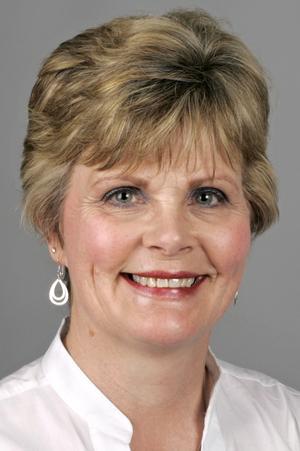
Kathy Guzzo and her husband live in Northern Illinois and have 4 adult children. One of her daughters was diagnosed with lupus and Epstein Barr Replication as a young adult. Another began struggling with depression and OCD in her mid-twenties. She understands the need for her daughters to be able to make their own decisions regarding their health, but the nurturer in her sometimes has a hard time letting go. She desires to direct others to the peace and hope that God has abundantly available for them.

Author Jolene Philo

Archives

Categories

Subscribe for Updates from Jolene

Related Posts

Survivor Guilt and Parents of Kids with Special Needs, Pt. 2

Survivor Guilt and Parents of Kids with Special Needs, Pt. 2

Survivor Guilt and Parents of Kids with Special Needs, Pt. 2

Yesterday, guest blogger Kathy Guzzo defined it and described her experiences with it in Part 1 of Survivor Guilt and Parents of Kids with Special Needs. Today in Part 2, she explains the negative effects of survivor guilt and how she moved from guilt to gratitude.

Survivor Guilt and Parents of Kids with Special Needs, Part 2: How Guilt Affects Us

I’ve been thinking a lot about this topic recently, because I feel guilty that our 28-year-old daughter who suffers from lupus and other complications is doing remarkably well right now, while a friend’s 25-year-old son is preparing to undergo a very unexpected, serious, and complicated brain surgery.  However, through much contemplation and prayer, I’ve realized the error in my thoughts.

How Survivor Guilt Affects Us

First, I’ve learned that when we take on guilt, we’re saying we are responsible and are blaming ourselves for whatever event had occurred. Looking back on the few examples I mentioned above, I wasn’t responsible for the death of our friends’ son or their pain. Also, there is no logical reason for me to blame myself for the illnesses and the actions of other children and the anguish it causes their parents.

Secondly, I’ve learned that feeling guilty about a situation which occurred to someone else changes the focus from being about those directly affected to myself. My thoughts should be on how I can encourage and help those that are suffering, not on how bad I feel because my life is going okay at that moment.

From Guilt to Gratitude

Third and most importantly, I realized that by focusing on how guilty I feel because I may have said to myself, “I’m glad it wasn’t me,” or because at times I feel joy while a friend agonizes, I’m taking away the awe and wonder of the blessings God bestows on me every day.

Instead of feeling guilt, I need to shout inwardly “Thank you God, for my undeserved blessings!” I should be using the incident to wake me up to all that God has given me. Each day my child is healthy or having a good day, each time I speak with them, or spend time with them, or they make a good decision, I need to be thankful.

Of course, I’m not going to rub my blessings in my friends’ faces, but I can use my sense of hope, and love to encourage them, to share in their pain. Because remorse means to experience sorrow or regret.  I shouldn’t be remorseful that the tragedy didn’t occur to me, which results in ‘survivor’s guilt.’ However, I should feel sorrow and regret that it happened to anyone.

So what I should experience emotionally when something sad happens to others is what I will call ‘friend’s remorse,’ because to care, I must be their friend and I truly am sorrowful when anything that hurts a friend occurs.  By practicing ‘friend’s remorse’ I will be able to acknowledge my blessings while empathizing, supporting and encouraging those around me.

How Do You Handle Survivor Guilt?

Kathy found gratitude to be an effective antidote against the negative effects of survivor’s guilt. How about you? How do you combat those nasty whispers in your head? What are your current struggles? How do you want to change? Leave a comment if you wish.

Survivor Guilt and Parents of Kids with Special Needs, Part 1

Do you like what you see at DifferentDream.com? You can receive more great content by subscribing to the quarterly Different Dream newsletter and signing up for the daily RSS feed delivered to your email inbox. You can sign up for the first in the pop-up box and the second at the bottom of this page.

By

Kathy Guzzo and her husband live in Northern Illinois and have 4 adult children. One of her daughters was diagnosed with lupus and Epstein Barr Replication as a young adult. Another began struggling with depression and OCD in her mid-twenties. She understands the need for her daughters to be able to make their own decisions regarding their health, but the nurturer in her sometimes has a hard time letting go. She desires to direct others to the peace and hope that God has abundantly available for them.

Author Jolene Philo

Archives

Categories

Subscribe for Updates from Jolene

Related Posts

Survivor Guilt and Parents of Kids with Special Needs, Pt. 1

Survivor Guilt and Parents of Kids with Special Needs, Pt. 1

Survivor Guilt and Parents of Kids with Special Needs, Pt. 1

Survivor guilt.

I first experienced it when we walked out of NICU with our baby son. He’d made a textbook perfect recovery, unlike other babies in the unit whose prognosis was grim. Guest blogger Kathy Guzzo also experienced survivor guilt while parenting children with special needs. Today, in Part 1 of her series, she defines survivor guilt and describes her experiences with it.

Survivor Guilt and Parents of Kids with Special Needs, Part 1

During my son’s enlistment in the United States Marine Corp, his unit suffered many casualties. In my desire to learn how to help him through the vast array of emotions I knew he must be experiencing I read several articles and throughout many of them was the term “survivor guilt.” This was a term I’d never heard before and it intrigued me. It’s defined as “guilt or remorse felt after the death of a loved one.” However, after more study and thought, I realized that “survivor’s guilt or remorse” could occur in a different capacity in other circumstances besides death, and that it wasn’t specific to the military. I also realized that I personally had felt it without knowing what it was.

Survivor Guilt vs. Friend Remorse

The first time as a mom I remember having guilt over a situation that I had no control over was a few weeks before our son’s birth. A friend’s two-year-old son passed away within 24 hours of contracting a virus. The pain I felt for them was deep. I had questions, like all their friends did, but when our son was born, I didn’t know how to act around them. After all, our son was perfectly healthy, and we were so excited, but their son had died. How could I be so happy when they were suffering so much? At times, I even felt it was wrong to share my joy with others. For months, I avoided them at church and other functions.

Experiencing Survivor Guilt

The second time I remember experiencing the remorse survivor guilt entails was less than two years later, when the same beautiful son I mentioned above was critically ill, and the doctors at a highly acclaimed university hospital were baffled. At one point because of an adverse reaction to anesthesia, they prepared us for the worst, yet our prayers were answered and he survived. However, another child passed away while we were there that visit, and again my emotions fluctuated from feeling relief and blessed, to hurting for the other family. I knew how easily it could’ve been Brian, and I felt guilty for my joy and wondered to myself, “Why them and not us?”

There were other incidences during our trips to the University Hospital when I had similar thoughts without a death being involved. Like when our son was doing better and other parents would ask about him while their child continued to suffer. It was hard to share how well Brian was doing. I’d tell myself that I didn’t want to make them feel bad.

As our children grew, we dealt with other serious health issues, both acute and chronic, but otherwise we had great kids. However, that wasn’t the case for a few of our friends. When some of their children rebelled, the hurt and questions were so evident in their hearts, that I had a hard time telling them about my kids’ accomplishments in college, sports, volunteering, at their jobs, etc. Again, I felt bad that my kids were doing so well.

When Have You Experienced Survivor Guilt?

Survivor’s guilt hits most parents of kids with special needs at one time or another. Have you experienced it? What caused it? How did you respond? How would you counsel other parents to respond? Leave a comment and come back tomorrow for Part 2 of Kathy Guzzo’s series about survivor guilt. In it, she describes its negative effects and how to escape its insidious whispers. See you then!

Survivor Guilt and Parents of Kids with Special Needs, Part 2

Do you like what you see at DifferentDream.com? You can receive more great content by subscribing to the quarterly Different Dream newsletter and signing up for the daily RSS feed delivered to your email inbox. You can sign up for the first in the pop-up box and the second at the bottom of this page.

By

Kathy Guzzo and her husband live in Northern Illinois and have 4 adult children. One of her daughters was diagnosed with lupus and Epstein Barr Replication as a young adult. Another began struggling with depression and OCD in her mid-twenties. She understands the need for her daughters to be able to make their own decisions regarding their health, but the nurturer in her sometimes has a hard time letting go. She desires to direct others to the peace and hope that God has abundantly available for them.

Author Jolene Philo

Archives

Categories

Subscribe for Updates from Jolene

Related Posts

10 Special Needs of Special Needs Moms

10 Special Needs of Special Needs Moms

10 Special Needs of Special Needs Moms

Okay, moms of kids with special needs, do you sense a disconnect between what you need from your friends and what your friends think you need? Then you are going to love guest blogger Gillian Marchenko’s post today. You may think she’s been spying on your house after you read her list, so read on.

As a mother to two little girls who have Down syndrome, I need moms of typically developing kids to know something.

I have needs. And yes, they may be a bit special because I have children with special needs.

The best support a mother receives is from other moms. So moms, how do you act around your friend who has a child with special needs, or around the woman at school you see at pick-up, or the lady standing behind you in line at the grocery store?

10 Special Needs of Special Needs Moms:

  1. We need you to bring it up. Ask us our stories. It’s OK to ask questions. Most parents of children with disabilities would prefer that others ask them about their child directly, rather than avoiding the topic. A smile or friendly “Hello!” is an easy icebreaker.
  2. We need our kids to have friends. We want you to invite our kids over for play dates. If your child wants to have a play date with my kid or invite him or her to a birthday party, encourage it. Call the other parent and simply say, “How can we make this work?”
  3. We need you to share your concerns. If you are concerned about something regarding my child, by all means, tell me about it. I may not have an answer for you, but I sure will appreciate a conversation about my kid. But we don’t always need your advice. Feel free to talk to us about a new therapy or diet you’ve heard about. Just be aware that we’ve probably already heard of it/tried it.
  4. We need you to make an effort. Effort goes a long way. Educate yourself about my child’s disability. For instance, learning simple signs so that you can better communicate with a child who is deaf (and uses sign language) would be appreciated.
  5. We need you to prepare your kids to hang out with our kids. If you know you will be spending time with my child who has a disability, talk to your child about it beforehand. Talk about behaviors, and ways your child can play with my child. Need ideas? Ask!
  6. We need you to be considerate. Consider the age of the child with special needs. If it is a new baby or a younger kid, I may not be ready to talk about this parenting path I have found myself on. But that doesn’t mean I won’t ever want to talk about it. Follow my lead. I’ll let you know.
  7. We need your tangible help. Offer to bring over a meal or help at a doctor’s visit. I’d love it if you hung out with my kids with special needs one afternoon so that I could take my other kids to a matinee.
  8. We need you to treat us like other friends, too. Talk about other things with me besides my child with special needs. Believe it or not, I may just want to gossip about Angelina and Brad and their globe-trotting kids.
  9. We need validation. Don’t dismiss my concerns by saying “oh, my typical child does that”, or my favorite “well, then my kid must have a disability too, because he/she does XYZ also”. When I open up about a struggle, I want validation, not to be blown off.
  10. We need invitations. Don’t assume I’m too busy. Ask me out to eat or to a movie. I may not be able to get away as easily as other friends who don’t have kids with special needs, but I’ll go if I can, and if I can’t, your invitation will make my day.

Okay moms, what do you think? Anything new here? Do you agree/disagree? And special needs moms, what did I forget?

What Do You Think?

Gillian and I want to know what you think, so leave a comment. And if you liked Gillian’s post, cruise on over to her website, www.gillianmarchenko.com to read more about her life as the parent of kids with special needs.

Do you like what you see at DifferentDream.com? You can receive more great content by subscribing to the quarterly Different Dream newsletter and signing up for the daily RSS feed delivered to your email inbox. You can sign up for the first in the pop-up box and the second at the bottom of this page.


By

Gillian Marchenko is an author, speaker, wife, mother of four daughters and advocate for individuals with special needs. Still Life, A Memoir of Living Fully with Depression was published with InterVarsity Press in 2016. Her first book, Sun Shine Down (T. S. Poetry Press), chronicles her experience having a baby with Down syndrome while serving as a missionary in Ukraine. Gillian writes and speaks about parenting kids with Down syndrome, faith, depression, imperfection and adoption. She and her husband Sergei spent four years as church planters with the Evangelical Free Church of America in Kiev, Ukraine, and they now live with their four daughters in St. Louis, Missouri.

Author Jolene Philo

Archives

Categories

Subscribe for Updates from Jolene

Related Posts

What I Would Tell You Anniversary

What I Would Tell You Anniversary

What I Would Tell You Anniversary

One year ago today, Julie Keon first published What I Would Tell You. Her moving essay is directed to a mom she saw in the waiting room at the doctor’s office. The mom of an infant with special needs. A mom in the same position Julie had been in 7 1/2 years earlier. A mom who needed Julie’s encouraging and reassuring words. Her essay touched a chord with many special needs families. The post went viral, and numerous blogs, including this one, passed the story along.

Julie Wants to Tell New Special Needs Families

More than anything, Julie still wants to share her message of hope with parents of newborn children with special needs who haven’t yet read the essay. Parents who are reeling and in need of hope and encouragement. She’s asking special needs bloggers to once again publish her essay or pass along the link to her website. So, here’s the link, www.whatiwouldtellyou.com, and here’s the original, complete essay.

What I Would Tell You

by Julie Keon

I sensed someone watching me as I comforted my daughter after a particularly traumatizing dentist appointment at the Children’s Hospital. I looked up and saw you staring at us from across the waiting lounge. I didn’t pay much attention, as I have grown accustomed to the curious eyes of onlookers. Our daughter was born 7 ½ years ago and after an abrupt lack of oxygen at birth, she changed the course of our lives forever. Perhaps, our lives unfolded exactly as they were meant to—they just didn’t unfold in the way we had imagined or planned.

I talked to my daughter, kissed her, and hugged her. I was giving her a brief break before putting her through the next traumatic experience of the day—the car ride home. Having cerebral palsy is the least of her worries, but this condition can turn a car seat into a torture chamber.

I stood up to gather our things, my daughter in my arms, and it was then that I noticed you were holding an infant. It was difficult to know for certain how old she was. I knew immediately, though, that you were one of us. I knew that only recently your life had changed drastically and you sat here in this Children’s Hospital wondering, “How did we get here?” I should have recognized that shocked stare because I once had it, too. And I assume that the man sitting next to you, looking equally tired and shocked, was your husband.

I made my way toward the doors and as I passed you, our eyes met and I smiled at you. You smiled back and for a moment I knew that you knew that I understood.

If I could, I would tell you although you might not believe it right now, you will be okay. I would tell you to dig deep within yourself because you will find the strength and resilience somehow, and it will surprise you. I would tell you to honour your feelings and let the tears flow when they need to. You will need the energy for more important things than holding in emotions.

I would tell you that the man sitting next to you might cope differently and he might even want to run the other way. But I would tell you to hang on because he is scared and he really doesn’t want to leave you. I would tell you to look after yourself so that you can care for your daughter. Don’t underestimate the power of good nutrition, exercise, sleep, supplements, and an empathetic therapist.

I would tell you that grief will come, and it will confuse you because how can something that brings such joy also bring such sadness? I would tell you to let people into your lives to help you. Our children really do require a village to raise them. Access all of the services and resources available. Find someone who can learn how to care for your child so that you can have breaks and so you and your partner can go on dates… even little ones like a twenty-minute stroll outside holding hands, sharing wine on the deck, or even catching a movie.

I would tell you that you know your child best of all and no matter what you are told by the doctors and other professionals who will be a part of your life, YOU know the answers. You will teach them about your child. At times you will question the validity of your intuition but after a while you will become profoundly aware of how accurate your gut feelings are when it comes to your child.

I would tell you not to be a martyr. Caring for your child will require tremendous focus and unimaginable energy, and it can burn you out and make you sick when you least expect it. I would tell you to let your guard down along the way so that you can stay healthy in your mind and spirit.

I would tell you to seek out other mothers like yourself. This is, indeed, the road less travelled and you will feel very alone along the way especially in the company of healthy children and their parents. Yes, you will feel very isolated but know that we are here. Sometimes you have to look a little harder, but we are here. You can find us online, in support groups, and wandering the halls of the Children’s Hospital.

I would tell you that you will know far too much about the human anatomy, neurology, gastro-enterology, feeding tubes, pharmaceuticals, and so on, than a mother should ever have to know. I would also tell you to do some research to inform yourself but be very careful not to be overwhelmed by the internet and all of the information available to you. Having some trust in what your child’s specialists tell you can be very grounding. Other mothers and fathers of children like ours can be a wealth of information.

I would tell you that this isn’t an easy life. It is tough: there is no doubt about it but you are very capable, and the rewards are great. You may never see your child graduate from university, walk down the aisle, or give birth to your grandchildren, but you will feel pure joy when your child laughs for the first time at the age of 3 years and 8 months. You will celebrate the moment when you connect with your non-verbal child. You will call your spouse at work to tell him that she has gained 4oz. because weight gain is always a struggle with our children.

I would tell you that you will have to witness procedures and surgeries and suffering well beyond what any parent should ever have to bear. But, I would tell you that you will be courageous and comforting because your child will be experiencing far more suffering than any child should ever have to endure.

I would tell you that your life will not resemble the life you had planned. It will be as though you landed in Holland instead of Italy but after some time, you will adjust the dreams you had and this reality will be normal to you. You will dream new dreams.

I would tell you that you might find yourself staring death in the face during close calls. You will be asked to fill out DNR (Do Not Resuscitate) forms and although you might make decisions to not resuscitate in the event of a cardiac arrest, when the moment arises, you will panic to think that it could all come to an end. And I would tell you to not feel guilty in the darkest moments when you pray to God to take your child if it would mean the suffering would end. This might horrify you but know that your love for your child is so great that at times you will believe that death would be a blessing.

I would tell you that others will not get it. They can’t. This is a very unique and complex journey on all levels. We cannot expect anyone to get it. And I would tell you that people—the cashier at the grocery store or your insurance broker or even your hair stylist—will say stupid things like, “God only gives these special kids to special mothers” and “God will only give you what you can handle.” You will nod and smile but eventually you will look them right in the face and tell them that those simple maxims are a bunch of bullshit.

I would tell you that imagining your future will be bittersweet and may involve a Plan A and a Plan B. Plan A will be what you will do if your child outlives the predicted life expectancy set forth by the experts, and Plan B will come into play if they do not. You will catch yourself casually discussing your future with the code phrases of Plan A and Plan B.

I would tell you that grief will creep up on you after years have passed and you least expect it like at a wedding when the father and bride have their first dance or when you hear a birth announcement. It will also creep up on you when you see yourself in a new mother who is just beginning this journey.

I would tell you that you will recognize her because she is you from 7 ½ years ago. And you will want to run to her and hug her and tell her that everything will be okay. You will want to save her from the pain and the hardship and the unknown.

But I would tell you that when you find yourself sitting at the Children’s Hospital and you see a new mom and dad who are just starting this journey, you smile at them and walk by as they have their own path to travel and it will be different than yours. It may be longer or shorter. It may be more or less complicated.

I would tell you that her searching eyes are looking for some sign that she will survive this. And you, smiling as you pass, with your child arching all over your shoulder, will let her know that yes, she will survive this and may even thrive.

Julie Keon
June 29th 2011

What Would You Say?

Beautiful, isn’t it? What resonated with you? What would you add to Julie’s lovely essay? Leave a comment.

Do you like what you see at DifferentDream.com? You can receive more great content by subscribing to the quarterly Different Dream newsletter and signing up for the daily RSS feed delivered to your email inbox. You can sign up for the first in the pop-up box and the second at the bottom of this page.

By

Jolene Philo is the author of several books for the caregiving community. She speaks at parenting and special needs conferences around the country. Sharing Love Abundantly with Special Needs Families: The 5 Love Languages® for Parents Raising Children with Disabilities, which she co-authored with Dr. Gary Chapman, was released in August of 2019 and is available at local bookstores, their bookstore website, and Amazon. See Jane Dig!, the fourth book in the West River cozy mystery series, which features characters affected by disability, was released in October of 2024.

Author Jolene Philo

Archives

Categories

Subscribe for Updates from Jolene

Related Posts

How to Help the Parent of a Child with Special Needs

How to Help the Parent of a Child with Special Needs

This Huffington Post article by Maria Lin explains how to help special needs parents. Not so much things to do as how to be supportive.

Have you ever gone speechless when a friend asks what she can do to help ease your special needs parenting load? Speechless not because you can’t think of a way to help, but because the list is so long you don’t know what to suggest? Speechless because trying to explain how to help would take longer than doing the task by yourself?

How to Help the Parent of a Child with Special Needs

If you’re answer to any of those questions is yes, you’ll appreciate this Huffington Post article by blogger Maria Lin. (If her name sounds familiar, it’s because she was featured in another of her articles featured at DifferentDream.com: 6 Things You Don’t Know About a Special Needs Parent.) Her list isn’t so much a things to do like fixing supper, swapping childcare, picking up kids for school. All those things are good and can be helpful, but Lin’s list contains ways for friends to be supportive.

Here’s her list in a nutshell:

  1. Talk about your kids’ personalities, not their accomplishments.
  2. Insist on helping.
  3. Stop with the maxims.
  4. Extend me some grace.
  5. Stop complaining about your kids.
  6. Ask me how I’m doing.
  7. Coercively pamper me.
  8. See my child.
  9. Support my cause.


To read Lin’s reasons for each item on the list, check out her article about 9 ways you can help a special needs parent at Huffington Post.

What Would You Add to the List?

Maria Linn invited readers to add items to the list and almost 150 of them did! You can do the same either at the Huffington Post or here at DifferentDream.com. Your contributions are always welcome!

Do you like what you see at DifferentDream.com? You can receive more great content by subscribing to the quarterly Different Dream newsletter and signing up for the daily RSS feed delivered to your email inbox. You can sign up for the first in the pop up box and the second at the bottom of this page.

This Huffington Post article by Maria Lin explains how to help special needs parents. Not so much things to do as how to be supportive.