PTSD and Special Needs Parents: 5 Ways to Prepare for Healing

PTSD and Special Needs Parents: 5 Ways to Prepare for Healing

PTSD and Special Needs Parents: 5 Ways to Prepare for Healing

Welcome once again to Different Dream’s ongoing series about PTSD in parents of kids with special needs. (You’ll find links to the rest of the series at the bottom of the page.) Today’s guest post comes from Brandy Brow, mother of 7 children, one of whom has special needs. Her post provides hope for parents who wonder if they can ever heal from the trauma they experienced as special needs parents and suggests ways to prepare for it when it comes.

PTSD and Special Needs Parents: 5 Ways to Prepare for Healing

Before my daughter was born with complex medical problems, I loved being around people and willingly shared my personal experiences. After months of hospital admissions and doctors’ wrongful blame for her condition, I avoided people and shared nothing.

Four years later she was mostly outpatient with a new team in a different hospital and we could finally settle home, but I wasn’t the same. Whenever something required emotional engagement, I’d instinctively turn away inside and shut off. I’d become reticent and wanted to stay that way.

Perhaps this is you or someone you know. If so, please read on, because there is hope.

Why Should I Care Again?

Deep down, you don’t really want to feel nothing. You don’t even want to feel no more pain. What you really want to feel is happy and free again.

Yeah, right, you may be thinking. That’s long gone and not coming back.

I know how you feel. After I tried unsuccessfully to find solutions, I decided there wasn’t one, so the next best thing was to tamp down my emotions to keep pain at bay.

Sound familiar? But be honest—it doesn’t keep down everything.

Pain would periodically flash up through my careful defenses and sear me, and the more I clamped down, the more ruin it brought: I couldn’t work, communicate with people, or feel anymore, and it destroyed opportunities.

I couldn’t fix me and consequently lost hope, but that didn’t matter. Healing found me anyway.

This is why you should care again: Your healing is possible regardless of how you feel.

Relief In Brokenness

I always thought as a Christian that I was responsible to fix everything wrong in myself, but after life went so bad, I simply couldn’t. I was unable to do menial tasks, much less identify problems. That left me feeling like a bad person and a terrible Christian who was doomed to spend the rest of her life stupid and numb.

The truth is, sometimes we’re too broken to fix ourselves and we need someone else to put us back together. (And if any Christian thinks differently, consider, Jesus wouldn’t have died if people could atone for their own sins.)

That’s a vulnerable place to be, and the last thing we want to feel when we’re reticent, but it’s also freeing. It means we don’t have to fix something we’re incapable of fixing.

There Is Hope

Fortunately, we don’t have to search for healing. It comes on its own through unsuspecting people without needing our trust to do its work.
When I was most secluded, several people reached out to me in various ways that addressed inner problems I’d shared with no one. Their cumulative outreach breached my defenses and became liquid love dropping on the tundra of my heart. It brought out capsules of pain I’d been unable to see or handle, and they were shielded with that liquid love, which gave me the strength and support I needed to face, feel, and heal from the pain.

Neither they nor I could not have done that purposely. It was healing doing its work, sent from God above who alone knew my innermost thoughts and needs.
We may not be able to heal ourselves, but we can prepare ourselves to receive healing.

5 Ways Traumatized Special Needs Parents Can Prepare for Healing

  • Acknowledge Your Brokenness: Sometimes we don’t know we’re broken, can’t accept we’re broken, or we know we are but don’t want to admit it. You needn’t sound a trumpet about it, but be honest with yourself. If you aren’t working the way you normally would because of a trauma you sustained, admit it.
  • Release Yourself: PTSD is not your fault, and neither is that you haven’t fixed it. Let yourself be broken without condemning yourself for it. Struggles and needs is a sign of humanity, not sin.
  • Just Be: Quit striving. Be as you are, warts and all. You won’t stay this way forever because you’re alive and living beings change. Don’t despair if you can’t see it. Sometimes we’re like trees; our growth becomes apparent only after a lot of time passes.
  • Small Chunks: You may be able to take in only small pieces of information or do limited activities before you overload and shut off. That’s OK. Do daily what you are able within your means.
  • Rest in the Process: Healing takes time. Rushing it can stymy the process. You will find more peace if you accept and anticipate this, and let healing use all the time it needs to complete its perfect work.

I don’t know when your healing will come or how long it will take to complete, but prepare yourself and you’ll be ready for it. In fact, doing so may very well serve as its invitation.

Special Needs Parents, Do You Believe Healing Is Possible?

Do you truly believe healing is possible? What other questions do you have about self-healing and professional therapies for special needs parents? Leave them in the comment box.

 
Do you like what you see at DifferentDream.com? You can receive more great content by subscribing to the quarterly Different Dream newsletter and signing up for the daily RSS feed delivered to your email inbox. You can sign up for the first in the pop up box and the second at the bottom of this page.

By

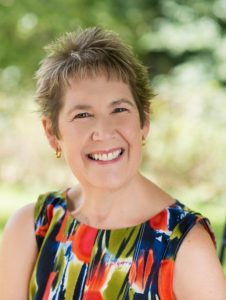
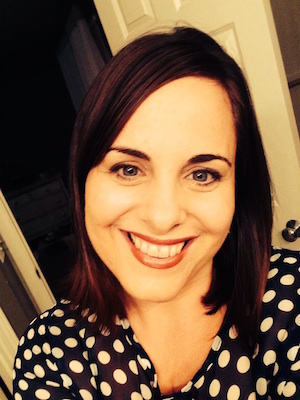
Brandy S. Brow’s seventh child was born with a chromosome disorder so rare it has no name: she’s one of four cases ever diagnosed and possibly the last living. Thanks to her, Brandy is the only family member who can drive from Vermont to Boston, Massachusetts, without GPS.
www.pinterest.com/brandybrow

Author Jolene Philo

Archives

Categories

Subscribe for Updates from Jolene

Related Posts

PTSD in Parents: Moving from Negative to Positive

PTSD in Parents: Moving from Negative to Positive

PTSD in Parents: Moving from Negative to Positive

Welcome to Different Dream’s Friday series about PTSD in parents of kids with special needs. (You’ll find links to the rest of the series at the bottom of the page.) Today’s guest blogger is Kathy Guzzo. Her children are grown and on their own, but three of them dealt with special needs when they were younger. In this post, she explains how she’s turning her negative PTSD experience into a positive.

PTSD in Parents: From Negative to Positive

Thirty years ago just being the mom of four children under the age of six was reason enough to be stressed. Add into that mix, one child with chronic, severe respiratory issues and another who began having seizures and was diagnosed with auditory discrimination issues. Then, years later add another diagnosed with chronic and rare autoimmune diseases. Stress and trauma became the norm. Those tumultuous years have passed, and my children are doing extremely well as adults. I know I have so much to be thankful for, yet at times I wonder if the emotional affects of those years are over. I realized recently, when my grandson became ill, how quickly I can relive and feel the emotions I felt during each hospital stay, blood test, MRI, doctor’s visit, and long sleepless night. That emotional turmoil is still part of who I am, so could I have PTSD caused by illnesses my children suffered? Post traumatic stress disorder, a scary term most popular in the military world, is misused many times. But it’s very real. In fact, as I look back on how my children’s illnesses affected me emotionally, I see my own form of P-T-S-D, which attribute to the emotional feelings and flashbacks I have at times.

PTSD in Parents: Parental Pride

I was the parent. So whether the thought was conscious or unconscious, I felt that since God had blessed me with these children, I should be able to handle whatever happened in their lives. I allowed parental pride to mask emotions that would’ve been better handled as they developed.

PTSD in Parents: Tired

I wasn’t just tired, I was exhausted. Physically, emotionally and even spiritually, but I didn’t see it. I ran from appointment to appointment, cared for all the children, and got very little sleep for weeks at a time. My husband did what he could, but we were a one income family and he had to work. So I did what I figured all moms did. I kept on keeping on, allowing my pride to push down the true exhaustion.

PTSD in Parents: Sad

I felt sad. Some days more than others. Sad when I saw my children hurting and unhappy. Sad that many days I couldn’t really help them. Sad that caring for a sick child was taking time away from the others. And sad that so many times I felt alone,

PTSD in Parents: Devastated

I was devastated because day after day, week after week my children suffered. Devastated that life was so unfair, devastated that I felt God wasn’t listening. And devastated that the dreams I had for my children may never happen.

PTSD in Parents: From Negative to Positive

During those years, when friends or family asked how I was, my response was always I’m fine. Because not being fine would have indicated I wasn’t a good mom. Would have required a long explanation that I was too tired to give, resulting in an outburst of tears. And would have been a sign that I lacked faith in what God could do. I see now how the Parental pride, Tiredness, Sadness and Devastation I felt as our children experienced the emotional and physical pain of their illnesses, was traumatizing for me, yet I know with Prayer, Thanksgiving, Support and Determination I can create a positive P T S D.

How Do You Turn PTSD from Negative to Positive?

What strategies keep you from being dragged down by the negatives of PTSD? How do you stay positive instead? Leave a comment.   Do you like what you see at DifferentDream.com? You can receive more great content by subscribing to the quarterly Different Dream newsletter and signing up for the daily RSS feed delivered to your email inbox. You can sign up for the first in the pop up box and the second at the bottom of this page.

By

Kathy Guzzo and her husband live in Northern Illinois and have 4 adult children. One of her daughters was diagnosed with lupus and Epstein Barr Replication as a young adult. Another began struggling with depression and OCD in her mid-twenties. She understands the need for her daughters to be able to make their own decisions regarding their health, but the nurturer in her sometimes has a hard time letting go. She desires to direct others to the peace and hope that God has abundantly available for them.

Author Jolene Philo

Archives

Categories

Subscribe for Updates from Jolene

Related Posts

8 Truths about PTSD in Parents of Kids with Special Needs

8 Truths about PTSD in Parents of Kids with Special Needs

8 Truths about PTSD in Parents of Kids with Special Needs

Welcome to Different Dream’s ongoing series about PTSD in parents of kids with special needs. (You’ll find links to the rest of the series at the bottom of the page.) Today’s guest post comes from Barb Dittrich, parent of a child with hemophilia and founder of Snappin’ Ministries. She’s here to share 8 truths she’s learned about PTSD as the parent of a child with special needs. See if any of them ring true for you.

8 Truths about PTSD in Parents of Kids with Special Needs

Most of us have heard the expression “Physician, heal thyself.” While there is no similar phrase for parents, perhaps we should be embracing the wisdom of “Caregiver, care also for thyself.” I often speak of having my focus so much in caring for my children that I don’t lift my head enough to acknowledge my own needs. In fewer ways is this true than in dealing with my parental PTSD. Because of the subsequent traumas that ensued, the initial shock of having my son diagnosed with severe hemophilia the day after he was born never seems to fade. Each year at his birthday, I can feel the tingle of my face as if it were yesterday that the nurse erroneously exposed the results of our son’s cord blood test. April 12, 2000 will live in vivid technicolor in my mind forever. I can hear our pediatrician’s voice confirming our worst fears, see the melting ice wrapped around his little heel as he continued oozing from the prick of a bilirubin test, and feel myself sit in the rocking chair of the ICU with him as he received his first infusion of clotting factor. Fast forward over the years to his first hospitalization for a serious bleeding episode, and I can still smell that unmistakable, horrific, pungent odor of someone who is bleeding internally. I can see myself in a panic in my kitchen, crying on the phone to the doctor, who wouldn’t admit him overnight for something so frighteningly dangerous. I can see him sandwiched between the machines as I held his hand, trying to keep him still by introducing him to Sponge Bob for the first time on video, over an hour ticking by to get the images for his diverticulogram, praying that they might find the life-threatening source of the bleeding. Yet, the emotional horror that can never be extracted from my heart was his screaming in pain as I held him in restraint for his twelfth intravenous needle jab in less than 24 hours, “Dad! Help me! Make them stop! Oh, my God! Why aren’t you helping me? You’re my dad! You’re supposed to be helping me!” I can still feel the hot tears helplessly draining down my face as I did what needed to be done. My heart! How can I ever be expected to be the same again? Hemophilia is the type of chronic illness that can make life feel like you are continually walking through a mine field. You never know when a bleed might occur. The things you might think would be a problem, like having a tooth pulled, end without incident. Another day, your child suddenly gets into the car after school feeling pain in their upper thigh and is hospitalized that evening with a life-threatening hip bleed. Having walked through all of these things, here are some truths I can share with you about realizing that not only my son, but I too live with medically triggered PTSD:
  1. Your child’s trauma is separate from your trauma. While your child definitely deals with life-changing crises, your trauma is separate and distinct from your child’s. For example, while my child’s trauma is feeling the attack and powerlessness of being restrained to be jabbed with a needle, my trauma is restraining him, hearing him scream out in pain, and being unable to stop it. My trauma is seeing the pools of frank blood on our kitchen floor, covering multiple surfaces in our bathroom, or saturating bed linens and clothes.
  2. Prayer and Scripture are critical, but don’t forget that God moves through mental health professionals too. From little on, I taught my son to do deep breathing and memorize verses like, “Be anxious for nothing,” (Philippians 4:6) or “I can do all things through Christ who strengthens me.” (Philippians 4:13) We would pray these through before we infused as a way to calm down. That is a good thing. However, as the number of crises increased, it became apparent we needed more help. Sadly, the Church (including us, its members) can forget that in addition to working through prayer and the Word, God also works through people. This includes medical and therapeutic professionals. I have been blessed to have worked with a number of competent, helpful psychotherapists, psychologists, and psychiatrists over the years.
  3. Your trauma will be triggered by things you expect and things you don’t expect. You will probably not be surprised to hear that writing this narrative for you opened my grief afresh. However, you may find yourself startled as I did that first time I discovered merely seeing the school’s phone number on Caller ID caused my heart to race with noticeable intensity. I had always downplayed the seriousness of what I faced, thinking that I needed to toughen up. Yet, something as simple as a phone call or a smell, or a sound, can propel a parent like me into the heart of that trauma once again in fractions of a second.
  4. Others may see it before you do. Because our children need us to be strong and activated, we often don’t see what these traumatic experiences have done to us. I first came to realize that I was facing PTSD every bit as much as my son, when a friend of mine who is a psychotherapist mentioned it. I had just shared with her and the rest of our Moms In Touch group my concerns regarding my son’s trauma at our weekly gathering. After listening to my prayer requests she said, “My goodness! You probably have PTSD too after everything you’ve been through!” Her shared epiphany validated the subtle signs fighting for recognition in my own life.
  5. It is not unusual to be re-traumatized. When we have a child who faces a lifetime diagnosis, traumatic experiences can and do reoccur. Each new treatment or hospitalization can constitute another emotionally jarring experience. Because this can be a distinct possibility with a chronic diagnosis, it is critical to have a preferred professional to whom you can turn at a moment’s notice. Even if you are feeling well and strong, a sudden episode with your child can make psychological help necessary in short order.
  6. This is not a quick fix. Be patient and kind with yourself. Trauma leaves deep, life-changing wounds. It is worth the time spent in therapy to heal your emotions and mental health. There may be times where you feel worse before you feel better, because you are exposing wounds that have been covered and buried deep out of a need to cope in the short-term. Don’t give up in the sorrow of healing. Just as a plant needs to be watered before it can grow, our tears need to be released to move forward in hope.
  7. There are a variety of options for treatment. Our son initially saw a child trauma specialist. She first used EMDR (Eye Movement Desensitization and Reprocessing) with him. Guided imagery was also used with this therapist. I engaged in hypnosis, progressive relaxation and other psychotherapy with this same professional. Ultimately, our son moved on to receive CBT (Cognitive Behavior Therapy) through a psychologist at our children’s hospital. Do your homework on these methodologies to see which you might be most comfortable with.
  8. There is life after trauma. While the real life terror of living through some of these experiences with our children can make us feel shaken and spun around at times, life can still be good. If you are willing to bravely address this tough issue in yourself and/or your child, the future can be bright. You need not live life in a perpetual state of tension, waiting for the other shoe to drop. You can begin to develop a joy for life and a positive outlook after addressing symptoms. I have been told in the past that PTSD never completely goes away. Not being an expert, I can’t confirm that is true. However, I can tell you that things can vastly improve so that trauma no longer holds you and your family hostage.
“Caregiver, care also for thyself.” It isn’t always easy. We must be very intentional about it. Still, if we acknowledge our need as parents and address this vulnerability with commitment, we will find ourselves renewed and refortified the way God intends.

What Truths Have You Learned about PTSD in Parents of Kids with Special Needs?

Have you collected some truths about PTSD in parents while raising your child? Please share them in the comment box. PTSD in Parents of Kids with Special Needs     Do you like what you see at DifferentDream.com? You can receive more great content by subscribing to the quarterly Different Dream newsletter and signing up for the daily RSS feed delivered to your email inbox. You can sign up for the first in the pop up box and the second at the bottom of this page.

By

The mother of three children, all of whom have a variety of chronic illnesses or special needs, Barbara Dittrich founded Snappin’ Ministries (Special Needs Parents Network) in 2002 and currently serves as its Executive Director.  The organization she leads was one of three finalists for World Magazine’s Hope Award for Effective Compassion in October of 2009, in conjunction with the American Bible Society.  With a unique vision for serving parents of children with chronic illness, disability, or special needs, she has led the SNAPPIN’ MINISTRIES team in developing an innovative parent mentor curriculum.  She lives with her husband of 20+ years in Wisconsin, writes, and speaks nationwide.

Author Jolene Philo

Archives

Categories

Subscribe for Updates from Jolene

Related Posts

PTSD in Parents: 6 Ways to Deal with Adrenal Fatigue

PTSD in Parents: 6 Ways to Deal with Adrenal Fatigue

PTSD in Parents: 6 Ways to Deal with Adrenal Fatigue

Welcome to the third post in Different Dream series about PTSD in parents of kids with special needs. Today, guest blogger and mom Rachel Olstad is here to tell her story of coming to terms with her PTSD that developed after the birth of 2 of her children.

PTSD in Parents: 6 Ways to Deal with Adrenal Fatigue

I was 25 years old when my first child was conceived.
Trips to the teaching hospital, prenatal ultrasounds galore, packs of white coats.
Bad news.
Gloomy news.
Dire news. Not viable. Terminate. Abort.
Smart thing to do.
If he lives, it will be in a vegetative state.
We got to squeeze his little hand before they rushed a very blue baby off to a 12-hour surgery.

3 weeks and 3 surgeries later, we took home a medically fragile baby boy.
In the hospital more than home his first several years.
Around 30 some surgeries.
Oxygen. Heart monitor. IVs. 911 on speed dial.
First name basis with first responders.
Turning blue.
Vomiting. Aspirations. Pneumonia.
Ambulances and a medic flight.
6 hours of sleep a day in 15-minute snippets.
He’s coding.

Adrenaline rush, adrenaline rush, adrenaline rush.

I was young. I was strong. I was a Christian. I handled it all with aplomb. After years of living in crises, our son stabilized–mostly–and we learned to navigate our new normal of being parents of a child with disabilities. We had another son, then a daughter.

Baby Girl is in NICU.

Hibiclens. Nail scrubs. Gowning up. Pumping breast milk.
The smells.
The sounds.
What was happening to me?
My mental state was so concerning to the nurses that they asked if I wanted psychiatric help.

Fast forward a few years. Our son’s kidney shuts down. He goes septic and almost dies. Twice. What’s happening to me? I can’t even walk into the hospital anymore without throwing up. I can’t quit crying. I’m obsessing over healthcare routines. Irrational thoughts won’t stop going through my head, and my gastrointestinal system responds in immediate ways.

Insomnia. Anxiety.

I cry out to God for help constantly.
I dig into my Bible.
Why won’t God send relief?

Mornings I can function well enough to tend to my kids’ needs. I set dinner ingredients on the counter, knowing I won’t be able to think clearly enough by evening to put a meal together. My sainted husband regularly covers for me. I sit on the couch solving endless crosswords to keep my mind occupied on something else than those horrendous, irrational thoughts.

I know I need help.

I visit a practitioner specializing in stress and hormones.
With advice stemming from a naturopathic philosophy, I make progress back to the land of the living.
Am I cured?
No.

My daughter has a case of unrepairable supraventricular tachycardia that has resulted in ambulance trips and unsuccessful ablations. My oldest son still is disabled. I live on the edge with an undercurrent of constant anxiety.

Adrenaline rushes occur every time someone sneezes.

But I’m much better – sometimes thriving, sometimes struggling. How do I keep going day after day? Here are my top tips for moms dealing with PTSD or adrenal fatigue:

  1. Psalms for the Anxious: In the middle of one anxious night, I googled and found this list. I have one Bible that’s yellow-highlighted for those anxiety-filled moments, believing in God’s sovereignty and that ultimately, I am not responsible for how many days my kids will spend on earth.
  2. Quit the Caffeine Fix: My pot of coffee each day was too much. I’ve learned to be kinder to my body, cleaning up my diet, coffee being my particular poison. An occasional massage works wonders instead.
  3. Seek Professional Help: For me, it was seeking naturopathic and nutritional guidance. For others, it may be necessary to see a psychiatrist. If you have thoughts about harming yourself or your children, tell someone right now. Get immediate help.
  4. Find a Support Group: I belong to a special needs moms group. They get me. When I’m particularly struggling, I shoot a message, knowing they will lift me up to our heavenly Father. The peace I feel afterwards is amazing.
  5. Share the Responsibility: During emergencies my hubby does the ambulance rides if he’s available. I still love and care about my kids; I’m just relinquishing control-freak tendencies and accepting help for my own well-being.
  6. Turn Away from Negativity: If a TV show triggers anxiety, turn it off. Don’t finish that book if it’s making your stomach knot. Instead, watch Tim Hawkins on YouTube or tell your kids a joke. Force yourself to leave them and go see a play. I am always surprised at how much I enjoy myself once I’m removed from the immediacy of my situation.

While I hate the way PTSD makes me feel, believe it or not, I am grateful for it. Once a pull-yourself-up-by-the-bootstraps kind of girl, I now know what it is to fully rely on God in my weakness, and I can now comfort those who journey behind me.

Though you have made me see troubles, many and bitter, you will restore my life again; from the depths of the earth you will again bring me up. Psalm 71:20 (NIV)

What About You?

Do you see elements of your story in Rachel’s? Do you wonder if you, too, could have PTSD? Leave your thoughts or questions in the comment box.


Do you like what you see at DifferentDream.com? You can receive more great content by subscribing to the quarterly Different Dream newsletter and signing up for the daily RSS feed delivered to your email inbox. You can sign up for the first in the pop up box and the second at the bottom of this page.

By

Rachel Olstad began her journey into the world of disabilities in 1990 when her oldest child was born with spina bifida and subsequently diagnosed with autism. She volunteers with Joni and Friends Southern Oregon, helping to meet the physical, emotional and spiritual needs of individuals and families affected by disability and encouraging churches to include all people. She was a contributing writer for both Special Needs Smart Pages and Nursery Smart Pages (Gospel Light), has been published in the Journal for Religion, Disabilities & Health, and was an assistant editor on Beyond Suffering: A Christian View on Disability Ministry. (Christian Institute on Disability)

Author Jolene Philo

Archives

Categories

Subscribe for Updates from Jolene

Related Posts

Special Needs Parents and PTSD: What About You, Mom?

Special Needs Parents and PTSD: What About You, Mom?

Special Needs Parents and PTSD: What About You, Mom?

PTSD and parents. I don’t want those two words to go together in the same sentence. Ever. But the truth is that PTSD and parents (especially the special needs variety)  spend way too time in one another’s company. That’s why Different Dream launched its series about special needs parents and PTSD last week with a review of what its recent parent survey shows. Today’s post comes from Jolene Philo, who recently came to grips with the trauma surrounding the birth of her first child in 1982.

What About You, Mom?

A few hours after our first child’s birth in 1982, he was life-flighted to a hospital 750 miles away for life-saving emergency surgery. For the next 4 years, my mother hen instincts were absorbed in caring for my little chick. Life felt like a revolving door as my husband and I watched him go in and out of the doctor’s office, in and out of the hospital, in and out of surgery way. That revolving door left very little time for self-examination or working through the trauma I had experienced after his birth.

So I shut the door to my emotions and kept them safely under lock and key for years–even decades–after our son’s health stabilized. Those emotions remained stuffed away until 2008 when our son, then 26, was treated for PTSD caused by all the early, invasive medical trauma he had experienced.

I was sitting in the trauma clinic’s waiting room minding my own business when one of the therapists stopped by to visit about our son’s progress. After confirming that our boy was progressing well, the therapist looked me in the eye and asked, “What about you, Mom?”

I had no idea why he was asking the question. “I’m fine,” I replied, puzzled.

He raised a quizzical eyebrow. “Is that so?”

For several years I ignored his question whenever it niggled in my brain. But then last fall, something happened to someone I love dearly, and that event unlocked the door to my emotions. Long hidden emotions came tumbling out. Once again I felt as alone and weak and helpless as the day the doctor took my newborn baby away. I felt stuck in the past, unable to move beyond the constant sense of worry and loss surrounding me.

I described my feelings to my sister, a mental health counselor. “You went through a lot when your baby was born,” she confirmed. “And you never processed your emotions. I think some Eye Movement Desensitizing and Reprocessing (EMDR) therapy might help you.” She did some online research and sent contact information for several therapists in our area and advice about dealing with our insurance. A few weeks later, I scheduled my first of several weekly appointments with a compassionate and skilled therapist. A few months later, she said we were done.

By then we’d become friends. I was sad to say good-bye to her, but I knew she was right. I no longer felt stuck. I could think about the early days and years of our son’s life and maintain an emotional distance that kept me from getting sucked back into them. Leaving her office for the last time, I resolved to share my experience with other parents of kids with special needs so they can find help and process their emotions soon after soon after they are traumatized.

If you think special needs parents and PTSD are living side by side in your life, I urge you to seek treatment. Follow these steps to find a therapist:

  • Ask your insurance company for a list of mental health therapists in their network.
  • Identify therapists on the list who have specialized trauma training.
  • Check them out on the internet.
  • Call their offices and ask them about their trauma training and therapy techniques.
  • Make an appointment with a therapist that best matches your needs.
  • Go to a few appointments. If you see red flags or don’t feel comfortable find a different therapist. But if you see progress, keep going until you’ve worked through your emotions.
So What About You, Mom? That’s my story, and that’s my advice. But before signing off, let me ask you a few simple questions: What about you, Mom? What about you, Dad? What about you? What about you?
Part 6: PTSD and Special Needs Parents: 5 Ways to Prepare for Healing Part 7: PTSD in Parents of Kids with Special Needs: Visualization as a Coping Tool Part 8: Newborns Feel Pain: The Headline that Almost Triggered My PTSD
 
Do you like what you see at DifferentDream.com? You can receive more great content by subscribing to the quarterly Different Dream newsletter and signing up for the daily RSS feed delivered to your email inbox. You can sign up for the first in the pop up box and the second at the bottom of this page.

By

Jolene Philo is the author of the Different Dream series for parents of kids with special needs. She speaks at parenting and special needs conferences around the country. She’s also the creator and host of the Different Dream website. Sharing Love Abundantly With Special Needs Families: The 5 Love Languages® for Parents Raising Children with Disabilities, which she co-authored with Dr. Gary Chapman, was released in August of 2019 and is available at local bookstores, their bookstore website, and at Amazon.

Author Jolene Philo

Archives

Categories

Subscribe for Updates from Jolene

Related Posts

Special Needs Parents and PTSD Survey Results

Special Needs Parents and PTSD Survey Results

Special Needs Parents and PTSD Survey Results

About a month ago, Different Dream first posted a survey about special needs parents and PTSD. Since then, and despite all sorts of tech issues that made this site hard to find, 49 people completed the survey. They took the time to tell their stories–many of them heartbreaking–because they want to raise awareness about the issue.

This post is the first in a series, based on the survey results, about special needs parents and PTSD. In future posts, you’ll hear from some of the people who participated in the survey–with their permission, of course. But for today, the series examines the results of the study.

Question #1

Do you think you have PTSD that was caused by your child’s special needs? All 49 participants answered this question. 90% said yes. 10% said no.

Question #2

Have you been diagnosed by a mental health professional or doctor with PTSD? Again, all participants answered this question. 30% answered yes, they have been diagnosed with PTSD by a mental health care professional. 70% said no.

Question #3

Have you received professional treatment for PTSD? Of the 47 people who answered this question, 30% said they have received professional treatment for PTSD, but 70% said they have not.

Question #4

Did professional treatment help you cope with your traumatic memories? 36 people answered this question, even though only 14 said they have received professional treatment. 30% (16 people) said treatment helped them cope. 70% (20 people) said it did not. Hopefully, we can presume those who actually received treatment were the ones who responded positively.

Question #5

When did your initial traumatic experience occur?

Here are the comments parents left in the box:

  • Post adoption
  • During hospitalization
  • Right after she was born with her first diagnosis of cancer at 6 weeks of age.
  • At birth
  • Birth
  • At birth with first TEF baby and in NICU with second TEF baby
  • Yes during birth
  • Before birth
  • After birth
  • Began when we adopted her from Russia.
  • Premature birth, NICU
  • After diagnosis of stroke when she was 8 months of age
  • About a year after my first son was born. The first year is all about survival. When the dust starts to settle everything hit me like a brick. I managed to find a balance again. We found out we were pregnant with our second little boy. 24 weeks into pregnancy I found out he two would have the same disorder as his brother. Moments later the brick hit me again. It’s been over a year since the diagnoses and he is 8.5 months old. I’m still struggling.
  • At birth and in the NICU for 6 weeks. (preemie, born 10 weeks early)
  • I am raising my grandson, who is my son’s son, but due to circumstances at that time, he was not around. I was stunned that the mother wanted to give him up, so that was my first moment of panic. Then slowly realizing something was “not right” and thinking perhaps it was a connection/bond he was missing with his mother, I finally took him to the doctor where I left completely stunned by the diagnosis. Our lives took a sudden huge turn. I have learned a lot about PTSD. I know I probably need to take time and deal with my own, but I’m so involved in the caregiving process on so many levels.
  • Before birth
  • At birth, his first year spent mostly in hospital, his about 30 surgeries, for about the 4 years he stopped breathing about 6 times a day, the 2 times he almost died of kidney failure. Then my daughter started having supraventricular tachycardia episodes and mental health issues.
  • When my son was admitted to the hospital at 5 days old
  • With in the first month of my son’s birth
  • diagnoses before birth
  • NICU
  • When my child was 5 weeks old
  • At birth and many subsequent scary near losses
  • Diagnosis and afterwards
  • Birth, NICU, fighting for him during his first two years, heart surgery, and then bleeding
  • I’m not sure if I can pinpoint the first experience. It could be the emergency C-section required at birth, the multiple ear infections as a baby, the increasing symptoms of autism in the first 2 years, the diagnosis at 27 months, or when it all finally hit me 3 years after diagnosis. I’m not positive I HAVE PTSD, but I do have major anxiety and clinical depression.
  • In NICU
  • At about age 2 when his behavior and CP were first diagnosed
  • birth
  • at diagnosis
  • At diagnosis (newborn) and multiple times throughout growing years
  • About three years after he was born, after the the calm after the storm
  • At diagnosis
  • Both at the time of my sons near drowning accident and once again last year when he stop breathing and had to be rushed to the hospital in an ambulance
  • During his traumatic birth
  • At diagnosis
  • I believe the sudden death of my first husband had barely shown signs of what it did to me, then after remarrying our 16 month old was diagnosed with a brain tumor, after 18 visits to emerge starting at 16 weeks we begged for an MRI
  • During NICU but didn’t get help until probably a year later
  • When we met him in China (adoption)
  • NICU after his adoption
  • Before birth of my first child. Reactivated immediately after birth of my second (HIE) once she was taken away
  • I would guess at birth, but maybe just along the way, sooo many things!
  • Around diagnosis, at his first seizure
  • Before child’s birth and then continued at her birth, NICU admission, heart failure, and chronic medical problems that ensued. It peaked when medical professionals accused us of making our child ill and reported us to state child protective services. Thankfully, their claims were quickly thrown out as invalid, but it amplified the PTSD.
  • Before birth, NICU and subsequent surgeries and diagnosis
  • At birth

Question #6

What is your child’s special needs diagnosis? The diagnosis ran the gamut from conditions caused by birth trauma, congenital abnormalities that required medical treatment or surgery at birth and a NICU stay, autism, epilepsy, developmental delays, RAD, and mental illness.

Question #7

Are you interested in contributing a blog post to DifferentDream.com’s upcoming series about special needs parents and PTSD? Of the 47 people who answered this question, 25 said yes. If you’re one of those people, thank you for your willingness to share your story. And watch your inbox for an email very soon about what to do next.

Did the Survey Results Surprise You?

Here’s what surprised me about these results….the number of parents dealing with PTSD for a long period of time without treatment or support. This makes me very sad because treatment is available and effective. So in addition to the stories survey participants will be contributing to this series, considerable time will be devoted to effective treatments and how to locate them.

So, did the survey results blow you away? Leave a comment about your reaction in the box below. Thanks!

 
Do you like what you see at DifferentDream.com? You can receive more great content by subscribing to the quarterly Different Dream newsletter and signing up for the daily RSS feed delivered to your email inbox. You can sign up for the first in the pop up box and the second at the bottom of this page.

By

Jolene Philo is the author of the Different Dream series for parents of kids with special needs. She speaks at parenting and special needs conferences around the country. She’s also the creator and host of the Different Dream website. Sharing Love Abundantly With Special Needs Families: The 5 Love Languages® for Parents Raising Children with Disabilities, which she co-authored with Dr. Gary Chapman, was released in August of 2019 and is available at local bookstores, their bookstore website, and at Amazon.

Author Jolene Philo

Archives

Categories

Subscribe for Updates from Jolene

Related Posts