Childhood Trauma, by Any Other Name, Is Still Traumatic

Childhood Trauma, by Any Other Name, Is Still Traumatic

Childhood Trauma, by Any Other Name, Is Still Traumatic

As was mentioned in the first post in this series, my first acquaintance with post-traumatic stress disorder (PTSD) in children was not intentional. Rather, I stumbled into the world of childhood trauma in 2008 after our son was diagnosed with and treated for his PTSD, the result of repeated, invasive medical trauma that began shortly after birth and continued until he was five.

At the clinic where our 26-year-old son was treated, the therapists devote a considerable amount of time to educating the family members and caregivers of their clients about the condition. The basic information they presented piqued my curiosity so much that, once our son completed his therapy, I began my own research about PTSD in children. That research eventually resulted in a book, Does My Child Have PTSD? What to Do When Your Child Is Hurting from the Inside Out (Familius, October 2015).

Between the initial research and the writing of the book, however, I spent a considerable amount of time swimming in a sea of confusion. Confusion caused by diving into the waters of the relatively new field of study–PTSD in children–where the professional jargon about it seemed to constantly changing. The water teemed with a dizzying array terms such as “trauma,” “PTSD,” “childhood trauma,” and “childhood developmental trauma.” Eventually I created three questions and answers to assist parents like me–and perhaps like you–who want to better understand children who live with trauma.

What Is Trauma?

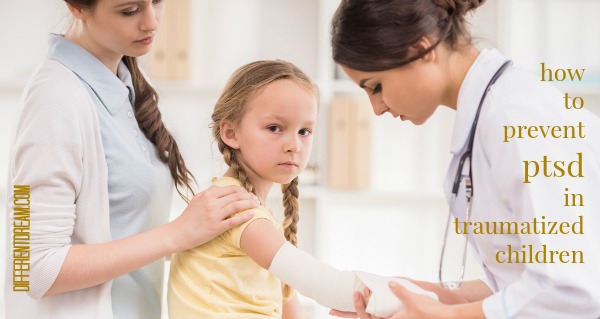
Dr. Peter A. Levine and Maggie Kline, authors of Trauma-Proofing Your Kids: A Parents’ Guide for Instilling Confidence, Joy and Resilience, describe trauma as an intense experience that suddenly overwhelms a child. In other words, trauma is an event that shocks children and overwhelms them. It takes away their sense of security and control. Without treatment, the “feeling of overwhelm” affects the rest of the child’s life and experiences.

To read the rest of this post, please visit the Key Ministry blog at AChurch4EveryChild.

Part 1: Writing About PTSD Was Not on My Bucket List
Part 2: Childhood Trauma by Any Other Name Is Still Traumatic
Part 3: 10 Myths about PTSD in Children
Part 4: What Causes PTSD in Children
Part 5: A Look Inside the Brain’s Response to Childhood Trauma
Part 6: Why the Spotlight Is on PTSD in Children
Part 7: Childhood PTSD Symptoms in Tots, Teens, and In Between
Part 8: Why and How Childhood PTSD Is often Misdiagnosed
Part 9: Effective Treatment of PTSD in Children
Part 10: How to Prevent PTSD in Traumatized Children
Part 11: How Parents Can Advocate Effectively for Traumatized Children
Part 12: 4 Reasons Traumatized Kids Need Mentally Healthy Parents
Part 13: Clinging to Faith While Parenting Children with PTSD

Do you like what you see at DifferentDream.com? You can receive more great content by subscribing to the quarterly Different Dream newsletter and signing up for the daily RSS feed delivered to your email inbox. You can sign up for the first in the pop up box and the second at the bottom of this page.

By

Jolene Philo is the author of the Different Dream series for parents of kids with special needs. She speaks at parenting and special needs conferences around the country. She’s also the creator and host of the Different Dream website. Sharing Love Abundantly With Special Needs Families: The 5 Love Languages® for Parents Raising Children with Disabilities, which she co-authored with Dr. Gary Chapman, was released in August of 2019 and is available at local bookstores, their bookstore website, and at Amazon.

Author Jolene Philo
Archives

Categories

Subscribe for Updates from Jolene

Related Posts
Writing about PTSD in Children Was Not on My Bucket List

Writing about PTSD in Children Was Not on My Bucket List

Writing about PTSD in Children Was Not on My Bucket List

I have loved to tell stories for as long as I can remember. Show and tell was my favorite subject in school. My second favorite subject was when the teacher read aloud after lunch. The actual writing of stories came in at a distant third, though the gap closed substantially once I quit reversing “b” and “d” and graduated from stubby pencils and flimsy primary paper to pen and wide-ruled notebook paper. As my writing skills grew, I started a bucket list of stories I wanted to write some day.

Over the years, my writing bucket list included the following:

  • Write fairy tales about princesses who have straight hair like me
  • Write a pioneer story kind of like Little House on the Prairie, but better
  • Write a mystery novel

Never, not once in over fifty years, did my bucket list include this:

Write a book about PTSD in children

That unwelcome item didn’t appear on my writing bucket list until 2008 when I was 52. The same year our 26-year-old son was diagnosed with and treated for PTSD caused by the surgeries and invasive medical procedures he experienced from the day he was born until shortly after he turned 4.

In 1982, the year of our son’s birth, the fields of pediatric surgery and neo-natal intensive care (NICU) were just moving from infancy (pardon the pun) to toddlerhood. Therefore, our son endured major surgery before he was a day old according to standard anesthesia protocol of the time. He was given a paralytic drug so he couldn’t move, but no pain medication. Because, as we were told over and over during his 3 week recovery in NICU when no pain meds were given, babies don’t feel pain.

To read the rest of this post, visit the Key Ministry website at this link.

Part 1: Writing About PTSD Was Not on My Bucket List
Part 2: Childhood Trauma by Any Other Name Is Still Traumatic
Part 3: 10 Myths about PTSD in Children
Part 4: What Causes PTSD in Children
Part 5: A Look Inside the Brain’s Response to Childhood Trauma
Part 6: Why the Spotlight Is on PTSD in Children
Part 7: Childhood PTSD Symptoms in Tots, Teens, and In Between
Part 8: Why and How Childhood PTSD Is often Misdiagnosed
Part 9: Effective Treatment of PTSD in Children
Part 10: How to Prevent PTSD in Traumatized Children
Part 11: How Parents Can Advocate Effectively for Traumatized Children
Part 12: 4 Reasons Traumatized Kids Need Mentally Healthy Parents
Part 13: Clinging to Faith While Parenting Children with PTSD

Do you like what you see at DifferentDream.com? You can receive more great content by subscribing to the quarterly Different Dream newsletter and signing up for the daily RSS feed delivered to your email inbox. You can sign up for the first in the pop up box and the second at the bottom of this page.

By

Jolene Philo is the author of the Different Dream series for parents of kids with special needs. She speaks at parenting and special needs conferences around the country. She’s also the creator and host of the Different Dream website. Sharing Love Abundantly With Special Needs Families: The 5 Love Languages® for Parents Raising Children with Disabilities, which she co-authored with Dr. Gary Chapman, was released in August of 2019 and is available at local bookstores, their bookstore website, and at Amazon.

Author Jolene Philo

Archives

Categories

Subscribe for Updates from Jolene

Related Posts

Special Needs Parents and Trauma: Medically Induced PTSD

Special Needs Parents and Trauma: Medically Induced PTSD

Special Needs Parents and Trauma: Medically Induced PTSD

Today, Different Dream is wrapping up its ongoing series about PTSD in parents of kids with special needs. Guest blogger Kathryn Sneed is here to share her story of medically-induced PTSD. Perhaps you will see yourself in what she has to say.

Sharing my Story to Raise Awareness about Special Needs Parents and Trauma

Ever since I was diagnosed with medical-related PTSD, I’ve been afraid to tell my story. I’ve been afraid of people’s thoughts and knew that a lot of people would have a hard time understanding.

In the military community, PTSD is a very serious thing. Since I partly write a military blog, I wasn’t sure how my writing about this topic would be taken. I definitely don’t want my topic to shadow the importance of combat-related PTSD and the public’s knowledge and awareness of it.

On the other hand, medical-related PTSD is very real and very unknown to the public. I knew I had to share my story so that I could bring anybody awareness and hopefully to help others who may have gone through the same thing. This is a very tough topic for me and it’s been very hard, but also cathartic for me to write about.

The first part of this story was birth trauma during my son’s birth. If you missed that part be sure and go back and read it first. That birth trauma was just a small part of the entire story that led to me being diagnosed with medical-related PTSD earlier this year. This is the second part of my story.

Special Needs Caregiver Trauma: Autism

The anxiety that came with the birth of my son only continued to grow as he got older. He’d had problems since birth that no doctor would acknowledge, but things had gotten worse during my husband’s deployment. During that time we were told that my son most likely had autism.

While we were waiting on a diagnosis, many other medical tests were done to rule things out. My son also ended up in the hospital during this time. He had been very sick for weeks and was dehydrated. One Sunday night we ended up in the emergency room. He needed IV fluids, but it wasn’t as easy as that. He wasn’t going to let anyone touch him.

They told me they would have to wrap him up in a sheet so that he couldn’t fight as much. This would help them get the IV in. Because he was so dehydrated, it took more then 30 minutes to get the IV in. Two nurses worked on getting the IV in his arm, my friend was helping hold his upper body still, and I was holding down his still-kicking legs. In spite of our efforts he continued to fight, scream, and cry. It was awful as I held him down and tried to keep the tears that I too had from falling.

As he continued to need more medical tests, it only got worse. It always started with three or four doctors and nurses trying to keep him calm, and me helpless to do anything to make it better. For one of these tests they needed to put him under. We were allowed to stay in the room during this time, but I wish we hadn’t been.

They gave him the medicine and he should have been asleep, but he was still fighting. Screaming. Crying. Needing me, his mom. The doctor told the nurse he needed more medicine to put him to sleep, and at that point I couldn’t stay and watch anymore, I left the room in tears.

Things got a little better as my son got older. He had been officially diagnosed with autism and was in all kind of therapies and interventions. The stress was hard though as we had a rigorous schedule, and the ups and downs of therapists coming and going left me in tears more often then naught.

By this point, I realized I needed to be on medicine for anxiety. I had been in counseling for awhile and we had talked about the help the medicine would bring. It was a welcome reprieve.

Years later as the things got better with my son, we decided to have another baby. We knew that there was a chance that baby could also have autism, but we never imagined the medical complexities we would face with our second child.

Special Needs Parents and Trauma: Medical Complexities

Soon after my daughter was born we discovered she had severe reflux. Projectile vomiting was a common occurrence every day and so was choking during her bottle feedings. By the time she was two months old, we discovered things were much worse then we thought. She had several tests and we heard words like Failure to Thrive, Laryngomalacia, and Aspiration.

We were told that she wasn’t gaining weight, that when she was being fed she was aspirating on her food (it was going into her lungs) and causing her to choke. Because she had severe reflux she was also aspirating on the reflux that was coming back up. Multiple times a day she was choking and there was nothing we could do, but make sure she was propped up.

Soon she was admitted to the hospital. More testing, a feeding tube through the nose, and wires everywhere. We were sent home after a week, but we didn’t even make it 24 hours before she was admitted again, this time for surgery. They did two surgeries at the same time, a Fundoplication and a feeding tube that was inserted into the stomach. Letting my three month old baby go with those doctors for surgery was the hardest thing I’ve ever done.

Only two weeks after we got home from the hospital, she was admitted again, this time in Atlanta. She had been having what seemed like choking spells every day since we left the hospital. It all came to a head when she started turning beet red and looked like she couldn’t breathe.

By this point my nerves were shot. During one of the hospital stays I had called my doctor and told her I needed to go up on my anxiety medicine. I knew I wasn’t handling things well and I needed help. I was barely sleeping for fear she would choke and die in her sleep. Every cough, every weird breath had me running in to check on her during the night, multiple times a night.

We spent two weeks in the hospital in Atlanta. They ran every test the doctors could think of and even some that I thought of. After two weeks of testing the only thing they were able to find was central and obstructive apnea. Other than that, they weren’t sure why she was having these “choking” episodes or why she was struggling to gain weight even with the feeding tube.

The hospital has us take a CPR class to learn what to do for the choking episodes and then sent us on our way. They told us there was not much we could do and that as long she wasn’t turning blue she was fine. But the episodes continued up to 20 times a day.

As the months went on, things got worse and finally we decided to go to Boston to get more testing and another medical opinion. Hospital stay after hospital stay came and went. Different hospitals every time. Sometimes it was because she was so sick, other times it was for IV antibiotics. By the end of the year, she had been hospitalized a total of 7 times not including emergency room visits, and had spent over 7 weeks total in the hospital.

As more tests came and went, I began to grow numb. The doctors and nurses would tell me they were surprised I wasn’t crying and they didn’t know how I was so calm. I didn’t have time to cry, I had to be strong for my baby. I wasn’t calm, on the inside the storm was raging and the numbness just grew.

The anxiety was severe. Any sign of sickness in my kids sent me into a panic attack for thought of something serious and having to stay in the hospital again. The obsession with finding answers had grown. I spent hours and hours on the internet searching for answers. Something, anything that would explain what was going on with my daughter.

Although the choking episodes had gotten better and were almost non-existent, coughing or choking of any kind in child or adult, would send me into a panic. It was like being slammed in the face with everything we had been through with my daughter.

A friend’s child would choke a little on her food, and I would freak out. On the inside it was even worse. I would wonder why no one was doing anything, why everyone was so calm. A child was choking. But when I came out of the haze, I looked around I realized that what I had thought was choking was just a little cough to clear the food or just a little water going down the wrong pipe.

I would have flashbacks watching shows that had a child in the hospital or going into surgery, and I would have to change the show before I had a full blown panic attack. I would have nightmares about people choking. Just choking over and over and nothing could stop it.

Almost nightly I was having panic attacks and unable to sleep. The sleep medicines the doctors gave me did nothing to help. I started having chest pains and several times I almost went to the hospital thinking I was having a heart attack. I finally realized I needed help and went to see my doctor who again upped my anxiety medicine.

Finally, I mentioned to my counselor what was going on. She told me that what I was experiencing was symptoms of PTSD. In a way, I wasn’t surprised. I knew this was more severe then a little anxiety.

Everything came to a head when we received three month’s notice that we were moving across the country. We still had not found answers, I still had two kids in therapy and a daughter who was at the time seeing 6 different specialists. The stress was enormous.

The week before the movers came, I literally started losing it. The stress of moving plus dealing with several infections in my daughter that were not responding to antibiotics. I felt like I was having a breakdown, I was having severe panic attacks and it was so bad that I almost took myself to the hospital to ask for help and relief.

I finally ended up at the doctor’s office, sitting in the chair shaking uncontrollably from the anxiety I was feeling. The doctor decided to put me on something a different. It was a lot stronger then anything I had taken before and I’m still on it today. It’s helped more than I can say, and I am thankful that I was able to re-gain some control.

Before we moved. My counselor told me to seek out someone here that knew how to do EMDR therapy. I’m happy to say that I have found a good Christian counselor who is trained in EMDR and she wants to start the therapy with me this summer. I’m excited to see how it’s going to help and how hopefully it will change my life.

I share my story to raise awareness. Combat-related PTSD it not the only type of PTSD that exists. Caregiver trauma and PTSD due to caring for children that have special needs is real.

Learn More about Special Needs Trauma and Parents

You can learn more about special needs trauma and parents at Kathryn’s blog Singing Through the Rain. To read other posts in the series about special needs trauma and parents, check out the links below:


Part 9: Why Special Needs Parents with PTSD Should Watch Inside Out


Do you like what you see at DifferentDream.com? You can receive more great content by subscribing to the quarterly Different Dream newsletter and signing up for the daily RSS feed delivered to your email inbox. You can sign up for the first in the pop up box and the second at the bottom of this page.

By

Kathryn is the sole owner and blogger of Singing Through the Rain. She is a 30-something, coffee-obsessed wife and mom trying to raise her two kids and a service dog, while navigating their special needs and chronic illnesses!

Author Jolene Philo

Archives

Categories

Subscribe for Updates from Jolene

Related Posts

Shouting PTSD Awareness from the Mountaintop

Shouting PTSD Awareness from the Mountaintop

Shouting PTSD Awareness from the Mountaintop

In the small midwestern town where I grew up during the 1960s, the words cancer, pregnant, divorce, sex, and mental illness were always spoken in whispers, accompanied by dark looks,  furtive glances, and the covering of children’s ears.

Yes, I am that old.

So much has changed since those days–some for the good and some for the bad. But this post isn’t about what has changed. It’s about what hasn’t changed. And what hasn’t changed is this. Far too many of us continue to whisper the words mental illness.

Some days I wish mental illness was a whisper in our family.

But it isn’t. Instead a particularly nasty mental disease called post-traumatic stress disorder (PTSD) is a reality of life for so many people I love.

For my son, who endured major surgery at birth without pain medication, only paralytic drugs.
For my son-in-law who witnessed his younger brother’s death, an event that also killed his parents’ marriage.
For my mother whose dementia, we suspect, was induced by years of trauma-related anxiety.

They are some of the reasons I don’t whisper about mental illness and PTSD anymore.

They are why I am shouting PTSD awareness from the mountaintops this June, which is PTSD Awareness Month. I have observed their valiant struggles to cope with this disease. I have cheered them on as they persevere day after day to remain whole and integrated. I pray for their healing every single day. I cry when they succumb, and I cheer when they pick themselves up and try again.

I am shouting for today’s children, too.

The rest of this post can be read at Not Alone’s website for parents of kids with special needs.

Do you like what you see at DifferentDream.com? You can receive more great content by subscribing to the quarterly Different Dream newsletter and signing up for the daily RSS feed delivered to your email inbox. You can sign up for the first in the pop up box and the second at the bottom of this page.

By

Jolene Philo is the author of the Different Dream series for parents of kids with special needs. She speaks at parenting and special needs conferences around the country. She’s also the creator and host of the Different Dream website. Sharing Love Abundantly With Special Needs Families: The 5 Love Languages® for Parents Raising Children with Disabilities, which she co-authored with Dr. Gary Chapman, was released in August of 2019 and is available at local bookstores, their bookstore website, and at Amazon.

Author Jolene Philo

Archives

Categories

Subscribe for Updates from Jolene

Related Posts

Special Needs Parents and Trauma: The Unseen Battle with PTSD

Special Needs Parents and Trauma: The Unseen Battle with PTSD

Special Needs Parents and Trauma: The Unseen Battle with PTSD

Welcome back to the Different Dream series about special needs parents and trauma. In today’s post, guest blogger Christina Nelson describes her invisible battle with PTSD and how she learned to win it.

Special Needs Parents and Trauma: The Unseen Battle with PTSD

When I think of PTSD I imagine a soldier who has lived through war. The hero, who’s mind is tortured with sounds and images too painful to be spoken of. Too tragic for others to understand. My trauma started in the delivery room, when I pushed my precious tiny baby into the world nine weeks before he was due. Or maybe it started when I was awakened by my water breaking unexpectedly on our camping trip 60 miles from the nearest hospital. I don’t know. All I know is that I haven’t been the same since. During the flurry of the NICU, surgeries, tubes, monitors, alarms, pumps, questions, answers, different answers, breathing, coding, breathing again, something changed in me. I didn’t know it at the time but I was fighting a battle. Not unlike the battle our war heroes fight. My uniform of sweatpants and milk stained t-shirts, my swollen body and baggy eyes gave away my lack of training. A troop of doctors, nurses, therapists, and family surrounded me. My artillery consisted of a breast-pump, g-tube, 20cc syringe, a binky, and an endless supply of my mother-in-law’s cookies. I was at war…with my own expectations about mothering as well as societal and cultural norms surrounding parenting and grief. The truth is I was held captive by a deep shame in my heart. Ashamed that even though my baby was starting to grow and thrive, that his surgeries were successful, I continued to weep in the darkest hour of night, wiping my tears for a smile in the morning. Ashamed that while others found joy in my child’s successes, I continued to feel anxiety and fear. I searched for affirmation of my battle. Someone to tell me that it was okay to jump out of my skin each time I heard my child’s sharp barking cough or the shrill sound of his cry. That it was okay to hide from my friends who were celebrating their healthy babies and lamenting the pains of a common cold. That my foggy brain, the constant numbness and fear was all normal…that it was okay. I didn’t begin to break free until I received affirmation that my feelings were a normal response for people who had suffered a traumatic event. Validation that I wasn’t weak, ungrateful, or undeserving. That what I was feeling was a result of PTSD. This affirmation began erasing my shame and bring me out of hiding. It gave me permission to lean into my faith, community, and others for support. Most of all, it gave me the freedom to be real. To embrace and experience all of the mixed up, messy feelings that come with caring for a child with special needs-the joy, fear, anxiety, hope, chaos, and success. Even the startling moments that send me into panic mode. Those are okay too. Families and friends…if you know someone who is raising a child with special needs, please be unconditional. Please seek them out and help guide them into a place of feeling known, validated and affirmed. None of us are strong enough to fight this battle on our own.

What Do You Know about Special Needs Parents and Trauma?

Are you a special needs parent who’s battling trauma? Feel free to share your story in the comment box below. Check out the rest of the series about special need parents and trauma by following the links below:  
Part 9: Why Special Needs Parents with PTSD Should Watch Inside Out
 
Do you like what you see at DifferentDream.com? You can receive more great content by subscribing to the quarterly Different Dream newsletter and signing up for the daily RSS feed delivered to your email inbox. You can sign up for the first in the pop up box and the second at the bottom of this page.

By

Christina is wife to Nate and mother to three boys Burke (9) and Judah and Levi (6 yr old identical twins). She’s a nurse by training and has worked to support patients and families at Seattle Children’s Hospital. She loves the outdoors, campfires, dancing, gardening and hours of deep soul searching conversations with good friends.

Author Jolene Philo

Archives

Categories

Subscribe for Updates from Jolene

Related Posts

Childhood PTSD Resources

Childhood PTSD Resources

Childhood PTSD Resources

June is PTSD Awareness Month, so today Different Dream is raising awareness about childhood PTSD. Also known as childhood developmental trauma, this type of PTSD is not as well known adult PTSD. But it is every bit as real as the grown up version and its effects can be lifelong and debilitating if left untreated. Today’s post highlights resources about childhood PTSD you use to learn more about this complex and fascinating topic.

Childhood PTSD Websites

Two very comprehensive websites about childhood PTSD are Harvard’s Center on the Developing Child and The National Child Traumatic Stress Network (NCTSN). These sites have links to enough research studies, white papers, videos, trainings, and more to keep you learning for months. By the time you’ve explored the sites thoroughly, you will know more about childhood PTSD than 80% of the general public.

Books About Childhood PTSD

I read so many excellent books about childhood PTSD while conducting research for my new book, Does My Child Have PTSD? Here are some of my favorites:

That should be enough to keep you busy until next June and a new resource list for PTSD Awareness Month, 2016. But if you finish them before then, you’ll find many more resources in Does My Child Have PTSD? which was released in October of 2015.

Your Favorite Childhood PTSD Resources?

Have you found any good childhood PTSD resources lately? Share them in the comment box if you like!

Do you like what you see at DifferentDream.com? You can receive more great content by subscribing to the quarterly Different Dream newsletter and signing up for the daily RSS feed delivered to your email inbox. You can sign up for the first in the pop up box and the second at the bottom of this page.

By

Jolene Philo is the author of the Different Dream series for parents of kids with special needs. She speaks at parenting and special needs conferences around the country. She’s also the creator and host of the Different Dream website. Sharing Love Abundantly With Special Needs Families: The 5 Love Languages® for Parents Raising Children with Disabilities, which she co-authored with Dr. Gary Chapman, was released in August of 2019 and is available at local bookstores, their bookstore website, and at Amazon.

Author Jolene Philo

Archives

Categories

Subscribe for Updates from Jolene

Related Posts