How to Handle Homework Hassles

How to Handle Homework Hassles

How to Handle Homework Hassles

Today’s post is written by guest blogger Laurie Wallin. She tackles an issue near and dear to many parents of kids with special behavioral needs. Here’s what she has to say about…

Homework Hassles and Other Stinky Crud

You know those moments in life when things get so frustrating—almost to absurdity—that you just have to make a change? You try to ignore it. To work around it. To gracefully weasel out of it. But no such luck! It’s like the stinky crud that sometimes colonizes our pantries. You’re not sure where it came from, but you can’t move on with life until it’s dealt with!

I’m in the middle of one of these moments right now with my oldest daughter. For the past 3 years, homework has been our stinky pantry crud. Her learning disabilities, ADHD, bipolar, left-handedness, star sign, and the presence of small shiny objects anywhere in view make it impossible to just sit down and do work without a debacle.

The new and improved version this school year included more homework… and a LOT more attitude! So I finally decided to clean out our stinky pantry.

I gave my daughter FULL responsibility for her homework. The idea came from John Rosemond’s Ending the Homework Hassle (Andrews and McMeel, 1990). Here are the basics for all parents out there struggling with this issue:

A = All by Myself

The child is completely responsible for their homework once they are at an age they can handle it (i.e. older than K-2nd grade). We provide the necessary materials, desk, and lighting. Other than that, they need to do work on their own, away from the main traffic of the family.

B = Back Off

Parents are available for the child to help explain directions or give strategies when they’re stuck on a problem. But other than that, we keep out of it. We don’t sit and do every problem with our kids. And at the end, we can recommend going back over problems done incorrectly, but not do the work for them.

C = Call It Quits at a Reasonable Hour

This one is extra applicable to us, since my kiddo has ADHD and often loses her own train of thought in the middle of a sentence. This means a 20-minute assignment can take hours. IEP’s and shortened homework accommodations aside, we have to set the timer for a reasonable amount of time and stick with that boundary.

You know what? After 3 days, she’s coming home, getting her bag, going upstairs, doing every problem on her homework assignments, and putting it in her bag without me reminding her at all.

And it’s not covered in scribbles. Or crumpled in a ball. Or incomplete. Or making me want to run for the hills.

Do you see this picture? It looks wonderful! Too bad EVERY problem is incorrect.
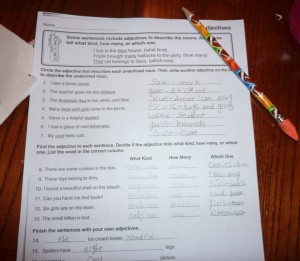
Laurie Wallin, mom of 2 girls with special needs and 2 typical daughters, shares the ABCs of homework hassles she's been learning.

So for a child with delays, adoption attachment issues, a mood disorder, and attentional issues, is it better for her to struggle with me over homework every day for hours? Or to let her fail, but relate peacefully with her after school?

I guess that’s my next stinky issue…

How Do You Handle Homework Hassles and Other Stinky Crud?

If you have suggestions about how to handle homework hassles, please leave a comment. Or if you have a question for Laurie, leave that, too.

Do you like what you see at DifferentDream.com? You can receive more great content by subscribing to the quarterly Different Dream newsletter and signing up for the daily RSS feed delivered to your email inbox. You can sign up for the first in the pop-up box and the second at the bottom of this page.

By

Laurie is the mom of four daughters–two adopted with developmental delays, mood disorders, and ADHD. A former junior high teacher turned speaker and life coach, she loves to learn, laugh until their sides hurt, and help women be courageous in life.

Author Jolene Philo

Archives

Categories

Subscribe for Updates from Jolene

Related Posts

How to Find Resources for Kids with Disabilities

How to Find Resources for Kids with Disabilities

Wrightslaw yellow pages make it easy to find resources for kids with disabilities and special needs. Learn how to use it in this post.

In my last post, I was tickled pink to share a searchable list of children’s hospitals. Today, I’m tickled yellow to share another great locator for parents looking for resources for kids with disabilities.

Wrightslaw Yellow Page Resources for Kids with Disabilities

Wrightslaw is best known for their educational and advocacy work in the field of special education law. They travel around the country educating parents through their special education law and advocacy training workshops. Recently they launched an online version of the workshop, which is great for parents who can’t leave home because they are caregivers for their children with special needs. But I digress.

How to Use the Wrightslaw Yellow Pages

On the Wrightslaw Yellow Pages webpage, you can find your state in the pull down menu or by clicking on your state on the map of the United States. The yellow pages for my state (Iowa) includes contact information for private organizations, foundations, practitioners, governmental organizations, and more. What a time saver! Once again, I’ll be using the Yellow Pages while doing research for Different Dream Parenting.

How to Be Listed in the Yellow Pages

If you are part of an organization that helps get services to families of children with disabilities, you can apply for a listing in the yellow pages. According to the information at their website, they are looking for “private special education schools, clinics, health care professionals, special education attorneys and special education lay advocates, and related service providers and supplemental service providers as defined by IDEA 2004 and No Child Left Behind (NCLB). Listings are free, however, not all listings will be accepted.” Click here for more information about the application process.

How Will You Use this Resource?

If you have ideas about how to use this resource or know of other great resources of use to parents of kids with special needs, please leave a comment!

Do you like what you see at DifferentDream.com? You can receive more great content by subscribing to the quarterly Different Dream newsletter and signing up for the daily RSS feed delivered to your email inbox. You can sign up for the first in the pop up box and the second at the bottom of this page.

Thank You, Mr. Falker

Thank You, Mr. Falker

thank-you-mr-falker-image

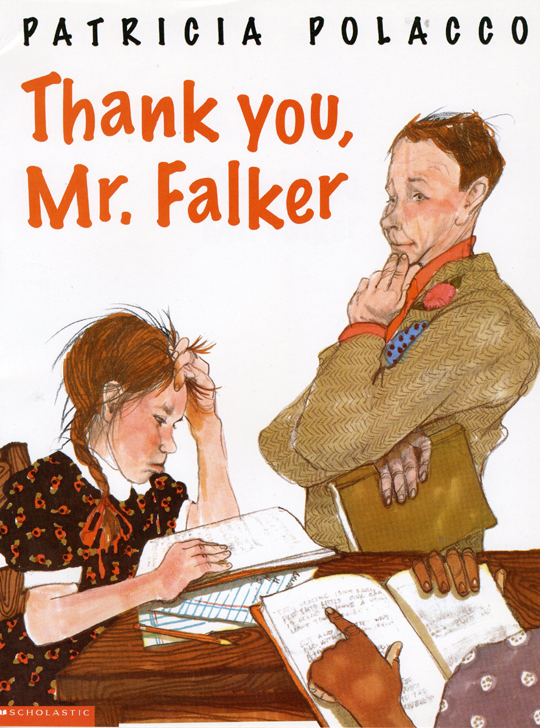
As the parent of a child with special needs, you value teachers who help your child achieve as much as possible. Since this is Teacher Appreciation Week, you might enjoy this story of how one teacher changed the life of his student.

Patricia Polacco and Thank You, Mr. Falker

The well-known children’s author and illustrator Patricia Polacco struggled with dyslexia for most of her elementary school years. She tells her story in one of my favorite books, Thank You, Mr. Falker, which is a must read for you and your kids. During my teaching years, when many children with learning problems were mainstreamed into my classroom, I read the book to my students each fall. It answered so many of their questions about classmates who learned in different ways. It also gave those who learned quickly and easily greater appreciation and compassion for students who struggled.

Thank You, Reading Rockets

This week, the Reading Rockets Website posted a video of several authors and illustrators and their remembrances of teachers who influenced them. One of the authors is, you guessed it, Patricia Polacco. You can hear what she said about her most influential teacher here: Thank You, Mr. Falker.

Hopefully, that story will inspire you to write a thank you to the special teachers in your child’s life!

Do you like what you see at DifferentDream.com? You can receive more great content by subscribing to the quarterly Different Dream newsletter and signing up for the daily RSS feed delivered to your email inbox. You can sign up for the first in the pop up box and the second at the bottom of this page.

How to Be a Proactive Parent at School: Part 3

How to Be a Proactive Parent at School: Part 3


The 3rd post in the series about how to be a proactive parent at school provides instructions & more All About Me notebook downloads to use before school.

In the previous posts in this series, Cassandra Sines shared what she’s learned about how to be a proactive parent to her children with behavioral special needs. In Part 1, she gave advice about how to work with the public school system. Part 2 described and provided downloads for five of the pages she uses in the All About Me notebook she gives her son’s teachers at the beginning of each school year. This post provides five more downloads and descriptions you can adapt for your child’s circumstances.

All About Me Notebook Page Descriptions

  • About My Illness: The first page of this section is a listing of diagnoses followed by information about each diagnosis.
  • Educational Information: Again, this section has a brief cover page description, followed by information about how the diagnosis affects the child’s educational experience. Parents can get information from physicians, therapists or reputable websites. Two example downloads of educational documents are also listed below.
  • Resources: Lists of books and websites where educators can find more information about the child’s disorder, condition, or disease. The example contains resources about bipolar disorder. If your child has a different diagnosis, you will need to replace these resources with those pertaining to your child’s situation.
  • The Storm in My Brain: Cover sheet introducing a booklet about this child’s specific condition.

All About Me Notebook Downloads

If all these downloads make you feel overwhelmed, don’t worry. Cassandra is an ordinary mom, just like you. She doesn’t have an education or medical degree. She created her son’s notebook page by page, and you can, too. And if you have questions about how to put your notebook together or how to be a proactive parent, leave a comment. I’m here to help you. And if you want to read more about life at Cassandra’s house, visit her blog, www.TwoSpecialNeedsChildren.com

How to Be a Proactive Parent at School, Part 1
How to Be a Proactive Parent at School, Part 2

Do you like what you see at DifferentDream.com? You can receive more great content by subscribing to the quarterly Different Dream newsletter and signing up for the daily RSS feed delivered to your email inbox. You can sign up for the first in the pop up box and the second at the bottom of this page.

The 3rd post in the series about how to be a proactive parent at school provides instructions & more All About Me notebook downloads to use before school.


How to Be a Proactive Parent at School: Part 2

How to Be a Proactive Parent at School: Part 2

The 2nd post in the series about how to be a proactive parent at school provides instructions & All About Me notebook downloads to prepare before school.

In the first post in this series, Cassandra Sines told her story as the parent of two children with behavior disorders. She also shared what she’s learned about how to be proactive parent in the public schools. This post provides descriptions of the first six sections and corresponding downloads for the  All About Me notebook Cassandra created.

All About Me Notebook Page Descriptions

Here are short descriptions of the contents of the first five documents:

  • Cover Page: Consists of a photograph of a child away from school engaged in an activity he/she enjoys. Include a caption describing what the child is doing.
  • Notebook Index: This could also be called the Table of Contents. It lists the titles for each section of the book in order.
  • Introduction: This section contains two pages. The first is a memo from Cassandra to the team of educators working with her son. The second is an introduction written from her son’s point of view. His diagnosis is described, along with frequently manifested symptoms, interventions that help control the symptoms and the family living situation.
  • Emergency Contacts: Describes behavioral symptoms that constitute an emergency situation followed by numbers listed in order they should be contacted.
  • Doctors & Therapists: After a brief introduction, contact information is listed for each doctor and therapist on the child’s team. You could also describe the specialty of each professional and his/her role in treatment.
  • Medications: List of all medications, those given during school day and at home. Cassandra also puts informational print outs for each medication in the notebook.

All About Me Notebook Downloads

Is Cassandra’s notebook starting to make sense? Can you see what a proactive tool this kind of notebook could be for your child? If you do, come back in a few days for the final post in this series and the last five descriptions and downloads Cassandra uses in her child’s notebook.

How to Be a Proactive Parent at School, Part 1
How to Be a Proactive Parent at School: Part 3

Do you like what you see at DifferentDream.com? You can receive more great content by subscribing to the quarterly Different Dream newsletter and signing up for the daily RSS feed delivered to your email inbox. You can sign up for the first in the pop up box and the second at the bottom of this page.

The 2nd post in the series about how to be a proactive parent at school provides instructions & All About Me notebook downloads to prepare before school.

How to Be a Proactive Parent at School: Part 1

How to Be a Proactive Parent at School: Part 1

These 5 tips show how to be a proactive parent at school for a child with special needs before the school year begins.

The topic of this blog’s February 16 post was 7 Ways to Advocate for Your Child in the Health Care Community. A few days later Cassandra Sines left a comment about an All About Me notebook she uses to be proactive at her children’s school. What she described sounded so fascinating, I emailed her and asked if she would chat on the phone about her creation.  Our talk was so enlightening and her suggestions so practical, sharing them with you is a real treat.

Resources for Parents of Children with Bipolar Disorder

The two children Cassandra and her husband adopted have behavioral conditions that impact their school experiences. You can read more about their lives at their blog, Life with Two Special Needs Children. Their son was diagnosed with bipolar disorder at a young age, and Cassandra used online resources and support groups to educate herself. One of the greatest resources she found was the Child & Adolescent Bipolar Association. Through it she located both the idea for her son’s notebook and a parent support group. The experiences of other parents in the support group have been a rich source of information and practical tips.

Advice for Parents of School-Aged Children with Behavior Disorders

Cassandra had some practical, easy-to-implement advice for parents of special needs children in the public school system. Here are things she does to be proactive:

  • She updates her son’s All About Me notebook each summer a month or two before the new school year begins. She takes it to the school and personally delivers it to his teachers two weeks before school begins. That way the teachers have time to look over the book and ask questions.
  • A week before school starts, she takes her son to school for a tour. They walk around the building and meet the teachers.
  • Cassandra says parents should be open and honest with teachers. Don’t be ashamed of your child’s needs and behaviors. Lay everything out and say, “This is where we’re at. I need all the help you can offer,” to the educators. Let school staff know you are available when they need help and information, too.
  • Pray for all the people who are part of your child’s day: the teachers, para-professionals, bus drivers, lunch room staff and so on. Cassandra says, “Without prayer and God’s intervention, things don’t work.”
  • Since her children are still in elementary school, she doesn’t yet have advice about how to negotiate secondary school. She recommends visiting the Child & Adolescent Bipolar Association website as it addresses the needs of adolescents.

All About Me Notebook

In the next post in this series, the nuts and bolts of Cassandra’s All About Me notebook will be outlined and the different pages will be available for you to download and adapt for your child’s situation. Until then, please leave comments about resources you use. And if you have advice for parents of kids with special needs in secondary school, let us know!

How to Be a Proactive Parent at School: Part 2
How to Be a Proactive Parent at School: Part 3

Do you like what you see at DifferentDream.com? You can receive more great content by subscribing to the quarterly Different Dream newsletter and signing up for the daily RSS feed delivered to your email inbox. You can sign up for the first in the pop up box and the second at the bottom of this page.

These 5 tips show how to be a proactive parent at school for a child with special needs before the school year begins.