Childhood Trauma, by Any Other Name, Is Still Traumatic

Childhood Trauma, by Any Other Name, Is Still Traumatic

Childhood Trauma, by Any Other Name, Is Still Traumatic

As was mentioned in the first post in this series, my first acquaintance with post-traumatic stress disorder (PTSD) in children was not intentional. Rather, I stumbled into the world of childhood trauma in 2008 after our son was diagnosed with and treated for his PTSD, the result of repeated, invasive medical trauma that began shortly after birth and continued until he was five.

At the clinic where our 26-year-old son was treated, the therapists devote a considerable amount of time to educating the family members and caregivers of their clients about the condition. The basic information they presented piqued my curiosity so much that, once our son completed his therapy, I began my own research about PTSD in children. That research eventually resulted in a book, Does My Child Have PTSD? What to Do When Your Child Is Hurting from the Inside Out (Familius, October 2015).

Between the initial research and the writing of the book, however, I spent a considerable amount of time swimming in a sea of confusion. Confusion caused by diving into the waters of the relatively new field of study–PTSD in children–where the professional jargon about it seemed to constantly changing. The water teemed with a dizzying array terms such as “trauma,” “PTSD,” “childhood trauma,” and “childhood developmental trauma.” Eventually I created three questions and answers to assist parents like me–and perhaps like you–who want to better understand children who live with trauma.

What Is Trauma?

Dr. Peter A. Levine and Maggie Kline, authors of Trauma-Proofing Your Kids: A Parents’ Guide for Instilling Confidence, Joy and Resilience, describe trauma as an intense experience that suddenly overwhelms a child. In other words, trauma is an event that shocks children and overwhelms them. It takes away their sense of security and control. Without treatment, the “feeling of overwhelm” affects the rest of the child’s life and experiences.

To read the rest of this post, please visit the Key Ministry blog at AChurch4EveryChild.

Part 1: Writing About PTSD Was Not on My Bucket List
Part 2: Childhood Trauma by Any Other Name Is Still Traumatic
Part 3: 10 Myths about PTSD in Children
Part 4: What Causes PTSD in Children
Part 5: A Look Inside the Brain’s Response to Childhood Trauma
Part 6: Why the Spotlight Is on PTSD in Children
Part 7: Childhood PTSD Symptoms in Tots, Teens, and In Between
Part 8: Why and How Childhood PTSD Is often Misdiagnosed
Part 9: Effective Treatment of PTSD in Children
Part 10: How to Prevent PTSD in Traumatized Children
Part 11: How Parents Can Advocate Effectively for Traumatized Children
Part 12: 4 Reasons Traumatized Kids Need Mentally Healthy Parents
Part 13: Clinging to Faith While Parenting Children with PTSD

Do you like what you see at DifferentDream.com? You can receive more great content by subscribing to the quarterly Different Dream newsletter and signing up for the daily RSS feed delivered to your email inbox. You can sign up for the first in the pop up box and the second at the bottom of this page.

By

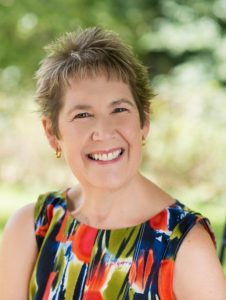
Jolene Philo is the author of the Different Dream series for parents of kids with special needs. She speaks at parenting and special needs conferences around the country. She’s also the creator and host of the Different Dream website. Sharing Love Abundantly With Special Needs Families: The 5 Love Languages® for Parents Raising Children with Disabilities, which she co-authored with Dr. Gary Chapman, was released in August of 2019 and is available at local bookstores, their bookstore website, and at Amazon.

Author Jolene Philo
Archives

Categories

Subscribe for Updates from Jolene

Related Posts

Writing about PTSD in Children Was Not on My Bucket List

Writing about PTSD in Children Was Not on My Bucket List

Writing about PTSD in Children Was Not on My Bucket List

I have loved to tell stories for as long as I can remember. Show and tell was my favorite subject in school. My second favorite subject was when the teacher read aloud after lunch. The actual writing of stories came in at a distant third, though the gap closed substantially once I quit reversing “b” and “d” and graduated from stubby pencils and flimsy primary paper to pen and wide-ruled notebook paper. As my writing skills grew, I started a bucket list of stories I wanted to write some day.

Over the years, my writing bucket list included the following:

  • Write fairy tales about princesses who have straight hair like me
  • Write a pioneer story kind of like Little House on the Prairie, but better
  • Write a mystery novel

Never, not once in over fifty years, did my bucket list include this:

Write a book about PTSD in children

That unwelcome item didn’t appear on my writing bucket list until 2008 when I was 52. The same year our 26-year-old son was diagnosed with and treated for PTSD caused by the surgeries and invasive medical procedures he experienced from the day he was born until shortly after he turned 4.

In 1982, the year of our son’s birth, the fields of pediatric surgery and neo-natal intensive care (NICU) were just moving from infancy (pardon the pun) to toddlerhood. Therefore, our son endured major surgery before he was a day old according to standard anesthesia protocol of the time. He was given a paralytic drug so he couldn’t move, but no pain medication. Because, as we were told over and over during his 3 week recovery in NICU when no pain meds were given, babies don’t feel pain.

To read the rest of this post, visit the Key Ministry website at this link.

Part 1: Writing About PTSD Was Not on My Bucket List
Part 2: Childhood Trauma by Any Other Name Is Still Traumatic
Part 3: 10 Myths about PTSD in Children
Part 4: What Causes PTSD in Children
Part 5: A Look Inside the Brain’s Response to Childhood Trauma
Part 6: Why the Spotlight Is on PTSD in Children
Part 7: Childhood PTSD Symptoms in Tots, Teens, and In Between
Part 8: Why and How Childhood PTSD Is often Misdiagnosed
Part 9: Effective Treatment of PTSD in Children
Part 10: How to Prevent PTSD in Traumatized Children
Part 11: How Parents Can Advocate Effectively for Traumatized Children
Part 12: 4 Reasons Traumatized Kids Need Mentally Healthy Parents
Part 13: Clinging to Faith While Parenting Children with PTSD

Do you like what you see at DifferentDream.com? You can receive more great content by subscribing to the quarterly Different Dream newsletter and signing up for the daily RSS feed delivered to your email inbox. You can sign up for the first in the pop up box and the second at the bottom of this page.

By

Jolene Philo is the author of the Different Dream series for parents of kids with special needs. She speaks at parenting and special needs conferences around the country. She’s also the creator and host of the Different Dream website. Sharing Love Abundantly With Special Needs Families: The 5 Love Languages® for Parents Raising Children with Disabilities, which she co-authored with Dr. Gary Chapman, was released in August of 2019 and is available at local bookstores, their bookstore website, and at Amazon.

Author Jolene Philo

Archives

Categories

Subscribe for Updates from Jolene

Related Posts

Shouting PTSD Awareness from the Mountaintop

Shouting PTSD Awareness from the Mountaintop

Shouting PTSD Awareness from the Mountaintop

In the small midwestern town where I grew up during the 1960s, the words cancer, pregnant, divorce, sex, and mental illness were always spoken in whispers, accompanied by dark looks,  furtive glances, and the covering of children’s ears.

Yes, I am that old.

So much has changed since those days–some for the good and some for the bad. But this post isn’t about what has changed. It’s about what hasn’t changed. And what hasn’t changed is this. Far too many of us continue to whisper the words mental illness.

Some days I wish mental illness was a whisper in our family.

But it isn’t. Instead a particularly nasty mental disease called post-traumatic stress disorder (PTSD) is a reality of life for so many people I love.

For my son, who endured major surgery at birth without pain medication, only paralytic drugs.
For my son-in-law who witnessed his younger brother’s death, an event that also killed his parents’ marriage.
For my mother whose dementia, we suspect, was induced by years of trauma-related anxiety.

They are some of the reasons I don’t whisper about mental illness and PTSD anymore.

They are why I am shouting PTSD awareness from the mountaintops this June, which is PTSD Awareness Month. I have observed their valiant struggles to cope with this disease. I have cheered them on as they persevere day after day to remain whole and integrated. I pray for their healing every single day. I cry when they succumb, and I cheer when they pick themselves up and try again.

I am shouting for today’s children, too.

The rest of this post can be read at Not Alone’s website for parents of kids with special needs.

Do you like what you see at DifferentDream.com? You can receive more great content by subscribing to the quarterly Different Dream newsletter and signing up for the daily RSS feed delivered to your email inbox. You can sign up for the first in the pop up box and the second at the bottom of this page.

By

Jolene Philo is the author of the Different Dream series for parents of kids with special needs. She speaks at parenting and special needs conferences around the country. She’s also the creator and host of the Different Dream website. Sharing Love Abundantly With Special Needs Families: The 5 Love Languages® for Parents Raising Children with Disabilities, which she co-authored with Dr. Gary Chapman, was released in August of 2019 and is available at local bookstores, their bookstore website, and at Amazon.

Author Jolene Philo

Archives

Categories

Subscribe for Updates from Jolene

Related Posts

Childhood PTSD Resources

Childhood PTSD Resources

Childhood PTSD Resources

June is PTSD Awareness Month, so today Different Dream is raising awareness about childhood PTSD. Also known as childhood developmental trauma, this type of PTSD is not as well known adult PTSD. But it is every bit as real as the grown up version and its effects can be lifelong and debilitating if left untreated. Today’s post highlights resources about childhood PTSD you use to learn more about this complex and fascinating topic.

Childhood PTSD Websites

Two very comprehensive websites about childhood PTSD are Harvard’s Center on the Developing Child and The National Child Traumatic Stress Network (NCTSN). These sites have links to enough research studies, white papers, videos, trainings, and more to keep you learning for months. By the time you’ve explored the sites thoroughly, you will know more about childhood PTSD than 80% of the general public.

Books About Childhood PTSD

I read so many excellent books about childhood PTSD while conducting research for my new book, Does My Child Have PTSD? Here are some of my favorites:

That should be enough to keep you busy until next June and a new resource list for PTSD Awareness Month, 2016. But if you finish them before then, you’ll find many more resources in Does My Child Have PTSD? which was released in October of 2015.

Your Favorite Childhood PTSD Resources?

Have you found any good childhood PTSD resources lately? Share them in the comment box if you like!

Do you like what you see at DifferentDream.com? You can receive more great content by subscribing to the quarterly Different Dream newsletter and signing up for the daily RSS feed delivered to your email inbox. You can sign up for the first in the pop up box and the second at the bottom of this page.

By

Jolene Philo is the author of the Different Dream series for parents of kids with special needs. She speaks at parenting and special needs conferences around the country. She’s also the creator and host of the Different Dream website. Sharing Love Abundantly With Special Needs Families: The 5 Love Languages® for Parents Raising Children with Disabilities, which she co-authored with Dr. Gary Chapman, was released in August of 2019 and is available at local bookstores, their bookstore website, and at Amazon.

Author Jolene Philo

Archives

Categories

Subscribe for Updates from Jolene

Related Posts

PTSD and Special Needs Parents: Calling it Like It Is

PTSD and Special Needs Parents: Calling it Like It Is

PTSD and Special Needs Parents: Calling it Like It Is

Guest blogger Sheri Dacon is today’s contributor to Different Dream’s series about PTSD and special needs parenting. She tells the story of seeking the cure for what ails her and how to help other parents who live with the combination of PTSD and special needs parenting.

PTSD and Special Needs Parents: Calling it Like It Is

Psychotherapy. Anti-anxiety meds. Massage therapy.

Meditation. Guided Imagery. Scripture memorization.

Vitamins and supplements. Chiropractic adjustment. Acupuncture.

Essential Oils. Hypnotherapy. Books & websites.

Journaling. Ignoring. Napping.

Hydrating. Boot camp. Yoga.

Seeing a laryngologist. Seeing a psychiatrist. Seeing a neurologist.

Deep breathing. Bible study. Gardening.

Reading. Denial. Lots and lots of prayer.

These are the avenues I’ve been down in my search for a cure from what ails me.

I’m like the woman in the Bible who bled for 12 years. I’ve spent all I have and seen every doctor/specialist/guru I can afford. I’m spent and exhausted and overwhelmed.

Most days I carry on and try to be brave in this world that has left my voice — and a huge chunk of my identity — behind. But on days when I’m tired and my blood sugar is completely off kilter and my hormones won’t behave, well I don’t function quite as well.

On those days I retreat to my closet for a little Jesus and cat therapy, because I can’t keep my eyes from welling with tears. Big, fat tears of regret and disappointment — but mostly fear.

Fear is a big issue, the one that haunts me, the one that lies just below the outer crust of my fragile but mostly happy life. I don’t feel depressed. I am mostly in a good place. But the surface is so thin. I live in a constant state of hypervigilance. The tiniest quake could shatter the whole thing into oblivion.

Special Needs Parenting and PTSD

I’ve been doing some research on PTSD and parents of special needs kids and how autism moms experience stress similar to that of combat soldiers.

Every time I consider whether or not I might suffer from PTSD, I feel guilty.

I’ve never been in real danger. I haven’t experienced the trauma and the stress of military action, or even that of a military wife. My husband works in IT. The biggest danger there is outsourcing.

I don’t live in a war-torn country, or even in a high-crime neighborhood.

I have a cushy life.

So when I say I think I might suffer from PTSD, I feel more than a little guilty, yes.

But it’s like no one’s bothered to inform my body.

My nervous system is a wreck. My muscles are tight. My hormones are so out of sync that I often don’t know which end is up. In certain situations, and in specific physical locations, I find it almost impossible to breathe. My voice doesn’t work the way it’s supposed to anymore.

Adrenaline and cortisol and whatever other stress hormones are in overdrive and my body screams “Danger!” way more than it should.

I wonder if I will ever be able to convince my subconscious that there is not really any danger.

PTSD: Calling It Like It Is

Some family friends are experiencing sudden trauma within their family. My husband and I talked about it the other night and we agreed that there was no easy way around what is happening to them. There will be casualties. There will be irreparable damage. It is indeed trauma. It’s easy to call it that in their situation.

But right in the middle of the conversation, for the first time ever, I admitted something out loud.

“That’s what happened to me, you know. At our last church. It was trauma.”

I’ve always been strong-willed and determined. Mind set on not letting others know that I might not be okay. Trying like crazy to keep a stiff upper lip and never let anybody see me cry. Acting like it’s no big deal, this thing that happened. Pretending to be strong when I am oh, so very weak.

So to admit it to you — here in writing on the big wide internet — is difficult to say the least.

I have been traumatized.

No, it wasn’t military combat. But it felt like it.

It was trauma. It involved my special needs son. It crushed me to the core. It made me question everything about myself.

But I’m slowly learning to let go of the guilt and to call it what it is.

It is PTSD. Post traumatic stress disorder.

It’s taken up residence in my very bones and it is okay for me to be weak and to admit the truth: it was trauma. I was beaten down and it may take a while to get back up. And it is okay.

Of all the strategies I’ve tried, this one seems to work best. A simple recognition of trauma — of PTSD– for what it is.

  • Letting go of the guilt.
  • Accepting what is.
  • Praying for the future.
  • Trusting in the one who heals in time.

Are you experiencing similar stress as the parent of a special needs child? Stress that forces you to live in constant fear or a perpetual state of alert? Perhaps what you are dealing with is PTSD.

Perhaps it is time to call it like it is. And then move on to getting help.

You won’t be alone. I’ll be in the boat right alongside you. There is safety and strength in numbers.

PTSD parents of special needs children, let’s support each other, shall we?

Leave a Comment!

If Sheri’s words resonates with you, feel free to leave a comment about your PTSD and special needs parenting story below. You can also check out the other posts in the series using the links below.


Do you like what you see at DifferentDream.com? You can receive more great content by subscribing to the quarterly Different Dream newsletter and signing up for the daily RSS feed delivered to your email inbox. You can sign up for the first in the pop up box and the second at the bottom of this page.

By

You can learn more about Sheri by visiting her website at sheridacon.com.

Author Jolene Philo

Archives

Categories

Subscribe for Updates from Jolene

Related Posts

4 Ways to Prevent Post-Traumatic Stress Disorder in Children

4 Ways to Prevent Post-Traumatic Stress Disorder in Children

4 Ways to Prevent Post-Traumatic Stress Disorder in Children

Post-traumatic stress disorder (PTSD) in children. That’s a concept many adults want to deny. We don’t want to live in a world where children, much less infants, develop PTSD. The bad news is that they can. But there’s also good news: resources and techniques exist to keep childhood trauma from developing into full-blown PTSD. In a final post of my Friendship Circle series about PTSD in children, some preventative measures were highlighted.

Four Ways to Prevent PTSD in Children

Several therapies are highly effective in preventing the development of PTSD after childhood trauma. Four of the best known are listed below:

  1. Debrief after a traumatic event.
  2. Administer trauma prevention first aid.
  3. Involve a child life specialist.
  4. Keep pre-verbal and non-verbal children grounded.

To learn the details of each of these preventative measures and to find links to resources, read the Friendship Circle post 4 Ways to Prevent Post-Traumatic Stress Disorder in Children.

A New PTSD Resource Coming Soon!

In case you missed February’s exciting announcement, here it again. In December, I signed a contract with Familius for a book about PTSD in children. The manuscript is due November 30 of this year with a tentative release date of Spring, 2015.

What are Your Burning PTSD in Children Questions?

I’d love to know what questions about PTSD in children are buzzing around in your mind. What do you need to know to help your child? Leave your questions in the comment box. Thanks!

Do you like what you see at DifferentDream.com? You can receive more great content by subscribing to the quarterly Different Dream newsletter and signing up for the daily RSS feed delivered to your email inbox. You can sign up for the first in the pop-up box and the second at the bottom of this page.

By

Jolene Philo is the author of the Different Dream series for parents of kids with special needs. She speaks at parenting and special needs conferences around the country. She’s also the creator and host of the Different Dream website. Sharing Love Abundantly With Special Needs Families: The 5 Love Languages® for Parents Raising Children with Disabilities, which she co-authored with Dr. Gary Chapman, was released in August of 2019 and is available at local bookstores, their bookstore website, and at Amazon. The first book in her cozy mystery series, See Jane Run!, features people with disabilities and will be released in June of 2022.

Author Jolene Philo

Archives

Categories

Subscribe for Updates from Jolene

Related Posts