6 Special Needs Tax Deductions for Families

6 Special Needs Tax Deductions for Families

6 Special Needs Tax Deductions for Families

Tax season is here, and special needs tax deductions make a difference for families when every penny counts. That’s why Different Dream is passing along special needs tax deductions tips recently posted at the Military One Source website. Many of them are plain old common sense, but common sense can be easy to overlook when chasing down receipts and pay stubs. Some of them highlight some surprising deductions that you may not know exist. See what you think!

6 Special Needs Tax Deductions

  • Claim all eligible dependents 
  • Explore adoption credit
  • Recoup child and dependent care expenses
  • Check Out the Earned Income Tax Credit
  • Ditto for Credits for the Elderly or the Disabled
  • Claim medical and dental expenses when possible


Where to Find More Information about Special Needs Tax Deductions

Each of the 6 deductions is explained in full at Military One Source. The article explains age restrictions, what family members are and aren’t eligible, the percentages of expenses that can be deducted, and more. The original post even has links to specific IRS publications that explain each of the 6 special needs tax deductions. Of course, you should ask your accountant to investigate all the possible deductions to be sure they apply to your situation.

What Special Needs Tax Deductions Do You Use?

Has your accountant successfully applied any of the deductions in this article? Do you have tips about how to make them work? Are there other special needs tax deductions you can recommend? You can tell all about them in the comment box. Thanks!

Do you like what you see at DifferentDream.com? You can receive more great content by subscribing to the quarterly Different Dream newsletter and signing up for the daily RSS feed delivered to your email inbox. You can sign up for the first in the pop up box and the second at the bottom of this page.

By

Jolene Philo is the author of the Different Dream series for parents of kids with special needs. She speaks at parenting and special needs conferences around the country. She’s also the creator and host of the Different Dream website. Sharing Love Abundantly With Special Needs Families: The 5 Love Languages® for Parents Raising Children with Disabilities, which she co-authored with Dr. Gary Chapman, was released in August of 2019 and is available at local bookstores, their bookstore website, and at Amazon.

Author Jolene Philo

Archives

Categories

Subscribe for Updates from Jolene

Related Posts
Refined by Fire: A Journey of Grief and Grace

Refined by Fire: A Journey of Grief and Grace

Refined by Fire: A Journey of Grief and Grace

I suspected, when asking Mary Potter Kenyon for a review copy of Refined by Fire, that it would be a hard book to put down. Once I opened the book, my suspicions proved to be absolutely true. The book was nearly impossible to put down for two riveting reasons.

Refined by Fire: Two Reasons It’s Hard to Put Down

First, the author tells a heartbreaking story of loss. In the span of a few years, Kenyon lost her mother Irma and then her husband David. Just as she discovered writing as a way to regain her emotional footing, her young grandson Jacob died of cancer.

Second, she makes the story more compelling by being transparent. She lays her journey of grief before the reader, refusing to hide her emotional pain, her tears, her anger, her loneliness, and her doubts. We see grief take its toll on her relationships and especially on her youngest daughter, Abigail, who was just 8 when her father died.

Refined by Fire: Snapshots of Grief

Though overwhelmed by grief and shedding tears every morning for years, Kenyon somehow writes her way through her grief. Throughout the book, excerpts from her blog and daily journals are featured:

Grief at Ten and a Half Weeks
The First Holiday
Grief at Twenty Weeks
Grief at Five Months

Each entry is a word picture, a snapshot of grief frozen in time. Between those entries, the reader sees grief melt and morph and reform as Kenyon questions God and hears him answer in sweet and unexpected ways. Though devastated by her losses, she begins to see God at work in her life. Her heart is still broken at the end of the book, but thanks to her determination to cling to God, she is also stronger and more capable than before.

Do you like what you see at DifferentDream.com? You can receive more great content by subscribing to the quarterly Different Dream newsletter and signing up for the daily RSS feed delivered to your email inbox. You can sign up for the first in the pop up box and the second at the bottom of this page.

By

Jolene Philo is the author of the Different Dream series for parents of kids with special needs. She speaks at parenting and special needs conferences around the country. She’s also the creator and host of the Different Dream website. Sharing Love Abundantly With Special Needs Families: The 5 Love Languages® for Parents Raising Children with Disabilities, which she co-authored with Dr. Gary Chapman, was released in August of 2019 and is available at local bookstores, their bookstore website, and at Amazon.

Author Jolene Philo

Archives

Categories

Subscribe for Updates from Jolene

Related Posts

Birth Injury Website for Special Needs Parents

Birth Injury Website for Special Needs Parents

Birth Injury Website for Special Needs Parents

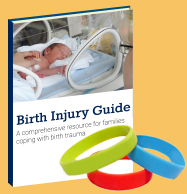
Birth injuries are at the root of many special needs diagnoses in children. Therefore, it’s a delight to introduce you to a new website, Birth Injury Guide, which is devoted to educating and supporting parents. Today’s guest post comes from Leigh Egan. She’s a writer who, as a mother, has a special interest in children’s issues. She researches and writes about health problems and cognitive behaviors that stem from birth trauma. In this post, she​ acquaints you with what’s available at the site.

Birth Injury Guide Dedicated to Comprehensive Information

Each year, thousands of babies are injured before, during, and shortly after childbirth. Unfortunately, even the smallest medical mistake can lead to a lifetime of health problems, and in some cases, permanent cognitive disabilities for injured infants.

As a result, a comprehensive site, Birth Injury Guide, was recently created as an in-depth, resourceful guide for people to learn more about birth injuries and the traumatic impact it can have, not only on babies, but family, friends, and loved ones. Here are a few of the most common types of birth injuries.

Brachial Plexus Injuries

The brachial plexus is a set of nerve fibers that run from the spine and throughout the neck, armpit, and arms. When the brachial plexus nerves are injured, weakness, pain, numbness, and even paralysis may occur.

During childbirth, and often during a difficult, stressful delivery, an infant’s brachial plexus is at risk for injury if a physician tugs or twists too forcefully when trying to pull the baby out. If birth-assisting tools are used incorrectly, such as forceps or a vacuum extraction tool, the risk of injury heightens even further. The two most typical brachial plexus injuries include:

  • Erb’s Palsy occurs when the brachial plexus nerves in the upper arm is damaged. Symptoms may include arm numbness, loss of sensory function, weakness in the affected arm, and full or partial paralysis.
  • Klumpke’s Palsy affects the muscles in the forearm and the hand of the affected area. Symptoms may include a claw-like appearance to the affected hand, limp or paralyzed arm on the affected side, lack of muscle control, and loss of feeling in the affected area.

Brain Injuries

Traumatic infant brain injuries happen to numerous babies each year. Brain injuries can occur for a variety of reasons, including oxygen deprivation during childbirth, untreated jaundice that leads to kernicterus (a rare type of brain damage marked by excessive bilirubin), physical trauma, and even maternal infections.

Symptoms of brain injuries will depend on how severe the damage is, and how the injury occurred. Generally, however, signs and symptoms may include development delays, abnormal temperament, and an usual physical appearance, such as a small skull, deformed facial features, and spinal cord abnormalities.

Bruises and Lacerations

Bruising is common during childbirth, and most infants will go on to heal without any problems. Lacerations, however, can lead to long-term medical problems, such as face nerve palsy, bone fractures, cervical cord injuries, and cephalhematoma. According to the National Institutes of Health (NIH), pregnant women who have cesarean section (C-section) deliveries are much more likely to have infants who sustain lacerations.

In addition, the Patient Safety Authority (PSA) states that a recent study indicates that 1.5 to 1.9% of babies born via C-sections experienced lacerations. A similar study by NIH, however, shows that fetal lacerations occur at least 3% of all pregnancies.

How We Can Help

Along with extensive resources and information on birth injuries, Birth Injury Guide provides comprehensive details treatment options, financial resources, state programs and assistance for disabled children, and much more. In addition, we have medical experts and assistants available to help people with any questions or concerns about their baby’s injuries.

For more information, we invite you to visit BirthInjuryGuide.org. You can also find us on Twitter and Facebook.

Do You Have Birth Injury Experience?

Do you have a child with a birth injury? If so, Different Dream and Birth Injury Guide would love to hear from you. Leave your questions or story in the comment box.

Do you like what you see at DifferentDream.com? You can receive more great content by subscribing to the quarterly Different Dream newsletter and signing up for the daily RSS feed delivered to your email inbox. You can sign up for the first in the pop up box and the second at the bottom of this page.

By

Author Jolene Philo

Archives

Categories

Subscribe for Updates from Jolene

Related Posts

4 Things Parents of Kids with Autism Have in Common

4 Things Parents of Kids with Autism Have in Common

4 Things Parents of Kids with Autism Have in Common

 Photo Source: Hero Network

Today, I’m pleased to introduce you to guest blogger Ruth Stieff. Among other things, she’s an ABA therapist and the owner of One Piece LLC. She’s also the parent of a young adult son who lives with autism, and a friend of mine. She’s here to share the common needs among the parents she serves.

4 Things Parents of Kids with Autism Have in Common

I spend my days with families who live with autism. This was not what I believed I would be doing at this stage of my life, but there are always surprises in this world. Almost 20 years ago, I gave birth to my third child, a son. I had no idea that he would be diagnosed with autism. I started down this road as a mom rather than an autism professional. My skills developed as I dealt with our family and the challenges it brought to my son specifically. Life can be very difficult for a family dealing with any type of special needs. I understand that since I have been living in that world for a long time.

Along the way, I have received training in a variety of areas related to autism. I have trained in applied behavioral analysis, social skills, communication, sensory integration, advocacy, and mental health. But when asked why a family would hire me instead of another provider, I answer, “Because I go home to this world at night. Many families want someone who ‘gets’ it. They also want someone who lives it.”

As I started a business a few years ago, one of my goals was help parents normalize family life. As I enter into a family’s world, there are a few things that I find.

  1. Parents are often overwhelmed and are looking for help. They don’t know where to start and are looking to me to develop a workable plan.
  2. Discouragement is seen in almost all the members of the family. Parents are exhausted and often feel like they are failing. The child with autism, many times, is overwhelmed and feels like giving up. The other children are often confused because things seem so different than what they experience with their friends families.
  3. There is a lack of confidence in everyone. The child with autism has not been very successful and doesn’t know that is a possibility. Other members of the family don’t know how to approach and work with the child on the autism spectrum and it seems to paralyze them from trying.
  4. A mom wants a person to talk to, someone who understands what she is going through. She longs for the emotional support of another women who has been through a similar experience. She needs a mentor mom.

I work with the child by modeling strategies in skill development. I am there to teach the child but also walk with the parents so that they can develop the structures in a home to normalize life for the long haul. Life is demanding with children but with a child(ren) with special needs it becomes extremely complicated. Families need support, encouragement, hope and skills. With these life can settle into a “new normal” that will enable parents to run the marathon called special needs parenting.

Other Things Parents of Kids with Autism Have in Common

Now that Ruth’s shared her four items for the list, now it’s your chance to add some more. Add your observations in the comment box. And then, stop by Connecting One Piece at a Time to learn more about Ruth and her work.

Do you like what you see at DifferentDream.com? You can receive more great content by subscribing to the quarterly Different Dream newsletter and signing up for the daily RSS feed delivered to your email inbox. You can sign up for the first in the pop up box and the second at the bottom of this page.

By

Ruth Stieff is a wife, mother and owner of One Piece LLC . She is passionate about helping children with learning differences make progress and helping parents normalize family life.

Author Jolene Philo

Archives

Categories

Subscribe for Updates from Jolene

Related Posts

Paper Clouds Apparel: A Special Needs Company

Paper Clouds Apparel: A Special Needs Company

Paper Clouds Apparel: A Special Needs Company

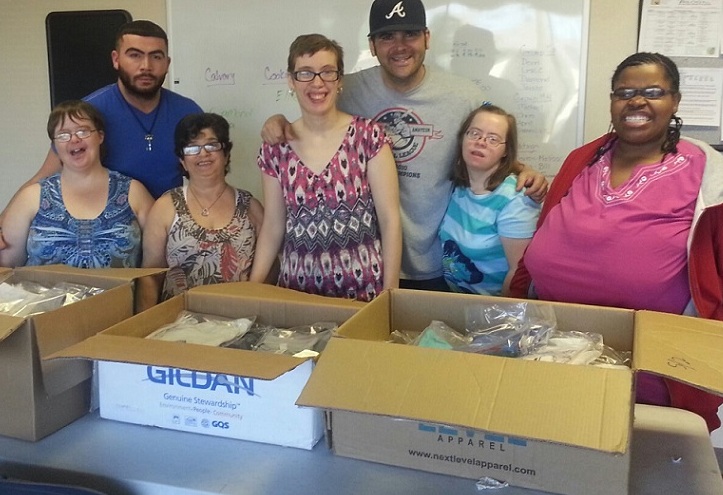
Today’s post comes from Robert Thornton. He’s here to share the story of how his company, Paper Clouds Apparel (PCA) came into being. I hope you’re as impressed by Thornton’s commitment to the special needs community as I am.

Paper Clouds Apparel: A Special Needs Company

Paper Clouds Apparel (PCA) all started back home when I was visiting my parents and spied a drawing on the fridge. When I asked Mom, a bus driver for children with special needs, about the drawing, she stated that a girl on her bus route draws on the ride to school and gives her artwork to my mother upon arriving at school. I spent that night mesmerized by this drawing, and the next morning I awoke thinking how cool that art would look on a shirt.

Paper Clouds Apparel Provides Jobs and Donations

That idea began a seven year journey to get Paper Clouds Apparel to the place where it is now. PCA takes art created by those with special needs, transfers it to our shirts, bags and hats and then sells those on our website www.papercloudsapparel.com. Every two weeks we feature a different special needs cause and donate 50% of the proceeds to that cause. In addition to the donation, PCA hires adults with special needs to fold and package all our shirts.

Paper Clouds Apparel Changes Lives

The journey hasn’t always easy. But when we receive letter from parents about how employment changed their child in a positive way, the long nights working 90 hours a week at two jobs to get the business started are totally worth it. We believe our business can change the world for those with special needs. We can give our artists and workers a huge self esteem boost and sense of pride seeing their art on our shirts being purchased by people.

Paper Clouds Apparel Needs Your Help

We raise funding for a lot of special needs causes that have had their funding cut dramatically by the government. Recent studies say anywhere from 80-93% of adults with special needs are unemployed. Our company creates jobs for hard working individuals with special needs. To make that happen, our mission needs to reach the masses. Could you help share our story? Please like us on Facebook, follow us on Twitter at @PaperCloudsPCA or place an order at our website.  Thank you so much!

Do you like what you see at DifferentDream.com? You can receive more great content by subscribing to the quarterly Different Dream newsletter and signing up for the daily RSS feed delivered to your email inbox. You can sign up for the first in the pop up box and the second at the bottom of this page.

By

Robert Thornton is the Founder and CEO of Paper Clouds Apparel.

Author Jolene Philo

Archives

Categories

Subscribe for Updates from Jolene

Related Posts

5 Marriage Tips for Parents of Kids with Special Needs

5 Marriage Tips for Parents of Kids with Special Needs

5 Marriage Tips for Parents of Kids with Special Needs

 Photo Credit: Salvatore Vuono at www.freedigitalphotos.net

How can parents of kids with special needs adequately care for both their children and their spouses? That’s a crucial and difficult question, one DifferentDream.com showcases periodically. A Washington Post article by Mari-Jane Williams does a good job of outlining the challenges raising kids with special needs brings to a marriage. It also offers parents 5 ways to care for their marriages.

Marriage Challenges for Parents of Kids with Special Needs

Williams lists the following challenges parents face:

  • exhaustion
  • worry and anxiety
  • advocacy
  • financial demands
  • time demands

Any of those strike a chord with you?

5 Ways for Care for Marriage

The author then suggests these 5 ways parents can care for their marriages:

  1. Do not just become “parent-partners.” Talk about more than your kids. Connect about other topics, too.
  2. Embrace your differences with your partner. Parents have different expectations and grieve differently, too. Don’t just tolerate your spouse’s differences, embrace them.
  3. Be proactive when marital resentments build. Talk about problems sooner than later before you become angry.
  4. Get creative when it comes to romance. If date nights away aren’t doable, look for creative ways to be romantic at home.
  5. Appreciate each other’s efforts. Share responsibilities and give credit for each other’s efforts to make you feel more like a team.

To read everything Williams has to say, click on over to her article, How to Take Care of your Marriage When You Have a Child with Special Needs. You might also want to read these previous DifferentDream.com posts about marriage:

What’s Your Best Advice?

What have you and your spouse done to care for your marriage? Leave a comment to share your wisdom.

Do you like what you see at DifferentDream.com? You can receive more great content by subscribing to the quarterly Different Dream newsletter and signing up for the daily RSS feed delivered to your email inbox. You can sign up for the first in the pop-up box and the second at the bottom of this page.

By

Kimberly grew up and went to college in the small town of Upland, IN. She graduated from Taylor University with a degree in Elementary Education in 2002. While at TU, she married her college sweetheart and so began their adventure! Ryan and Kimberly have four amazing kids on earth (Abigail, Jayden, Ellie, and Cooper), and a baby boy waiting for them in heaven. Their daughter Abigail (Abbey) has multiple disabilities including cerebral palsy, a seizure disorder, hearing loss, microcephaly, and oral dysphagia. She is the inspiration behind Kimberly’s desire to write. In addition to being a stay-at-home mom, Kimberly has been serving alongside her husband in full time youth ministry for almost fourteen years. She enjoys working with the senior high girls, scrapbooking, reading, and music. You can visit Kimberly at her website, Promises and Perspective.

Author Jolene Philo

Archives

Categories

Subscribe for Updates from Jolene

Related Posts