by jphilo | Oct 7, 2013 | Books and Resources, Different Dream, PTSD
Trauma Protection for Kids with Special Needs
Trauma is part of life. The first day of school, moving, parents separating, the loss of a loved one. Those events seem like little bumps to us, but to kids they can be traumatic. Kids with special needs often deal with bigger traumas like medical interventions, bullying, and feeling different from classmates.
Trauma Protection Using the Whole Brain Perspective
The folks at ConnectedFamilies.org offer sound advice about how parents can protect their kids from trauma. Lynn Jackson suggests employing the whole brain perspective with their children. She explains how to help kids use all three parts of their brains to process trauma.
- Left brain—language and logic: Explain to your child the facts of what’s going on—how to understand exactly what happened in the past, and/or what to anticipate in the future.
- Right brain—emotions: Once you’ve talked about the facts, help your child give words to the feelings that they’re feeling about the situation.
- Frontal lobe—planning: Help your child make a plan for what to do when they feel those feelings and encounter whatever is ahead.
Jackson puts it this way “From this launching point of facts, feelings, plan, you can use whatever difficulties your child is facing to help build in them an identity as one who perseveres, who overcomes tough stuff.”
To read more about the whole brain perspective and to hear Lyn explain how to use it, check out Helping Kids Deal with Trauma. You’ll find the video there, too.
How Do You Protect Your Kids from Trauma?
What kind of trauma has your child experienced? What advice do you have for other parents? What worked? What didn’t work? And remember, if your child continues to exhibit traumatized behavior, you may need to seek professional help. Our son found healing at Intensive Trauma Therapy, Inc. (ITT) To learn more about the clinic, visit www.traumatherapy.us.
Do you like what you see at DifferentDream.com? You can receive more great content by subscribing to the quarterly Different Dream newsletter and signing up for the daily RSS feed delivered to your email inbox. You can sign up for the first in the pop-up box and the second at the bottom of this page.
Photo Credit: www.freedigitalphotos.net
Subscribe for Updates from Jolene

by jphilo | Feb 25, 2013 | Books and Resources, Different Dream, PTSD
Childhood Depression: What Are the Signs?
Childhood depression is a real and growing concern in modern culture. As parents, we sometimes ignore signs of depression in our kids because we don’t want to believe mental illness can affect them. But rates of childhood depression in our country are growing, and we must not ignore the trend.
Childhood Depression Hits Younger
Not only are more children being diagnosed with depression, they are being diagnosed at younger ages than ever before. In a blog post at her website, Dr. Michele Borba, author and educational psychologist, cited an article in the Journal of the Association for Psychological Science, Current Directions in Psychological Science. In the article, child psychiatrist and researcher, Joan Luby from Washington University in St. Louis reports recent findings about depression in young children. Luby said that “depression in children as young as three years of age is real and not just a passing grumpy mood.”
How to Recognize Childhood Depression
The remainder of Dr. Borba’s blog post describes symptoms of depression at different stages of childhood. Here are some highlights.
Depression in a Preschooler
- Loss of pleasure in play
- Frequent stomachaches, headaches, and fatigue
- Excessive restlessness
- Low tolerance for frustration
- Frequent sadness
Depression in a School-Age Child
- Sleep pattern changes
- Excessive weight loss or gain
- Excessive worrying
- Unprovoked hostility or aggression
- Refusal or reluctance to attend school
- Loss of interest in playing with peers
Depression in Adolescents
- Sleeping longer
- Abusing drugs, alcohol or smoking
- Conduct problems in school
- Loss of enjoyment of previously enjoyable activities
- Self-destructive behavior
- Doesn’t attend to appearance
- Morbid or suicidal thoughts
Borba advises using the “too index” to decide when parents should seek professional help. That index and other signs of depression in kids can be found in Borba’s blog post, Childhood Depression: Signs in Preschoolers, Kids & Teens.
Childhood Depression and You?
Has a child at your house been diagnosed with depression? What symptoms did you see? When did you decide to get help? Leave a comment to raise awareness so children can receive early and effective treatment for this illness.
photo credit: freedigitalphotos.net
Do you like what you see at DifferentDream.com? You can receive more great content by subscribing to the quarterly Different Dream newsletter and signing up for the daily RSS feed delivered to your email inbox. You can sign up for the first in the pop up box and the second at the bottom of this page.
Subscribe for Updates from Jolene

by jphilo | Apr 30, 2010 | Books and Resources, Different Dream, PTSD
When most people think of post-traumatic stress disorder (PTSD), they think of returning war veterans. If they think of PTSD in kids at all, it is associated with children in war zones or kids who are victims of sexual or physical abuse. But new research shows that the crippling mental health effects of PTSD can also be caused by medical procedures, divorce, adoption, and natural disasters.
National Institute of Mental Health
The National Institute of Mental Health’s website provides a wealth of information about PTSD in kids. You could spend an afternoon at the site and not get through everything it offers. Many of the brochures and articles can be downloaded from the website or ordered by phone.
National Child Traumatic Stress Network Brochure
One of the most informative and readable publications is the brochure put out by the National Child Traumatic Stress Network (NCTSN). It can be downloaded at the website. Because finding it at the site takes quite a bit of time, you can also download it here:
NCTSN Brochure
If your child has endured medical trauma, you should download the brochure and visit the website for more information. While they don’t address medical trauma specifically, what you learn there could be a first step in restoring your child’s emotional and mental health.
Do you like what you see at DifferentDream.com? You can receive more great content by subscribing to the quarterly Different Dream newsletter and signing up for the daily RSS feed delivered to your email inbox. You can sign up for the first in the pop up box and the second at the bottom of this page.
by jphilo | Mar 17, 2010 | Books and Resources, Different Dream, PTSD
If you’re the foster or adoptive parent of a child with special needs, thank you for opening your home to the most vulnerable and needy members of our society. Many of those children endured severe trauma before arriving in your safe and loving homes. And you, though not the cause of the trauma, deal with its effects every day.
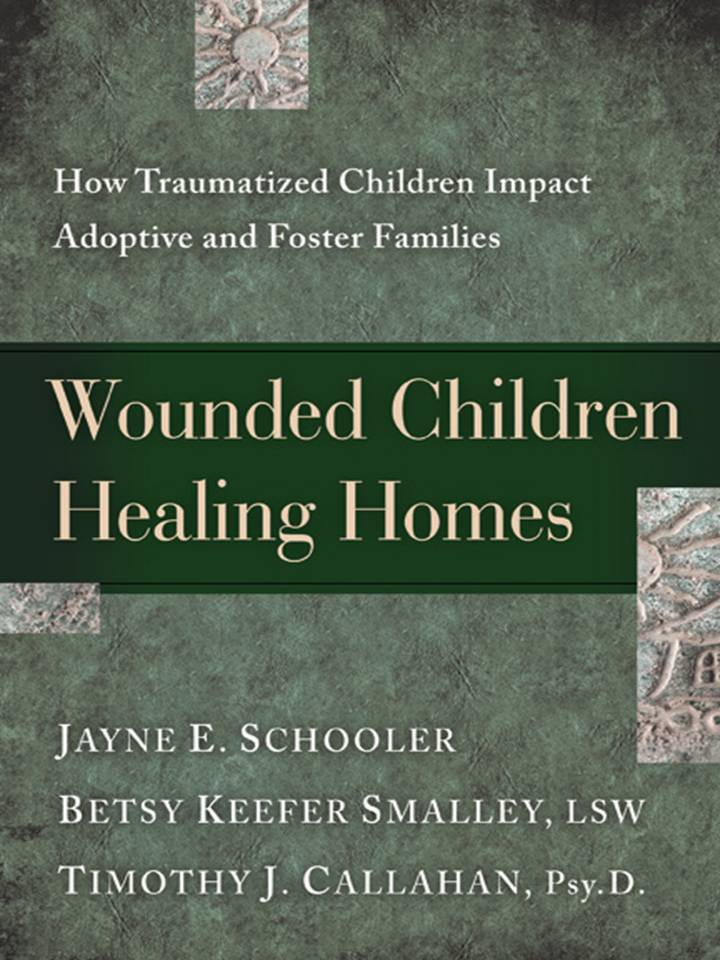
Wounded Children, Healing Homes
You need much more than thanks and applause as you parent your kids. Your children need professional therapy and counseling in order to heal. You need practical support, encouragement and access to professional help to survive. You will learn about all those things in Wounded Children, Healing Homes: How Traumatized Children Impact Adoptive and Foster Families, released by Nav Press in January of 2010.
The book is co-authored by Jayne E. Schooler; Betsy Keefer Smalley, LSW; and Timothy J. Callahan, PSYD, with other chapters contributed by Elizabeth A. Tracy, Debra L. Shrier, and Grace Harris.
Help for Parents, Families and School
The book is divided into five parts. The first section is an introduction and the remaining parts are:
- Understanding Trauma and Its Impact on the Family
- Inside the Crisis of Adoption Breakdown
- The Child, the Family, and School
- Strategies for Successfully Parenting Traumatized Children
The final section is followed by two appendices. The first is titled Assessing Attachment-Readiness and Capabilities in Prospective Adoptive Parents. The second is Building a Support System and Finding Resources.
A Road Map, Not a Cure
The information in the book is more of a road map than cure for families living with deeply traumatized children. It gives parents strategies for creating safe, loving environments where children will gradually heal. It is realistic about the challenges involved, the effects on the family, the strain such children place on a marriage. But it also gives hope, provides resources, and acknowledges the reality of failure in some cases.
If you are an adoptive or foster parent caring for a deeply traumatized child, you should read this book. It not only provides information and strategies, but also explains why traumatized kids act like they do and how parents typically respond to them. What reassurance these words can be to parents dealing with difficult behaviors day after day.
After you read Wounded Children, Healing Homes, come back and leave a comment about what you read.
Do you like what you see at DifferentDream.com? You can receive more great content by subscribing to the quarterly Different Dream newsletter and signing up for the daily RSS feed delivered to your email inbox. You can sign up for the first in the pop up box and the second at the bottom of this page.
by jphilo | Nov 25, 2009 | Books and Resources, Different Dream, PTSD
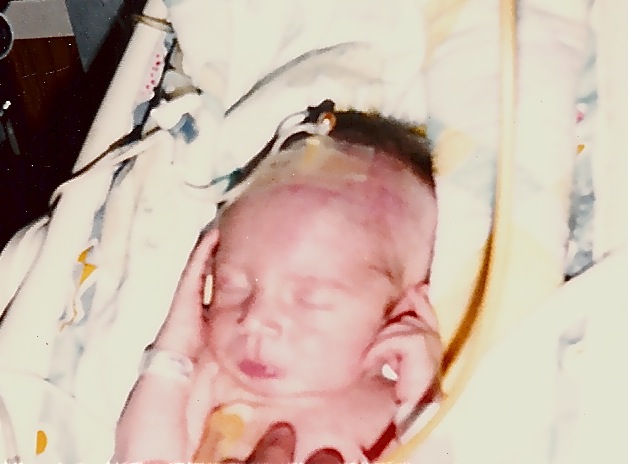
For the past few weeks, National Public Radio (NPR) has been airing a series called The Impact of War. While listening to several episodes that described the symptoms of PTSD in returning vets, the similarities to our son Allen’s PTSD symptoms (caused by early, repeated medical traumas from 1982 – 1986) were striking.
An Interview with General Eric Shinseki
In a November 13 interview with retired General Eric Shinseki, who is head of the Department of Veterans Affairs, he talked about an encounter with veterans during a recent speaking engagement. When he asked if any of them suffered from PTSD, no one said anything. So he asked the following questions:
- How many of you have a little trouble sleeping at night?
- Are you overly vigilant for threats in your own homes?
- Have you been having anger management problems?
Then, Shinseki said, “And then hands go up.”
The Sand Storm: Stories from the Front
In a November 14 episode, a clinical psychiatrist named Judith Broder describes her reaction to The Sand Storm: Stories from the Front, which was written by a Marine and featured monologues of those who served in Iraq and Afghanistan.
“The most horrifying aspect of it was the sense that I got that these were really just ordinary everyday guys, and they had seen things and done things that just shattered their whole sense of themselves,” says Broder. “And that they would all need help.” Broder has since started a program to help veterans recover from PTSD.
PTSD in Medically Traumatized Children
What General Shinseki and Broder said described Allen before he was treated for PTSD. For years, our son displayed the symptoms Shinseki mentioned. And as Broder said, he needed help. Thankfully he found help last December at Intensive Trauma Therapy, Inc., an outpatient clinic in Morganstown, West Virginia.
But Allen isn’t the only person struggling with PTSD caused by medical trauma at a young age. If you have a child exhibiting the symptoms above, and you suspect they are related to some sort of trauma (which can include the death of a loved one, divorce, a difficult move, sexual abuse, physical abuse, medical trauma or adoption) go to their website to learn more. Your child doesn’t need to suffer any more. Life-changing treatment is available that doesn’t require drugs or hospitalization in most cases.
After treatment, Allen turned to me and said, “Mom, I have my life back.”
Those were the sweetest words he’d ever spoken. I hope that one day, your child who is suffering from PTSD will say the same words to you.
Do you like what you see at DifferentDream.com? You can receive more great content by subscribing to the quarterly Different Dream newsletter and signing up for the daily RSS feed delivered to your email inbox. You can sign up for the first in the pop up box and the second at the bottom of this page.