The Hope Anew Disability Podcast

The Hope Anew Disability Podcast

The Hope Anew Disability Podcast

The Hope Anew Disability Podcast is the latest offering from guest blogger Jonathan McGuire and his wife Sarah. In this post, he explains who the podcast is for and what it offers. The McGuires hostedĀ Different Dream’s Jolene Philo as their guest on April 1, and you can listen to that episode by clicking here.

Where are you at in this journey in disability and special needs? Are you the parent who is still searching for answers and trying to wrap your mind around this new diagnosis that has been given to your child? Maybe you’re overwhelmed with the day to day, the doctor appointments, the emotions that you are struggling with and the pain that you see your child in. The Hope Anew Disability Podcast is for you.

Maybe you are the parent whose child is aging out of the system and you don’t know what lies ahead. Your friend’s children are going off to college and launching into their new lives, while you are trying to figure out what is next or who will take care of your child after you are gone.Ā The Hope Anew Disability Podcast is for you.

Or are you the grandparent? You want to be able to come alongside your children more and support them but you don’t know how. Your grandchild eats a special diet, relies on special medical equipment that you don’t understand or maybe it is difficult for you to care for them because of challenging behaviors over which they have no control. You see that your children need a break, but you don’t know what to do.Ā The Hope Anew Disability Podcast is for you.

Sarah and I began our journey in disability 12 years ago with the birth of our youngest son. He was allergic to all food except sweet potato and on the severe end of the autism spectrum. Our journey likely has looked different than yours, but we have probably wrestled through many similar struggles. This journey can be isolating. It can be overwhelming, and you can feel like you are completely alone. I used to tell people that I could have lived in the jungle in Papua New Guinea or in the middle of Fort Worth and felt just as isolated.

To break that isolation, we would like to invite you into our home. The first Monday of every month we sit down with families and professionals who have been on this journey, hear their stories, and learn from their experience. During our conversations on the Hope Anew Podcast, you will hear how they find purpose in the pain and seen beauty in the journey. During this time you will be encouraged. You will feel like there are others who get it, and you won’t feel quite so alone. You will experience hope, learn to build a different dream, and be better equipped for the journey ahead of you.

You can join these monthly chats by searching iTunes for the Hope Anew Disability Podcast or by going to the Hope Anew website. We would love to hear from you about a specific topic you would like us to discuss in our monthly conversations and to hear your suggestions about who to interview.

Do you like what you see at DifferentDream.com? You can receive more great content by subscribing to the monthly Different Dream newsletter and signing up for the daily RSS feed delivered to your email inbox. You can sign up for both at the bottom of this page.

By

Jonathan McGuire is married to Sarah and they have 2 wonderful boys. They are located in NortheastĀ  Indiana.Ā Jonathan and Sarah are the founders of Hope Anew, a nonprofit that comes alongside the parents of children with additional needs on spiritual and emotional level. You can follow Hope Anew on their Facebook page.

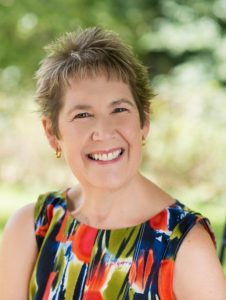
Author Jolene Philo
Archives

Categories

Subscribe for Updates from Jolene

Related Posts

More Than Words: The Freedom to Thrive After Trauma

More Than Words: The Freedom to Thrive After Trauma

More Than Words: The Freedom to Thrive After Trauma

Today I am pleased to introduce Different Dream readers to Margaret Vasquez, a gifted mental health care therapist and author of More Than Words: The Freedom to Thrive After Trauma. In her post, she explains why she wrote the book and provides a glimpse into the precepts foundational to the healing work she does children and adults living with trauma.

With the release of my book in the summer of 2018, I’ve been asked why I decided to write it. The answer is quite simple. It was in response to the continual request for my book over the last 12 years. Back at the end of 2010, I was the guest trauma expert on a week-long series of television shows and over the years since have been a radio guest numerous times. I’ve presented to clinicians, foster and adoptive parents, survivor support groups, school in-services, and churches. The case studies I use to explain trauma, its effects and treatment have been useful to viewers, listeners, attendees and clients have found useful. More Than Words: The Freedom to Thrive After TraumaĀ is a way to pass the information on to others.Ā 

ironically, I had writer’s block that was connected to a difficult experience of my own. As I pressed into the task, starting, stopping and restarting many times, I finally realized that I was stuck in the message of my past experience.Ā Once day, I asked for help from a therapist trained according to the method of treatment we practice at Thrive. The very next day, writing was a completely different experience. The rest of the manuscript flowed.

I’m dyslexic and have a difficult time reading. The difficulty is compounded if the book is dry and academic. Books that are written in a more conversational style keep me more engaged and make reading easier. That’s the voice from which I wroteĀ More Than Words. Trauma is certainly not a light topic, but I wanted to keep the presentation of it as light as possible. I also have a much easier time retaining principles when I learn them via stories. This is why I used so many real life stories to explain what could otherwise be cumbersome material.Ā 

If you’re just looking for an interesting read, I hope you enjoy More Than Words. If you want to become more equipped as a helper, loved one, or parent of someone who has been traumatized, I hope you find the book informative and helpful. If you have been through trauma, I hope it helps you to see that there is more for you than surviving. You were born to THRIVE!


Do you like what you see at DifferentDream.com? You can receive more great content by subscribing to the quarterly Different Dream newsletter and signing up for the daily RSS feed delivered to your email inbox. You can sign up for the first in the pop up box and the second at the bottom of this page.

By

Margaret Mary Vasquez is a licensed professional clinical counselor in Ohio, a certified trauma therapist, and a certified intensive trauma therapy instructor. The founder of THRIVE Trauma Recovery and THRIVE Training Institute, Vasquez developed the Neuro-Reformatting and Integration Model for effective treatment of trauma of all kinds. She currently blogs at Culture of Connection.

Author Jolene Philo

Archives

Categories

Subscribe for Updates from Jolene

Related Posts

Why Anxiety Makes Attending Church Difficult

Why Anxiety Makes Attending Church Difficult

Why Anxiety Makes Attending Church Difficult

Different Dream welcomes Dr. Stephen Grcevich as today’s guest blogger. He’s the founder and director of Key Ministry and author of Mental Health and the Church: A Ministry Handbook for Including Children and Adults with ADHD, Anxiety, Mood Disorders, and Other Common Mental Health Conditions recently released by Zondervan.

Why Anxiety Makes Attending Church Difficult

For the past two years our Key Ministry team has been working on a ministry model for churches looking to welcome and include children, adults and families impacted by mental illness. An important takeaway for pastors and ministry leaders exploring our model is that kids and adults with common mental health conditions may function reasonably well at school or work but experience significant disability when seeking to participate in another important life activity – church!

One very common mental health condition that often makes church attendance difficult is anxiety.Ā Anxiety is a normal and healthy response to future threats. Someone with an identified anxiety disorder experiences excessive and persistent anxiety or fear inappropriate for their level of maturity that significantly interferes with tasks of daily living. Neuroimaging studies have demonstrated that persons with anxiety have a biological predisposition to overestimate the level of risk associated with new or unfamiliar situations. TheyĀ often hold wildly inaccurate perceptions—some conscious, some unconscious—of the impressions they make on others and the judgments that others make about them.

One in fifteen adults in the U.S. experience social anxiety disorder at any given time. Imagine yourself as a parent with social anxiety looking for a church for your family. Let’s consider some of the “What if” questions likely to flood that parent’s mind as they contemplate visiting a new church for the first time…

  • What if people stare at us when we arrive because we’re dressed differently than everyone else?
  • What if I make a fool of myself with the people who greet new visitors?
  • What if the folks at Sunday school ask me where my spouse is?
  • What if they expect me to get up during the service and introduce myself to people I don’t know?
  • Worse yet, what if they hand me a microphone and ask me to introduce myself to everyone in the church at one time? Or call me down to the front and pray over me?
  • What if they expect me to join a small group and share my deep, dark secrets with a bunch of people I barely know?

Other anxiety disorders also present major challenges to church participation.

Children and adults with panic disorder experience brief, recurrent, unanticipated episodes of intense fear, accompanied by a characteristic set of physical symptoms, a sense of impending doom, and the urge to flee the place where they experience symptoms. Agoraphobia is a closely related condition in which intense symptoms of anxiety occur in situations experienced as unsafe with no easy way to escape. The absence of an aisle seat at church located near an exit allowing for an unobtrusive escape may be sufficient to trigger an attack for someone with panic disorder.

Children and teens with separation anxiety disorder typically experience excessive fear or distress when away from home or significant attachment figures, usually parents. Church activities in which children and parents are served in different physical locations out of one another’s sight may result in heightened anxiety, manifested by tearfulness, anger, or irritability. Overnight retreats and mission trips often cause intense anxiety for older children and teens unless they’re accompanied by a parent.

Children and adults with obsessivecompulsive disorder (OCD) experience recurrent, intrusive thoughts or compulsive, recurrent, repetitive behaviors associated with significant mental distress. They may struggle with perfectionism or making decisions. Someone with OCD accompanied by contamination fears may go to great lengths at church to avoid physical contact with other worshipers or with objects or furniture.

Full participation in the church often requires vulnerability, social risk, and change—all of which can be incredibly challenging for those with anxiety. There are steps churches can take to help persons with anxiety overcome those challenges. Here are just a few…

  • Consider designating a staff person or volunteer as aĀ mental health liaison—a primary contact person for church members and visitors who might require assistance before or during an initial visit or benefit from accommodations in church activities they find challenging. Persons with anxiety may experience less frustration and distress in navigating church systems through interacting by phone, email, or text withĀ oneĀ sympathetic staff member or volunteer who functions as an advocate.
  • Your church might reserve seats for persons with anxiety at the ends of rows and near exits while providing guests an unobtrusive method of signaling their need for the seats.
  • Enlist the help of your church’s communication team.Ā Churches can help ease anxiety through sharing lots of pictures and videos on websites and social media platforms to help prospective visitors know exactly what they can expect at a weekend worship service or any ministry activity.

Church leaders can demonstrate Christ’s love for persons with anxiety by graciously helping them enterĀ our ministry environments and providing them with necessary supports that Ā grow spiritually alongside their friends and neighbors in the church.

Do you like what you see at DifferentDream.com? You can receive more great content by subscribing to the quarterly Different Dream newsletter and signing up for the daily RSS feed delivered to your email inbox. You can sign up for the first in the pop up box and the second at the bottom of this page.

By

Dr. Stephen Grcevich is the founder and President of Key Ministry and author of Mental Health and the Church. HeĀ is a child and adolescent psychiatrist who combines over 25 years of clinical practice and teaching with extensive research experience evaluating medications prescribed to children and teens for ADHD, anxiety, and depression. Dr. Grcevich has presented at over 35 national and international medical conferences and is a past recipient of the Exemplary Psychiatrist Award from the National Alliance on Mental Illness (NAMI). He blogs atĀ Church4EveryChildĀ and speaks at national and international ministry conferences on mental health and spiritual development.

Author Jolene Philo

Archives

Categories

Subscribe for Updates from Jolene

Related Posts

Effective Trauma Treatment for Nonverbal Children

Effective Trauma Treatment for Nonverbal Children

Effective Trauma Treatment for Nonverbal Children

Effective trauma treatment for nonverbal children doesn’t get talked about much (no pun intended), as I discovered recently during a Facebook group discussion.

A group member posed a question about trauma treatment for nonverbal children, and I passed it along to the group. Imagine my surprise when only one person had any suggestions. I reposted a question a week later in case anyone missed it the first time. A few parents said they hadn’t responded earlier because their children were verbal. But nobody added anything new to the discussion.

Resources about Trauma Treatment for Nonverbal Children

Our combined lack of knowledge has niggled at me ever since. So I did a little research on the subject and am passing what I found on to you.

  • The resource mentioned in the Facebook group was about a therapy called neurological reorganization. Here’s the website for Bette Lamont, the therapist who helped the Facebook member and her family. I’m not familiar with this treatment method and am not endorsing the therapy or therapist. Be sure to thoroughly research the method and therapists before pursuing either.
  • The National Child Traumatic Stress Network (NCTSN) has created a fact sheet about empirically supported treatments and promising practices they’ve developed and implemented. The NCTSN is a leader in the field and highly respected. The fact sheet page at their website lists several treatment methods that can be used with children from birth onward. Since babies are considered “nonverbal” from birth to age 3, my assumption is that those methods could be used with older nonverbal children, too.
  • Another resource that might be helpful is Bessel van der Kolk’s amazing book The Body Keeps the Score. In it he clearly describes dozens of trauma treatment methods and their effectiveness. The information in the book provides many treatments parents can research and pursue on behalf of their children.

What Can You Add about Trauma Treatment Methods for Nonverbal Children?

If only I had more to pass along to you about trauma treatment methods for nonverbal children. I don’t, but perhaps you do. Please share what you know in the comment box. Perhaps your information will help nonverbal, traumatized children get the therapy they need!

Do you like what you see at DifferentDream.com? You can receive more great content by subscribing to the quarterly Different Dream newsletter and signing up for the daily RSS feed delivered to your email inbox. You can sign up for the first in the pop up box and the second at the bottom of this page.

By

Jolene Philo is a published author, speaker, wife, and mother of a son with special needs.

Author Jolene Philo

Archives

Categories

Subscribe for Updates from Jolene

Related Posts

Grief Support for Children Can Prevent PTSD

Grief Support for Children Can Prevent PTSD

Grief Support for Children Can Prevent PTSD

June is PTSD Awareness Month. Throughout the month, Different Dream is raising awareness with a variety of posts about PTSD in children and parents of children with special needs. Today’s post looks at one way to prevent PTSD in children experiencing traumatic grief due to the loss of a loved one.

Grief Support for Children Can Prevent PTSD

The loss of a loved one can be very traumatic for children. Children need support from adults to process the traumatic grief they feel or the unresolved trauma can develop into PTSD. Unfortunately, the people closest to the child are also grieving, fragile, and unequipped for the task. That’s the bad news.

The good news is that organizations exist around the country to help children process their grief and support parents as they support their children. National Public Radio’s This American Life ran a story on May 15, 2015 about one such organization called The Sharing Place. The Sharing Place is located in Salt Lake City, but their website offers a wealth of links to other grief support for children resources.

The radio story about grief support for children is the third act of This American Life Episode 557. It’s about 20 minutes long and worth your time to listen, though not necessarily an easy listen. You will learn so much!

What Do You Know about Grief Support for Children?

Are you the parent of a child who has sought grief support for children after a traumatic loss? What was your experience? What resources do you recommend? What warnings can you offer? Share your hard-earned wisdom in the comment box if you wish…and I am so sorry for the loss that qualifies you to answer these questions.

Do you like what you see at DifferentDream.com? You can receive more great content by subscribing to the quarterly Different Dream newsletter and signing up for the daily RSS feed delivered to your email inbox. You can sign up for the first in the pop up box and the second at the bottom of this page.

By

Jolene Philo is the author of theĀ Different DreamĀ series for parents of kids with special needs. She speaks at parenting and special needs conferences around the country. She’s also the creator and host of theĀ Different Dream website.Ā Sharing Love Abundantly With Special Needs Families: The 5 Love LanguagesĀ® for Parents RaisingĀ Children with Disabilities, which she co-authored with Dr. Gary Chapman, was released in August of 2019 and is available at local bookstores, their bookstore website, andĀ at Amazon.

Author Jolene Philo

Archives

Categories

Subscribe for Updates from Jolene

Related Posts

Why Special Needs Parents with PTSD Should Watch Inside Out

Why Special Needs Parents with PTSD Should Watch Inside Out

Why Special Needs Parents with PTSD Should Watch Inside Out

Welcome to another installment in Different Dream’s ongoing series about special needs parents with PTSD. (Links to the entire series can be found at the bottom of the page.) In this post, we’re shelving the heavy stuff for a little while and going to the movies for a change. You can thank my son-in-law, who lives with and manages his PTSD very successfully, for showing me the trailer for Disney’s new movie, Inside Out. Before the 2 minute 30 second trailer was finished, I was composing this post in my head.
Now, you may be wondering what a Disney movie has to do with special needs parents with PTSD. Though I’ve only watched the trailer and poked around at the official website a bit (the movie comes out June 19, 2015), I can think of at least 3 reasons special needs parents with PTSD should be in line when the movie releases…and perhaps purchase the DVD.


#1 Special Needs Parents with PTSD Should Meet the Little Voices in Their Heads

In case you didn’t notice, “Meet the little voices inside your head” is the movie’s tagline.Ā  When the movie promotion began, the tagline is what caught my son-in-law’s ears. And my daughter’s. And mine. Because one of the main goals at the clinic where my son-in-law was treated is to help clients identify the voices inside their heads and then learn to manage them as an integrated, whole person. Intensive Trauma Therapy, Inc. calls this aspect of treatment “parts work” instead ofĀ  “tiny voices.” The “parts” are bits of a person that become stuck in the emotions trapped inside their heads during a traumatic event.Ā  Inside Out isn’t treatment, but it can make special needs parents with PTSD more aware of what’s happening inside their heads.


#2 Special Needs Parents with PTSD Should Know They Are Not Alone

The main character in this movie isn’t a special needs parents or a child with special needs. The main character is a little girl going through a rough patch growing up, as this summary shows:

Growing up can be a bumpy road, and it’s no exception for Riley, who is uprooted from her Midwest life when her father starts a new job in San Francisco. Like all of us, Riley is guided by her emotions – Joy (Amy Poehler), Fear (Bill Hader), Anger (Lewis Black), Disgust (Mindy Kaling), and Sadness (Phyllis Smith). The emotions live in Headquarters, the control center inside Riley’s mind, where they help advise her through everyday life. As Riley and her emotions struggle to adjust to a new life in San Francisco, turmoil ensues in Headquarters. Although Joy, Riley’s main and most important emotion, tries to keep things positive, the emotions conflict on how best to navigate a new city, house and school.

Kids who don’t have good support systems are more likely to be traumatized by rough patches in childhood than those who do. The same can be said for special needs parents who don’t have support systems. Or who experience repeated traumas as they care for their kids and make difficult decisions about care and treatments. Inside Out shows that all of us experience trauma. We are not alone in the constant struggle to manage our emotions and move forward when life is hard.

#3 Special Needs Parents Should Laugh More

As was mentioned earlier, trauma and PTSD are heavy subjects. Many special needs parents with PTSD live in this place day after day and find it hard to laugh. But if the trailer is any indication, Inside Out will make us laugh and learn and find hope. Take a look and see what you think?

Inside Out Trailer

So, are you laughing yet? Do you plan on going to the movie? Once you’ve seen in, stop by and leave a comment. I’d love to hear what you think about it.


Do you like what you see at DifferentDream.com? You can receive more great content by subscribing to the quarterly Different Dream newsletter and signing up for the daily RSS feed delivered to your email inbox. You can sign up for the first in the pop up box and the second at the bottom of this page.

By

Jolene Philo is the author of theĀ Different DreamĀ series for parents of kids with special needs. She speaks at parenting and special needs conferences around the country. She’s also the creator and host of theĀ Different Dream website.Ā Sharing Love Abundantly With Special Needs Families: The 5 Love LanguagesĀ® for Parents RaisingĀ Children with Disabilities, which she co-authored with Dr. Gary Chapman, was released in August of 2019 and is available at local bookstores, their bookstore website, andĀ at Amazon.

Author Jolene Philo

Archives

Categories

Subscribe for Updates from Jolene

Related Posts