How to Build a Thriving Marriage as You Care for Children with Special Needs

How to Build a Thriving Marriage as You Care for Children with Special Needs

How to Build a Thriving Marriage as You Care for Children with Special Needs

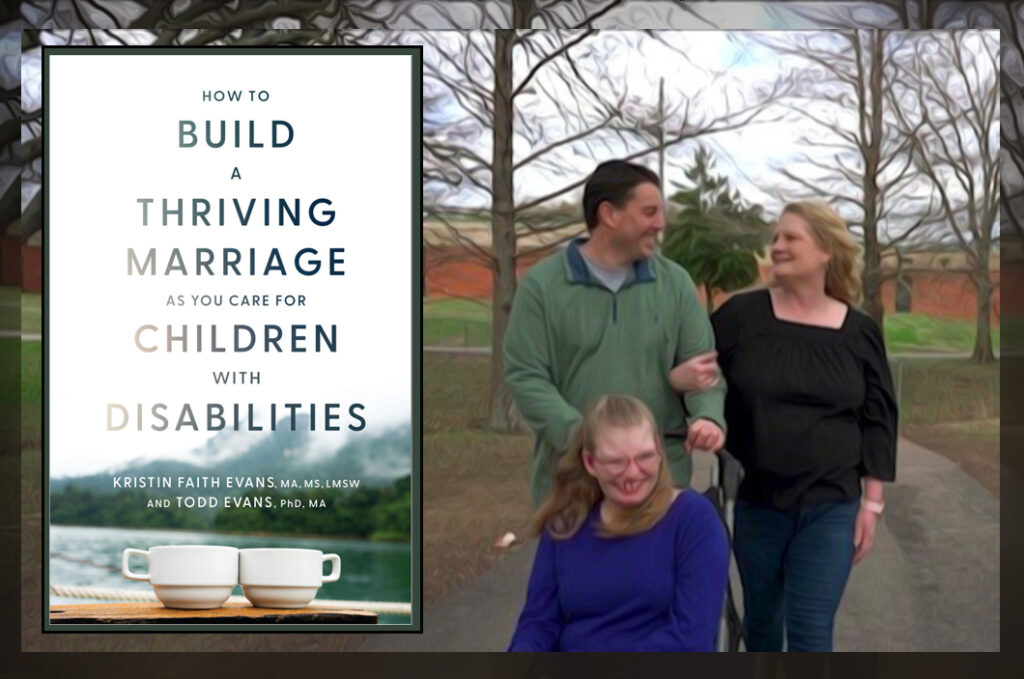
Todd and Kristin Evans know that tending to marriage while raising a child with disabilities can be challenging. About 12 years ago after their medically fragile daughter arrived, they decided to give their marriage one more shot before admitting defeat. In their new book How to Build a Thriving Marriage as You Care for Children with Disabilities, they invite parents to join them on a journey toward wholeness in marriage, parenting, and faith.

Early in our marriage, we discovered building a strong marriage can be difficult. But when our medically complex daughter was born, we began to face even more obstacles to staying connected. We learned the hard way that when special needs parents are not intentional, their marriage may be headed toward disaster. We’re sharing three challenges you may also be experiencing and simple ways you can grow a thriving marriage while parenting your child with special needs.

  1. Commit to a check-in time every day.

As special needs parents, you likely have more to discuss and more serious decisions to make than the average couple. Intense conversations about your child’s needs can easily push out time to engage in more intimate conversations.

Research shows when special needs parents set a consistent ten-minute check-in time every day, their marriages grow stronger. To ensure you have time to connect on a deeper level, agree on a specific time each day that you can set aside all distractions to focus one another. This might be talking on the phone or video chatting over lunch or after the kids are in bed. When you both commit to honoring this time, you will begin to feel more cared for and look forward to those moments. Guard this time and make it a priority.

  1. Regularly manage stress individually and as a couple.

As special needs parents, you likely experience intense daily stress. When your bodies remain in a chronic state of stress, your emotional and mental health can suffer, you can begin to experience physical symptoms, your marriage relationship can become strained, and your physical intimacy may drastically decrease.

In writing our new book, How to Build a Thriving Marriage as You Care for Children with Disabilities (Baker Books), we learned that regularly managing your own stress in healthy ways and supporting your spouse in coping with their stress can greatly improve your marriage. Individually practicing deep breathing, progressive muscle relaxation exercises, and physical activity are very effective ways to reduce your stress levels.

These are some simple ways we destress together that might help you as well:

  • Find a quiet place outdoors to hold hands listening to your surroundings, even if for just five minutes.
  • Go for a walk.
  • Watch a funny show, tickle one another, or swing on a playground.
  • Give your spouse a neck or foot massage.
  • Take a hot, scented bath or shower.
  1. Intentionally build an outside support network.

Caring for your child can easily isolate you and make it difficult to find support and respite. It may feel impossible to find time alone or get out of the house together. Yet, receiving both emotional and practical support can greatly decrease your stress levels and strengthen your marriage. We encourage you to keep searching for different resources. Here are some ideas for finding support:

  • Find local churches with a disability ministry, caregiver support group, or respite program.
  • Contact your state respite coalition
  • Call local college nursing or special education departments for potential caregivers.
  • Talk with other special needs parents about swapping child care

We encourage you to take the first step to strengthening your marriage by choosing one of these ideas and trying it with your spouse today. You’ll find many more ideas in our new book How to Build a Thriving Marriage as You Care for Children with Disabilities, which we hope will help you as well.
Do you like what you see at DifferentDream.com? You can receive more great content by subscribing to the monthly Different Dream newsletter and signing up for the daily RSS feed delivered to your email.

References

Jake Johnson and Fred P. Piercy, “Exploring Partner Intimacy Among Couples Raising Children on the Autism Spectrum: A Grounded Theory Investigation,” Journal of Marital and Family Therapy 43, no. 4 (October 2017): 644-61, https://doi.org/10.1111/jmft.12247.

Linda M. Raffaele Mendez, Karen Berkman, Gary Y. H. Lam, and Charisse Dawkins, “Fostering Resilience Among Couples Coparenting a Young Child with Autism: An Evaluation of Together We are Stronger,” The American Journal of Family Therapy 47, no. 3 (2019): 165-82, doi:https://doi.org/10.1080/01926187.2019.1624225.
By

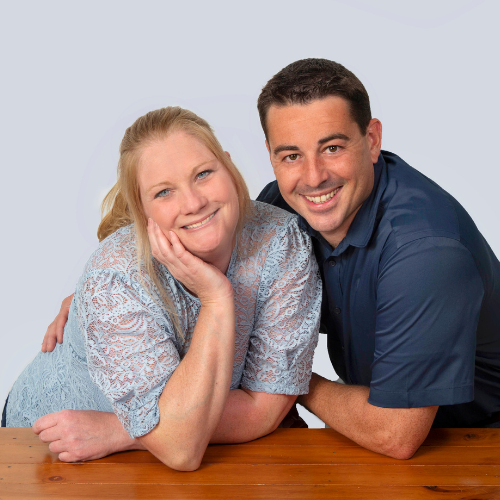
Kristin Faith Evans, MA, MS, LMSW and Todd Evans, PhD, MA

Dr. Todd and Kristin Evans are award-winning authors, speakers, and parents of two children with complex needs. Their new book, How to Build a Thriving Marriage as You Care for Children with Disabilities releases in May 2024 by Baker Books. They both earned their MA in Christian Formation and Ministries at Wheaton College in Illinois and have served together in full-time ministry in church, camping, and retreat settings. Todd received his PhD from Vanderbilt University’s School of Engineering and currently manages his own business, and Kristin earned her MSW from the University of Tennessee and is a Licensed Master Social Worker experienced in couples, child and family, substance abuse, and crisis counseling. Connect with Todd and Kristin and learn more about their ministry and free resources at www.DisabilityParenting.com.

Author Jolene Philo

To get posts delivered to your inbox, enter your email address:

Delivered by FeedBurner

Archives

Categories

Related Posts

Discovering a New Normal after a Special Needs Diagnosis

Discovering a New Normal after a Special Needs Diagnosis

Discovering a New Normal after a Special Needs Diagnosis

Discovering a new normal after a special needs diagnosis. Guest blogger Kathy McClelland’s addresses that aspect of special needs parenting, along with many others, in her new book, Beauty in Broken Dreams: A Hopeful Handbook for the Early Years as a Special Needs Parent. Today, she’s graciously sharing an excerpt from the book with Different Dream readers. Enjoy!

Discovering a New Normal After a Special Needs Diagnosis

After my second son was born with severe disabilities I knew my life would never be the same. I expected to have another perfectly typical child, but when he was born I quickly learned that our life would never be “normal.” This process involved grieving the life I was expecting and all the dreams I was imagining. My life, and my son’s life, had to be re-imagined into something more beautiful than I saw at the outset of his diagnosis.

Discovering a New Normal One Day at a Time

Accepting a new normal doesn’t happen quickly, at least it didn’t for me. Once I realized that I didn’t need to accept everything about my son’s disabilities immediately, I felt more free. I didn’t want my fear of the future to rob me of sweet moments with my baby. After all, you can’t get that first year back. So I tried to adopt a “one day at a time” mentality. Enjoying today. Doing what I needed to do to make it through today and trusting God for what I needed in the future.

This has been something I’ve had to preach to myself over and over again. I tend to live in the future. I’m constantly trying to plan and prepare for what’s to come. For me to live in the moment and deal with the present is much harder. And honestly, I didn’t think there was much good that could come from a baby with special needs, especially as he got older and I envisioned all of the extra effort and resources he would require. I realized if I didn’t stay in the moment, then life was going to pass right by before I could even enjoy what I was preparing for.

During that first year of Nathan’s life I reconnected with a friend of mine who had a child with Down syndrome. I wanted to tap into all of her knowledge and experience and emotions that come with having a child with special needs. Shortly after we reconnected, she got a devastating diagnosis. Breast cancer. The worst kind. Her diagnosis hit me especially hard. Not just because she was my friend whom I loved, but also because it enforced a truth I already knew, but didn’t want to believe. That is, there is no cap on the amount of hard things that you may have to endure during your lifetime. You don’t reach a quota and then you stop dealing with hard things.

The Fear of the Future is Often Worse Than the Experience Itself

Once again it put me in that place of fearing the future and not engaging the moment. However, in the midst of her illness she said some things I will remember forever. One is that “the fear of the future is often worse than the experience itself.” This is true because we can build something up to be such a monster in our heads. It’s awful and terrible and scary. And God is not there in that imaginative nightmare we’ve created. Psalm 42 says that God is an ever present help in trouble. He’s in the moment you’re living presently. He’s gone before you too but you are not omnipresent like God. You are able to only live in one place at a time. And that’s right now.

Are you looking for a new normal since your child's special needs diagnosis? Kathy McClelland's new handbook was written to help parents in your situation.

There is an Upside to Every Circumstance

The second thing she told me that has stuck is “there is an upside to every circumstance.” After her chemotherapy, she said, “I’d rather have hair, but there are upsides to not having hair.” And I’ve translated that to “I’d rather have my child eat by mouth, but there are upsides to a g-tube.” He can eat in the car. I can feed him overnight. I can easily hand him over to someone else to hold since I’m not nursing him. I don’t have to cook elaborate baby foods or cut up food into super small pieces. There are upsides.

Things that aren’t normal eventually become normal to you because you do them over and over again. You master them and incorporate them into your life and routine. And it works for your family. If you can get past the stares and the judgments of other people, then you can embrace the beauty of different and see God’s blessings in your new normal.

You make known to me the path of life:
you will fill me with joy in your presence,
with eternal pleasures at your right hand.
Psalm 16:11 (NIV)


Do you like what you see at DifferentDream.com? You can receive more great content by subscribing to the quarterly Different Dream newsletter and signing up for the daily RSS feed delivered to your email inbox. You can sign up for the first in the pop up box and the second at the bottom of this page.

By

Kathy McClelland is the author of Beauty in Broken Dreams: A Hopeful Handbook for the Early Years as a Special Needs Parent. Her second son was born with a rare (1 in 50,000 births) chromosomal disorder which catapulted her into the world of special needs parenting. A former marketing manager, she is a regular contributor to PreemieBabies101.com and has published on TheMighty.com and EllenStumbo.com. She lives with her husband and sons in Austin, Texas. You can find her on Facebook at Kathy McClelland and on Instagram at kathy_allthingsbeautiful.

Author Jolene Philo

To get posts delivered to your inbox, enter your email address:

Delivered by FeedBurner

Archives

Categories

Related Posts

Infant Loss and Miscarriage: Teske Drake Offers Hope

Infant Loss and Miscarriage: Teske Drake Offers Hope

Infant Loss and Miscarriage: Teske Drake Offers Hope

Infant loss and miscarriage may seem like an unusual topic to address on a special needs parenting website. But many of these infants are diagnosed with special needs in utero. Teske Drake, author of Hope for Today, Promises for Tomorrow: Finding Light Beyond the Shadow of Miscarriage or Infant Loss is one of those parents.

Infant Loss and Teske Drake

Teske and her husband are parents of five children, two who live on this earth and three who live in heaven. Throughout the deaths of her daughter at birth and a daughter and son through miscarriage, God led Teske on her grief journey. Along the way, she met other mommies dealing with similar losses. Then, she and a friend created a local support group for grieving moms. Next, they created a website, www.mommieswithhope.com (editor’s note 2024: now defunct). Finally, she wrote Hope for Today, Promises for Tomorrow, released by Kregel Publishing, to reach even more families affected by infant loss and miscarriage.

Infant Loss and Hope for Today

Tesse quietly unfolds her personal story and offers hope to struggling parents, especially moms. Chapter by chapter, she encourages grieving families by exploring these promises of God:

  • The promise of His love
  • The promise of His goodness
  • The promise of His purpose
  • The promise of comfort
  • The promise of peace
  • The promise of refinement
  • The promise of restoration
  • The promise of hope
  • The promise of eternity

The book ends with stories of how other parents found hope after the loss of an infant or unborn child. It also recounts the history of Mommies with Hope support groups and provides contact information for those interested in starting new groups. Hope for Today’s Promises is a resource parents who have lost infants, churches and grief support groups need on their shelves.

Infant Loss and You

If you have experienced the loss of an infant, I am so sorry. I invite you to share your child’s name and story below.

Do you like what you see at DifferentDream.com? You can receive more great content by subscribing to the quarterly Different Dream newsletter and signing up for the daily RSS feed delivered to your email inbox. You can sign up for the first in the pop-up box and the second at the bottom of this page.

By

Jolene Philo is the author of several books for the caregiving community. She speaks at parenting and special needs conferences around the country. Sharing Love Abundantly with Special Needs Families: The 5 Love Languages® for Parents Raising Children with Disabilities, which she co-authored with Dr. Gary Chapman, was released in August of 2019 and is available at local bookstores, their bookstore website, and Amazon. See Jane Dance!, the third book in the West River cozy mystery series, which features characters affected by disability, was released in October of 2023.

Author Jolene Philo

To get posts delivered to your inbox, enter your email address:

Delivered by FeedBurner

Archives

Categories

Related Posts

Medically Fragile Children: Practical Parenting Help

Medically Fragile Children: Practical Parenting Help

Medically Fragile Children: Practical Parenting Help

Medically fragile children need parents with a unique set of skills. Because these skills aren’t taught in parenting classes or addressed in parenting books, dads and moms with children who have critical medical needs are forced to scramble to find resources while they’re still coming to terms with an unexpected diagnosis. My book, Different Dream Parenting, has several chapters about parenting kids with medical special needs, but a new book by Margaret Meder deals exclusively with this subset of medically fragile special needs children.

Meet Margaret Meder

Margaret Meder and her husband Randy are parents to Jonathan and Evan. Evan, their second child, was diagnosed with Apert syndrome shortly after his birth in June of 2004. Their newborn spent 4 weeks in NICU and was hospitalized numerous other times because of respiratory issues and corrective surgeries. Margaret looked for books to help her family on their parenting journey but found none. Once her son’s health stabilized several years later, she wrote a book to share what she learned with other families in similar situations.

Check Out Margaret’s Book

Margaret’s book about parenting kids who are medically fragile is called Uncommon Beauty: Crisis Parenting from Day One. It contains over 100 tips covering diverse topics such as dealing with insurance companies, setting up a schedule, advocating for your child, and staying positive. Each tip includes current information and an excerpt from Meder’s journal when Evan was very young. The juxtaposition of past and present shows Margaret’s initial identification of new problems and how she found solutions.

Her advice provides practical examples, as one about how to prepare for the arrival of paramedics and an ambulance shows. Meder suggests creating a vital information sheet – long before a crisis, of course. A five bullet point list outlines what the sheet should contain. On the same page, Meder explains what to pack in an emergency visit backpack and how to tailor the contents to your child’s specific medical condition.

Advice About Medically Fragile Children

Meder’s book is a valuable resource to parents of kids who are medically fragile, and I recommend it. You might also like to visit her website, www.uncommonbeauty-crisisparenting.com. But before you go visit Margaret’s site, perhaps you would like to share a tip or two you’ve discovered as the parent of a child who is medically fragile. If so, leave a comment below.

Do you like what you see at DifferentDream.com? You can receive more great content by subscribing to the quarterly Different Dream newsletter and signing up for the daily RSS feed delivered to your email inbox. You can sign up for the first in the pop-up box and the second at the bottom of this page.

By

Jolene Philo is the author of several books for the caregiving community. She speaks at parenting and special needs conferences around the country. Sharing Love Abundantly with Special Needs Families: The 5 Love Languages® for Parents Raising Children with Disabilities, which she co-authored with Dr. Gary Chapman, was released in August of 2019 and is available at local bookstores, their bookstore website, and Amazon. See Jane Dance!, the third book in the West River cozy mystery series, which features characters affected by disability, was released in October of 2023.

Author Jolene Philo

To get posts delivered to your inbox, enter your email address:

Delivered by FeedBurner

Archives

Categories

Related Posts

Who Cares for the Caregiver?

Who Cares for the Caregiver?

shelly beach

On the surface, caregiving for an infant or child appears to be quite different from caring for an adult. But as someone who grew up with a father who required nursing care and as the mother of a newborn with major medical needs, I can tell you the two experiences had a great deal in common. One of the greatest common needs of caregivers in both situations is for someone to care for them.

Precious Lord, Take My Hand

In Precious Lord, Take My Hand, Shelly Beach does exactly that. True, her story is about taking first her elderly father-in-law and then her parents into her home and caring for them. She shares her frustrations and joys with honestly and spiritual insight. Humor and compassion carry her, her elderly family members and the reader through end-of-life issues. By the end of the devotional book, Shelly’s father-in-law, her mom, and her dad will be your dear friends, encouraging you on your caregiving journey.

You will identify with the stories in Precious Lord, Take My Hand because it cares for the caregivers. Whether the person needing care is eight or eighty, their caregivers need the same things: an encourager who understands the challenges they face, a compassionate voice assuring them they are not alone, a guide who can point them to practical resources, and the assurance of someone who knows God is faithful in the joys and sorrows of life. You’ll find all those things in Shelly Beach’s book.

More About Shelly Beach

You can learn more about Shelly and her other non-fiction and fiction books at www.shellybeachonline.com. She’s a versatile writer, and her other titles may interest you. She’s got several other projects in the works, so visit her site now and then to see what’s new.

Do you like what you see at DifferentDream.com? You can receive more great content by subscribing to the quarterly Different Dream newsletter and signing up for the daily RSS feed delivered to your email inbox. You can sign up for the first in the pop up box and the second at the bottom of this page.

Your Plans, God’s Plans

Your Plans, God’s Plans

tim-keller-your-plans-god's-plans

If you’re the parent of a child with special needs, you’ve come face to face with inexplicable suffering. Though my child, husband and I have come to a place of peace and acceptance in the midst of pain and suffering, it’s hard for me to put my belief in words.

Enter Tim Keller

However, this sermon by Tim Keller articulates the theology that helped me accept the suffering in our family. Keller is the pastor of Redeemer Presbyterian Church in New York City. He’s often called “Yoda smart,” but don’t let his intelligence keep you from listening. He’s also thoughtful, logical and very conversational in tone.

Have a Listen

If you’re a note taker, grab a pencil and paper, then listen to Keller’s sermon, Your Plans, God’s Plans. Whether or not you agree totally with what he says, the sermon will get you thinking. Take a moment to leave a comment about what you thought of what Keller had to say. I’d love to hear from you.

Do you like what you see at DifferentDream.com? You can receive more great content by subscribing to the quarterly Different Dream newsletter and signing up for the daily RSS feed delivered to your email inbox. You can sign up for the first in the pop up box and the second at the bottom of this page.

Save