by jphilo | Jan 27, 2010 | Different Dream, School/Education, Special Needs Parenting
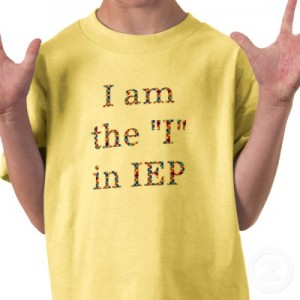
In a recent interview with Iowa professional learning and leadership consultant, Jennifer Peter. She explained the difference between an Individual Education Plan (IEP) and a 504b plan. Her explanation was so elegant and clear-cut, you deserve to hear it, too.
IEP
Schools are required by federal law to create IEPs for any school-aged student who has been tested and identified as needing special education assistance. IEPs are educational tools. They focus on remediating significant learning problems through instruction, not through medical treatment or physical means. Many students with IEPs have no physical disabilities.
504b
504b plans are for students who need environmental accommodations so their physical disability won’t hinder their education. Students with disabilities requiring 504b plans may need no extra learning assistance, just some simple accomodations to remove physical barriers. Or they may need help with a physical disability or condition such as extra room for a child in a wheelchair, insulin shots for diabetics, an amplification system for a child with hearing loss, or help with a colostomy bag for a student with spina bifida.
Educational vs. Medical Diagnosis
Students with IEPs have an educational diagnosis, usually through the school system. Students with 504b plans have a medical diagnosis from a health care professional. Jennifer gave this example. “Learning disability is an educational diagnosis. Dyslexia is a medical diagnosis.”
Which One’s Right for Your Child?
Some students, those with both learning and medical issues, may have an IEP and a 504b plan. But if your child has learning issues, you need to pursue school testing, not a medical diagnosis. If your child has a medical condition that needs accomodation, you need a 504b plan from a doctor.
If you’re still puzzled, don’t feel bad. I taught school for 25 years and didn’t fully understand until Jenn cleared up my confusion. But if you have questions or another way to explain the difference between IEPs and 504bs, leave a comment. I’ll be glad to get back to you!
Do you like what you see at DifferentDream.com? You can receive more great content by subscribing to the quarterly Different Dream newsletter and signing up for the daily RSS feed delivered to your email inbox. You can sign up for the first in the pop up box and the second at the bottom of this page.

by jphilo | Jan 7, 2010 | Books and Resources, Different Dream, Special Needs Parenting
 While doing research for my second book, Different Dream Parenting: A Practical Guide to Raising a Child with Special Needs, the most wonderful resources kept appearing. One kind of resource that was both impressive and practical was free medical airline travel.
Free Medical Airline Travel Resources for Kids with Special Needs
As I discovered, there are lots of organizations handing out free wings to families, but you gotta know where to look or you can’t find them. So here are some places to look:
Some of the organizations are regional and some are targeted to patients with specific illnesses, but still, the number of organizations should restore some of your faith in mankind. More information about other free resources for parents of kids with special needs can be found in Different Dream Parenting: A Practical Guide to Raising a Child with Special Needs.
Free Medical Airline Travel through Commercial Airlines
If the organizations above can’t meet your need, one option remains. Some airlines also provide free flights, often using frequent flier miles donated by passengers. So pick up the phone and start calling Delta, United, Jet Blue, American…any airline you can think of. They might say no, but they might say yes. But to get either answer, you gotta make the call.
If you know of other free medical airline travel organizations not listed here, please share the information in the comment box. Thanks!
Do you like what you see at DifferentDream.com? You can receive more great content by subscribing to the quarterly Different Dream newsletter and signing up for the daily RSS feed delivered to your email inbox. You can sign up for both in the upper right column on this page.


by jphilo | Jan 5, 2010 | Books and Resources, Different Dream, Special Needs Parenting

About a month ago, the mother of Parker, a little boy with special medical needs, described an organization she called “the special needs underground.”
Praying for Parker
Tammy, Parker’s mom, blogs about parenting at Praying for Parker: Raising a Special Needs-Kid in a Typical World. She blogs about Parker’s medical adventures and also about homeschooling him. It’s interesting reading, so you might want to check it out.
Special Needs Underground
In this particular post, she blogged about the doctor’s suggestion for changing out Parker’s trach tube more often. The suggestion seemed reasonable, except from past experience, Tammy knew the insurance company would be belligerent. And further investigation revealed the trachs cost $200 a pop.
So Tammy turned to the special needs underground, which sounds Mission Impossiblish, but it isn’t. In fact, the concept is sensible, economical and good for the environment. You can read about how Tammy’s trying to set up an underground in Utah at www.prayingforparker.com. As I said before, it’s pretty interesting reading.
How About You?
Do you have experience with a Special Needs Underground in your state? Or do you know of similar programs parents could tap into? If so, please leave a comment so more kids get the medical supplies they need at a reasonable cost!
Do you like what you see at DifferentDream.com? You can receive more great content by subscribing to the quarterly Different Dream newsletter and signing up for the daily RSS feed delivered to your email inbox. You can sign up for the first in the pop up box and the second at the bottom of this page.
by jphilo | Dec 28, 2009 | Different Dream, School/Education, Special Needs Parenting
Before the holidays, a post on this blog featured toy guides geared for families with special needs kids. In a similar vein, today’s post puts the spotlight on a company designed to help parents and educators meet the needs of autistic children.
Different Roads to Learning
According to their website Different Roads to Learning was founded in 1995 by the mother of an autistic child. The company “carries over 450 products carefully selected to support the Autism Community.” If your child has a diagnosis somewhere on the autism spectrum, this site will be of interest to you and the educators in your son or daughter’s life.
Julie Azuma
Julie Azuma, the mom who started the company is as interesting as her site. You can read more about her at Jennifer Choi’s blog, canmombecalm.com. The contest mentioned in the post is history, but Julie’s story shows how much an ordinary parent can do. Maybe her story will inspire you to contribute to the special needs community in an unexpected way. Or maybe it will remind you of things you’ve already done.
Either way, leave a comment about how Julie motivated you.
Do you like what you see at DifferentDream.com? You can receive more great content by subscribing to the quarterly Different Dream newsletter and signing up for the daily RSS feed delivered to your email inbox. You can sign up for the first in the pop up box and the second at the bottom of this page.

by jphilo | Nov 27, 2009 | Different Dream, Holidays, Special Needs Parenting

The holiday season is here. And one aspect of the season – whatever your faith background – is reaching out to the less fortunate with a helping hand. But with all the the seasonal hubbub, how do you get your home ready for the holidays and find time to minister to others? In this post, I’ll share three ways you can help others without losing control of your schedule.
Multi-Task
The first strategy is to multi-task, which allows you to help a special needs family and meet your own family’s needs at the same time. Here are a few examples:
- Take baking supplies to the house of a family with special needs kids and do your holiday baking there. Leave some of the treats with them and take some home.
- Whenever you make a casserole, triple the recipe. Serve one casserole for supper, freeze one for later, and take one to a family in crisis.
- If your child has a classmate with special needs siblings confined in the home, offer to videotape the Christmas program so the siblings can later watch the program together.
Use Service Clubs to Serve
In this strategy, think of ways the clubs you or your children belong to could minister to others. Maybe you could:
- Suggest a caroling party for your club’s December meeting. Visit the homes of families with special needs kids and spread some cheer.
- Go caroling at a residential facility for special needs kids, if our area has one. Arrange to have cocoa and cider s and play games with the children afterwards.
- Adopt a family with special needs kids and help them decorate for the holidays. While your club members decorate and watch the kids, the parents could do their Christmas shopping.
Focus Your Fun
Think of ways to use the hobbies you love to get special needs families involved in the holidays:
- Organize a scrap booking party in the home of a scrappy mom who has a special needs child. You could do the same witha card-making party and work on Christmas cards together.
- If you have a nice camera and an eye for photography, take pictures of loved ones with special needs kids at home. The photos can be your Christmas gift to them.
- If woodworking or construction is your hobby, build a Christmas present that adapts furniture or alters something in the home so a child can be more mobile or care is easier.
With these three strategies and a little creativity, you can find ways to help families with special needs kids during the holidays without neglecting your own loved ones. If you have more ideas, please leave a comment. I’d love to hear from you.
Do you like what you see at DifferentDream.com? You can receive more great content by subscribing to the quarterly Different Dream newsletter and signing up for the daily RSS feed delivered to your email inbox. You can sign up for the first in the pop up box and the second at the bottom of this page.

by jphilo | Nov 20, 2009 | Different Dream, How-Tos, Special Needs Parenting

The previous two posts in this series, you learned how the needs of two ordinary families led to the creation of Faith, Hope & Charity, a residential care facility for children with special needs. To learn more about the many services currently offered at their state-of-the-art home, visit their website, FaithHopeandCharity.org.
A Powerful Example
The two woman who conceived the idea for the residential home were ordinary people like you and me. But their example is a witness of what parents can do to effect powerful change. When Rose and Mary started searching for a way to care for their daughters with special needs without neglecting the other members of their families, they never imagined what Faith, Hope & Charity would become. All they knew was that their girls needed help, and it was up to them to find it.
One Step at a Time
So they started small, taking one step at a time, using the resources available to them to do what they could. Once they had a house, a care giver, and someone with legal expertise they took the next step. Slowly, step by step, over more than forty years, the facility evolved into the impressive residential facility it is today.
Follow in their Footsteps
It’s hard to imagine that ordinary parents like you and me could effect lasting, meaningful change like that. It’s hard to believe there are resources available. It’s hard to decide where to start. It’s much easier to assume there’s nothing we can do. It’s easier to throw up our hands and say nothing will ever change. It’s easier to give up.
But Rose and Mary didn’t give up. They took one step, then another and made slow, steady progress. You can do that. I can do that. Who knows what we could do in the next forty years if we go one step at a time?
Do you like what you see at DifferentDream.com? You can receive more great content by subscribing to the quarterly Different Dream newsletter and signing up for the daily RSS feed delivered to your email inbox. You can sign up for the first in the pop up box and the second at the bottom of this page.