How Do I Let Go of My Adult EA/TEF Child?

How Do I Let Go of My Adult EA/TEF Child?

How Do I Let Go of My Adult EA/TEF Child?

How do I let go of my adult EA/TEF child? That’s the question every parent of a baby born with EA/TEF hope to ask one day in future. That future is now for guest blogger Valeria Conshafter. Her daughter is looking at colleges as she nears adulthood. Today Valeria writes about her struggle to let her daughter go.

My baby girl who was born with EA/TEF, turned 17 this month. It feels like yesterday when we got the news that she couldn’t swallow because of her rare congenital birth defect. It’s the last thing we expected to hear when we welcomed our first (and only) baby into the world. We had no idea what parenthood would look like. The road was bumpy, and fear and faith accompanied us throughout our journey.

Most of the challenges are behind us. Now we are trying to understand and adhere to her plans toward independence in college life. And that means she will soon become an adult and be on her own.

It’s way too soon for me.

I question if I will ever be ready for this. How do I let go of my adult EA/TEF child? Our lives were so different than those of parents with healthy babies. It seems like yesterday when I dropped her off for her first day of kindergarten. I cried for an hour in my car, worried to death and wondering if she would be able to eat her snack safely without me there.

There were many scary moments at home during her feedings and illnesses—too many to count—when I nearly lost her and my sanity. The memories turned into PTSD and years of therapy. The prognosis is uncertain for babies born with EA/TEF. To me that means something can come up at any minute and at any age, so I need to be on the lookout!

I wonder if she knows about the trauma I am still processing and trying to make sense of. That’s why, in my mind, it is too soon to let her go.

She is ready but I am not.

We rarely talk about her condition anymore. The other day she said she forgets about it and doesn’t care she had a tough life when she was younger. She said she is fine—and thank God for that, I guess.

But what about me? How do I let her go?

It all went by too quickly. She needed me beside her 24/7 once, and now she’s ready to leave? I am still in a watchful mode. She had a cold a few weeks ago. Just the thought of her being sick made my body fill with anxiety and fear in an instant.

Breathe. Pause.

I take a step back and think, “How in the world will I do this when she’s far away? Do I really need to let her go?” All of a sudden, our story is changing, seemingly without a warning or enough time to heal.

But I can’t dwell much on that thought.

I’ve learned to deal with fear many times and my mind knows the answer, even though my heart hides from it. Letting her go is a must, a natural process of life. I should be happy about it. And I am.

Fear and worry might want to stay awhile, but faith is what I hold onto.

God trusted me to care for this child, and I believe that he wants me to trust him and let her go. What stops my overwhelming fear from running my life is remembering this: God has her. He will never let her go. Ever!

And so I change my focus to that.

I put my trust in God’s hands. I see my girl in His hands. Safe anywhere, everywhere—during every bite she takes and every sickness she will endure. She will be away from us sooner than I want, but I trust that God will be always at her side. I must let her go.

God does not and will not.

Do you like what you see at DifferentDream.com? You can receive more great content by subscribing to the monthly Different Dream newsletter and signing up for the daily RSS feed delivered to your email.

Image by Hilke Fromm from Pixabay

By

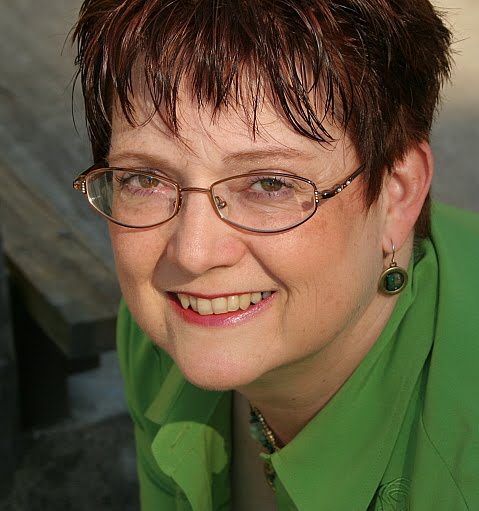
Valeria Conshafter is a native of Brazil. She has a background in Counseling Psychology and currently works for a women’s organization providing emotional and spiritual support to women all over the country. She loves writing, cooking, and praying for her family and friends. Valeria lives in Houston, Texas, with her husband Todd, their 15-year-old daughter, Sofia, and their two Standard Poodles, Chocolate and Oreo. You can find Valeria on InstagramTwitter, and Facebook.

Author Jolene Philo

To get posts delivered to your inbox, enter your email address:

Delivered by FeedBurner

Archives

Categories

Related Posts

The Physical Manifestations of Grief in Caregivers

The Physical Manifestations of Grief in Caregivers

The Physical Manifestations of Grief in Caregivers

The physical manifestations of grief in caregivers are unexpected and pervasive. That, in a nutshell, is what God has been teaching me since the death of my mother on June 23, 2023.

Mom’s suffering was great during her final 2 years on this earth. My siblings and I had no desire to prolong her life through medical intervention. We rejoiced when her suffering ended. Her funeral was a celebration, a sharing of memories, a gathering of extended family who loved her and supported us. We wept, we hugged, we said our goodbyes, and my siblings moved on with their lives.

I tried to do the same. A few weeks after Mom’s death, my husband and I packed our new camper and headed west for a much-needed vacation. On the second day, we turned around due to truck trouble and prayed as it limped all 500 miles to our home.

Soon after our return I started limping due to foot pain. The foot pain moved into my leg and then into my hip. During this time my uncle, who was like a second father to me, died. In mid-October, physical pain landed me in bed. From there I limped to the doctor’s office, was diagnosed with a pinched nerve, given a cortisone shot, and started physical therapy.

In an attempt to spare you the details, here’s a pared down timeline of life from then until now:

November and December 2023: Physical therapy, physical therapy, and more physical therapy.

December 2023: Pinched nerve better, bursitis causes by pinched nerve exercises worse.

January 2024: Physical therapy relieves bursitis, but pain from iliotibial band (IT band) increases.

To read the rest of The Physical Manifestations of Grief in Caregivers, visit the Key Ministry website.

Do you like what you see at DifferentDream.com? You can receive more great content by subscribing to the monthly Different Dream newsletter and signing up for the daily RSS feed delivered to your email.

By

Jolene Philo is the author of several books for the caregiving community. She speaks at parenting and special needs conferences around the country. Sharing Love Abundantly with Special Needs Families: The 5 Love Languages® for Parents Raising Children with Disabilities, which she co-authored with Dr. Gary Chapman, was released in August of 2019 and is available at local bookstores, their bookstore website, and Amazon. See Jane Dance!, the third book in the West River cozy mystery series, which features characters affected by disability, was released in October of 2023.

Author Jolene Philo

To get posts delivered to your inbox, enter your email address:

Delivered by FeedBurner

Archives

Categories

Related Posts

Experiencing Post-Traumatic Growth while Raising a Child with Disabilities

Experiencing Post-Traumatic Growth while Raising a Child with Disabilities

Experiencing Post-Traumatic Growth while Raising a Child with Disabilities

Experiencing post-traumatic growth (PTG) while raising a child with disabilities may not be on your radar screen when you’re drowning in the stress associated with caregiving. The only growth that concerned me during our son’s medically fragile years was increasing his strength as he fought for his life. Paying attention to the stress I was experiencing while he struggled, and possible growth coming from it, never crossed my mind.

Now, as I reflect on the hot mess I was in 1982 after our son’s birth, I barely recognize the young and very stressed person I was then. The credit for my present lack of hot messiness goes to post-traumatic growth.

By now you may be asking yourself, “What is post traumatic growth, how do I sign up for the class, and how do I know it’s happening in me?”

Let’s start with the first question.

In a research study conducted by Taylor Elam and Kanako Taku, they define PTG as “the positive psychological changes as a result of a struggle with a major life crisis or traumatic event.” The crisis or event is the kind that rocks a person to the core and forces a re-evaluation of beliefs about the world. That sounds a lot like what many parents experience after a child’s diagnosis, doesn’t it?

Now, on to the second question.

The bad news is that I don’t know of classes about PTG. But according to Richard Tedeschi, who has worked extensively with traumatized veterans, you can facilitate and encourage your own growth in 5 powerful ways.

To learn more about experiencing post-traumatic growth while raising a child with disabilities, go to this link at the Key Ministry blog for special needs parents.

Do you like what you see at DifferentDream.com? You can receive more great content by subscribing to the monthly Different Dream newsletter and signing up for the daily RSS feed delivered to your email.

Photo by Elijah Hiett on Unsplash

By

Jolene Philo is the author of several books for the caregiving community. She speaks at parenting and special needs conferences around the country. Sharing Love Abundantly with Special Needs Families: The 5 Love Languages® for Parents Raising Children with Disabilities, which she co-authored with Dr. Gary Chapman, was released in August of 2019 and is available at local bookstores, their bookstore website, and Amazon. See Jane Dance!, the third book in the West River cozy mystery series, which features characters affected by disability, was released in October of 2023.

Author Jolene Philo

To get posts delivered to your inbox, enter your email address:

Delivered by FeedBurner

Archives

Categories

Related Posts

Resolving Past Trauma from the Inside Out Through Therapy

Resolving Past Trauma from the Inside Out Through Therapy

Resolving Past Trauma from the Inside Out Through Therapy

Welcome to the final post in the Inside Out Special Needs Parenting series. The purpose of the series has been to equip parents to recognize and resolve their own past traumas so they can parent their children effectively. The previous article in this series, Resolving Past Trauma from the Inside Out Through Self-Understanding provided parents with resources they can use to process past traumas.

Sometimes, parents need a professional to help with accessing and resolving past trauma. Thankfully, several new treatments for trauma have recently been developed and tested and have been proven to be very effective. Effective treatments have one thing in common. They rely on more than talk to access and process past events. Here are a few promising therapies linked to more information about each one.

  1. Somatic Experiencing
  2. Guided Imagery, Creative Visualization, and Hypnosis
  3. Neurofeedback
  4. Eye Movement Desensitization and Reprocessing

Each of these methods is explained in greater detail in Childhood Disrupted: How Your Biography Becomes Your Biology and How You Can Heal by Donna Jackshon Nakazawa. It’s an informative and interesting read. Another book that provides the most thorough summary of the history of trauma treatment and reviews each treatment method in great detail is The Body Keeps the Score: Brain, Mind, and Body in the Healing of Trauma by Bessel van der Kolk. And here’s a final reminder about the book that led to the inside out parenting series–Parenting from the Inside Out: How a Deeper Self-Understanding Can Help You Raise Children Who Thrive by Daniel Seigel and Mary Hartzell.

Checking out these resources and resolving past trauma through therapy may seem like a daunting task. But remember, your primary motivation for doing the work is to raise kids who thrive. But as you work to make life better for them, the self-understanding you gain will make your life better, too.

Inside Out Special Needs Parenting, Part 1
Inside Out Special Needs Parenting, Part 2
Inside Out Special Needs Parenting, Part 3
Inside Out Special Needs Parenting, Part 4
Inside Out Special Needs Parenting, Part 5
Inside Out Special Needs Parenting, Part 6
Inside Out Special Needs Parenting, Part 7
Inside Out Special Needs Parenting, Part 8

Do you like what you see at DifferentDream.com? You can receive more great content by subscribing to the quarterly Different Dream newsletter and signing up for the daily RSS feed delivered to your email inbox. You can sign up for the first in the pop up box and the second at the bottom of this page.

By

Jolene Philo is the author of the Different Dream series for parents of kids with special needs. She speaks at parenting and special needs conferences around the country. She’s also the creator and host of the Different Dream website. Sharing Love Abundantly With Special Needs Families: The 5 Love Languages® for Parents Raising Children with Disabilities, which she co-authored with Dr. Gary Chapman, was released in August of 2019 and is available at local bookstores, their bookstore website, and at Amazon.

Author Jolene Philo

To get posts delivered to your inbox, enter your email address:

Delivered by FeedBurner

Archives

Categories

Related Posts

PTSD and Nursing Moms

PTSD and Nursing Moms

PTSD and Nursing Moms

 Photo Credit: tungphoto at www.freedigitalphotos.net

Hello, Different Dream readers! Welcome to a guest post from my good friends and fellow PTSD advocates, Shelly Beach and Wanda Sanchez. This post about PTSD and nursing mothers first appeared at their blog, PTSD Perspectives. It addresses many issues of importance to the special needs community, so I was delighted when Beach and Sanchez gave permission to repost it here. 

PTSD and Nursing Moms

Most expectant and new mothers envision nursing to be the ultimate bonding experience with their child. Unfortunately, this isn’t always the case. Sadly, post-traumatic stress disorder can be a contributing factor, and women may not be aware of the cause-and-effect relationship in order to be able to best address their frustrations. I recently spoke to several young mothers who talked candidly about how trauma influenced their ability to bond with their newborn babies. None of these women were prepared for the challenges they faced, and they basically had to figure out on their own that their post-traumatic stress had contributed to their struggles.

PTSD and Nursing Moms: NICU Trauma

One of the mothers I spoke to gave birth vaginally, and her newborn girl experienced medical complications that placed her in the neonatal intensive care unit for nearly two weeks. During this time, both Mom and baby experienced high levels of stress and anxiety, due to the separation, limited bonding time, and painful medical procedures. Because of the anxiety and separation, Mom’s lactation diminished, and her attempts to maintain her milk supply were frustrating.  After taking her little girl home from the hospital after a highly stressful two-week stay, Mom attempted nursing for two more weeks, but her child struggled to latch and preferred a bottle. At four weeks, Mom gave up and was overwhelmed with guilt at her “failure.” Two years later, Baby #2 came along, and Mom struggled with anxiety at the thought of nursing. Her stress made it difficult for her to relax enough for her milk to let down when she attempted to nurse, and after a week, she decided that bottle feeding would be the best choice for Baby.

PTSD and Nursing Moms : Previous Trauma

A second mother I spoke two had experienced multiple sexual assaults as a teenager. In her mid-twenties she married a supportive, loving husband, and several years later she gave birth to their first child. However, “Sue” was guilt-ridden and heartbroken to discover that nursing her child was a trauma trigger. For weeks she struggled to be a “good” mom and breast-feed her child but found that the only way she could successfully nurse her child was to dissociate. A desire to be a “good” mom like other moms drove her to continue nursing for months, even though she felt it was affecting her ability to bond with her baby. When “Sue’s” second child was born, she made the decision to bottle feed. She told me that she has never regretted that choice and wished she ‘d had a better understanding of how PTSD could influence a woman’s nursing experience before she’d given birth to her first child.

PTSD and Nursing Moms: How to Find Help

Twenty-five percent of women experience sexual abuse in their lifetime–many before the birth of their first child. It’s important for women to know how their trauma experiences may influence aspects of their lives so they can make the best choices for their circumstances. If you or someone you know can relate to the challenges of nursing your child because of a prior trauma experience:

  • Talk to a trauma specialists who can offer you suggestions about how to process your experience.
  • Accept the simple truth that breast feeding does not define good mothering.
  • Find other mothers who bottle fed their kids to lean on for support.
  • Release the false guilt.
  • Talk about your situation with someone who will understand and support you.
  • Seek out treatment or support if you’re experiencing depression.


More PTSD Perspectives

Did PTSD impact your ability to nurse your babies? How did you deal with the situation? Leave a comment, if you like, in the box below. To learn more about the work Shelly and Wanda do, visit their website, PTSD Perspectives.

Do you like what you see at DifferentDream.com? You can receive more great content by subscribing to the quarterly Different Dream newsletter and signing up for the daily RSS feed delivered to your email inbox. You can sign up for the first in the pop up box and the second at the bottom of this page.

By

Shelly Beach is an award-winning author of eight books, including The Silent Seduction of Self Talk. She has written with a Pulitzer Prize Finalist and New York Times best-selling authors, as well as providing writing and consulting services for a producer of a recently-launched Lifetime television reality series. Shelly is the co-founder of two writers’ conferences and an adjunct professor at Cornerstone University. She is also a sexual abuse survivor who speaks to medical and mental health professionals at conferences, seminars, and in the nation’s prisons. Shelly is also an “expert” consultant for Caring.com, the Internet’s most frequently consulted site on caregiving issues. Shelly can be reached at Shelly@PTSDPerspectives.org or www.ShellyBeachOnline.com.

By Wanda Sanchez 

Wanda Sanchez is the executive producer of one of the nation’s top talk shows in a highly-ranked California market. She has worked with the world’s top political leaders, as well as Hollywood personalities, New York Times best-selling authors, and top-ranked cultural analysts. She has also worked as a television producer and is the founder and president of her own publicity firm, representing authors and speakers. A sexual abuse survivor who has experienced a journey of dramatic healing from post-traumatic stress disorder, Wanda speaks to medical and mental health professionals in conferences, seminars, as well as to women in the nation’s prisons. She can be reached at Wanda@PTSDPerspectives.org.

Author Jolene Philo

To get posts delivered to your inbox, enter your email address:

Delivered by FeedBurner

Archives

Categories

Related Posts

10 Truths Learned about Trauma

10 Truths Learned about Trauma

10 Truths Learned about Trauma

Photo Credit: smarttiw at www.freedigitalphotos.net

Trauma impacts lives.  Whatever time of life a person is traumatized—as an infant, child, teen, or adult—life is never the same. A post at Sojourners by Catherine Woodiwiss explains ten ways trauma can change a life. What she has to say speaks volumes to caregiving parents who are dealing with grief.

10 Truths about Trauma

  1. Trauma permanently changes us. There is no such thing as getting over it. But it’s not wholly negative. Healing from trauma leads to new strength and joy.
  2. Presence is always better than distance. To suffer through trauma alone is unbearable. If someone says they need space, respect their wish. Otherwise be present.
  3. Healing is cyclical, not linear. Recovery takes a long, long time. Expect to cycle through stages of grief often.
  4. To survive trauma a person needs friends who are “firefighters” and “builders.” Surviving trauma requires at least two types of people on a crisis team: friends who can drop everything and jump into the fray and others who are calm and give steady care.
  5. Grieving is social, and so is healing. We are wired for contact. Only through relationship that we can be most fully healed. Seeking out one another requires courage. Start by giving shelter to others.
  6. Do not offer platitudes or comparisons. We offer assurances when we don’t know what else to say. But they often sting as clueless, careless, or just plain false. What we need are friends who sit beside us and let it be terrible.
  7. Allow those suffering to tell their own stories. Give a person struggling with trauma dignity to discover and own it.
  8. Love shows up in unexpected ways. Ultimately every gesture of love, regardless of the sender, becomes a step along the way to healing. It may not look like what was expected, but surprise love will be the sweetest.
  9. Whatever doesn’t kill you …almost kills you. Some days you feel like a quivering, cowardly shell. This is a fight to be won over and over again.
  10. … Doesn’t kill you. You learn resilience to sustain you in other crises. It may make you stronger…or not.

Woodiwiss writes with conviction and beauty. For more of her insights, read the entire post at A New Normal: Ten Things I’ve Learned About Trauma.

How Has Trauma Changed You?

Have you been changed by trauma and the grief that accompanies it? What would you add to Catherine’s list? Share your insights in the comment box.

Do you like what you see at DifferentDream.com? You can receive more great content by subscribing to the quarterly Different Dream newsletter and signing up for the daily RSS feed delivered to your email inbox. You can sign up for the first in the pop-up box and the second at the bottom of this page.

By

Jolene Philo is the author of the Different Dream series for parents of kids with special needs. She speaks at parenting and special needs conferences around the country. She’s also the creator and host of the Different Dream website. Sharing Love Abundantly With Special Needs Families: The 5 Love Languages® for Parents Raising Children with Disabilities, which she co-authored with Dr. Gary Chapman, was released in August of 2019 and is available at local bookstores, their bookstore website, and at Amazon. The first book in her cozy mystery series, See Jane Run!, features people with disabilities and will be released in June of 2022.

Author Jolene Philo

To get posts delivered to your inbox, enter your email address:

Delivered by FeedBurner

Archives

Categories

Related Posts