4 Things Parents of Kids with Autism Have in Common

4 Things Parents of Kids with Autism Have in Common

4 Things Parents of Kids with Autism Have in Common

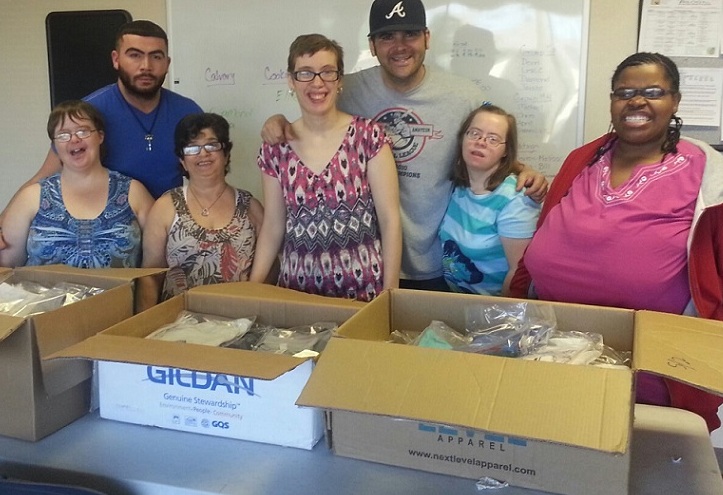
 Photo Source: Hero Network

Today, I’m pleased to introduce you to guest blogger Ruth Stieff. Among other things, she’s an ABA therapist and the owner of One Piece LLC. She’s also the parent of a young adult son who lives with autism, and a friend of mine. She’s here to share the common needs among the parents she serves.

4 Things Parents of Kids with Autism Have in Common

I spend my days with families who live with autism. This was not what I believed I would be doing at this stage of my life, but there are always surprises in this world. Almost 20 years ago, I gave birth to my third child, a son. I had no idea that he would be diagnosed with autism. I started down this road as a mom rather than an autism professional. My skills developed as I dealt with our family and the challenges it brought to my son specifically. Life can be very difficult for a family dealing with any type of special needs. I understand that since I have been living in that world for a long time.

Along the way, I have received training in a variety of areas related to autism. I have trained in applied behavioral analysis, social skills, communication, sensory integration, advocacy, and mental health. But when asked why a family would hire me instead of another provider, I answer, “Because I go home to this world at night. Many families want someone who ‘gets’ it. They also want someone who lives it.”

As I started a business a few years ago, one of my goals was help parents normalize family life. As I enter into a family’s world, there are a few things that I find.

  1. Parents are often overwhelmed and are looking for help. They don’t know where to start and are looking to me to develop a workable plan.
  2. Discouragement is seen in almost all the members of the family. Parents are exhausted and often feel like they are failing. The child with autism, many times, is overwhelmed and feels like giving up. The other children are often confused because things seem so different than what they experience with their friends families.
  3. There is a lack of confidence in everyone. The child with autism has not been very successful and doesn’t know that is a possibility. Other members of the family don’t know how to approach and work with the child on the autism spectrum and it seems to paralyze them from trying.
  4. A mom wants a person to talk to, someone who understands what she is going through. She longs for the emotional support of another women who has been through a similar experience. She needs a mentor mom.

I work with the child by modeling strategies in skill development. I am there to teach the child but also walk with the parents so that they can develop the structures in a home to normalize life for the long haul. Life is demanding with children but with a child(ren) with special needs it becomes extremely complicated. Families need support, encouragement, hope and skills. With these life can settle into a “new normal” that will enable parents to run the marathon called special needs parenting.

Other Things Parents of Kids with Autism Have in Common

Now that Ruth’s shared her four items for the list, now it’s your chance to add some more. Add your observations in the comment box. And then, stop by Connecting One Piece at a Time to learn more about Ruth and her work.

Do you like what you see at DifferentDream.com? You can receive more great content by subscribing to the quarterly Different Dream newsletter and signing up for the daily RSS feed delivered to your email inbox. You can sign up for the first in the pop up box and the second at the bottom of this page.

By

Ruth Stieff is a wife, mother and owner of One Piece LLC . She is passionate about helping children with learning differences make progress and helping parents normalize family life.

Author Jolene Philo

To get posts delivered to your inbox, enter your email address:

Delivered by FeedBurner

Archives

Categories

Related Posts

Paper Clouds Apparel: A Special Needs Company

Paper Clouds Apparel: A Special Needs Company

Paper Clouds Apparel: A Special Needs Company

Today’s post comes from Robert Thornton. He’s here to share the story of how his company, Paper Clouds Apparel (PCA) came into being. I hope you’re as impressed by Thornton’s commitment to the special needs community as I am.

Paper Clouds Apparel: A Special Needs Company

Paper Clouds Apparel (PCA) all started back home when I was visiting my parents and spied a drawing on the fridge. When I asked Mom, a bus driver for children with special needs, about the drawing, she stated that a girl on her bus route draws on the ride to school and gives her artwork to my mother upon arriving at school. I spent that night mesmerized by this drawing, and the next morning I awoke thinking how cool that art would look on a shirt.

Paper Clouds Apparel Provides Jobs and Donations

That idea began a seven year journey to get Paper Clouds Apparel to the place where it is now. PCA takes art created by those with special needs, transfers it to our shirts, bags and hats and then sells those on our website www.papercloudsapparel.com. Every two weeks we feature a different special needs cause and donate 50% of the proceeds to that cause. In addition to the donation, PCA hires adults with special needs to fold and package all our shirts.

Paper Clouds Apparel Changes Lives

The journey hasn’t always easy. But when we receive letter from parents about how employment changed their child in a positive way, the long nights working 90 hours a week at two jobs to get the business started are totally worth it. We believe our business can change the world for those with special needs. We can give our artists and workers a huge self esteem boost and sense of pride seeing their art on our shirts being purchased by people.

Paper Clouds Apparel Needs Your Help

We raise funding for a lot of special needs causes that have had their funding cut dramatically by the government. Recent studies say anywhere from 80-93% of adults with special needs are unemployed. Our company creates jobs for hard working individuals with special needs. To make that happen, our mission needs to reach the masses. Could you help share our story? Please like us on Facebook, follow us on Twitter at @PaperCloudsPCA or place an order at our website.  Thank you so much!

Do you like what you see at DifferentDream.com? You can receive more great content by subscribing to the quarterly Different Dream newsletter and signing up for the daily RSS feed delivered to your email inbox. You can sign up for the first in the pop up box and the second at the bottom of this page.

By

Robert Thornton is the Founder and CEO of Paper Clouds Apparel.

Author Jolene Philo

To get posts delivered to your inbox, enter your email address:

Delivered by FeedBurner

Archives

Categories

Related Posts

5 Marriage Tips for Parents of Kids with Special Needs

5 Marriage Tips for Parents of Kids with Special Needs

5 Marriage Tips for Parents of Kids with Special Needs

 Photo Credit: Salvatore Vuono at www.freedigitalphotos.net

How can parents of kids with special needs adequately care for both their children and their spouses? That’s a crucial and difficult question, one DifferentDream.com showcases periodically. A Washington Post article by Mari-Jane Williams does a good job of outlining the challenges raising kids with special needs brings to a marriage. It also offers parents 5 ways to care for their marriages.

Marriage Challenges for Parents of Kids with Special Needs

Williams lists the following challenges parents face:

  • exhaustion
  • worry and anxiety
  • advocacy
  • financial demands
  • time demands

Any of those strike a chord with you?

5 Ways for Care for Marriage

The author then suggests these 5 ways parents can care for their marriages:

  1. Do not just become “parent-partners.” Talk about more than your kids. Connect about other topics, too.
  2. Embrace your differences with your partner. Parents have different expectations and grieve differently, too. Don’t just tolerate your spouse’s differences, embrace them.
  3. Be proactive when marital resentments build. Talk about problems sooner than later before you become angry.
  4. Get creative when it comes to romance. If date nights away aren’t doable, look for creative ways to be romantic at home.
  5. Appreciate each other’s efforts. Share responsibilities and give credit for each other’s efforts to make you feel more like a team.

To read everything Williams has to say, click on over to her article, How to Take Care of your Marriage When You Have a Child with Special Needs. You might also want to read these previous DifferentDream.com posts about marriage:

What’s Your Best Advice?

What have you and your spouse done to care for your marriage? Leave a comment to share your wisdom.

Do you like what you see at DifferentDream.com? You can receive more great content by subscribing to the quarterly Different Dream newsletter and signing up for the daily RSS feed delivered to your email inbox. You can sign up for the first in the pop-up box and the second at the bottom of this page.

By

Kimberly grew up and went to college in the small town of Upland, IN. She graduated from Taylor University with a degree in Elementary Education in 2002. While at TU, she married her college sweetheart and so began their adventure! Ryan and Kimberly have four amazing kids on earth (Abigail, Jayden, Ellie, and Cooper), and a baby boy waiting for them in heaven. Their daughter Abigail (Abbey) has multiple disabilities including cerebral palsy, a seizure disorder, hearing loss, microcephaly, and oral dysphagia. She is the inspiration behind Kimberly’s desire to write. In addition to being a stay-at-home mom, Kimberly has been serving alongside her husband in full time youth ministry for almost fourteen years. She enjoys working with the senior high girls, scrapbooking, reading, and music. You can visit Kimberly at her website, Promises and Perspective.

Author Jolene Philo

To get posts delivered to your inbox, enter your email address:

Delivered by FeedBurner

Archives

Categories

Related Posts

Technology: Good for Kids with Special Needs and Parents

Technology: Good for Kids with Special Needs and Parents

Technology: Good for Kids with Special Needs and Parents

Photo Credit: Photo Credit: http://flic.kr

Technology is changing faster than we can keep up with it. New gadgets come on the market almost daily. Guest blogger Sarah Gray is here with an overview of tech products that can enhance the lives of kids with special needs and their families.

Technology: Good for Kids with Special Needs and Parents

Today’s parents live in an age of technological wonder and can use this to their advantage. It has become a little easier to monitor children’s health and wellness, ensuring that they sleep properly and stay on schedule. Technology has also changed the possibilities to entertain and stay active with children.

Video Infant Monitors

Whether you put your special needs child down for a nap or it’s time for bed, you can end up spending a majority of your evening physically checking in on your infant. Video monitors allow parents to watch over their children from the comfort of their own bed or couch. Technology has also progressed to monitoring your child’s breathing and heart rate. If you’re worried about your child getting out of their crib or you just want to see them play, video monitors are ideal for checking out their antics.

Pillows

Nursing pillows, such as the Mombo Comfort & Harmony nursing pillow, are ideal to better position and support your child during feedings. These nursing pillows have come a long way from the typical pillow that you might remember. For example, the Mombo nursing pillow comes with a vibrating option that also allows for you to soothe and comfort your baby.

Tablets

Educational toys have expanded for today’s children. Tablets, smartphones, and notebooks are educational toys that can introduce your child to the world of technology. You’ll also find instructional games that help with cognitive development. Many of the tablets also have access to movies and streaming live shows.

Books

Whether you select a book from the library or favorite bookstore, you can introduce reading as an integral part of a child’s life. However, technology has also changed how parents read, with the introduction of eReaders and eBooks. Downloading and searching for various stories can be simple and done with a click of the button. You can also view these various tales with bright and colorful illustrations.

Smartphone Apps

When it comes to scheduling and staying on task, it’s easy to miss important appointments and events. However, smartphone apps like Remember the Milk are optimal for the parent who needs to schedule every minute of their busy day. The phones also have various alarms and ring tones, so you don’t miss an engagement. The smartphone apps are also excellent for consulting and assessing whether a childhood ailment or injury is serious. While it’s not a substitute for someone in the medical field, you’ll find the apps to help alleviate fears and concerns.

Tracking Devices

GPS trackers can be synced to a cell phone via the internet and placed in a backpack. This grants a parent the opportunity to safely keep an eye on their child at all times. This is especially helpful when children become more independent and possibly engage in outside activities. High-tech gear has become an important part of parenting today.

Whether your special needs children are infants or teens, you’ll find many of the above tools to make parenting easier. Many of the technological gadgets today can also be used to educate, entertain, and aid in your child’s growth and development.

Your Favorite Tech Products?

Have you discovered apps, gadgets, and websites to make life better for your kids with special needs? Share them in the comment box. Thanks!

Do you like what you see at DifferentDream.com? You can receive more great content by subscribing to the quarterly Different Dream newsletter and signing up for the daily RSS feed delivered to your email inbox. You can sign up for the first in the pop up box and the second at the bottom of this page.

By

Author Jolene Philo

To get posts delivered to your inbox, enter your email address:

Delivered by FeedBurner

Archives

Categories

Related Posts

The Spiritual Art of Raising Children with Disabilities

The Spiritual Art of Raising Children with Disabilities

The Spiritual Art of Raising Children with Disabilities

Different Dream readers, you’re in for a treat. I’m pleased to welcome Kathleen Bolduc, my friend, fellow Not Alone guest blogger, and author. She’s the mother of a 29-year-old son with autism. She’s also a spiritual director in Oxford, Ohio, and the author of several books on faith and disability. Today is the last day of her blog tour in conjunction with the release of her new book, The Spiritual Art of Raising Children with Disabilities. As part of the tour, Kathleen is sharing an excerpt from the book.

The spiritual art of raising children with disabilities

In the Garden

In simple humility, let our gardener, God, landscape you with the Word,
making a salvation-garden of your life.
James 1:21 (The Message)

This morning I bring my Bible, journal, and cup of tea into the garden. A light mist hangs over the fields across the road, and I am surprised to see tender green shoots of corn forming rows where yesterday there was nothing but dirt. All around me, Dame’s Rocket thrusts purple and white spires toward the skies like holy hands reaching toward heaven. Boxwood shimmers greenly in the breeze, and a yellow weed at the fence line bursts into flame as a sunbeam peeks through the clouds.

The words of Psalm 63, my reading this morning, reverberate through my mind. “O God, thou art my God, I seek thee, my soul thirsts for thee; my flesh faints for thee, as in a dry and weary land where no water is.”

In the sanctuary of this garden the desert landscape of my heart—that dry and dusty place where worry and anxiety about my son, Joel, who has autism, sometimes threaten to overwhelm me—turns to an oasis of green, flowing with streams of living water. Prayer rises up within me as praise.

No wonder poets and songwriters often refer to the garden as a metaphor for prayer.

And yet, gardens are not always lush and beautiful. Think of the garden in the midst of drought. Parched plants wilt. Green leaves turn to brown. What was abounding in exuberance just weeks before suddenly sags under the weight of cloudless skies with no promise of rain in sight. Nothing will revive the drought-stricken garden like a soft, gentle, soaking rain.

It is no different for the gardens of our hearts. Sometimes, in the words of my son Joel at the end of a major melt-down, “We need Jesus!”

As the mother of a son with autism, I was first drawn more deeply into prayer because of an intense thirst for God’s presence. I was desert-thirsty, parched for the living waters Jesus promises in John 4:14: “. . . but whoever drinks of the water that I shall give him will never thirst; the water that I shall give him will become in him a spring of water welling up to eternal life.”

The more I spend time with God the more the garden of my heart blooms with an unquenchable love for the things of the Spirit. I need God’s presence just as my garden needs the rain.

Take some time to be quiet and meet with God. Listen to what rises up from within. Have a conversation with God. You may have questions to ask him. Ask, expecting to receive an answer. Tell Him what’s on your heart. Be honest with Him. Bare your vulnerable places. And then, once you’ve emptied your heart, simply listen. He has much to say to you.

Lord, I thank you and praise you for your living waters.
Open me up, Lord. Open me up to your thirst-quenching presence.
Water me, Lord. Water me.

  • Where do you most often meet God? Nature? Bible study? Service? Worship? Journaling?
  • How might you establish a pattern of going there to pray on a consistent basis?
  • In what way do you most often pray? Do you feel “pot-bound”? Might God be calling you to a new prayer avenue?
  • What kind of prayer will help you more often to be aware of Jesus’ presence with you?

Excerpted from The Spiritual Art of Raising Children with Disabilities (Judson Press, 2014)
Used with permission.

Do you like what you see at DifferentDream.com? You can receive more great content by subscribing to the quarterly Different Dream newsletter and signing up for the daily RSS feed delivered to your email inbox. You can sign up for the first in the pop-up box and the second at the bottom of this page.

By

Jolene Philo is the author of the Different Dream series for parents of kids with special needs. She speaks at parenting and special needs conferences around the country. She’s also the creator and host of the Different Dream website. Sharing Love Abundantly With Special Needs Families: The 5 Love Languages® for Parents Raising Children with Disabilities, which she co-authored with Dr. Gary Chapman, was released in August of 2019 and is available at local bookstores, their bookstore website, and at Amazon.

Author Jolene Philo

To get posts delivered to your inbox, enter your email address:

Delivered by FeedBurner

Archives

Categories

Related Posts

Support for Caregivers: Bridging the Gap

Support for Caregivers: Bridging the Gap

Support for Caregivers: Bridging the Gap

Professional caregivers do important work, and they know it. But those caring for kids with special needs, aging parents, or spouses who need assistance also know their work is stressful and sometimes discouraging. The Different Dream crew is always hunting for resources to support their important and stressful job. Today’s guest blogger, Jonah Okun, is here to acquaint you with the online support community, The Caregiver Space.

Support for Caregivers: Bridging the Gap

Caregiving isn’t always that pretty or fun, but it becomes a part of us. It’s an act of commitment, love, loyalty, and nurturance inherent in who we are. But doing it alone, should be out of the question. We need community.

Caregivers Need Community

Our separate dwellings will never be enough to stem the tide of adversity if we expect to come out all right on the other side of caregiving. Caregiver burnout isn’t a myth; it’s an inevitable when we don’t reach out. The community connection we crave though doesn’t always feel close at hand. Community means connection, and more than that, it translates into understanding. It’s trust that someone else will be there offering support and guidance in each new chapter.

Caregivers of those with special needs don’t have it any easier. Responsibilities mount: therapy, doctor visits, treatments…it’s rarely realistic to expect personal time to emote, find recognition, appreciation, or personal support.

What The Caregiver Space Offers

The Caregiver Space is a rare breed of community, dedicated entirely to helping caregivers cope with daily challenges and connecting them with a family of caregivers who understand the daily pressures, thoughts and feelings inherent in their work. Bridging the physical space that divides us, The Caregiver Space operates entirely online, a free and readily accessible website where caregivers congregate 24 hours a day. There, they connect, share stories and locate support resources from the convenience of their own homes.

Caregivers on the website have the opportunity to join a dialogue specific to the type of care they provide. Initiating a personal correspondence through messaging and private chats is a way the network encourages relationships to flourish with another parent who maybe has already seen their child through a tougher stage in their condition. For all the ways caregivers might yearn for connection, there’s comfort knowing members have access to their own personal blog to reflect privately on a writing page entirely their own.

A Haven for Caregivers

With time often limited and energy low, taking care of ourselves rarely feels realistic. The Caregiver Space values our need for self-care and our frenzied lives doling out bite sized bits of self-care strategies. Their short articles and videos span the gamut from fitness and nutrition to proper sleep, mental health and therapeutic writing.

It’s a place to land at the end of the day for 10 minutes: to vent on your blog, ask a question of the parent support community, destress with a few quick exercises or reconnect with another caregiver for some sage wisdom.

There are far too many caregivers privately coping with the burdens of a life spent caregiving. The Caregiver Space is that rare haven where caregivers can gather and locate the support they need.

Visit and join this community of caregivers at www.thecaregiverspace.org

Do you like what you see at DifferentDream.com? You can receive more great content by subscribing to the quarterly Different Dream newsletter and signing up for the daily RSS feed delivered to your email inbox. You can sign up for the first in the pop-up box and the second at the bottom of this page.

By

Jonah Okun is development director at The Caregiver Space. He holds a degree in Comparative Digital Communications and Happiness Studies from the University of Massachusetts, Amherst. He is a passionate pocket billiards player and poet and happily resides in Brooklyn, New York.

Author Jolene Philo

To get posts delivered to your inbox, enter your email address:

Delivered by FeedBurner

Archives

Categories

Related Posts