Practically Perfect
Mom called Sunday afternoon to see if I’d read the obituaries yet. She gets on these funeral patrol kicks now and then, checking for a final report on old friends, acquaintances, and former students.
Well, yesterday she hit pay dirt. “Kathy Knudtson died,” she informed me, her voice animated. “I thought you might want send a card to Kari.”
Mom didn’t seem to notice my slight pause, caused by neither her death watch fixation or her management of my sympathy card outflow. Without her two proclivities, I wouldn’t have seen the announcement, and thus sent no card to one of my dearest high school friends.
No, I paused because the news of Mrs. Knudtson’s death was so surprising. She was, I realized after hanging up the phone, one of those fixtures from childhood I thought would live forever.
You see, Mrs. Knudtson was my first piano teacher. Considering my limited musical ability, she should be called Saint Knudtson. How she greeted me with a smile before each lesson, I’ll never know. How she kept her patience, teaching the same fingerings over and over, gently tapping out rhythms with her yellow pencil week after week is a mystery.
And somehow, while she folded back the page of my older sister’s hand-me-down piano book and erased the glowing comment my more musical sibling had earned, she came up with an encouraging word for me. “Try this song one more week,” she would write, the pencil lead making the scritching sound I loved. “Practice makes perfect.”
Well, it didn’t.
Mrs. Knudtson, on the other hand, didn’t need any practice. In my eyes, she was perfect. Small and graceful, she dressed stylishly without being showy. All the years of my childhood, she looked young and beautiful, every strand of her wavy cap of dark hair in place. Even after my piano lessons ended, she greeted me by name at church, school, wherever.
In a photo Kari sent a year ago, Mrs. Knudtson was lovely. The past four decades treated her kindly. Her hair remained dark, her face unlined – perhaps because of lowered stress after my parents gave up the dream of a musical career for their middle child.
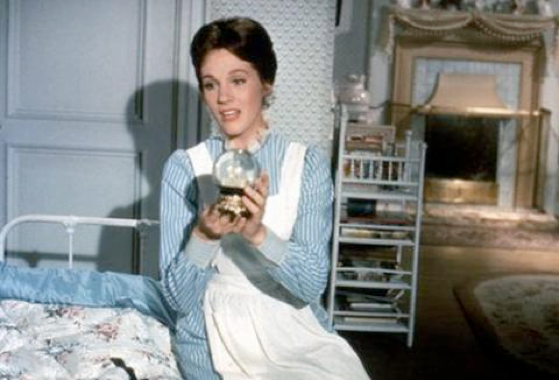
So the news of her death gave me unexpected pause. How can she be gone, this lovely woman, this practically perfect woman – the Mary Poppins of my childhood?
Already, though we haven’t seen one another for over forty years, I miss her gentle smile.