Broken Brain, Fortified Faith: Shining the Spotlight on Schizophrenia

Broken Brain, Fortified Faith: Shining the Spotlight on Schizophrenia

Broken Brain, Fortified Faith: Shining the Spotlight on Schizophrenia

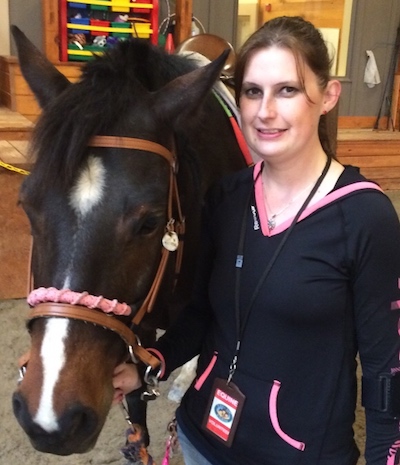
Mental illness resources have become more plentiful in the past few years. Today’s post highlights Broken Brain, Fortified Faith: Lessons of Hope Through a Child’s Mental Illness. The book was written by Virginia Pillars, the mother of a young woman who began exhibiting symptoms in her late teens and early 20s.

I had the honor of reading an advance copy and wrote the following endorsement:

Virginia Pillars tells the story of her adult daughter s descent into schizophrenia with unflinching honesty in Broken Brain, Fortified Faith. But Pillars does more than tell how family, friends, and mental health professionals rallied around one young woman, providing the treatment and support her daughter needed to regain her mental health and learn to manage her condition. The author also educates readers about how the disease affects the brain, how it is treated, and what people must do financially and legally to protect loved ones until they recover from the disease. Best of all, Pillars shares her thoughts, doubts, and faith struggles, as well as the comfort and strength she found as she prayed for her daughter and saw those prayers answered in unexpected ways. Broken Brain, Fortified Faith is an approachable and highly readable book for anyone who wants to learn more about schizophrenia and how to support those dealing with it. I highly recommend it.

But you don’t have to take my word for it. Broken Brain, Fortified Faith has received several honors since its release in September of 2016. In April, it received the Catholic Writers’ Guild Seal of Approval. Then, in May, it won the Blue Ridge Writers’ Conference Selah Award in the memoir category.

What makes this book a powerful and valuable resource is Pillar’s unflinching recounting of the challenges her family faced while trying to find effective treatment. In addition to strong story telling, Pillars uses the research she conducted while searching for treatment to effectively explain this disease and the therapies used to control it. Woven into every page is the story of how her faith sustained and motivated her to advocate for her daughter and find hope in overwhelming circumstances.

If you’re looking for encouragement, plain talk, and information about schizophrenia, I encourage you to purchase the paperback or Kindle edition of Broken Brain, Fortified Faith.

By

Jolene Philo is a published author, speaker, wife, and mother of a son with special needs.

Author Jolene Philo

To get posts delivered to your inbox, enter your email address:

Delivered by FeedBurner

Archives

Categories

Related Posts

Accepting Help and Letting Go: The Dilemma of a Special Needs Parent

Accepting Help and Letting Go: The Dilemma of a Special Needs Parent

Accepting Help and Letting Go: The Dilemma of a Special Needs Parent

Accepting help and letting go are hard pills for parents of kids with special needs to swallow. As her daughter nears her 20th birthday, guest blogger Karen Jackson reflects upon what she’s learned about accepting help and letting go. Her struggle is a universal one, so expect to see yourself in what Karen has to say.

Accepting Help and Letting Go

Accepting Help

Accepting help. It has never been my strong suit. I am pretty sure that I know the best way to care for my daughter and what works well for her. Yet, it is not only a blessing to have caregiving help for Samantha. It is also good for her to have others in her life to push her towards independence and provide new ideas and experiences.

Parents of children with special needs are fiercely strong advocates, used to doing whatever it takes for kids. We are often hyper-vigilant, and we function on less sleep that most. We balance family, work, therapy, numerous medical appointments, and medications. We have been doing this for years and years and years!

So when someone offers to help in any form–whether it be a short respite, or long term in home care–we are simultaneously ecstatic and cautious. How could anyone know our children or care for them like we do? How do we step away to get a short break or more permanent support?

Six years ago, we received notification that we would soon be getting waiver services from the state. I stood in the shower, contemplating what it would mean to our family to have consistent help in our home. I cried, relieved that after 13 years of caring for a child with severe disability, the state finally recognized we needed help.

Waiver services changed my life. But along with that help, so needed and much appreciated, came the realization that I would need to give up some control, let go of constant vigilance, and accept the support of others. It was not, then or now, an easy process.

Even now, I make mistakes and can be overly protective. Sometimes, I forget that Samantha’s current in-home caregiver is very capable. Or that Samantha is almost 20 years old and needs time with friends, experiences that do not include her mother.

Letting Go

Letting go. All parents, regardless of a child’s abilities, need to let go as their children move towards independence. For the parent of a child with special needs, especially of kids who are non-verbal or need specialized care, this challenge is particularly difficult. Both parents and caregivers need to demonstrate patience.

Recently, a professional caregiver mentioned a parent who was resistant to letting her child go on outings, be alone with the caregiver, or let the child out of her sight. Consequently, the child would not respond to the new caregiver in any way, always deferring to the parent. The caregiver wanted to know, “What do I do?”.

My advice to the caregiver was to start small. To begin by taking short, specific outings with an end time in mind. To communicate about details and understand that the parent had to know these details for many years. To take photos of your outing, if possible and send them by phone, reassuring the parent that all is well.

My advice for parents is to start small, also. To spend some time outside the home without your child. To take a walk. To get coffee with a friend. To give the caregiver time to bond and learn about how to best care for your child.

This summer, my husband and I will be married 25 years-a significant anniversary, especially considering the challenges we have faced. We are planning a trip in the fall to  go away for a full week to celebrate. This will be the first time I have been away from Samantha for more than a few days. I am nervous but also realize that we have the supports in place to make it happen. Samantha is old enough to handle having me away for a week, whether or not I am ready.

Building up to a long trip away has taken me a very long time. A short time ago, I was the parent who was afraid to let her daughter out of her sight for a minute, sure I was the only person who knew what was best for her.

Accepting help and letting go. It is a tough lesson for many parents of children with special needs. So be patient and show grace. Give others the chance to be a blessing to you and your child, trusting that in the end God is looking out for us all.

Do you like what you see at DifferentDream.com? You can receive more great content by subscribing to the quarterly Different Dream newsletter and signing up for the daily RSS feed delivered to your email inbox. You can sign up for the first in the pop up box and the second at the bottom of this page.

By

Karen Jackson is the Executive Director of Faith Inclusion Network (FIN) of Hampton Roads where she lives with her husband and three children in Norfolk, VA. She is also the author of Loving Samantha. You can connect with Karen at the Faith Inclusion Network page.

Author Jolene Philo

To get posts delivered to your inbox, enter your email address:

Delivered by FeedBurner

Archives

Categories

Related Posts

6 Special Needs Tent Camping Tips

6 Special Needs Tent Camping Tips

6 Special Needs Tent Camping Tips

Special needs tent camping may sound impossible, but guest blogger Trish Shaeffer encourages families to give it a try. Today, she shares her 6 best special needs tent camping tips with Different Dream readers.

Summer is here, and I often get asked if having special needs kids keeps us from going on vacation. My answer?

Absolutely not!

We still do family vacations regardless of our twins with special needs. Even camping! And I’m not talking RV camping. I’m talking tent camping, which is a great way to save money and have a fun and memorable family vacation. In fact, a camping trip was our first-ever family vacation, and it was a dry run for an actual big vacation. So how did we do it?

Special Needs Tent Camping Tip 1: Make a Trial Run

We stayed at the camp site for a weekend to try it out: it went well and the kids loved it. The only thing we overdid was packing too much stuff. But now I know exactly what to bring next time.

Special Needs Tent Camping Tip 2: Consider Your Child’s Needs

We keep our sons’ needs in mind when planning a vacation and choosing a camping spot. For example, for places with larger crowds we bring along noise-cancelling headphones or take a break during the day away from noise and people. We also keep in mind how long we are out and about on vacation.

Special Needs Tent Camping Tip 3: Bring Necessary Equipment

When we go camping, we need a tent site with electricity for Alex’s nebulizer and other medical equipment. He also sleeps on a cozy air mattress because of his cerebral palsy.

Special Needs Tent Camping Tip 4: Find the Perfect Campground

For great family-friendly camping spots, check online through the your state’s Department of Conservation and Natural Resources website. It should have information on accessibility. At the Pennsylvania website, we located a camping spot that was handicap-friendly, and it didn’t cost any extra. We were even fairly close to the lake front.

Special Needs Tent Camping Tip 5: Look for Accessible Activities

Having a kid in a wheelchair makes going on vacation a real planning deal because we have to make sure travel destinations are handicap accessible. Luckily, many places do offer handicap accessible actives. Even beaches have handicap ramps down to the ocean.

One of the things you have to remember when planning a family vacation is simply to ask if you are not sure. Most people are understanding and friendly and will help you with accommodations. Some restaurants even offer a menu for people with food allergies.

Special Needs Tent Camping Tip 6: Be Creative

There are many other details to keep in mind–from keeping your kids in their tents and not going astray, to how to take your special needs child fishing in a wheelchair. All you need to do is be creative with your planning and brave enough to try a family adventure somewhere you have always wanted to go. Be adventurous and have fun!

Your Special Needs Tent Camping Tips?

Have you gone camping with kids who have special needs? What tips did you discover along the way? Leave them in the comment box if you like!

Do you like what you see at DifferentDream.com? You can receive more great content by subscribing to the quarterly Different Dream newsletter and signing up for the daily RSS feed delivered to your email inbox. You can sign up for the first in the pop up box and the second at the bottom of this page.

By

Trish Shaeffer mom of 3 active boys, a 9-year-old and 5-year-old twins who were born 2 months early and have special needs. She’s a peer supporter for Parent to Parent and volunteers with the United Cerebral Palsy Network, Special Olympics, and the United Way. She’s also an equine volunteer at Leg Up Farm. She’s married to her best friend and biggest supporter, Chris Shaeffer.

Author Jolene Philo

To get posts delivered to your inbox, enter your email address:

Delivered by FeedBurner

Archives

Categories

Related Posts

How to Raise a Health Care Self-Advocate

How to Raise a Health Care Self-Advocate

How to Raise a Health Care Self-Advocate

Once upon a time, my husband and I were our son’s sole health care advocates. For the first 4 years of his life, we faced numerous life and death decisions concerning surgeries, medical tests, and treatment. After those dramatic early years his health stabilized, and our decisions about his health care were more run-of-the-mill.

When he was 15, medical tests showed another major surgery was needed. When our son, who had grown into a strong-willed, intelligent adolescent heard the news, he made clear to us and the surgeons that he expected to be part of the decision-making process. At first my husband and I were taken back by his demand. And then we did the math.

In 3 short years, our son would turn 18, at which time he would be in charge of his own health. Therefore, we made everything regarding his upcoming surgery–the pre-op tests, doctor consultations, even life and death decisions–into a self-advocacy training exercise. Here’s what we learned about raising a health care self-advocate during that experience and as our son entered adulthood.

  1. Write down your child’s medical history. You may remember what treatments (for physical, mental, and emotional ailments) your child received, but your child won’t. Our son has no explicit memories of the tests, treatments, and 7 surgeries he went through before he was 5. So when he was a young adult, I wrote a narrative that included the hospitals where the surgeries took place, the doctors and surgeons who treated him, and anything else I could remember. That medical history equips him to be a health care self-advocate.

To read the rest of this post, visit Key Ministry’s Special Needs Parenting blog.

Do you like what you see at DifferentDream.com? You can receive more great content by subscribing to the quarterly Different Dream newsletter and signing up for the daily RSS feed delivered to your email inbox. You can sign up for the first in the pop up box and the second at the bottom of this page.

By

Jolene Philo is a published author, speaker, wife, and mother of a son with special needs.

Author Jolene Philo

To get posts delivered to your inbox, enter your email address:

Delivered by FeedBurner

Archives

Categories

Related Posts

Special Needs Vacation Tips and Tricks

Special Needs Vacation Tips and Tricks

Special Needs Vacation Tips and Tricks

School’s out, summer’s here, and it’s time to make vacation plans. Guest blogger Trish Shaeffer is here with field tested tips and tricks for a special needs vacation everyone in the family will enjoy.

Special Needs Vacation Tips and Tricks

Everyday life with a special needs child is full of running around like a chicken with its head cut off, but summer vacation time can bring a whole new meaning to “multi-tasking.” To make vacation time planning a little easier, here are some special needs vacation tips and tricks I have used over the years. Feel free to use one, use them all or even add some of your own in the comment box below.

We usually travel by car which brings its own sense of adventure. It’s good to note that during any car ride for longer than an hour or two, it’s good to pull over, take a break and have everyone stretch their legs. We have had some adventures at truck stops, gas stations, and rest stops along the way to our destination. But the most important tip is to always have fun. With that said, here we go!

Special Needs Vacation Beach Tips

Tired of carrying a heavy umbrella to the beach? You can buy clip-on umbrellas that work great for strollers and, yes, even wheelchairs. I found our umbrella at a beach store. No more heavy umbrella to carry to the beach and it’s adjustable.

Tired of getting sand all over your towel or blanket? Just bring along a fitted crib or bed sheet. Use coolers to hold up the corners for no more buried beach blanket. To remove sand from feet and hands, use baby powder and brush sand away.

Beach not handicapped accessible? Use a wagon or boogie board to pull your child to the water or around the beach. This will work depending on the size and balance of your child. Alex loves going for a ride to the water.

A few other beach tips.

  • Freeze water bottles or juice bottles before going to beach. By the time you get there, your drinks are just thawing out and cold to drink.
  • To keep medications cool, place them in a Ziploc or water tight bag, and tape it to the inside lid of an ice cooler. This works for epi pens too. Make sure to follow instructions for temperature storage for medication.
Special Needs Vacation Camping Tips

Need a child-size air mattress for half the cost? Use inflatable pool mats for the kids to sleep on while camping.

Have a wanderer on your hands? Have them wear bright colors so you can easily locate them. You can also hang small bells on tent zippers so you will know when the tent is being opened. Install a buddy system; have siblings pair up to keep each other safe. For extra safety, put a GPS tracker on your child. Many sync right to your cell phone and are small enough to fit on wrists or even shoes.

Too hot outside? Place wet wash cloths in Ziploc bags and place on ice in a cooler until needed. Place the cloths on the back of your child’s neck to cool them down on a hot day.

Want to avoid bathroom disasters? Make sure to get a beach or camping spot close to the bathrooms. Or bring a travel potty seat to make it easier for your child. We found one for our son that adapts nicely and has handles for him to balance.

A few other camping tips.

  • Get a campsite with electrical outlets for any equipment you bring along such as a nebulizer or feeding pump.
  • Always have a first aid kit when traveling and extra blankets. Also bring any chargers or car chargers you need.
  • Nap mats and yoga mats work great if you are out at the campsite and you child needs some tummy time.
  • Bring a spray bottle with water and mint mixture. Spray on your child to keep them cool and to keep the bugs away.
  • Test tick guards on small site to check a reaction. Always check with your child’s healthcare provider before using natural remedies and essential oils. Also ask what percentage of DEET should be in your child’s bug spray.
  • Bring noise-cancelling head phones for loud attractions or hand dryers in the bathroom. If you child is like mine, the headphones are a must against the wicked hand dryer.

Last but least, just in case you forgot….have fun with your family on your special needs vacation adventures!

Do you like what you see at DifferentDream.com? You can receive more great content by subscribing to the quarterly Different Dream newsletter and signing up for the daily RSS feed delivered to your email inbox. You can sign up for the first in the pop up box and the second at the bottom of this page.

By

Trish Shaeffer mom of 3 active boys, a 9-year-old and 5-year-old twins who were born 2 months early and have special needs. She’s a peer supporter for Parent to Parent and volunteers with the United Cerebral Palsy Network, Special Olympics, and the United Way. She’s also an equine volunteer at Leg Up Farm. She’s married to her best friend and biggest supporter, Chris Shaeffer.

Author Jolene Philo

To get posts delivered to your inbox, enter your email address:

Delivered by FeedBurner

Archives

Categories

Related Posts

Wonderfully Made Family Camp Top Ten, 2017

Wonderfully Made Family Camp Top Ten, 2017

Wonderfully Made Family Camp Top Ten, 2017

Wonderfully Made Family Camp, 2017, is over, and my heart is full. So full, I don’t know how to convey the beauty God orchestrated the weekend of June 1-4. Hopefully, this top 10 list will give you a taste of the goodness experienced by the 38 families and 70 volunteers who gathered at Hidden Acres for 3 incredible days.

10. From the mouths of babes. When a little boy was asked what he did during afternoon family time, he replied in all seriousness, “I went horse ride backing.”

9.  Adult night out. A sit down, candlelight dinner with live jazz, during which the dad of a girl with special needs teared up and said, “My wife and I never get to go out together like this.”

8.  The hot air balloon. The wonder on peoples’ faces when they rode in the hot air balloon basket or watched its night glow each time the propane tank fired was priceless.

7. Ugis Pallo. He’s the Latvian pastor who inspired the camp. He was a special guest at camp this year and surprised everyone by doing the splits.

6. The power of a pick up truck. Emily Colson, who spoke to parents, was absolutely delighted to drive a great big pick up truck around camp.

5. Emily Colson and her powerful message. The author of Dancing with Max: A Mother and Son Who Broke Free speak to and connect with parents as she shared the joys and challenges experienced while raising her son.

4. Compassionate (and outraged) dads. After hearing how Emily and Max were once booed by a hostile audience until they left the movie theater two days after Christmas, several dads said they wished they had been in the audience to demand that mother and son be allowed to stay.

3. Selfless moms. 38 selfless women cared for their children 24/7. Every day, they sacrificed sleep, their health, and their professions as they pour their lives into their kids with special needs and into their typically-developing siblings. If you want to see Jesus shining through his people, get to know these moms.

2.  Kids with special needs and their volunteer buddies. In a few hours, complete strangers bonded with each other and the families they served. And the many volunteers who served as program leaders, dining hall cleaners, security team, hospitality desk, runners, gophers, spa workers, carnival barkers with selfless generosity and grace.

1. The Wonderfully Made Family Camp video for 2017.  This lovely video makes up for what words can’t convey. This video comes with a tissue warning!

Wonderfully Made Family Camp family members and volunteers, give your favorite camp happenings a shout out in the comment box, too.

Do you like what you see at DifferentDream.com? You can receive more great content by subscribing to the quarterly Different Dream newsletter and signing up for the daily RSS feed delivered to your email inbox. You can sign up for the first in the pop up box and the second at the bottom of this page.

By

Jolene Philo is a published author, speaker, wife, and mother of a son with special needs.

Author Jolene Philo

To get posts delivered to your inbox, enter your email address:

Delivered by FeedBurner

Archives

Categories

Related Posts