Celebrate Special Needs Victories

Celebrate Special Needs Victories

Celebrate Special Needs Victories

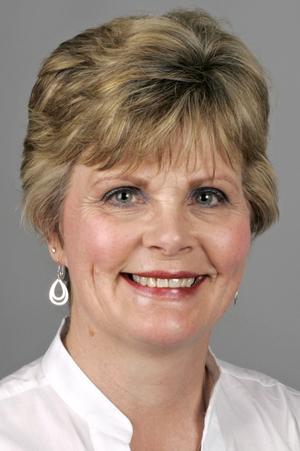
Celebrate! New guest blogger Becky Hallberg has learned to celebrate special needs victories–even the small ones–as she homeschools her three children, one of whom experiences sensory deficits. Today she introduces DifferentDream.com readers to her family and talks about what they’re celebrating.

Celebrate Special Needs Victories!

“Autumn is a second spring when every leaf is a flower.”
-Albert Camus

This is my favorite time of the year. The long days of summer have passed; the cold, East coast winter has not set in yet. It’s still warm enough to get outside to enjoy the sunshine on our faces.  And the deep, warm colors are appearing everywhere we look—pumpkins, trees, shrubs, plants. Beautiful!

Celebrate Autumn

In our home, autumn brings with it a natural slowing down of life. We have settled into the new school year after a few bumpy weeks. The days begin to get shorter and we start to note, sometimes daily, how soon the evening comes. We seem to buy more hot cocoa at this time of year, preparing for cool, crisp nights and brisk mornings. I can’t bear to turn the heat on, not yet. Soon enough it will go on and warm our home, but for now you’ll find us snuggled under blankets, putting on a pair of socks and enjoying the last few days of keeping the windows open.

Celebrate the Past Year

This is the time of year when people begin to reflect back on the year. For some it’s been long, for others it seems to have passed too quickly. Yet it seems that we all take some time, during autumn, to reflect and remember. With each leaf that changes color, with each vibrant color of fall plant, we pause and realize that we are one moment closer to finishing another year.

We deal with special needs in our home, and this has taught us so many things. One of the most important, though, is that each moment is special, and each victory is worth celebrating, not just for this son, but for all of our children! As I reflect on the year our kids have had, I’m always amazed—so many noteworthy remembrances. They are learning and growing remarkably well, they are all healthy, all have their special interests and are pursuing those, all are showing spiritual growth and depth. I cannot ask for more!

Celebrate Small Victories

As I consider, particularly, our son with special needs, a wonderful thought occurs to me. We have intentionally focused on celebrating every small victory for him and for our other two children. Every one of them. Because of that, my heart is full.  As I pause and look around at each warm, vibrant shade of autumn, I am overwhelmed—each changing leaf, each lovely shade of autumn, represents a warm memory of our year. Maybe it was a pronouncement of physical health by our favorite pediatrician; maybe it was a new skill learned and mastered; maybe it was a kindness extended to another. We’ve come a long way and every autumn gives me a chance to reflect in that and to enjoy the warm remembrances that fill my heart!

Celebrate Your Family

Thank you, Becky, for reminding us to celebrate special needs victories, even the small ones. How about you? Did you think of something to celebrate? Please leave a comment so we can celebrate with you.

Do you like what you see at DifferentDream.com? You can receive more great content by subscribing to the quarterly Different Dream newsletter and signing up for the daily RSS feed delivered to your email inbox. You can sign up for the first in the pop-up box and the second at the bottom of this page.

By

Author Jolene Philo

To get posts delivered to your inbox, enter your email address:

Delivered by FeedBurner

Archives

Categories

Related Posts

Special Needs Diagnosis: 4 Tips to Stay Positive

Special Needs Diagnosis: 4 Tips to Stay Positive

Special Needs Diagnosis: 4 Tips to Stay Positive

A special needs diagnosis often throws parents off kilter. No wonder so many DifferentDream.com posts deal with the issue. Here are just a few:

Special Needs Diagnosis Advice

Today, I’m pleased to point you to another article. This one, written by Carrie McLaren, made its debut at www.5minutesformom.com. Carrie is mom to Molly, her daughter who has Down syndrome. The initial news threw Carrie for a loop at first, but she says, “Not long after Molly came home from the hospital, I decided I could either live in fear of the unknown or provide a positive, loving environment for her. I chose to celebrate milestones instead of fear them.” Wise advice, don’t you think?

Special Needs Tips

McLaren offers parents these four tips to help them stay positive after receiving their child’s diagnosis:

  1. Talk, Talk, and Talk Some More: McLaren suggests you find someone you trust and let all your feelings out.
  2. Cry: “Don’t be afraid to cry…There are days when the only thing that makes me feel better is a good crying session,” McLaren says.
  3. Be Honest: She also says, “Down syndrome and the special needs world were so new to me in the beginning months…I’ve never been ashamed or afraid to admit when I don’t know something.”
  4. Write It Down: Carrie suggests writing things down and then looking back in a few years to see how far you’ve come.

To read the rest of McLaren’s post and see some adorable pictures of Molly, read the entire post at Staying Positive after a Special Needs Diagnosis.

How Did You Stay Positive?

Carrie’s tips are right on target. But my guess is that you have some tips, too. And since parents need plenty of positive reinforcement, leave your tips in the comment box for so others don’t have to beg, borrow, and steal ideas from strangers!

Do you like what you see at DifferentDream.com? You can receive more great content by subscribing to the quarterly Different Dream newsletter and signing up for the daily RSS feed delivered to your email inbox. You can sign up for the first in the pop-up box and the second at the bottom of this page.

By

Jolene Philo is the author of several books for the caregiving community. She speaks at parenting and special needs conferences around the country. Sharing Love Abundantly with Special Needs Families: The 5 Love Languages® for Parents Raising Children with Disabilities, which she co-authored with Dr. Gary Chapman, was released in August of 2019 and is available at local bookstores, their bookstore website, and Amazon. See Jane Dance!, the third book in the West River cozy mystery series, which features characters affected by disability, was released in October of 2023.

Author Jolene Philo

To get posts delivered to your inbox, enter your email address:

Delivered by FeedBurner

Archives

Categories

Related Posts

Julie Keon’s Advice for Parents, Part 2

Julie Keon’s Advice for Parents, Part 2

Julie Keon’s Advice for Parents, Part 2

Julie Keon, author of the essay, What I Would Tell You, is back today. In yesterday’s post you learned Tim and Julie Keon’s special needs parenting story. Today, she explains how life changed after the essay went viral and she started her blog, www.whatiwouldtellyou.com.

Julie, what’s the history of your What I Would Tell You essay? When it went viral, how did your life change?

The essay What I Would Tell You felt like some sort of divine intervention. I saw the mother in the waiting lounge at our children’s hospital in late June of 2011 and I was so profoundly touched when our eyes met that the moment I was out of the building, I started to weep. The words of the essay started flowing into my mind. I could not wait to get home to write it all down. Hours later, I ran upstairs and opened a journal and scribbled the entire essay out in a matter of 30 minutes. I then posted it as a “Note” on Facebook. Within 24 hours, I was receiving messages from all over the world. My friend, who is also the father of a child with special needs, urged me to allow him to create a website as a home base for the essay so that more people could access it. The website was born and I started the blog portion of it in September of 2011.

What encouragement do you have for parents raising kids with a special needs diagnoses…other than your wise words in What I Would Tell You?

That’s a tough question, as I think the essay covers everything. Perhaps, I would encourage them to have faith whether that be through their religious, spiritual, or universal beliefs. I hate to admit it, but I am starting to really surrender to the possibility that there really are no mistakes and that we all have a journey and purpose to live out even if that journey or experience makes absolutely no sense to our limited human mind. Having faith in something greater can be very comforting when things start to get really overwhelming.

What can churches, schools, friends, family, and the medical community do to better support parents of kids with special needs?

I think that there needs to be a genuine understanding that the parents really DO KNOW BEST when it comes to their children. There is a whole lot of talk about this, but I am not certain how many professionals really believe it. I think that when any individual or group makes an effort to ask questions and attempt to understand the real day-to-day experience of the family, then naturally they will offer support that is both effective and useful. Support must be given under the terms of the recipient as opposed to the giver assuming what the recipient needs…..if that makes sense.

What do you want to say that’s not been asked?

I would just like to say thank you for interviewing me, Jolene, and for the wonderful work that you do! I would also add that I am working hard on a book that I hope will be helpful to those who read it eventually. Thank you to everyone who has read and supported What I Would Tell You.

What Would You Like to Tell Julie?

Julie, you are most welcome. The pleasure was all mine! And when your book comes out, please send an update. I’d love to post a review and help publicize it.

How about the rest of you? What would you like to say to Julie? Leave a comment with your own thoughts and experiences or just to say thank you. And if haven’t yet ready Julie Keon’s essay, What I Would Tell You, please stop by her website to read it!

Julie Keon’s Advice for Parents, Part 1

Do you like what you see at DifferentDream.com? You can receive more great content by subscribing to the quarterly Different Dream newsletter and signing up for the daily RSS feed delivered to your email inbox. You can sign up for the first in the pop-up box and the second at the bottom of this page.

By

Jolene Philo is the author of several books for the caregiving community. She speaks at parenting and special needs conferences around the country. Sharing Love Abundantly with Special Needs Families: The 5 Love Languages® for Parents Raising Children with Disabilities, which she co-authored with Dr. Gary Chapman, was released in August of 2019 and is available at local bookstores, their bookstore website, and Amazon. See Jane Dance!, the third book in the West River cozy mystery series, which features characters affected by disability, was released in October of 2023.

Author Jolene Philo

To get posts delivered to your inbox, enter your email address:

Delivered by FeedBurner

Archives

Categories

Related Posts

Julie Keon’s Advice for Parents, Part 1

Julie Keon’s Advice for Parents, Part 1

Julie Keon’s Advice for Parents, Part 1

Julie Keon is the author of What I Would Tell You, an essay she wrote for parents new to the world of special needs. The essay went viral, so Julie created a blog, www.whatiwouldtellyou.com, to reach out those touched by her story. Today, she shares about her and her husband’s experience as parents of Meredith, age eight and a half. Tomorrow, she’ll be back with the story of how What I Would Tell You went viral.

Julie is one busy woman, as she’s a doula (birth and postpartum), prenatal educator, breastfeeding counselor, artist, newspaper columnist, blogger, and writer. She also creates and facilitates workshops and private sessions for women who have experienced a traumatic or difficult birth. Her husband Tim is a network specialist and works at an atomic energy plant.

Julie, would you share your special needs journey with DifferentDream.com readers?

Meredith was born on December 5, 2003, after a full-term pregnancy and a normal labor. Sadly, she aspirated at the time of birth resulting in an abrupt lack of oxygen and consequently a profound brain injury. We unexpectedly and suddenly became parents of a child with special needs and medical fragility. She is and will always be our only child.

How has parenting Meredith changed you and your husband?

Becoming parents of Meredith has enriched our lives and expanded our minds and spirits in ways that I am not sure we could have experienced otherwise. It has not been an easy journey, and dealing with the grief and joy and all of the trials and tribulations that have made up the last eight years has been the greatest experience of our lives. I have taken this as an opportunity to grow as a person as opposed to becoming bitter and burdened or crushed by life not going in the direction I had anticipated or planned.

How has your family been most encouraged and supported since Meredith’s birth?

We moved back to the small town where I was born and raised when Meredith was just nine months old. Being in this environment surrounded by people who know my extended family has been a blessing. Community support and, of course, the support we receive from local agencies and government funding has made it possible to continue to care for Meredith at home. We also learned (eventually!) how to ask for help and accept support from others.

What Would You Like to Tell Julie?

Well, that’s Julie’s story so far. As was mentioned before, she’ll be back tomorrow to tell about her original essay going viral and how that changed life for their family. Until then, you can read What I Would Tell You and leave a comment about how her advice resonates with you.

Julie Keon’s Advice for Parents, Part 2

Do you like what you see at DifferentDream.com? You can receive more great content by subscribing to the quarterly Different Dream newsletter and signing up for the daily RSS feed delivered to your email inbox. You can sign up for the first in the pop-up box and the second at the bottom of this page.

By

Jolene Philo is the author of several books for the caregiving community. She speaks at parenting and special needs conferences around the country. Sharing Love Abundantly with Special Needs Families: The 5 Love Languages® for Parents Raising Children with Disabilities, which she co-authored with Dr. Gary Chapman, was released in August of 2019 and is available at local bookstores, their bookstore website, and Amazon. See Jane Dance!, the third book in the West River cozy mystery series, which features characters affected by disability, was released in October of 2023.

Author Jolene Philo

To get posts delivered to your inbox, enter your email address:

Delivered by FeedBurner

Archives

Categories

Related Posts

Support for Parents of Adults with Special Needs, Pt. 1

Support for Parents of Adults with Special Needs, Pt. 1

Support for Parents of Adults with Special Needs, Pt. 1

Parents of kids with special needs, even when those children become adults, need support from friends and family. Kathy Guzzo, guest blogger and parent of an adult child who lives with lupus, is here today and tomorrow with suggestions of ways to support parents and families. Read on and I think you’ll agree many of these suggestions apply to all special needs families, no matter what age their kids.

When a child is ill, regardless of their age, parents shift into caretaker mode. Nothing is more important at that time than doing what we can care for our child. The daily responsibilities and small tasks may cross our mind, and we wonder how they will get done, but if we want to keep our sanity, we know we must just let them go. This is where friends and family can be a huge help even if the child happens to be an adult. However, their needs are a little different. And if the adult child lives in another state and/or is married things become even more complicated.

Even though our adult daughter has been hospitalized and needed extended care at home several times, I never really thought about what others could do during those times. Then a friend’s son became seriously ill. Although he was married and not living at home, she needed to be with him as much as possible. I really wanted to help her, to support her, but I wasn’t sure what to do.  That’s when I looked back to my personal experience and asked myself what others could’ve done to lighten my load and brighten my day. In the past few months, I’ve written them down and even put some into practice. In each case I felt great knowing their lives were a little brighter and less stressful.

Top 10 Things To Do for A Friend Whose Adult Child Is Ill

  1. Think specifically about what will help, uplift, and be appreciated by your friend. For example, don’t offer to do their laundry if you know they are extremely particular about how it’s folded and/or ironed.
  2. Bring a home cooked meal. Don’t ask when to bring a meal. Tell them you’re bringing dinner. You could even take it a step further and organize freezer meals for others to prepare that you take all at once. That way they doesn’t feel they need to ‘entertain’ when a meal is dropped off.
  3. Think of small things they may not think of at the onset of a serious illness. At the emergency room I wanted to be available without intruding, so when I realized my friend had forgotten her own medications at home and their dog needed to be let out, I volunteered and continued to let her dog out when necessary. Other small things are checking the mail, putting the trash out or bringing in the cans, even checking the expiration date on milk.
  4. Clean the bathroom and kitchen. Many people are uncomfortable having a friend clean their entire house, however if you remind them how nice it would be to come home to a clean bathroom and kitchen, they may agree. Or give them a specific time that you will come over to help them clean, fold laundry, etc. Cleaning together also is a great time to have a real heart to heart with your friend in a relaxed setting.
  5. Flowers are always a nice surprise. Either already on the table when she returns home, dropped off as a surprise, or delivered to where she’s staying if she’s away.
  6. Send encouraging notes. Or send Bible verses or cards via text, email or mail. If you mail a card, consider including a gift card for restaurants.
  7. Respect the family’s privacy. Don’t feel you should visit either at home or in the hospital. Parents wants to spend as much time as possible with their children and many times visitors take more of an emotional toll than the illness itself. Respect their desire to be with family only. Also, offer to be the contact person for other friends by sending out updates via text or email.
  8. Create goodie bags. Occasionally put together bags of chocolate, pretzels, puzzle book, magazine, notepad, pen, fun Kleenex, small gift cards for coffee or sandwiches, etc. These can be dropped off at her home, the hospital, or even mailed.
  9. Be available to listen. Sometimes just talking helps them organize all that’s been happening.
  10. Pray for families and watch for opportunities to serve them.

What’s on Your Top Ten List?

Kathy’s list made me think of a few ways to support parents to add to the list. If you have more ideas, leave a comment. And come back tomorrow for Part 2, when Kathy talks about supporting parents by knowing what not to say.

Do you like what you see at DifferentDream.com? You can receive more great content by subscribing to the quarterly Different Dream newsletter and signing up for the daily RSS feed delivered to your email inbox. You can sign up for the first in the pop-up box and the second at the bottom of this page.

By

Kathy Guzzo and her husband live in Northern Illinois and have 4 adult children. One of her daughters was diagnosed with lupus and Epstein Barr Replication as a young adult. Another began struggling with depression and OCD in her mid-twenties. She understands the need for her daughters to be able to make their own decisions regarding their health, but the nurturer in her sometimes has a hard time letting go. She desires to direct others to the peace and hope that God has abundantly available for them.

Author Jolene Philo

To get posts delivered to your inbox, enter your email address:

Delivered by FeedBurner

Archives

Categories

Related Posts

Parents Need TLC: Part 2

Parents Need TLC: Part 2

Chad Gray Different Dream Interview

After sharing Chad’s story in the first post in this series, I knew you’d want to see a picture of this handsome young man. It makes you smile, doesn’t it?

Rita’s Advice for Parents

When Rita and I talked on the phone a few weeks ago, I asked her to share advice with parents of kids with special needs. Here are her suggestions for staying strong spiritually:

  • Read your Bible every day, even if it’s only a few verses.
  • Claim some verses when your child is diagnosed and lean on them throughout the journey. One of Rita’s verses was Psalm 46: 10 – Be still and know that I am God.
  • Ask people to be on your prayer team and pray for your specific needs.
  • Pray for the doctors and educators working with your child.
  • Instead of focusing on the possibility of death, be thankful each day that your child is living with his condition.
  • Adjust your attitude by paying attention to the other families in the hospital. There’s always a family experiencing greater difficulties than you are.
  • Schedule play dates at your house so you can answer questions friends have about your child’s condition.

Rita’s Advice for Friends

Rita also shared the following advice for friends of the family:

  • Remember what the parents enjoyed doing before the life-altering diagnosis. Talk about hobbies or interests with parents instead of focusing only on illness and treatment. Parents will welcome the change and find it refreshing.
  • If you want to give a gift to the child, give gifts to his siblings so they don’t feel overlooked.

In the last post in this series, you’ll learn about what’s inside Rita’s group Bible study and how to use it. Until then, choose one of Rita’s suggestions and give it a try. If it makes a difference in your attitude or ability to cope, leave a comment.

Do you like what you see at DifferentDream.com? You can receive more great content by subscribing to the quarterly Different Dream newsletter and signing up for the daily RSS feed delivered to your email inbox. You can sign up for the first in the pop up box and the second at the bottom of this page.