All Hail the Birth of Jesus!

All Hail the Birth of Jesus!

All Hail the Birth of Jesus!

All hail the birth of Jesus!

The import of one word in that command electrified me as I worshipped with my home congregation during this Advent season. We were singing the new-to-me song, Arrival, and the lyrics grabbed my attention and my heart.

The word that zapped me was not baby, though the reality of Jesus coming to earth as an infant over 2000 years ago is shocking.
The word was not divine, though the concept of the Son of God living on earth in perfect relationship with His Father is equally shocking.
The word that sent a surge of energy and wonder through me was all.

All. As in everyone.
All included.
All present.
All expected.
All welcome.
All worshipping.

All. As in all hail the birth of Jesus. All–young and old, male and female, rich and poor, walking and wheeling, speaking and silent, hearing and deaf, sighted and blind, ill and well–gathered together to celebrate and proclaim the birth of our king.

Over and over, the lyrics of Arrival repeated the call that all hail the birth of Jesus. The words reminded me of Paul’s vision in Philippians 2:10–11 of how we all will one day respond to the name of Jesus: every knee should bow…and every tongue confess that Jesus Christ is Lord.

My heart rejoiced as I pictured the great throngs of believers singing together once every barrier to inclusive worship is broken. But my joy was tempered when I thought of how far churches still have to go before they can share the good news with those who live with disabilities in their own communities, much less around the world.

To read the rest of this post, visit the Joni and Friends blog.

Do you like what you see at DifferentDream.com? You can receive more great content by subscribing to the monthly Different Dream newsletter and signing up for the daily RSS feed delivered to your email inbox. You can sign up at the bottom of this page.

By

Jolene Philo is a published author, speaker, wife, and mother of a son with special needs.

Author Jolene Philo

To get posts delivered to your inbox, enter your email address:

Delivered by FeedBurner

Archives

Categories

Related Posts

Santa, Special Needs and the Single Mom: 3 Reasons to Focus on Meaning over Make-Believe

Santa, Special Needs and the Single Mom: 3 Reasons to Focus on Meaning over Make-Believe

Santa, Special Needs and the Single Mom: 3 Reasons to Focus on Meaning over Make-Believe

Santa, special needs and the single mom. Now that’s a combination too often overlooked during the Christmas season. Guest blogger Lesley Butterfield Harrop explains her complicated relationship with St. Nick in light of her son’s special needs and how she navigates the holidays as a single mom and caregiving parent.

Being a single mom for the past couple years after being married for the majority of my adult life, I have gained a new perspective on a lot of things that may seem rather ho ho, ho-hum to others. Tasks as simple as hiring a home maintenance technician are all of a sudden not so simple. New requirements have surfaced; I only allow someone I can trust in my home and the person must call ahead. Getting new brakes on my car is another example; I must go to a trustworthy garage, knowing that a single woman can seem to scream “overcharge me please, because I will never suspect it.”

But it was a surprise to me when I suddenly felt . . . different about Santa, special needs and the single mom?!

There are many reasons for the “it’s complicated” relationship I now have with ole’ St. Nick, but don’t judge just yet, because my reasons are as simple as safety, trust, and authenticity.

  1. Safety. As a single mother, I live alone with my four young children. The very fact that a man dressed up in a red suit is permitted to enter unannounced into our home while we all sleep is, well, disturbing. Think I’m over-reacting? Yes, join the club. For an entire Christmas season, I tried to push away the feelings of discomfort, while we decorated our artificial evergreen with hand-me-down Hallmark ornaments. But, finally, it came upon a midnight clear, and it was evident that I could not normalize this scenario for my kids. It may seem silly, but really, I am fully aware of my own vulnerabilities as a single mom and so it was necessary for our family in our circumstances.
  2. Trust. One thing that is important to me as a mother is building and enhancing the connection with my kids. I want them to feel safe and loved in our family no matter what. I did not want them to ever think I would intentionally lie to them. It stood to reason that I had trouble purposefully perpetuating pretending over focusing on the magic of the season in ways that are based in truth, symbolism, and the true meaning of Christmas.
  3. Authenticity. My oldest son has autism spectrum disorder, a condition in which sometimes he has trouble distinguishing between reality vs. make-believe. Because of this, we aim for interactions grounded in reality and based in authenticity. That is not to say that creativity and abstract thinking isn’t important—it’s vital! We can instill all of these qualities in our kids while paying close attention to the specific needs of kiddos that have special needs.

But before you think I have taken all the fun out of Christmas morning, let me explain how we do foster hope, magic, giving, and surprise during the holiday season. Unpacking Santa Claus has been a process for me and for my kids. We have really navigated this together and that journey has been really memorable. I don’t not do Santa, but I don’t do Santa in the commercial sense either. Instead, we focus on the three areas of meaning, miracles, and magic.

  1. Meaning. What does Santa symbolize to us? Gift-giving, hope, magic, and wonderment, along with many other amazing things! We’ve woven in new traditions that honor these values within our holiday celebrations. We know that the idea of Santa really means doing something for someone without letting them know it was you who did it. We look for opportunities to do this for friends, neighbors, and other within our community. We have a Secret Santa tradition in our own family that has become almost as beloved as Christmas morning itself!
  2. Miracles. If you are religious, focusing on the miracles of the season can be easily incorporated into holiday celebrations, with the reading of scripture or other secular traditions, like attending midnight mass. When I was young, my mother collected all kinds of Christmas books and would display them in our home at Christmastime. Books like Christmas Oranges, Polar Express, The Velveteen Rabbit, and The Tale of Three Trees were displayed in every room. I’ve carried this tradition to my own kids and it is truly full of miraculous joy! Finding and focusing on Christmas miracles can also foster hope and resiliency in kids.
  3. Magic. My kids know Santa as a fun, pretend character. We actively play make-believe and engage in Christmas fantasies that involve a time-traveling Santa who must wear a flame retardant suit and is able to visit all the world’s children in just a single night! Kids love mystery and wonder! You don’t have to take that away just because of a break-up with Santa. When my younger kids ask about Santa, I simply turn the question back to them, saying, “What do you think?” As kids grow, this kind of magic and mystery can grow with them, instead of being stopped and stifled as soon as they find out that big secret was a sham. We have found that there is something magical about stepping into the winter wonderland of Kris Kringle, Father Christmas, and Sinterklaas. We read all sorts of Santa stories, we explore the cultural folklore, and we honor timeless traditions that fill our hearts with warmth and joy. The magic is always there, even with a pretend Santa. And kids like presents no matter who they’re from!

Regardless of what your particular family does to celebrate the holidays, it always helps to learn about the traditions of others and to take a look at our own! When we examine why we celebrate that way we do, we can often uncover core family values that have been passed down through generations, just like the stories of St. Nick!

Do you like what you see at DifferentDream.com? You can receive more great content by subscribing to the monthly Different Dream newsletter and signing up for the daily RSS feed delivered to your email inbox. You can sign up at the bottom of this page.

By

Lesley Butterfield Harrop lives in the Appalachian mountains with her four children. She relishes being a mother and works to promote mindfulness and emotional intelligence within her own family. Lesley is a registered nurse by trade, with many years of experience in Community Health. She is also a freelance writer, sharing her thoughts and experiences of raising a child with special needs, navigating single motherhood after family trauma, and raising awareness of advocacy within her community.  

Author Jolene Philo

To get posts delivered to your inbox, enter your email address:

Delivered by FeedBurner

Archives

Categories

Related Posts

Small Things Are Worthy of Great Gratitude

Small Things Are Worthy of Great Gratitude

Small Things Are Worthy of Great Gratitude

Small things are worthy of great gratitude. I know this. You know this. Every parent raising a child with special needs knows this. Even so, I consistently ignore the small blessings God does provide and fixate on the big things I think He should provide.

Are you with me on this? Are you having a hard time coming up with much to be grateful for this Thanksgiving? If you are, I invite you to join in a new holiday tradition.

I call it thinking small.

Instead of wracking your brain for the big things God did for you and your loved ones in the past year, make a list of small things. It took me less than 5 minutes to come up with 10 small things I’m grateful for this Thanksgiving.

Here they are.

  1. Mom’s Fabulous Franklin Chex Mix recipe. It is so good!
  2. Grandma Conrad’s Never-Fail Pie Crust recipe. It’s the only pie crust recipe that works every time. And it’s the foundation of pie, my favorite dessert.
  3. The smell of onions and celery being sautéed for stuffing on Thanksgiving morning. (I don’t like stuffing, but I LOVE that smell.)
  4. My mom is 91 and will be with us for the holiday. How many 63-year-olds have their mothers with them on Thanksgiving?

To read the rest of Small Things Are Worthy of Great Gratitude, visit Key Ministry’s blog for special needs parents.

Do you like what you see at DifferentDream.com? You can receive more great content by subscribing to the monthly Different Dream newsletter and signing up for the daily RSS feed delivered to your email inbox. You can sign up for the first in the pop up box and the second at the bottom of this page.

By

Jolene Philo is a published author, speaker, wife, and mother of a son with special needs.


Author Jolene Philo

To get posts delivered to your inbox, enter your email address:

Delivered by FeedBurner

Archives

Categories

Related Posts

When Being Thankful Is Hard As a Special Needs Parent

When Being Thankful Is Hard As a Special Needs Parent

When Being Thankful Is Hard As a Special Needs Parent

When being thankful is hard as a special needs parent––and let’s not beat around the bush, watching our children struggle doesn’t lend itself to loud hosannas––how do we approach Thanksgiving? How do we cultivate gratitude without sugar coating the challenges in our kids’ lives? How can we be grateful when a child’s condition is going from bad to worse, and we can find nothing to be grateful for?

I stared down those questions more than once when our baby boy struggled to stay alive.

The first time was during my first Thanksgiving as a parent. By then our six-month-old had endured 2 major surgeries, a three week NICU stay, a week long PICU stay, two dozen early morning GI procedures, and an overnight hospital stay on Halloween weekend. I was sleep-deprived, grieving, and my breasts were sore after months of pumping milk for our tube-fed baby who could tolerate nothing but breast milk. The thought of being thankful for my child’s precarious state of health and the pain our baby had endured was unimaginable. Cruel.

I couldn’t do it.

The week after my thankless Thanksgiving, I did what proud, new parents everywhere do. I composed a Christmas letter, complete with pictures of our baby boy in his elf costume, to mail to the many friends and family members who had faithfully prayed for us since our son’s birth.

To read the rest of this post visit the blog at Hope Anew’s website.

Do you like what you see at DifferentDream.com? You can receive more great content by subscribing to the monthly Different Dream newsletter and signing up for the daily RSS feed delivered to your email inbox. You can sign up for the first in the pop up box and the second at the bottom of this page.

By

Jolene Philo is a published author, speaker, wife, and mother of a son with special needs.

Author Jolene Philo

To get posts delivered to your inbox, enter your email address:

Delivered by FeedBurner

Archives

Categories

Related Posts

Special Needs Families Can Make Thanksgiving Something to Be Thankful For in These 4 Ways

Special Needs Families Can Make Thanksgiving Something to Be Thankful For in These 4 Ways

Special Needs Families Can Make Thanksgiving Something to Be Thankful For in These 4 Ways

Special needs families can make Thanksgiving something to be thankful for by thinking through the holiday ahead of time. Today, guest blogger Jenn Soehnlin shares ideas she puts in practice so Thanksgiving is fun for everyone at her house.

How Special Needs Families Can Make Thanksgiving Something to Be Thankful For

Thanksgiving is one of my favorite holidays. I love gathering with loved ones to reflect on all the things we are thankful for and realize how blessed we truly are  while eating some amazing food. 

But, the realities of special needs parenting can make the holiday challenging if we are not intentional about protecting it and making necessary plans to help the holiday go peacefully. Here are four tips I’ve found to help plan for a more intentional Thanksgiving.

#1: Release Cultural Expectations

Just because everyone else celebrates with turkey, mashed potatoes, and pumpkin pie doesn’t mean you need to as well. Maybe there’s a meal your whole family enjoys and will make for a new, fun family tradition without all the cooking. 

Just because everyone else gathers with the whole extended family, doesn’t mean you have to as well. This is a holiday for you and your family, and you can celebrate it however you feel is best without feeling guilty about it.

#2: Do What’s Best For Your Family

Some relatives can be very supportive of our family’s unique needs, and some…not so much. If you need to say no to a whole family Thanksgiving gathering because it will be stressful and overwhelming for your family and child, then graciously say no. Thank them for the invitation but tell them that this year your family has other plans.

It can be hard to say no to our loved ones, but by saying yes to them we could be saying no to what’s best for our own family. According to Genesis 2:24 we are called to be stewards of our spouse and children before our parents, siblings, and other relatives.

#3: Make The Accommodations You Know Your Child Will Need

Every Thanksgiving the only thing my younger son will eat is the rolls. The only thing my older son will eat is the turkey, so when we go to family’s house for Thanksgiving dinner, I pack a few food items they’ll eat to make the meal more complete for them. Knowing they have a whole plate of food they will eat makes for a smoother meal and less anxiety for everyone.

We always bring their tablets when we go to a family Thanksgiving. When my children start feeling overwhelmed, they can go play their devices in a quiet room. You know what your child needs and will eat, so pack what is necessary and plan ahead to make the holiday go as smoothly as possible.

#4: Celebrate The Things You Are Thankful For.

Thanksgiving is one day we set aside each year to intentionally celebrate the things and the people we are thankful for. 1 Thessalonians 5:8 says “Give thanks in all circumstances, for this is God’s will for you in Christ Jesus.”

Sometimes it can be hard to find things to be thankful for on this special needs parenting journey full of stresses and challenges. In the month of November, I reflect on (and journal about) the things I am thankful for. I encourage you to do the same. The intentional change in perspective from the things that are hard to the things that are good, the things that I am grateful for is helpful to my spirit and my outlook on life. Here are some things to reflect upon: 

  • The qualities you love most about each family member. 
  • Provisions and blessings your family have experienced this year.
  • Progress your child(ren) have made–every milestone and every single hard-fought inch in-between. 
  • The people in your village who help you, your child, your family. 
  • What you’ve learned on this special needs parenting journey. 
  • How you’ve been challenged and grown in your faith this year.

I hope these ideas help you have a wonderful Thanksgiving with your loved ones. May it be filled with peace, joy, love, and thanksgiving!

Do you like what you see at DifferentDream.com? You can receive more great content by subscribing to the monthly Different Dream newsletter and signing up for the daily RSS feed delivered to your email inbox. You can sign up for the first in the pop up box and the second at the bottom of this page.

By

Jenn Soehnlin celebrates Thanksgiving with her family in Virginia. She is the mother of two young boys who are precious blessings and who both have special needs. She is the author of Embracing This Special Life: Learning to Flourish as a Mother of a Child with Special Needs and enjoys blogging about faith and special needs parenting at www.embracing.life.

Author Jolene Philo

To get posts delivered to your inbox, enter your email address:

Delivered by FeedBurner

Archives

Categories

Related Posts

4 Tricks to Make Halloween a Treat for Your Child with Special Needs

4 Tricks to Make Halloween a Treat for Your Child with Special Needs

4 Tricks to Make Halloween a Treat for Your Child with Special Needs

Are you looking for tricks to make Halloween a treat for your kids with special needs? Guest blogger Trish Shaeffer offers these 4 tips to make costumes, the atmosphere, treats, and words fun for your child this Halloween.

4 Tricks to Make Halloween a Treat for Your Child with Special Needs

Most kids can’t wait to try on Halloween costumes and make their way through the neighborhood trick-or-treating. But for children with special needs, Halloween can bring new challenges. Their choices of costume or candy may be restricted so that Halloween is not always such a treat.

Though children may have limited mobility, a sensory processing disorder, a cognitive problem or a food allergy, they still can enjoy Halloween. Try these tricks to make the haunted holiday the right kind of scary.

  1. Make costumes work for your child. The traditional boo won’t do if your child’s costume includes a wheelchair, or your kids hate the feel of scratchy material, makeup, and masks. But never fear, you can make it work! Many online stores have costumes for kids with special needs or can even give you ideas on how to make your own. If your child uses crutches, a walker or a wheelchair, get creative! Even crutches can complement a costume. Just be sure the costume doesn’t  interfere with your child’s mobility.
  2. Prepare the senses. For kids with sensory processing disorder, candy, nippy fall air, running around after dark, costumes, or even the noises in the dark can be a challenge. To make sure your child can handle the night, try one of these tricks: Let your child stay at home and hand out treats. Or create a comfortable costume and practice wearing it beforehand. You should even practice the steps of what to say during trick-or-treating to prepare them for the night.
  3. Take the scare out of treats. If you’re terrified of trusting others to understand your child’s food restrictions, add a warning sticker, a shirt, or a print out to your child’s costume. You can find many ideas online at sites like Star Allergy Alerts. If you child has food sensitivities or allergies, you can also plan ahead to suggest alternatives like toys or all-natural candy. When in doubt, look for the teal pumpkins when going door to door. These pumpkins signify safe treats for children with food allergies. Look for local events that also offer trick-or-treating opportunities for kids with allergies.
    4. Provide wise words. For children with developmental or speech delays, you can make cards to hand out when they go door-to-door. These cards explain the issue to others so they can understand your child’s needs and offer a friendly hello even without a word from your child. There are many great ideas online for these cards.

I hope these tricks make Halloween a treat for your child. Have a Boo-tiful day and a happy Halloween. And feel free to leave your Halloween tips in the comment box, too.


Do you like what you see at DifferentDream.com? You can receive more great content by subscribing to the quarterly Different Dream newsletter and signing up for the daily RSS feed delivered to your email inbox. You can sign up for the first in the pop up box and the second at the bottom of this page.

By

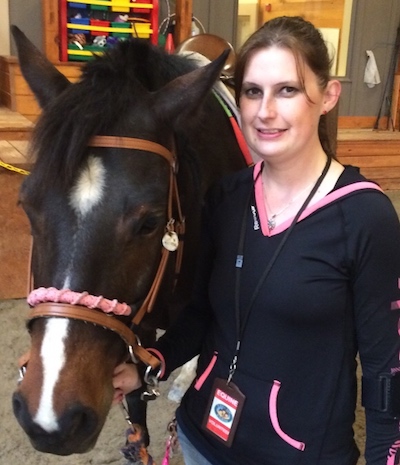
Trish Shaeffer mom of 3 active boys, a 9-year-old and 5-year-old twins who were born 2 months early and have special needs. She’s a peer supporter for Parent to Parent and volunteers with the United Cerebral Palsy Network, Special Olympics, and the United Way. She’s also an equine volunteer at Leg Up Farm. She’s married to her best friend and biggest supporter, Chris Shaeffer.

Author Jolene Philo

To get posts delivered to your inbox, enter your email address:

Delivered by FeedBurner

Archives

Categories

Related Posts