A Valentine’s Day Love Story

A Valentine’s Day Love Story

A Valentine’s Day Love Story

A Valentine’s Day love story, if present day culture is to be believed, is all about candlelit dinners, chocolates, diamonds, and declarations of undying devotion. This Valentine’s Day love story is about loving a little boy who lives with anxiety, ADHD, and high-functioning autism just as he is.

“Grammy,” said our 8-year-old grandson Tad when he entered our kitchen. “Someone did something terrible in the bathroom. Come see.”

His little sister followed us into the bathroom where thick rivulets of hand soap ran down the mirror above the sink. The sister denied having had anything to do with it. Another look at the miserable expression on my grandson’s face, and I sent her out of the room.

“Did you do this, Tad?”

“Yes,” he said with tears in his eyes.

“Why did you lie?”

He began to cry. “Because I didn’t want you to get mad at me. Are you mad at me Grammy?”

“I’m not mad at you, Tad.” I hugged him. He hugged back. “Just disappointed. Mostly because you lied, and it’s hard to trust someone who lies. You know that, right?”

He nodded.

“Let’s clean this up together.”

We talked while mopping hand soap off of the counter, the faucet, the sides of the vanity cabinet, and the wall.

“What made you do it?” I asked.

“My mind quit working, and I couldn’t stop.”

“Did you know what you were doing was wrong?”

His lip trembled. “Yes, but the naughty part of me took over.”

I took a few seconds to decide what to say. “Everybody, even grownups, has to fight against choosing naughty things. The only human who chose the right way every time was Jesus. He did it because he was completely human and also completely God. You’re not Jesus and neither am I. We’re humans who choose to be naughty sometimes, and Jesus still loves us.”

To read the rest of A Valentine’s Day Love Story, visit the Hope Anew website.

Do you like what you see at DifferentDream.com? You can receive more great content by subscribing to the monthly Different Dream newsletter and signing up for the daily RSS feed delivered to your email.

Photo by Victoria Aleksandrova on Unsplash

By

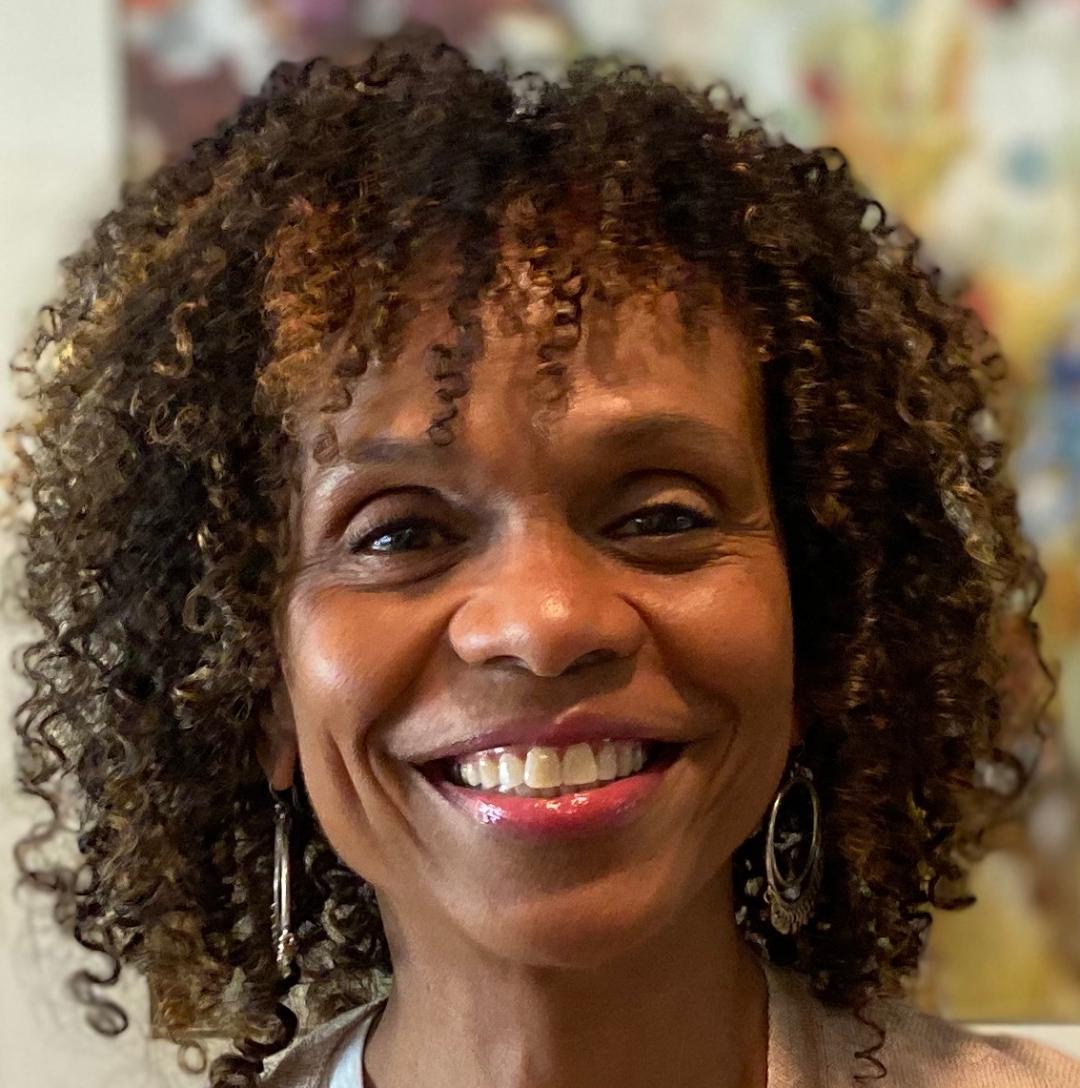
Jolene Philo is the author of several books for the caregiving community. She speaks at parenting and special needs conferences around the country. Sharing Love Abundantly With Special Needs Families: The 5 Love Languages® for Parents Raising Children with Disabilities, which she co-authored with Dr. Gary Chapman, was released in August of 2019 and is available at local bookstores, their bookstore website, and Amazon. See Jane Dance!, the third book in the West River cozy mystery series, which features characters affected by disability, was released in October of 2023.

Author Jolene Philo

To get posts delivered to your inbox, enter your email address:

Delivered by FeedBurner

Archives

Categories

Related Posts

An Unexpected Christmas Gift

An Unexpected Christmas Gift

An Unexpected Christmas Gift

An unexpected Christmas gift was given to guest blogger Sandy Ramsey-Trayvick and her family more than 2 decades ago. Today she shares her reaction to the gift shortly after it was given and how she views it now.

My son Myles got sick on December 10, 1999. My family had attended a Christmas party four days before. I have memories and pictures from that party of my son giggling with excitement as he raced back and forth across the room, practicing his newly developing walking skills. He was healthy and happy. Our family was excited and looking forward to enjoying the holiday season. But our little boy suddenly became very ill. Instead of planning for Christmas, my husband and I found ourselves in the emergency room receiving the news that our 13-month-old had contracted strep pneumococcal meningitis and was in a coma.

I remember sitting next to his hospital bed in the pediatric intensive care unit signing the photo Christmas cards that featured my three little ones all dressed up in their holiday best. Sending photo cards of my kids to family and friends had become one of my holiday traditions. This particular year, as I signed each card, I prayed for God to awaken my baby boy in time for Christmas. I pleaded with the Lord but His answer was no. The Christmas of 1999 was the saddest I’ve experienced.

I asked the Lord for just one gift and didn’t receive it.

There have been a lot of Christmases since then and, thankfully, my son has been awake and at home for all of them. Through that long illness and the special needs journey that has followed, the Lord has blessed our family with gifts I hadn’t thought to ask for as I sat in that hospital room all those years ago.

God began revealing His first gift to us shortly after Myles was hospitalized.

Prior to that long hospital stay, my husband and I held inaccurate ideas about God and His ways. In the midst of some of our most difficult circumstances with Myles, God gave us the gift of truly getting to know Him. We experienced Him as Teacher, Comforter, Protector, Advocate, and Waymaker. Prior to that hospital experience, we had heard about God and His ways, but He gave us the gift of knowing and seeing Him for ourselves. In the almost 25 years since my son’s initial illness, we’ve continued to know God more intimately as we’ve walked with Him through both joyful and painful experiences.

Through this special needs journey, the Lord has also given me the gift of knowing my true identity.

Becoming a special needs mom challenged all the ways I saw myself. My old chosen identity had been tied primarily to my performance and accomplishments—but it didn’t fit with my new life as a special needs mom. As I struggled for a sense of significance in this role, the Lord walked me through His Word to teach me who He says I am. He taught me that my significance—my worth and value—have always been in Christ. I didn’t need to choose an identity because He had already chosen one for me, one that would remain unchanged by new roles or unforeseen circumstances.

As I reflect back over the past two decades and more, I’m relishing an unexpected Christmas gift of remembrance—the ability to look back and recall all that God has done in and through my family’s special needs life. He has continued to give.

Do you like what you see at DifferentDream.com? You can receive more great content by subscribing to the monthly Different Dream newsletter and signing up for the daily RSS feed delivered to your email.

Photo by Igor Omilaev on Unsplash

By

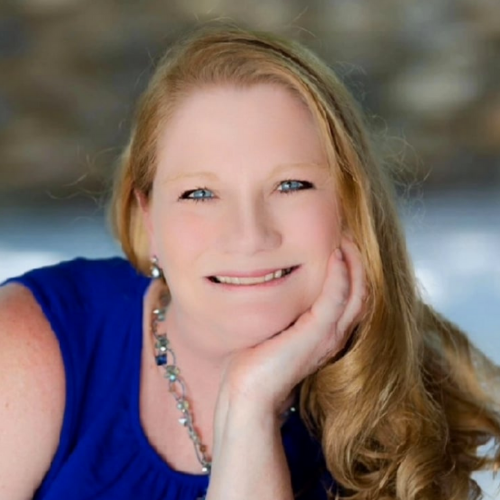
Sandy and her husband are parents to three young adult children. Their son was diagnosed with multiple disabilities 24 years ago after a devastating illness as a toddler. Following her son’s diagnosis, Sandy quit her job to become his full-time caregiver and advocate.

Sandy is currently a Certified Professional Coach. Her focus is to empower special needs parents who are feeling weary by helping them to renew their hope and strength and reactivate their joy.

You can learn more about Sandy and her work at www.UNDisabledLIVES.org. You can also reach her at Sandy@UNDisabledLIVES.org.

Author Jolene Philo

To get posts delivered to your inbox, enter your email address:

Delivered by FeedBurner

Archives

Categories

Related Posts

Creating Unique, Disability-Friendly Christmas Traditions

Creating Unique, Disability-Friendly Christmas Traditions

Creating Unique, Disability-Friendly Christmas Traditions

Creating unique, disability-friendly traditions may feel like one more task to add to your holiday to do list. These ideas from guest blogger Kristin are anything but one more thing. In fact, her ideas will simplify some of what you’re already doing and give you permission to let other things go.

It can be easy to feel pressure from family, friends, or work to participate in typical holiday activities. But usual Christmas traditions and gatherings can be challenging for families with special needs. Taking a child with medical needs or developmental disabilities to loud, large, or crowded places can be difficult. Just leaving the house can cause more stress than enjoyment. If this sounds like your family, consider modifying usual activities and making new Christmas traditions and memories unique to your family’s needs.

Evaluate Holiday Plans

Start by reflecting on these seven questions as you create your family’s best holiday experience:

    1. What kinds of activities does your family enjoy together?
    2. What kinds of activities does your family not enjoy?
    3. What types of social situations or outings work well for your family?
    4. What types of social situations or outings do not work well for your family?
    5. What expectations or pressures from family and friends might you be trying to fulfill that might not be best for your family?
    6. What could you do differently this year that would decrease stress and create more enjoyment for your family?
    7. What’s one new special tradition you can start that will be unique for your family?

Modify Typical Holiday Activities

Here are some ways for modifying and creating unique, disability-friendly Christmas traditions to fit your family:

    • In place of going to a large family gathering, invite a few family members to your home or schedule a different time to go visit family when only a couple of people will be there.
    • In lieu of going to a Christmas show or large light display at a crowded center, pile into the car, turn on Christmas music, and drive around looking at Christmas lights or go to a drive through light show.
    • Instead of going out to eat, decorate your table and order carry out. Or have a fondue or pancake party.
    • If opening a lot of presents on Christmas morning causes stress for your child, open a few presents at a time throughout the day.
    • If getting pictures made at the mall with Santa scares or upsets your child, take pictures in a private setting in which your child feels more comfortable with a Christmas toy or decoration they like.
    • In place of going to a party, invite one family over for a fun night.
    • If making Christmas cookies or other traditional goodies usually ends in a meltdown, have your child help with only one step of the process.

It might feel like your child or family is missing out. But what you all are likely going to remember most is how the holiday made you feel. Creating unique, disability-friendly Christmas traditions may look different from those of other families, and that’s okay. What’s most important is that you enjoy the holiday together, however that might look for your family.

Do you like what you see at DifferentDream.com? You can receive more great content by subscribing to the monthly Different Dream newsletter and signing up for the daily RSS feed delivered to your email.

Embedded Photos by Richard Stachmann on Unsplash

By

Kristin lives with her husband, Todd, and their two children in the Nashville, TN area. She is an author, speaker, mental health counselor, and a mom of two children with rare genetic disorders and complex needs. Her greatest passion is teaming up with her husband to empower other parents of children with disabilities, mental health disorders, and medical complications. She hopes that you may find encouragement and support on their website www.DisabilityParenting.com

Author Jolene Philo

To get posts delivered to your inbox, enter your email address:

Delivered by FeedBurner

Archives

Categories

Related Posts

Birthdays and Disabilities Are Like Cake and Ice Cream

Birthdays and Disabilities Are Like Cake and Ice Cream

Birthdays and Disabilities Are Like Cake and Ice Cream

Birthdays and disabilities are like cake and ice cream for my family. We can’t have one without the other. For many years I didn’t appreciate this truth. Now I do. Today is my birthday again, and I’ll welcome joy and sorrow to my party. They’ve put in appearances before.

I have no doubt that they’ll do it again.

They first showed up the year I turned either two or three. I’m not sure which, but it was the first birthday I remember. My mom made a chocolate birthday cake with chocolate frosting. She decorated it with the outline of a clown holding a bunch of balloons. The strings were thinly piped icing and the balloons were round, sour ball candies. Then she covered the cake with foil, put it and me in the car, and drove to where my dad had been hospitalized since his diagnosis multiple sclerosis. We celebrated with him and a little girl he’d befriended. She was a few years older than me and lay on a stretcher throughout the party. She liked the cake and the candies, too.

Two things about that day remain vivid in my mind–her joyful wave when the nurse wheeled her away when the party ended, and the sorrow in Dad’s eyes as he waved back.

Joy and sorrow visited on my twenty-sixth birthday, too. My two-month-old son was in a hospital 750 miles away from home, and I was with him. He was recovering from an emergency operation to correct complications related to the life saving surgery he’d undergone at birth. I sat next to our two-month-old’s crib and watched his chest rise and fall.

To read the rest of this post, visit Key Ministry’s blog for parents.

Do you like what you see at DifferentDream.com? You can receive more great content by subscribing to the monthly Different Dream newsletter and signing up for the daily RSS feed delivered to your email inbox. You can sign up for both at the bottom of this page.

By

Jolene Philo is the author of the Different Dream series for parents of kids with special needs. She speaks at parenting and special needs conferences around the country. She’s also the creator and host of the Different Dream website. Sharing Love Abundantly With Special Needs Families: The 5 Love Languages® for Parents Raising Children with Disabilities, which she co-authored with Dr. Gary Chapman, was released in August of 2019 and is available at local bookstores, their bookstore website, and at Amazon.

Author Jolene Philo

To get posts delivered to your inbox, enter your email address:

Delivered by FeedBurner

Archives

Categories

Related Posts

My Other Child

My Other Child

My Other Child

My other child is the one rarely mentioned on this blog. Like other typical siblings of kids with special needs and disabilities, her story is the one less told.

Less told, but no less important.
Less dramatic, but no less precious.
Less worrisome, but no less life-changing.
Less demanding, but no less worthy of our attention.

Like every typical sibling of a child with disabilities and special needs, she deserves her time in the sun. Today, on her birthday, I’d like you to meet my other child, the one rarely mentioned here, who was born six years after her big brother.

I could tell you about her childhood was different than his or how their personalities are polar opposites. But that would make her share the spotlight with him, and she’s had to do that all her life. Instead, I’m going to show to you her great and lovely heart.

When she was 5, my other child told her dad she wanted to ask Jesus to live inside her because she couldn’t be good all by herself. She told him she loved him more than Leppy her favorite stuffed animal, and if she ever started loving Leppy more than him, Jesus should take him away. Her own children play with Leppy now.

When she was 10 and my heart was broken, she brought me her favorite paint-by-number picture and a little butterfly sculpture she’d made. “I hope they make you feel better,” she said. They didn’t, but she did.

When she was 15, my other child and a friend who also loved to sew spent hours and days creating costumes for high school theater productions. Despite time and distance, their friendship and love for sewing remains strong to this day.

When she was 21, my other child and her husband stood shoeless as they recited their wedding vows. They wanted to acknowledge the gravity of their commitment to one another by standing barefoot on holy ground like Moses before God in the burning bush. They take those vows just as seriously now.

When she was 25, my other child persevered through a long, drug-free labor before welcoming her first child into the world. She marshaled her formidable stubbornness to give her baby a strong start in life. She makes sacrifices to grow his strength every day.

When she was 27, my other child and her young family uprooted their lives and moved to the town where my husband and I live. Throughout her growing up years, she’d watched my mother care for my disabled father. She and her husband want to be with us when we get to that stage of life.

When she was 29, my other child became a mom again. She and her husband brought their new baby from the hospital to our shared home. She navigated grandparent advice with grace and kindness.

Today my other child turns 32. We will celebrate with her, her husband, and their 2 children because of the sacrifice they made on our behalf. We will eat what she wants for supper with cherry pie for dessert. We will tell stories about when she was little. We will listen as she describes her plans for expanding and improving her vegetable garden. We will cheer as she gives an update about how her book coaching business is growing.

Above all, we will be grateful for the gift her old soul has been to our family. And I will say a prayer of thanksgiving for my other child, the one rarely mentioned on this blog.

How I wish you all could meet her.

Do you like what you see at DifferentDream.com? You can receive more great content by subscribing to the monthly Different Dream newsletter and signing up for the daily RSS feed delivered to your email inbox. You can sign up for the first in the pop up box and the second at the bottom of this page.

By

Jolene Philo is both parent and daughter of loved ones with special needs and disabilities, as well as a former educator who worked with children for 25 years. She’s written several books about caregiving, special needs parenting, and childhood PTSD, including the recently released Sharing Love Abundantly in Special Needs Families: The 5 Love Languages® for Parents Raising Children with Disabilties, which she co-authored with Dr. Gary Chapman. She speaks internationally about caregiving and parenting children with special needs and blogs at www.DifferentDream.com. Jolene and her husband live in central Iowa.

Author Jolene Philo

To get posts delivered to your inbox, enter your email address:

Delivered by FeedBurner

Archives

Categories

Related Posts

Three Themes Common to Special Needs Dads

Three Themes Common to Special Needs Dads

Three Themes Common to Special Needs Dads

Three themes common to special needs dads resonate with guest blogger, Mark Arnold, as Father’s Day approaches. He’s here with straight talk about how to think differently about each of them.

Whenever I talk to dads in a group or on their own long enough, at least one of these three themes common to special needs dads will emerge. Themes that fill them with sadness, regret, pain, grief.

#1: I Have To Be The Strong One

Dads who identify their role in the family as being the strong one try to hold it all together. It’s a very manly approach, convincing ourselves that we’ve got it all together. By inference, it makes the Mum the weak one who is falling apart and struggling most.

My experience is that this couldn’t be further from the truth. Scratch beneath the tough exterior of dads, get them to start opening up about how they feel, get them sharing with other dads about their child, their worries, the things they find hard, and they are as vulnerable and hurting as anyone else.

Dads need to learn from mums to be willing to share feelings, to be vulnerable, to seek out and find dads on a similar journey. There is great truth in the saying that it’s okay to not be okay. There is strength in seeking help and support. Talking is powerful It helps us and those we are talking with too.

#2: I Need to Be in Control and Fix This

Dads often respond to their child being diagnosed with a special need or disability by looking for ways to stay in control, to manage this, to fix this. We look for an answer that is going to make it all go away. This can’t happen. Often without realizing it, dads are stuck in a cycle of grief that is as real for a parent of a child diagnosed with a special need or disability as it is for a bereaved parent. We grieve for what is lost, both the life we dreamed of for our child, and perhaps even the life we dreamed of for ourselves.

The cycle of grief includes denial. Then anger, that can be toxic and lead to broader relationship issues. Bargaining follows when many dads look for ways to negotiate a way out of this. Those with a faith might plead with God, “if only you’ll fix this, I’ll be a good person, I’ll go to church.” Depression arrives when a dad realizes there isn’t a way to do a deal on this, and or fix it. Finally, dads come to acceptance, a place of understanding and appreciation of our and our child’s new life emerges. All is not dark. There is much to look forward to, as Welcome to Holland expresses.

#3: I Should Leave

In so many cases, too many cases, dads leave. Maybe they have struggled to cope with being strong when inside they are broken. Maybe they have been overwhelmed by the cycle of grief and are stuck in one of its stages. Maybe they have struggled with their child taking up all of the attention of their partner, which led them to seek comfort elsewhere. Maybe something else caused this family to reach the breaking point.

Sadly, over half of families with a child who has a disability experience significant relationship difficulties and breakups. Not every relationship is fixable. Sometimes the diagnosis for a child is merely the final pressure that opens cracks that were there all along. But it doesn’t always have to end this way. If dads and mums are willing to understand their feelings, to appreciate what is going on, to talk about them and seek support and help, some relationships can be turned around.
Seek help before it’s too late. Your children need their dad. Your partner needs someone to share the load, be there for the family, raise your children, and to build a good life with.

I’m as broken and struggling as the next dad. I have bad days, I behave like an idiot. But I’ve learned I don’t have to stay that way. I hope you can join me on that journey. Thanks for taking the first step by reading this. 

Do you like what you see at DifferentDream.com? You can receive more great content by subscribing to the monthly Different Dream newsletter and signing up for the daily RSS feed delivered to your email inbox. You can sign up for the first in the pop up box and the second at the bottom of this page.

By

Mark Arnold is the Additional Needs Ministry Director at Urban Saints, a leading national Christian children’s and youth organization. He is co-founder of the Additional Needs Alliance, a national and international advocate for children and young people with additional needs or disabilities. Mark is a Churches for All and Living Fully Network partner, a member of the Council for Disabled Children and the European Disability Network. He writes an additional needs column for Premier Youth and Children’s Work (YCW) magazine and blogs at The Additional Needs Blogfather. He is father to James, who has autism spectrum condition, associated learning disability, and epilepsy. To find out more about how Mark’s work can help you, contact him at: marnold@urbansaints.org or @Mark_J_Arnold.

Author Jolene Philo

To get posts delivered to your inbox, enter your email address:

Delivered by FeedBurner

Archives

Categories

Related Posts