An Unexpected Christmas Gift

An Unexpected Christmas Gift

An Unexpected Christmas Gift

An unexpected Christmas gift was given to guest blogger Sandy Ramsey-Trayvick and her family more than 2 decades ago. Today she shares her reaction to the gift shortly after it was given and how she views it now.

My son Myles got sick on December 10, 1999. My family had attended a Christmas party four days before. I have memories and pictures from that party of my son giggling with excitement as he raced back and forth across the room, practicing his newly developing walking skills. He was healthy and happy. Our family was excited and looking forward to enjoying the holiday season. But our little boy suddenly became very ill. Instead of planning for Christmas, my husband and I found ourselves in the emergency room receiving the news that our 13-month-old had contracted strep pneumococcal meningitis and was in a coma.

I remember sitting next to his hospital bed in the pediatric intensive care unit signing the photo Christmas cards that featured my three little ones all dressed up in their holiday best. Sending photo cards of my kids to family and friends had become one of my holiday traditions. This particular year, as I signed each card, I prayed for God to awaken my baby boy in time for Christmas. I pleaded with the Lord but His answer was no. The Christmas of 1999 was the saddest I’ve experienced.

I asked the Lord for just one gift and didn’t receive it.

There have been a lot of Christmases since then and, thankfully, my son has been awake and at home for all of them. Through that long illness and the special needs journey that has followed, the Lord has blessed our family with gifts I hadn’t thought to ask for as I sat in that hospital room all those years ago.

God began revealing His first gift to us shortly after Myles was hospitalized.

Prior to that long hospital stay, my husband and I held inaccurate ideas about God and His ways. In the midst of some of our most difficult circumstances with Myles, God gave us the gift of truly getting to know Him. We experienced Him as Teacher, Comforter, Protector, Advocate, and Waymaker. Prior to that hospital experience, we had heard about God and His ways, but He gave us the gift of knowing and seeing Him for ourselves. In the almost 25 years since my son’s initial illness, we’ve continued to know God more intimately as we’ve walked with Him through both joyful and painful experiences.

Through this special needs journey, the Lord has also given me the gift of knowing my true identity.

Becoming a special needs mom challenged all the ways I saw myself. My old chosen identity had been tied primarily to my performance and accomplishments—but it didn’t fit with my new life as a special needs mom. As I struggled for a sense of significance in this role, the Lord walked me through His Word to teach me who He says I am. He taught me that my significance—my worth and value—have always been in Christ. I didn’t need to choose an identity because He had already chosen one for me, one that would remain unchanged by new roles or unforeseen circumstances.

As I reflect back over the past two decades and more, I’m relishing an unexpected Christmas gift of remembrance—the ability to look back and recall all that God has done in and through my family’s special needs life. He has continued to give.

Do you like what you see at DifferentDream.com? You can receive more great content by subscribing to the monthly Different Dream newsletter and signing up for the daily RSS feed delivered to your email.

Photo by Igor Omilaev on Unsplash
By

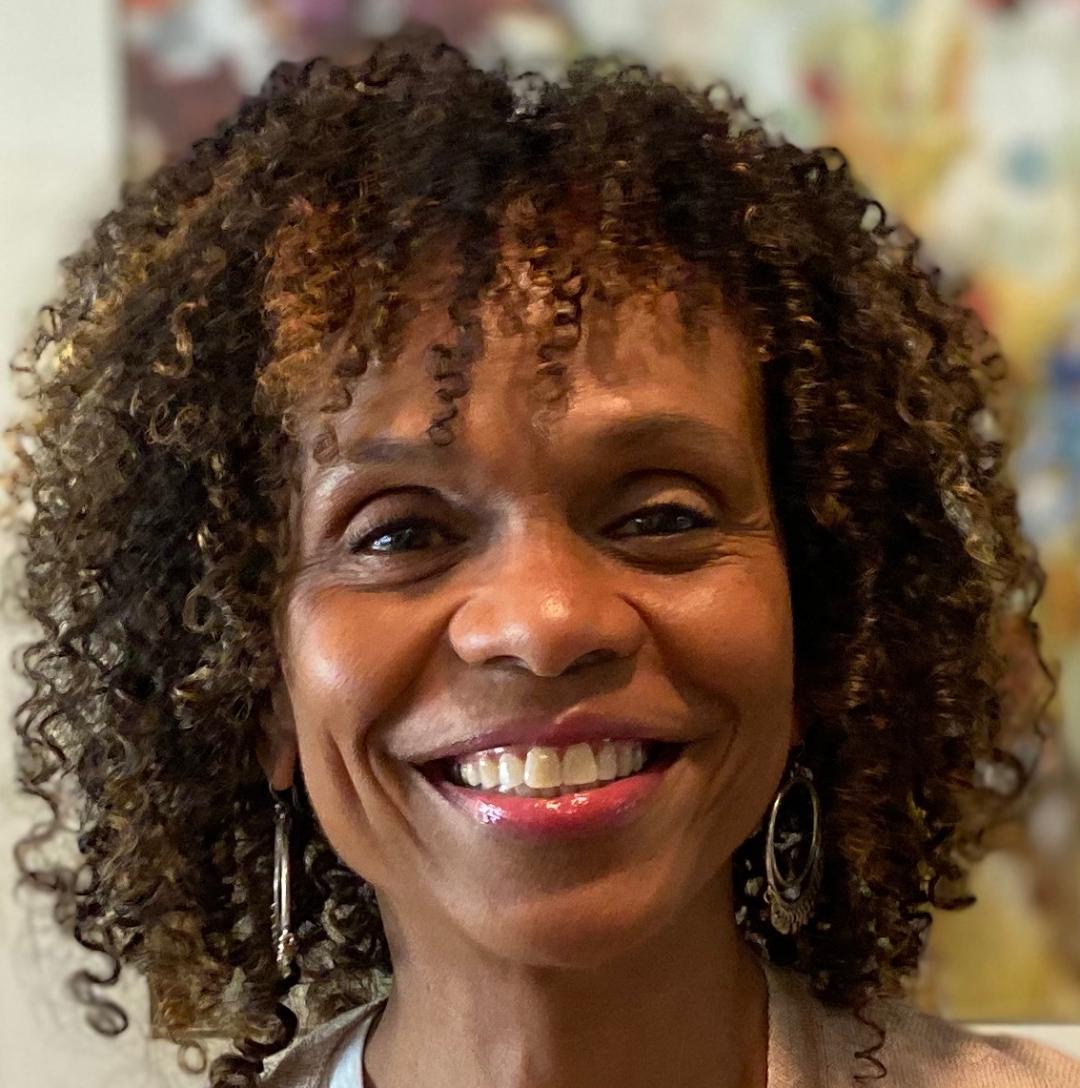
Sandy and her husband are parents to three young adult children. Their son was diagnosed with multiple disabilities 24 years ago after a devastating illness as a toddler. Following her son’s diagnosis, Sandy quit her job to become his full-time caregiver and advocate.

Sandy is currently a Certified Professional Coach. Her focus is to empower special needs parents who are feeling weary by helping them to renew their hope and strength and reactivate their joy.

You can learn more about Sandy and her work at www.UNDisabledLIVES.org. You can also reach her at Sandy@UNDisabledLIVES.org.

Author Jolene Philo

To get posts delivered to your inbox, enter your email address:

Delivered by FeedBurner

Archives

Categories

Related Posts

We’ll Get Through This

We’ll Get Through This

We’ll Get Through This

We’ll get through this.

Those are the words I was about to type for the beginning of this post when the tornado siren blew. I grabbed my computer and phone and ran through the kitchen toward the basement apartment where our daughter and her family live.

She met me on the stairs. “Mom, tell the construction crew to come inside.”

10 minutes earlier  they’d been in the footing trenches for our house addition, building forms so the pumper truck could pour concrete. Now they were running through driving rain to their truck.

I opened the front door and flagged them down. Soon my daughter, my son-in-law, my grandkids and I were sharing the basement with 4 strangers sheltering from the storm together.

None of us had masks. We stayed as far from one another as we could, and we watched as the storm intensified. The electricity flickered and went out. A doe and fawn ran across the back pasture desperate for cover.

The construction workers called to see how their families were. My husband called from work to see how we were. “We’re okay,” I said. “We’ll get through this.”

After a half hour, the storm let up and the construction guys left.

“Let’s hope no one gets COVID,” I said once they were gone.

“We had to choose between possible death for them and a slight risk of sickness for us,” my daughter replied. “We made the right choice.”

To read the rest of We’ll Get Through This, visit Hope Anew’s blog here.

Do you like what you see at DifferentDream.com? You can receive more great content by subscribing to the monthly Different Dream newsletter and signing up for the daily RSS feed delivered to your email inbox. You can sign up for the first in the pop up box and the second at the bottom of this page.

By

Jolene Philo is the author of the Different Dream series for parents of kids with special needs. She speaks at parenting and special needs conferences around the country. She’s also the creator and host of the Different Dream website. Sharing Love Abundantly With Special Needs Families: The 5 Love Languages® for Parents Raising Children with Disabilities, which she co-authored with Dr. Gary Chapman, was released in August of 2019 and is available at local bookstores, their bookstore website, and at Amazon.

Author Jolene Philo

To get posts delivered to your inbox, enter your email address:

Delivered by FeedBurner

Archives

Categories

Related Posts

Jesus, Kids with Special Needs and Their Families, Part 5

Jesus, Kids with Special Needs and Their Families, Part 5

Jesus, Kids with Special Needs and Their Families, Part 5

Jesus, kids with special needs, and their parents were acknowledged and valued by Jesus. He showed compassion to parents who brought their children into his presence. In the final installment of this series about Jesus, kids with special needs, Mark Arnold unpacks the story of how Jesus healed a boy with an unclean spirit.

What Happened in the Story

This story is recorded in Matthew 17, Mark 9, and Luke 9. At the beginning, a crowd is following Jesus when a man approaches him. The man kneels before Jesus and asks for mercy toward his son. The description of the boys; symptoms suggest epilepsy. The father had asked the disciples could help his son, but they weren’t able to. Jesus seems exasperated. Perhaps with the disciples for their lack of faith. Perhaps because of the way the father asked–“If you can do anything…” Jesus commands the spirit to come out of the boy. The child appears dead, but Jesus lifts him up and is healed.

How the Parent Acted and Reacted

Seeking: The father looked for a way to help his son. He was desperate to stop the seizures that threatened his son’s life.

Uncertain and Hesitant: The father was not sure where to turn. He approached the disciples first, which suggests he didn’t have the confidence to go directly to Jesus. Only when the disciples failed did he aim higher. Even then he wasn’t sure Jesus would be able to help.

Desperate: The father kept going though, even when rebuked by Jesus. Even when he wasn’t sure what he was saying or what he believed.

What We Can Learn from Jesus, Kids with Special Needs, and their Parents

Like the boy’s father we may be better at seeking worldly help our child than heavenly assistance. We hesitant to ask God to help us and our children We fear rebuke, rejection, and disappointment. We become confused and nervous mess when seeking God’s help for our children. There is no need to feel like that because God wants to hear from us. This story shows that out of our tiny, mustard seed faith, great trees can grow!

To read more of this series, check out the links below:

Jesus, Kids with Special Needs, and Their Parents, Part 1

Jesus, Kids with Special Needs, and Their Parents, Part 2

Jesus, Kids with Special Needs, and Their Parents, Part 3

Jesus, Kids with Special Needs, and Their Parents, Part 4

Jesus, Kids with Special Needs, and Their Parents, Part 5

Do you like what you see at DifferentDream.com? You can receive more great content by subscribing to the monthly Different Dream newsletter and signing up for the daily RSS feed delivered to your email inbox. You can sign up for the first in the pop up box and the second at the bottom of this page.

By

Mark Arnold is the Additional Needs Ministry Director at Urban Saints, a leading national Christian children’s and youth organization. He is co-founder of the Additional Needs Alliance, a national and international advocate for children and young people with additional needs or disabilities. Mark is a Churches for All and Living Fully Network partner, a member of the Council for Disabled Children and the European Disability Network. He writes an additional needs column for Premier Youth and Children’s Work (YCW) magazine and blogs at The Additional Needs Blogfather. He is father to James, who has autism spectrum condition, associated learning disability, and epilepsy. To find out more about how Mark’s work can help you, contact him at: marnold@urbansaints.org or @Mark_J_Arnold.

Author Jolene Philo

To get posts delivered to your inbox, enter your email address:

Delivered by FeedBurner

Archives

Categories

Related Posts

Jesus, Kids with Special Needs, and their Parents, Part 3

Jesus, Kids with Special Needs, and their Parents, Part 3

Jesus, Kids with Special Needs, and their Parents, Part 3

Jesus, kids with special needs, and their parents were treated compassionately by Jesus. What Jesus said to their has value for our families today. In part 3 of Mark Arnold’s series about Jesus, kids with special needs, he examines lessons we can learn from the story of Jesus bringing Jairus’ daughter back to life.

What Happened in the Story

The story of Jarius and his daughter is recorded in Matthew 9, Mark 5, and Luke 8. Jarius is a synagogue leader who begs Jesus to help his daughter who is dying. Jesus agrees to come but is interrupted on the way by the woman who had a condition that made her bleed. Members of Jairus’ household then arrive and say the girl is dead. Jesus continues on his way to Jarius’ house and finds a commotion of grieving people. Jesus says the girl is not dead, but sleeping. Everyone other than the girl’s parents and his disciples laugh at him. Jesus takes the parents and three disciples into the girl’s room. He commands her to get up, and to the astonishment of everyone and the delight of her parents, she does!

How the Parents Reacted

Begging and pleading: The father is a synagogue leader, a man of authority. Yet he humbles himself by kneeling before Jesus and begging him to help his daughter.

Faithful, believing: Jarius believes that Jesus can save his daughter, healing her by putting his hands on her.

Devastated: The death of his daughter must have been a hammer blow to her father. He surely was filled with grief. He must have questioned whether the outcome would have been different if Jesus had gone straight to his home.

Amazed: Jesus isn’t put off by this news or the people who laughed at him. Instead, he raised the girl from the dead. Her parents must have been filled with wonder and amazement!

What We Can Learn from Jesus, Kids with Special Needs, and their Parents

This account should lead us to ask questions of ourselves. Can our pride get in the way of bringing our children into God’s presence? Do we humble ourselves as the synagogue leader did? Do we have faith, truly believing that God will hear and respond to our prayers? How do we behave when God doesn’t respond to our prayers as expected? Are we astonished?

God might not always give the answer we want. Jairus certainly didn’t initially, but he kept believing and trusting, even when others were mocking Jesus.

To read more of this series, check out the links below:

Jesus, Kids with Special Needs, and Their Parents, Part 1

Jesus, Kids with Special Needs, and Their Parents, Part 2

Jesus, Kids with Special Needs, and Their Parents, Part 3

Jesus, Kids with Special Needs, and Their Parents, Part 4

Jesus, Kids with Special Needs, and Their Parents, Part 5

Do you like what you see at DifferentDream.com? You can receive more great content by subscribing to the monthly Different Dream newsletter and signing up for the daily RSS feed delivered to your email inbox. You can sign up for the first in the pop up box and the second at the bottom of this page.

By

Mark Arnold is the Additional Needs Ministry Director at Urban Saints, a leading national Christian children’s and youth organization. He is co-founder of the Additional Needs Alliance, a national and international advocate for children and young people with additional needs or disabilities. Mark is a Churches for All and Living Fully Network partner, a member of the Council for Disabled Children and the European Disability Network. He writes an additional needs column for Premier Youth and Children’s Work (YCW) magazine and blogs at The Additional Needs Blogfather. He is father to James, who has autism spectrum condition, associated learning disability, and epilepsy. To find out more about how Mark’s work can help you, contact him at: marnold@urbansaints.org or @Mark_J_Arnold.

Author Jolene Philo

To get posts delivered to your inbox, enter your email address:

Delivered by FeedBurner

Archives

Categories

Related Posts

Jesus, Kids with Special Needs, and their Parents, Part 2

Jesus, Kids with Special Needs, and their Parents, Part 2

Jesus, Kids with Special Needs, and their Parents, Part 2

Jesus, kids with special needs, and their parents form a popular trio in the gospels. As parents raising children with disabilities, we can learn a great deal by studying their interactions. Today guest blogger Mark Arnold returns for part 2 of his series about Jesus, kids with special needs, and their parents to help us study the story of Jesus raising the widow’s son from the dead in Nain.

What Happened in the Story

The story of Jesus raising the widow’s son is recorded in Luke 7:11-17. Jesus travelled to Nain and encountered a funeral procession for the only son of a widow has died. The sight breaks Jesus’ heart and he tells her “Don’t cry.” He approaches the dead son and commands him to get up. Life returns to the boy. He sits up and talks before Jesus reunites him with his mother. The observers are filled with awe and praise God.

How the Mom and the Crowd Acted and Reacted

Grief: The mother is filled with grief because her only son is dead. She is already a widow, she knows grief, and she is now alone.

Respect: The passage says a large crowd is with her. She must have earned the respect of her community for them to turn out in such numbers.

Confusion: The widow was a bout to bury her only son when Jesus approached her. When he told her “Don’t cry,” she must have been troubled and confused. She must have wondered what was going to happen?

Transformation: In the first miracle of his ministry, Jesus raised the widow’s son from the dead. He went on to bring life back to others, but this was the first. Not only was her beloved son restored to life, but the mother’s future was transformed into a more secure and stable one.
What We Can Learn from Jesus, Kids with Special Needs, and their Parents

There are two key messages for us here. The first is that the mother, in her grief, was surrounded by her community. This should lead us to ask who is in our community. Who can we reach out to when we are facing tough times? Who will journey with us? The second message is that sometimes Jesus commands us to do something unexpected in tough times when we feel overwhelmed. Will we obey, listen, and wait to see what he does? Or will we ignore him, dismiss his words, continue in our grief and sorrow? If we do the second, we risk missing out on the good he intended to do.

To read more of this series, check out the links below:

Jesus, Kids with Special Needs, and Their Parents, Part 1

Jesus, Kids with Special Needs, and Their Parents, Part 2

Jesus, Kids with Special Needs, and Their Parents, Part 3

Jesus, Kids with Special Needs, and Their Parents, Part 4

Jesus, Kids with Special Needs, and Their Parents, Part 5

Do you like what you see at DifferentDream.com? You can receive more great content by subscribing to the monthly Different Dream newsletter and signing up for the daily RSS feed delivered to your email inbox. You can sign up for the first in the pop up box and the second at the bottom of this page.

By

Mark Arnold is the Additional Needs Ministry Director at Urban Saints, a leading national Christian children’s and youth organization. He is co-founder of the Additional Needs Alliance, a national and international advocate for children and young people with additional needs or disabilities. Mark is a Churches for All and Living Fully Network partner, a member of the Council for Disabled Children and the European Disability Network. He writes an additional needs column for Premier Youth and Children’s Work (YCW) magazine and blogs at The Additional Needs Blogfather. He is father to James, who has autism spectrum condition, associated learning disability, and epilepsy. To find out more about how Mark’s work can help you, contact him at: marnold@urbansaints.org or @Mark_J_Arnold.

Author Jolene Philo

To get posts delivered to your inbox, enter your email address:

Delivered by FeedBurner

Archives

Categories

Related Posts

Jesus, Kids with Special Needs, and Their Parents, Part 1

Jesus, Kids with Special Needs, and Their Parents, Part 1

Jesus, Kids with Special Needs, and Their Parents, Part 1

Jesus, kids with special needs, and their parents come together not once or twice, but five times in the gospel. If caregiving families were that important to the Son of God, he has something to teach us through these encounters. Guest blogger Mark Arnold examines each of these stories in his occasional five part series here at Different Dream. Today, Mark breaks down the account of Jesus healing an official’s son at Capernaum.

During his three years of ministry, as recorded in the Gospels, Jesus met the parents of five children whom he healed or raised from the dead. We can learn from the stories of Jesus, kids with special needs, and their parents by studying the parents’ actions and how Jesus responded to them. We may also see which parent we are most like!

What Happened in the Story

In John 4:43–45, Jesus heals a royal official’s son at Capernaum. The official hears that Jesus is in the area and begs him to come and heal his gravely sick son. At first Jesus dismisses him. When the father persists, Jesus tells him “Go, your son will live.” The father takes Jesus at his word. On his way home, his servants bring him the good news that his son is alive and getting better. They realize that the recovery started when Jesus spoke to the boy’s father. The whole household then believes.

How the Dad Acted and Reacted

  • Desperate and despairing: His son was dying. He was desperate to persuade Jesus to come and help.
  • Persistent: He wasn’t put off by Jesus’ initial dismissal. When Jesus said, “Unless you people see signs and wonders, you will never believe,” the father asked Jesus again.
  • Hopeful and perhaps disappointed or worried: The passage says he took Jesus at his word that his son would be okay. Were there tiny flames of hope in his heart? Was he disappointed that Jesus didn’t come with him? Was he worried about what he would find when he got home? Probably he reacted in all three ways.
  • Believing: Once he got the good news about his son, the father compared the time the boy had recovered to the time he had spoken with Jesus. When he saw they matched, he believed as did the whole household.

What We Can Learn from Jesus, Kids with Special Needs, and their Parents

We may also be desperate and despairing, looking for any way to help our child. We may look in the wrong places at times. We may give up. However, this father knew Jesus had performed miracles before. He believed he could again, and so he persisted. 

God doesn’t always heal, but that doesn’t mean we should stop bringing our child’s needs to him. We will still have times of hope, disappointment, and worry. Like this father we can hold on to the hope and to God’s promises. 

This father believed only after he realized that his son had recovered when Jesus said he would. Our faith and belief doesn’t have to wait for a miracle. Our trust comes because we and our child are in God’s safe hands.

To read more of this series, check out the links below:

Jesus, Kids with Special Needs, and Their Parents, Part 1

Jesus, Kids with Special Needs, and Their Parents, Part 2

Jesus, Kids with Special Needs, and Their Parents, Part 3

Jesus, Kids with Special Needs, and Their Parents, Part 4

Jesus, Kids with Special Needs, and Their Parents, Part 5

Do you like what you see at DifferentDream.com? You can receive more great content by subscribing to the monthly Different Dream newsletter and signing up for the daily RSS feed delivered to your email inbox. You can sign up for the first in the pop up box and the second at the bottom of this page.

By

Mark Arnold is the Additional Needs Ministry Director at Urban Saints, a leading national Christian children’s and youth organization. He is co-founder of the Additional Needs Alliance, a national and international advocate for children and young people with additional needs or disabilities. Mark is a Churches for All and Living Fully Network partner, a member of the Council for Disabled Children and the European Disability Network. He writes an additional needs column for Premier Youth and Children’s Work (YCW) magazine and blogs at The Additional Needs Blogfather. He is father to James, who has autism spectrum condition, associated learning disability, and epilepsy. To find out more about how Mark’s work can help you, contact him at: marnold@urbansaints.org or @Mark_J_Arnold.

Author Jolene Philo

To get posts delivered to your inbox, enter your email address:

Delivered by FeedBurner

Archives

Categories

Related Posts