by jphilo | Sep 11, 2008 | Book Updates
I’m not a complainer. Maybe that’s not quite true. But I don’t complain all the time, just most of the time. Look at it this way. On a really good day, there are whole minutes when I don’t complain at all. Pretty impressive record, if I do say so myself.
This morning as I worked on a devotion for my book for parents of sick and dying kids, God kept me from complaining about my husband. Not that I complain about him all the time, and the devotion I wrote this morning should boost my record.
This devotion was for separated and divorced parents who need to lay aside their differences and communicate with each other for the sake of their sick child. Thankfully, a divorced mom was completely honest about the struggles she and her former husband had when their son battled leukemia. Because of her, I was able to share a story and give some advice to help other parents in a similar situation.
Hearing her family’s story and writing about it made me thankful for my husband. He endured with great patience my emotional, hormonal rants after Allen was born and flown away for surgery. Sometimes as I look back, I’m amazed our marriage held together. But it did, mostly because of his love and patience and forgiveness.
That realization put the kibosh on my complaining, least for today. But I’ll need another reminder tomorrow. And the day after that and the day after that. Good thing Hiram’s still a loving, patient and forgiving man. Because of him our marriage will last.

by jphilo | Aug 11, 2008 | Book Updates
Here it is, Monday morning again. I woke up feeling sort of overwhelmed. All weekend, I furiously transcribed interview tapes for my Different Dream book, with an eye to the fast-approaching manuscript deadline. But I still have two tapes to finish and each takes from 3 – 5 hours to complete. Add to that the book proposal Ginger and I need to get to interested publishers and agents, two upcoming speaking engagements, and a mom who isn’t feeling the greatest these days. No wonder I felt overwhelmed.
But I have hope. Today during my walk, as I reviewed Bible verses, they reminded me that God worked out the timing for this busy schedule long ago. Later as I prayed about how to structure my day and stay on track, I had another overwhelming sensation. I sensed a voice whispering to me, “It will be all right. Everything will be all right.”
The whisper reminded me of something I transcribed yesterday. I interviewed a couple who, thirty years, endured the birth of a baby who needed numerous surgeries to save his life. The baby is now a fine young man and a new father. But in the years following his precarious beginning, his parents also experienced two or three miscarriages, a baby who died at birth, the adoption of a healthy baby and finally the normal birth of a normal child.
I asked them if they were on pins and needles during that last pregnancy. The mom said, “I did a lot of praying. It was just like somehow – not that I wasn’t scared – somehow I knew things were going to be OK.”
I wasn’t sure I believed her at the time of the interview. Even yesterday when I transcribed her words, I didn’t understand her response. But this morning, I do. Because I’ve heard that still, small voice telling me the same thing. Now I’m overwhelmed by the peace that passes all understanding. And I’m ready to get to work.

by jphilo | Jul 24, 2008 | Book Updates
This photo was taken the day before yesterday, and it’s a hook to get you to read the blog.
Yesterday was so grueling, we didn’t even make it to the lake. Instead, we slaved at Ginger’s house, with its beautiful view of the mountains. She worked on the book’s climax chapter while I edited the manuscript and tackled the book proposal.
Even the most seasoned writers will tell you book proposals are pure torture. A proposal includes the following: a title page, a hook, a 1 – 3 page synopsis of the plot, an overview which describes the books uniqueness and closest competitors, author credentials, a table of contents with a short summary of each chapter, short descriptions of the main characters and the first three chapters of the manuscript.
Since I’m a poorly seasoned writer, the hook bogged me down immediately. In 30 words or less, the hook tells why people would want to read the book. How could I condense the essence of a 100,000 word novel into a 30 word sales pitch? It took a day’s worth of blood, sweat and tears and no view of the lake. But I did it, and Ginger agreed we should post it on the blog. If you have any feedback, email me or leave a comment here. If you suggest changes, remember the hook’s 30 word limit!
The Hook
A Montana rancher disappears and Detective Gina Lindsey investigates. Suspense mounts when she exposes a crime ring and confronts her lack of faith in an invisible, loving God.
So have at it. I may not respond to your suggestions for a while. Hiram and Anne arrive today, and we’re driving Clark’s Fork, Idaho. We’ll spend the next week at a mountainside family camp without easy internet access.
Thanks for your help.
by jphilo | Apr 11, 2008 | Book Updates
For the past few weeks, I’ve been doing research for my book, scheduling and conducting interviews with parents, medical professionals and people who were once really sick kids. But yesterday, I took the hardest step of all. Because the publisher wants me address a parent’s response to the death of child, and I have no experience with that, I finally contacted parents who have lost young children.
Questions and doubts bombarded me as I dialed phone numbers and typed emails. Would I revive painful memories? Was I intruding too much? Would my request offend people? Would it destroy friendships?
I shouldn’t have worried so much. In every case, the parents said yes. Without hesitation. One woman, who lost a daughter nearly forty years ago said she and her husband would be delighted to share their story. “It was a long time ago,” she said. Then she paused. “But it’s also like yesterday. Do you know what I mean?”
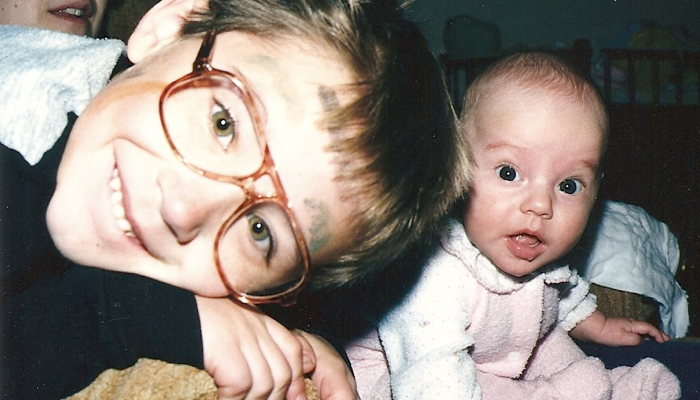
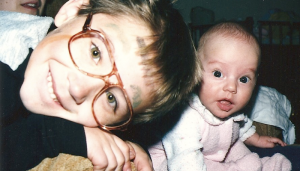
I know what she means. So do all parents, whether they’ve lost a child or not. When we look at our children, we see them as they are now and as they once were. Time plays tricks on us and smooshes the memories together. My adult monk son is my little boy in big glasses and face make up. My college daughter is the drooling baby with big eyes.
It makes no sense, but that’s the way it is. And that’s why parents who have lost children, no matter now long ago, agree to be interviewed. Because they want to help other parents going through a similar situation. Because in a small way, the memories validate the life that was lost and the years never lived. Because for a few moments, they are with their child again. Because the joy of those memories is worth the pain.
When I meet with these parents, I’ll take my normal interview stuff. Tape recorder, questions, legal pad, pencils. And one more thing – tissues. I’m going to need them.
by jphilo | Feb 21, 2008 | Book Updates
Yesterday afternoon, I received an email from the editor at Discovery House Publishers. They want to publish my proposed book A Different Dream for My Child: Meditations for Parents of Critically and Chronically Ill Children.
After waiting so long to hear about the proposal, the news doesn’t seem real. When Allen was born and quickly flown to the University of Nebraska hospital in Omaha, that didn’t seem real either. But it was.
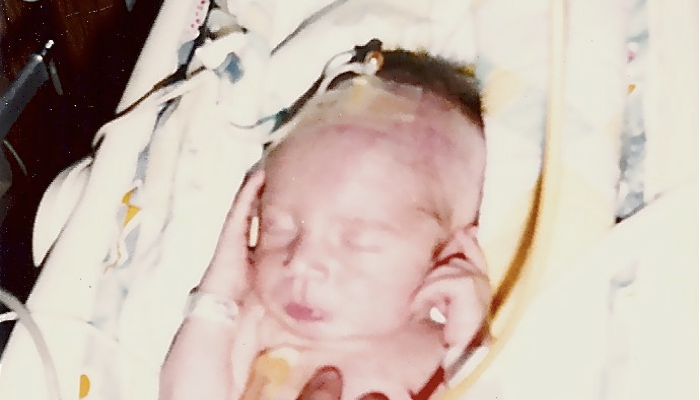
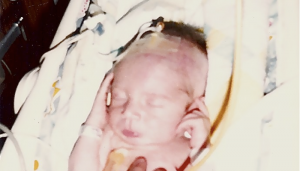
When Hiram and I first saw Allen after his surgery, all I could do was cry. Our baby bristled with tubes and monitors. His tiny hands covered his ears as if he wanted to shut out the painful world he’d entered. “This isn’t the dream I had for my child,” I told God. “Why are you doing this?”
Over the years, as God has worked in our lives, He’s revealed bits of His reasons. Yesterday, He revealed a little bit more. My husband and healthy twenty-six-year-old son were as excited about the news as I was. It’s much different from the dream I thought I wanted. But it’s a good one.
That’s why I’ll write this book. So devastated parents will place their hope in God’s dream for their children. So they can trust His dream, though different from their own, to be good.
by jphilo | Feb 18, 2008 | Book Updates
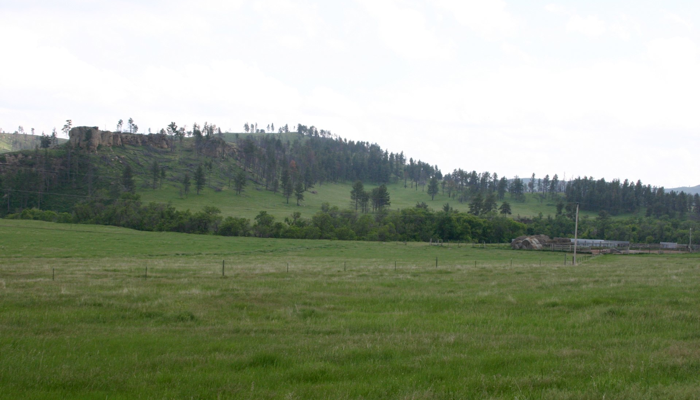
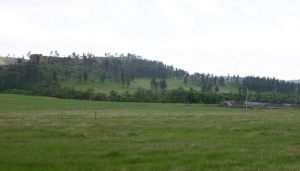
As has been mentioned before, a writer friend and I are collaborating on a mystery novel. At different times during the late 1970s and 80s, Ginger and I lived near the border of South Dakota and Montana, where the novel is set.
Writing the novel has been a great adventure. My keyboard takes me to the vast prairie where Hiram and I lived for seven years. The majority of the novel’s action takes place in late April, the best time of year on the high plains. The mosquitos and the grasshoppers have yet to appear, and little calvies and lambies gambol in pastures green from snow melt and spring rains.
And yet in this idyllic setting Ginger and I have exposed the dark underbellies of our souls. We’ll be describing a romantic picnic at Medicine Rocks State Park, and a dead body shows up. An afternoon drive from Buffalo to Slick Creek takes a detour into a savage beating. A shy, young rancher investigates a suspicious break-in and is whapped upside the head by an arsonist. And his mother, while attending an innocent Extension Club meeting, has visions of wringing the town gossip’s neck.
What is happening to us? I’m getting a little concerned. The climax of the novel is nearing and soon, Ginger and I will plan the end. We’ll decide whether the rancher who disappeared early in the story is in hiding or if he died, along with how many more innocent people have to die and what happens to the bad guys.
That’s not even the half of it. We’re planning a series of mysteries set in the area. And if there’s already this much madness and mayhem during the most beautiful time of year on the short grass prairie, what will happen when the weather turns bad? I don’t want to think about how dark our underbellies could get during a wintertime mystery when the drifts are eight feet high. Or in the summer when a plague of grasshoppers appears. Or in a dry fall with forest fires raging.
The whole project scares me a little, but not enough to make me quit. Instead, I’ll ease my conscience by giving you a word of warning. From now on, pay attention to the weather reports and invite me over only when the forecast is good. You’ll be a whole lot safer if you consider me a fair weather friend.