by jphilo | Dec 3, 2020 | Mystery Update
Country school Christmas programs were a big deal and still are where country schools still exist. That’s why preparing for the Christmas program plays a major role in See Jane Sing! In fact, the progress of the program is a device I use to drive the story’s sense of urgency. Jane wants to solve mystery before the Christmas program as the morning after the big show she will go to her parents’ home in Iowa for Christmas break.
But enough about that.
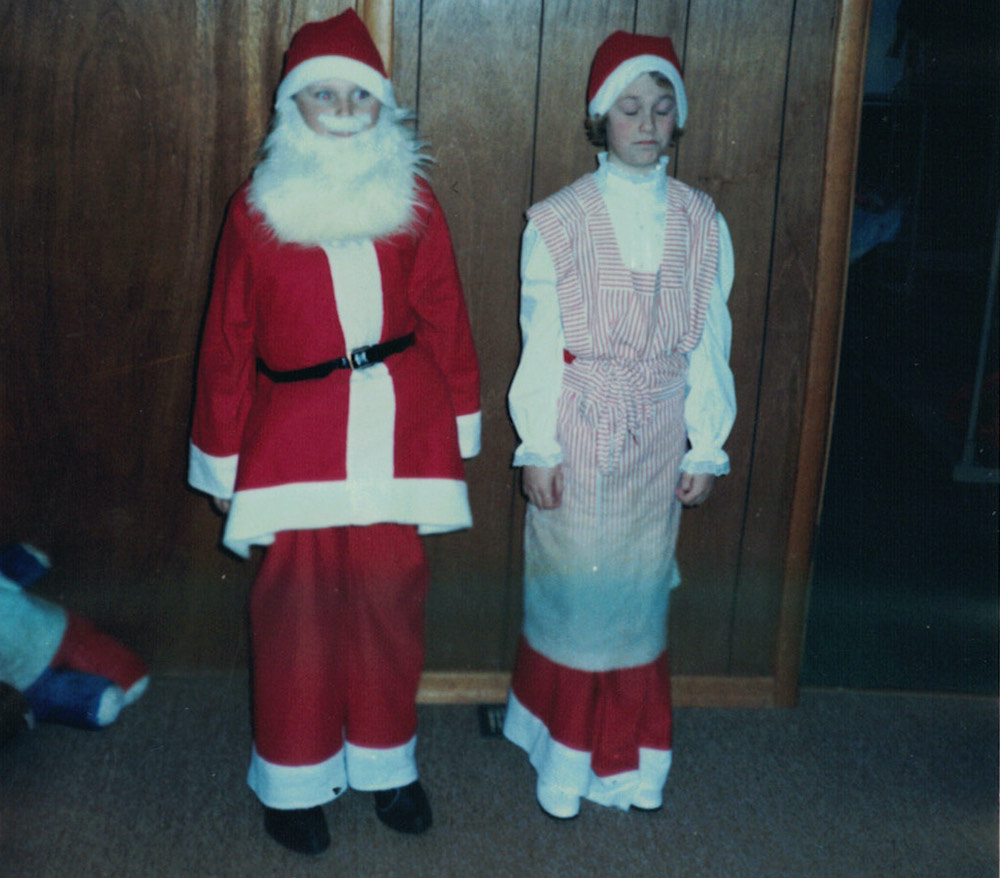
The purpose of this post is to focus on the Mr. and Mrs. Santa costumes in the above picture. But first, a word about the amazingly adorable models, Shawn Burghduff and Mary Philippe, who were third graders when they nabbed their starring roles in that year’s program. The picture evokes equal parts joy and sorrow when I see it. Joy to have been their teacher for three years and sorrow over Shawn’s death due to a freak illness when he was not yet thirty. When See Jane Run! is released, it will be dedicated to him.
Give me a minute to stop crying.
Okay, I’m back with some fun facts about the Mr. and Mrs. Santa costumes.
- I made the costumes. Except for Mrs. Claus’s striped apron and Mr. Claus’s black belt. Their parents supplied those.
- When we moved to Iowa, the music teacher borrowed the costumes every year for the third grade Christmas program.
- Before the first borrow, I made a white, ruffled apron and matching mob cap for Mrs. Santa.
- My daughter wanted to be Mrs. Santa Claus for Halloween when she was in second grade. I bought granny glasses, washed and ironed the costume, and boom, it was ready. She was adorable, and my propensity to save costumes was vindicated.
- I still have the costumes. They’re too big for my grandkids, ages 2 and 4, but that doesn’t stop them from playing dress up in them.
- Every time the costumes come out, I think of Shawn and cry happy tears.
Give me another minute to find a tissue.
Okay, I’m back with one last observation related to fictionalized scenes about country school Christmas programs. They take me a long time to write and use a lot of tissues.
Go figure.
Sign up to receive website updates and See Jane Run! book news on Gravel Road’s home page right under the picture of–you guessed it–the gravel road.
by jphilo | Oct 11, 2017 | Different Dream, Holidays, Special Needs Parenting
4 Tricks to Make Halloween a Treat for Your Child with Special Needs
Are you looking for tricks to make Halloween a treat for your kids with special needs? Guest blogger Trish Shaeffer offers these 4 tips to make costumes, the atmosphere, treats, and words fun for your child this Halloween.
4 Tricks to Make Halloween a Treat for Your Child with Special Needs
Most kids can’t wait to try on Halloween costumes and make their way through the neighborhood trick-or-treating. But for children with special needs, Halloween can bring new challenges. Their choices of costume or candy may be restricted so that Halloween is not always such a treat.
Though children may have limited mobility, a sensory processing disorder, a cognitive problem or a food allergy, they still can enjoy Halloween. Try these tricks to make the haunted holiday the right kind of scary.
- Make costumes work for your child. The traditional boo won’t do if your child’s costume includes a wheelchair, or your kids hate the feel of scratchy material, makeup, and masks. But never fear, you can make it work! Many online stores have costumes for kids with special needs or can even give you ideas on how to make your own. If your child uses crutches, a walker or a wheelchair, get creative! Even crutches can complement a costume. Just be sure the costume doesn’t interfere with your child’s mobility.
- Prepare the senses. For kids with sensory processing disorder, candy, nippy fall air, running around after dark, costumes, or even the noises in the dark can be a challenge. To make sure your child can handle the night, try one of these tricks: Let your child stay at home and hand out treats. Or create a comfortable costume and practice wearing it beforehand. You should even practice the steps of what to say during trick-or-treating to prepare them for the night.
- Take the scare out of treats. If you’re terrified of trusting others to understand your child’s food restrictions, add a warning sticker, a shirt, or a print out to your child’s costume. You can find many ideas online at sites like Star Allergy Alerts. If you child has food sensitivities or allergies, you can also plan ahead to suggest alternatives like toys or all-natural candy. When in doubt, look for the teal pumpkins when going door to door. These pumpkins signify safe treats for children with food allergies. Look for local events that also offer trick-or-treating opportunities for kids with allergies.
4. Provide wise words. For children with developmental or speech delays, you can make cards to hand out when they go door-to-door. These cards explain the issue to others so they can understand your child’s needs and offer a friendly hello even without a word from your child. There are many great ideas online for these cards.
I hope these tricks make Halloween a treat for your child. Have a Boo-tiful day and a happy Halloween. And feel free to leave your Halloween tips in the comment box, too.
Do you like what you see at DifferentDream.com? You can receive more great content by subscribing to the quarterly Different Dream newsletter and signing up for the daily RSS feed delivered to your email inbox. You can sign up for the first in the pop up box and the second at the bottom of this page.
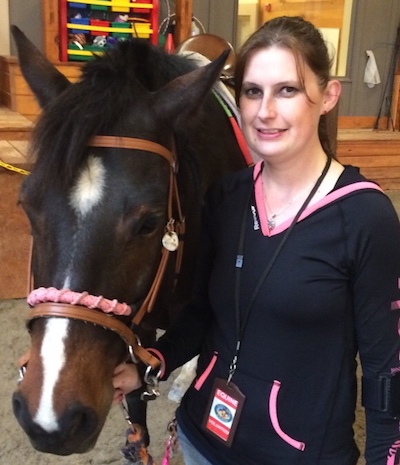
Trish Shaeffer mom of 3 active boys, a 9-year-old and 5-year-old twins who were born 2 months early and have special needs. She’s a peer supporter for Parent to Parent and volunteers with the United Cerebral Palsy Network, Special Olympics, and the United Way. She’s also an equine volunteer at Leg Up Farm. She’s married to her best friend and biggest supporter, Chris Shaeffer.
Subscribe for Updates from Jolene
by jphilo | Nov 8, 2011 | Family
Today’s recycled post, from November of 2007, made me smile when I read it. It seemed especially pertinent since I spent part of Saturday cleaning our bedroom closet. I got rid of four sacks of clothes. But not the costumes. Never the costumes. Who knows when the kids will need them?
The Costume Box – Recycled
“Hi Mom, I thought of something for you to bring this weekend when you come: a dress from the costume box. It might work for one of the actresses in the play.”
She directed me to exactly the right box in the attic. I placed the yellow Tinkerbell wings she wore when she was two on the floor, dug past her Bye, Bye, Blackbird dance recital costume, and finally pulled out the dress we think she’s talking about. It’s one I wore in a play over twenty years ago. “Does it look 1930ish?” she asked.
I wasn’t sure so I went to the cedar chest and found two skirt sets, not costumes but clothes too dear to send to Good Will, that I thought might work. After we said good-bye, I added them to the growing pile of things-to-take-to-Anne-this-weekend.
For some reason, her request cheered me. My kids loved to dress up, even when most children abandon the world of make believe. The costume box was one of their favorite toys. It still is. After all, my college-aged daughter isn’t finished with it yet.
I hope she never is because I love sharing the costume box with her. Hey, I still dress up now and then. And it’s nice to have someone around who gets what that’s all about, who understands how important a childlike imagination is, especially for adults.
Funny how a phone call and a costume box can be a blessing, pardon the pun, in disguise.
by jphilo | Oct 15, 2010 | Reviews
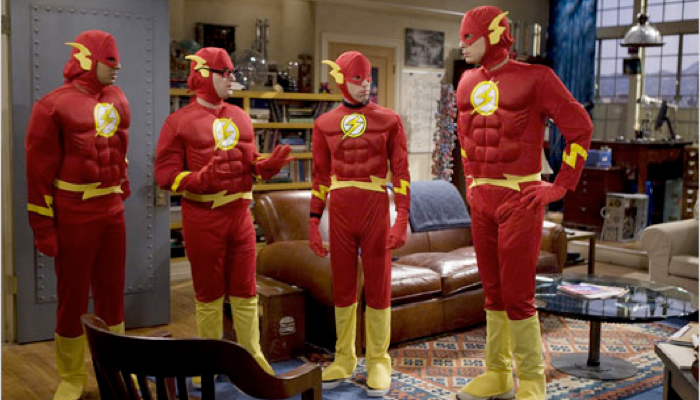
For the past three years, my chemistry professor friend has been raving about the TV comedy, Big Bang Theory. The show sounded great, but I couldn’t check it out because we live in the black hole of digital television reception. (Yes, we have a converter box and no, we can’t get cable so we’re stuck.)
A few weeks ago, she lent me the DVD of the first season, and I haven’t quit laughing since. The acting, the characters, the writing, the plots, and the attention to nerdy details without going over the top make the show a gem. You probably already know that, since most of you don’t live in a digital black hole and watch the show regularly, so I won’t cite specifics. Except to say that Jim Parsons as the brilliant, narcissistic and OCD is fantastic and earned his Emmy. And maybe that some of the content isn’t appropriate for kids in case you’re thinking of watching with the fam.
The show has been an eye opener. Because the four nerdy main characters remind me of people in my high school crowd. Which means we were nerds. Which those of you who observed us have known for 30+ years. But we were clueless, as nerds lacking in social intuitiveness usually are. (If you’re a former classmate, stop sniggering at this insight leave a comment confirming the belated revelation.)
Big Bang Theory also explained a comment my daughter made shortly after she met the man who is now her husband. “He knows he’s a nerd and doesn’t care,” she said in a tone of voice that implied she considered herself a nerd, too. Which I never did until my eyes were opened. It’s obvious that our kids suffer from congenital nerd syndrome exacerbated by excessive environmental factors including the following:
- The making & wearing of costumes was encouraged. Their aunt even sewed and gave them costume boxes for Christmas.
- Hiram & the kids were obsessed with all things Star Trek, Star Wars, and time travellish.
- Super hero discussions were serious business at supper.
- Both kids spent Saturdays at academic team competitions. Give ‘em buzzers and a punny tee shirt, and they were happy.
Furthermore, both kids, with their spouses not just looking on tolerantly but participating willingly, still like to dress outlandishly. They still are obsessed with books and movies in the time travel, science fiction, and fantasy genres. They prefer board games of the Trivial Pursuit variety over action sports. And super heros are still serious discussion topics.
Apparently we raised them in Nerd-vana. So I’m thinking of writing the show’s creators to see if they need any creative consultants. My chemistry professor friend can handle the science stuff. And I can be the nerd nurturer.
Goodness knows, we’ve both got plenty of experience! We might as well put it to good use.